


Why Does My Dog Guard Treats but Not Regular Food? Understanding Resource Guarding
Does your dog calmly eat regular meals but growl, freeze, or become protective around special treats? Learn why dogs guard high-value rewards, how to recognize resource guarding, and practical ways to make treat time safer.
Quick Answer: Your dog may guard treats but not regular food because certain treats feel more valuable, exciting, or difficult to replace. This behavior is called resource guarding. A dog might protect a favorite chew while remaining completely relaxed around everyday kibble. Resource guarding can involve fear of losing something important. Avoid taking treats away by force, respect warning signals, and seek qualified professional guidance when guarding becomes concerning.
Why Does My Dog Guard Treats but Not Regular Food?
Dogs do not assign equal value to everything they eat. Regular kibble may be familiar and predictable, while a flavorful chew or special reward may seem particularly worth protecting. A dog can therefore behave calmly during normal meals but become tense when someone approaches a prized treat.
This response does not necessarily mean your dog is being dominant or deliberately disobedient. Resource guarding is a behavior associated with protecting something the dog values. Our dog treat reward ladder guide explains how dogs may value different rewards. You can also explore our positive dog training tips for everyday reward routines.
Simple rule: If your dog becomes tense around a treat, give them space. Do not test their reaction by reaching toward the item, taking it away, or encouraging other pets to approach.
Why Dogs May Guard Some Treats More Than Others
A dog's perception of value can depend on flavor, familiarity, chewing time, previous experiences, and the surrounding environment. The following examples explain why guarding may appear with certain rewards but not others.
| Food or Reward | Possible Reason for Guarding | Practical Consideration |
|---|---|---|
| Regular kibble | Familiar food may feel predictable and readily available. | Maintain a calm, consistent feeding environment. |
| High-value meat treats | Strong aroma or special flavor may increase perceived value. | Use manageable rewards in appropriate settings. |
| Long-lasting chews | The dog may want to retain a valued item for longer. | Offer only where uninterrupted supervision is possible. |
| Unfamiliar special treats | Novelty can make a reward especially interesting. | Introduce new rewards without creating competition. |
| Treats around other dogs | Competition or anticipation of losing the item may increase tension. | Separate dogs during treat and chew sessions. |
These patterns vary between individual dogs. A favorite item for one dog may be uninteresting to another. Guarding can also change with location or nearby people, so observe the entire situation rather than assuming a particular ingredient causes the behavior.
Choosing Treats for Everyday Reward Routines
When a dog is comfortable accepting food rewards, small, easy-to-portion treats can support ordinary reward-based training. Treat selection does not treat resource guarding, however. Avoid offering food directly during a guarding episode or using treats to test your dog's tolerance.

Training Treats for Dogs | Sweet Potato & Chicken Soft Dog Treats
These sweet potato and chicken training treats offer a convenient reward for short, positive training sessions when your dog is comfortable receiving food and the ingredients suit their diet.
- Soft, manageable training rewards
- Suitable for measured reward routines
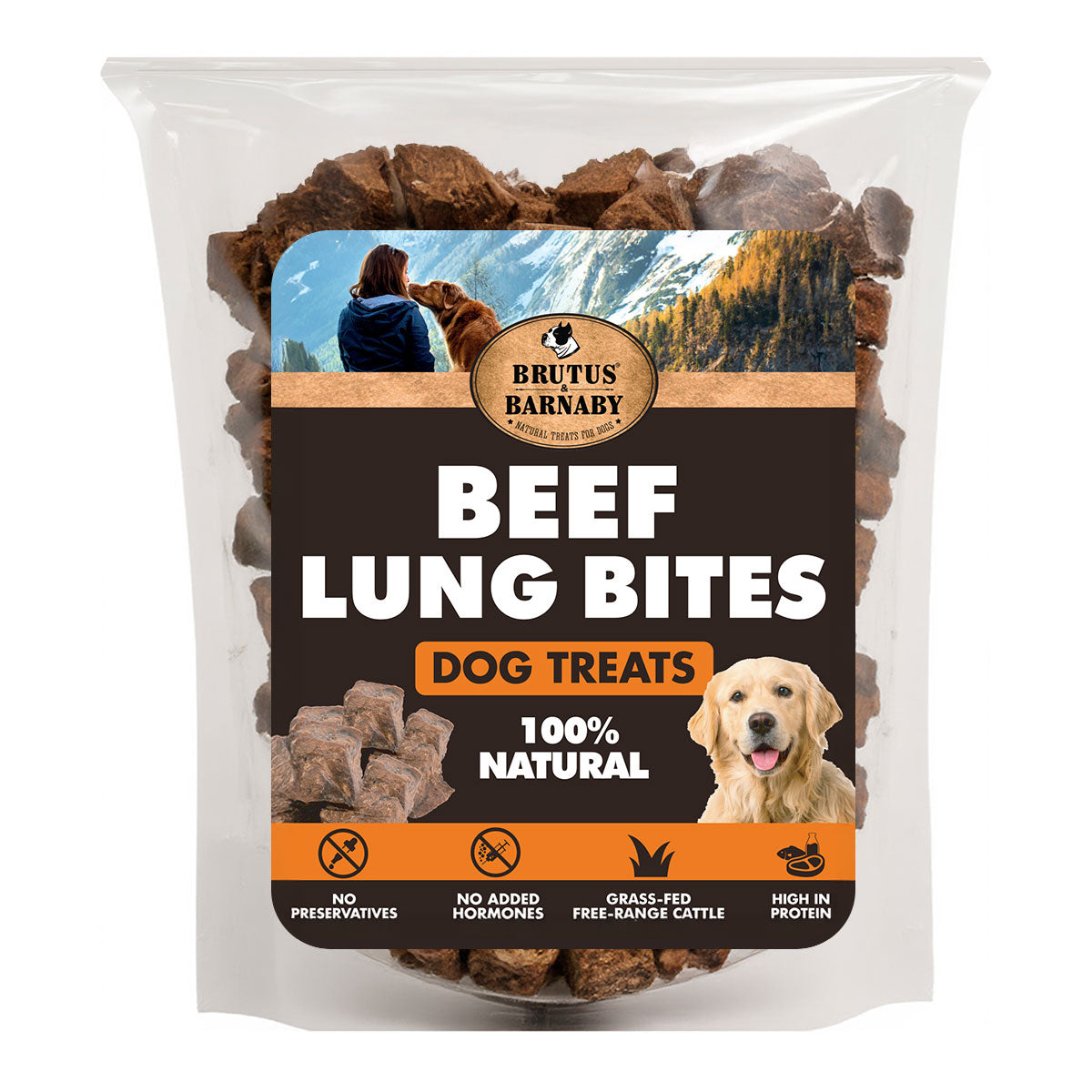
Beef Lung Bites
Beef Lung Bites provide a meat-based reward option for dogs that enjoy beef. Use appropriate portions during relaxed training activities, not as an attempt to interrupt active guarding.
- Meat-based treat option
- Portion according to your dog's needs
How to Recognize Resource Guarding Before It Escalates
Resource guarding is not limited to growling or snapping. Some dogs show subtle warning signals long before aggressive behavior becomes obvious. Watch for sudden stillness, stiff posture, hovering over a treat, turning away with an item, eating unusually quickly, or staring when someone approaches.
These signals should be understood in context. A dog carrying a treat to another room may simply prefer privacy, but repeated stiffness, freezing, or threatening behavior suggests the situation deserves closer attention. Do not deliberately approach to check whether the dog will react.
Possible Early Warning Signs
- Freezing or becoming unusually stiff near a treat.
- Covering, hovering over, or moving away with food.
- Staring, growling, or showing teeth when approached.
Safer Immediate Responses
- Stop approaching and allow the dog space.
- Keep children, visitors, and other pets away.
- Arrange professional support if guarding recurs or escalates.
What Should You Do When Your Dog Guards a Treat?
The safest immediate response is to avoid confrontation. Do not pull the treat from your dog's mouth, physically push them away, or punish growling. Growling is a warning signal; suppressing it through punishment can increase risk without changing the underlying concern. Give the dog room and prevent other people or animals from approaching.
For ongoing management, offer appropriate rewards in a quiet location where your dog will not be disturbed. In multi-dog households, separate animals before distributing valuable chews. Avoid giving a chew you cannot safely manage in the available environment. Children should never approach a dog that is eating or guarding an item.
The ASPCA's food guarding guidance explains why punishment and forced removal are unsafe approaches. The American Kennel Club's resource guarding guidance also discusses prevention and safe management.
If guarding includes snapping, lunging, biting, or threatening behavior, consult a qualified behavior professional experienced with aggression. A veterinarian should also evaluate sudden behavioral changes, especially when pain, illness, or appetite changes may be involved. Behavior modification exercises, including trading items, are best planned with professional guidance when guarding is already present.
A Practical Guide to Safer Treat-Time Habits
Predictable routines and appropriate separation can reduce avoidable conflicts around food. Use this table as a general management guide rather than a substitute for a personalized behavior assessment.
| Situation | Safer Approach | What to Avoid |
|---|---|---|
| Giving a special treat | Choose a quiet, secure location. | Creating competition or crowding. |
| Dog becomes stiff | Stop approaching and provide space. | Reaching toward the guarded item. |
| Multiple dogs present | Use separate, secure feeding areas. | Sharing valuable chews in one space. |
| Repeated or escalating guarding | Seek individualized behavior guidance. | Punishment or unsupervised training experiments. |
Important safety note: Resource guarding can result in bites. Never allow children to approach a dog with a valued item, and do not attempt to physically remove guarded food. If someone is at risk or your dog has threatened or bitten a person, seek qualified professional assistance. Supervise chew sessions from a safe distance without interfering with the dog.
Frequently Asked Questions
Your dog may consider a special treat more valuable than everyday kibble. Growling can communicate discomfort about someone approaching or potentially taking the item. Avoid punishing the warning, give your dog space, and consult a qualified professional if the behavior continues.
Resource guarding is a recognized canine behavior, and dogs vary in how strongly they protect valued possessions. However, common does not mean harmless. Freezing, growling, snapping, or biting should be taken seriously, particularly in households with children or other pets.
Do not forcibly remove a guarded treat. Reaching toward an item can increase tension and bite risk. Instead, keep everyone at a safe distance and allow the dog to remain undisturbed. Seek professional advice for situations where items must be retrieved safely.
Changing reward types may alter which items your dog finds especially valuable, but it does not reliably resolve resource guarding. Addressing the behavior requires understanding its triggers and managing risk. A qualified behavior professional can recommend an appropriate individualized training plan.
Yes. Dogs may protect treats, chews, food bowls, toys, or resting areas from other animals. Provide valuable food items in separate, secure spaces and avoid expecting dogs to share. If guarding leads to fights or threatening behavior, seek professional behavioral assistance.
Make Everyday Rewards Simple and Enjoyable
Explore Brutus & Barnaby training treats for positive, comfortable reward routines. Choose appropriate portions, respect your dog's personal space, and remember that managing resource guarding may require professional behavioral guidance.
Shop Dog Training Treats