

Why Does My Dog Eat Treats Too Fast? Common Causes and Safer Feeding Habits
Does your dog swallow treats almost instantly instead of chewing? Learn why dogs rush through rewards, how excitement and feeding routines affect their behavior, and practical ways to encourage calmer, more controlled treat time.
Quick Answer: Dogs often eat treats too fast because they are excited, highly food-motivated, accustomed to rushing for food, or concerned that another pet might take their reward. Some treats are also small or soft enough to swallow quickly. Encourage calmer eating by offering individual portions, reducing distractions, choosing appropriately sized treats, and supervising every snack. If rapid swallowing is new or accompanied by coughing, gagging, or discomfort, consult your veterinarian.
Why Does My Dog Eat Treats Too Fast?
A dog that finishes a treat in seconds is not necessarily hungry. Treats can trigger strong anticipation, especially when they have an appealing smell, familiar flavor, or positive association with training. Some dogs learn that grabbing food immediately is part of their usual reward routine.
However, quickly taking a small training reward is different from swallowing a large snack without chewing. Understanding that distinction helps you choose appropriate rewards. Our training treat size guide explains how reward dimensions affect feeding and training. You can also explore bully stick safety considerations when choosing longer-lasting chews.
Simple rule: Match the treat to your dog's size, chewing behavior, and feeding situation. Offer one manageable portion at a time, allow your dog to finish comfortably, and avoid encouraging hurried swallowing.
5 Common Reasons Dogs Eat Treats Too Quickly
Fast treat eating can have several explanations. Look at your dog's body language, environment, and usual feeding habits before deciding how to adjust the routine.
| Possible Cause | What You May Notice | Practical Response |
|---|---|---|
| Excitement | Your dog grabs treats immediately during play or training. | Pause briefly and reward calmer behavior. |
| Food competition | Your dog rushes when other pets are nearby. | Offer rewards in a separate, quiet area. |
| Established habits | Rapid eating happens during most treat sessions. | Introduce a consistent, unhurried routine. |
| Treat size or texture | Small or soft pieces disappear with minimal chewing. | Choose a suitable reward for its intended purpose. |
| Unusual appetite changes | Food urgency increases suddenly or accompanies other symptoms. | Arrange veterinary advice to investigate the change. |
Some dogs naturally eat faster than others. What matters most is whether they can manage the treat comfortably without choking, struggling to swallow, or developing digestive discomfort. The American Kennel Club's guide to slowing down eating provides additional information about rushed feeding behavior.
Choose Appropriate Rewards for Controlled Treat Time
When selecting treats for an enthusiastic eater, consider how easily your dog handles each piece. Small training rewards can be convenient for structured sessions, provided the size and texture suit your individual dog.

Sweet Potato & Chicken Training Treats
These training treats combine sweet potato and chicken flavors in convenient reward-sized pieces. They offer an option for measured, individual rewards during everyday training and calm behavior practice.
- Convenient pieces for individual rewards
- Suitable for structured training sessions
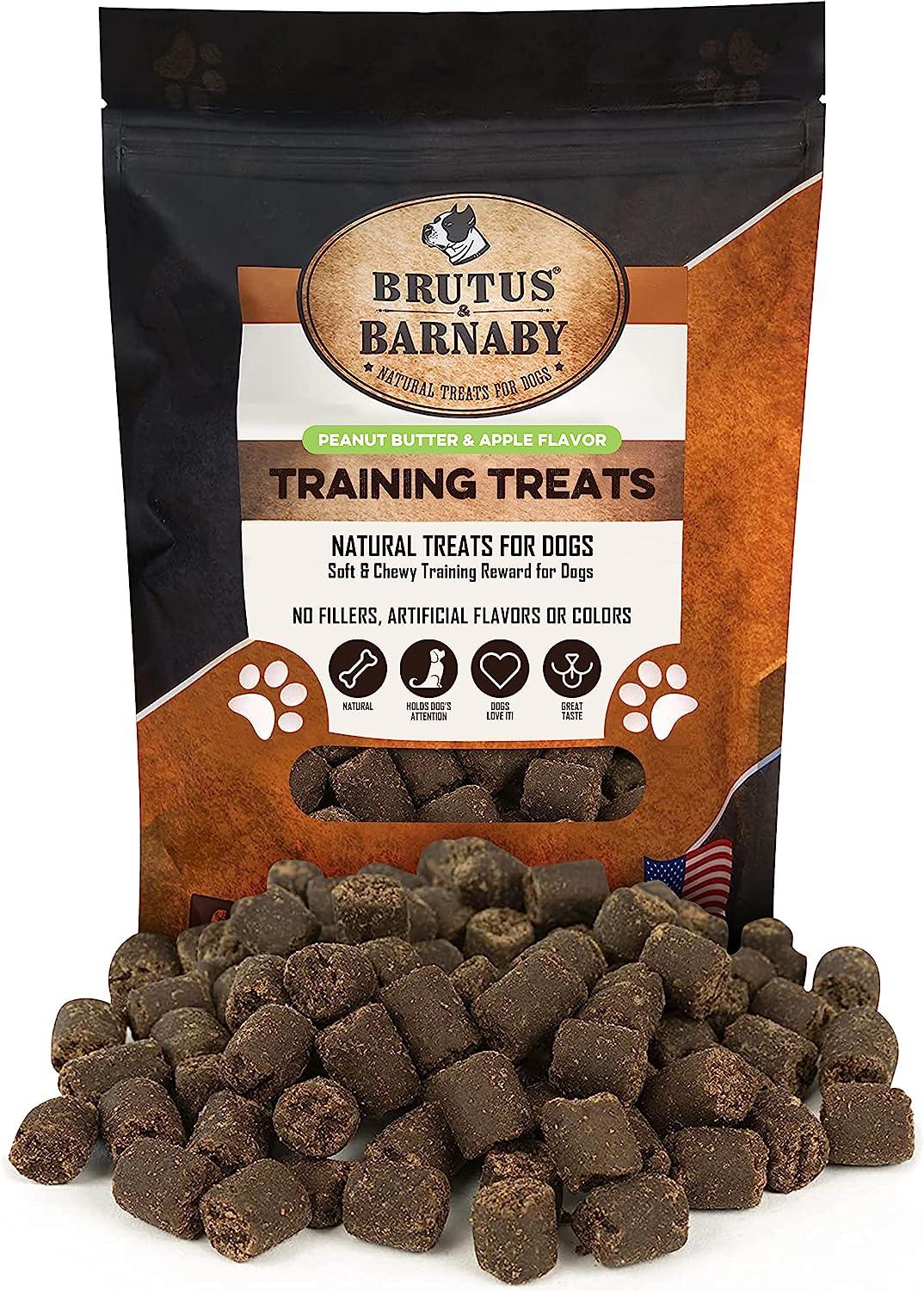
Peanut Butter & Apple Training Treats
Peanut butter and apple flavors provide another training reward option. Offer pieces individually during calm exercises, adjusting the reward size and total quantity to your dog's needs.
- Peanut butter and apple flavor combination
- Useful for measured reward sessions
How Can You Teach Your Dog to Take Treats More Gently?
Teaching a dog to accept treats calmly can improve the overall reward routine, although gentle taking does not guarantee slower chewing. Practice in a quiet setting, keep rewards controlled, and avoid presenting several treats simultaneously. When your dog approaches without grabbing, mark and reward that calmer behavior.
If your dog becomes overly excited, briefly stop offering food and resume when they settle. Avoid teasing your dog with a treat, pulling it away repeatedly, or creating unnecessary competition. For dogs that grab fingers, a suitable flat-hand presentation or another trainer-recommended delivery method may be helpful.
Helpful Feeding Habits
- Offer one appropriately sized reward at a time.
- Practice in a quiet environment.
- Reward gentle, controlled treat-taking.
Habits Worth Avoiding
- Encouraging dogs to race for food.
- Offering large pieces they may gulp.
- Leaving edible chews unattended.
Is It Dangerous When Dogs Swallow Treats Without Chewing?
Swallowing a small, appropriately sized training reward quickly may be normal for some dogs. However, swallowing larger or poorly matched treats can increase the risk of choking, food becoming lodged in the esophagus, and digestive problems. A treat that looks small to a large dog may be unsuitable for a smaller dog, while some dogs attempt to gulp items regardless of their size.
Watch for repeated coughing, gagging, regurgitation, difficulty swallowing, or apparent pain. Breathing difficulty, collapse, or blue-gray gums require immediate emergency veterinary attention. Never assume that a swallowed piece is harmless simply because your dog initially appears comfortable.
Longer-lasting chews need particular care. Choose an appropriate size, supervise continuously, and remove pieces before they become small enough to swallow whole. A dog that repeatedly tries to gulp large chews may need a different enrichment activity. Dogs with dental problems, swallowing difficulties, or known digestive conditions should have their treat choices reviewed with a veterinarian.
Can Slow Feeders Help Dogs That Eat Treats Too Fast?
Slow-feeder bowls, suitable food puzzles, and treat-dispensing toys may help distribute food across a longer activity. However, they do not automatically make individual pieces safer to swallow. Match the equipment to your dog's size and behavior, follow the manufacturer's instructions, and supervise its use.
For dogs that become frustrated or frantic around food puzzles, simpler alternatives may be more appropriate. A few measured rewards delivered during calm training can offer control without adding unnecessary excitement. Never use equipment that allows your dog to break off or swallow unsafe parts.
A Simple Guide to Safer Treat-Feeding Habits
You do not need a complicated routine to improve treat time. Start with manageable changes that reduce excitement, maintain appropriate portions, and allow you to observe how comfortably your dog handles each reward.
| Step | What to Do | What to Watch |
|---|---|---|
| 01 — Prepare | Choose suitable treats and measure the intended amount. | Piece size, texture, and total calories. |
| 02 — Settle | Begin in a quiet place away from competing pets. | Excitement, grabbing, and body language. |
| 03 — Offer | Give one reward and allow comfortable swallowing. | Coughing, gagging, or difficulty eating. |
| 04 — Review | Adjust the routine based on your dog's response. | Comfort, behavior, and daily treat intake. |
Portion control is just as important as feeding pace. A common nutritional guideline is to keep treats and other extras within approximately 10% of daily calorie intake, with most nutrition coming from complete and balanced dog food. Review VCA Animal Hospitals' guidance on treats and calorie management for more information. Individual veterinary diets may require different limits.
Important feeding note: Never leave your dog unattended with edible chews or treats that could become choking hazards. If your dog repeatedly gags, coughs, regurgitates food, or struggles to swallow, stop offering the treat and seek veterinary advice. Suspected choking or breathing difficulty is an emergency requiring immediate veterinary care.
Frequently Asked Questions
Some dogs swallow small or soft treats quickly because of their size, texture, or excitement around food. However, repeatedly gulping larger pieces can be concerning. Choose appropriate rewards, supervise eating, and consult your veterinarian if your dog suddenly changes eating habits or shows swallowing difficulties.
Practice offering individual rewards in a quiet setting. Encourage calm behavior before presenting each treat, and avoid creating excitement by waving food around. Use an appropriate delivery method that protects your fingers. Consistent practice may help your dog learn gentler treat-taking habits.
Yes. Dogs can choke when treats or chew pieces obstruct their airway, particularly if they attempt to swallow unsuitable pieces whole. Always match treats to your dog's size and chewing behavior. Difficulty breathing, collapse, or blue-gray gums require immediate emergency veterinary care.
Not automatically. Soft treats can be convenient for training, but some dogs swallow them without chewing. The better choice depends on the treat's dimensions, consistency, and your dog's ability to handle it comfortably. Avoid assuming that a softer texture eliminates choking risks.
Competition or concern about losing food can encourage rushed eating. Even friendly dogs may become more urgent when another pet approaches their reward. Offer treats separately, avoid making dogs compete, and consider professional behavioral guidance if guarding, growling, or conflict occurs.
Better Treat Habits Start With Thoughtful Rewards
Explore Brutus & Barnaby training treats for everyday rewards and positive reinforcement. Choose portions appropriate for your dog, encourage calm treat-taking, and make supervised snack time part of a consistent routine.
Shop Dog Training Treats