


Why Does My Dog Spit Out Treats Before Eating Them? Common Reasons Explained
Does your dog take a treat, drop it on the floor, and then eat it? Learn why dogs sometimes spit out treats, how texture and unfamiliar flavors affect their reactions, and when this behavior deserves a closer look.
Quick Answer: Dogs may spit out treats before eating them because they are investigating an unfamiliar flavor, adjusting the piece in their mouth, or finding the texture or size difficult to manage. Some dogs simply prefer to inspect food before chewing. However, repeated dropping of food, especially alongside drooling, painful chewing, or appetite changes, can indicate an oral or medical problem that needs veterinary attention.
Why Does My Dog Spit Out Treats Before Eating Them?
You hand your dog a treat, they happily take it, and a second later it lands on the floor. After sniffing or moving it around, they finally eat it. This can be an ordinary part of how some dogs explore unfamiliar foods.
Dogs respond differently to smell, flavor, shape, and texture. A treat that is easy for one dog to chew may be awkward for another. Our guide to different dog treat textures explains why choosing the right format matters. The key is noticing whether your dog's behavior is consistent or has recently changed.
Simple rule: If your dog occasionally drops a treat and then eats comfortably, observe their preferences. If they repeatedly struggle, refuse food, or show signs of pain, stop offering that treat and contact your veterinarian.
5 Common Reasons Dogs Drop or Spit Out Treats
The same behavior can have several explanations. Consider what happens immediately before and after your dog drops the treat, rather than assuming every dropped piece means the same thing.
| Possible Reason | What You Might Notice | What to Consider |
|---|---|---|
| Unfamiliar flavor | Your dog sniffs or inspects a new treat before eating. | Offer a small portion and allow time to investigate. |
| Unexpected texture | The treat is dropped after the first bite. | Compare the firmness with familiar treats. |
| Awkward shape or size | Your dog repeatedly repositions the piece. | Choose an appropriately sized, manageable reward. |
| Preference or distraction | Your dog leaves the treat, then returns to it. | Observe their interest and the feeding environment. |
| Mouth discomfort | Dropping food accompanies slow or painful chewing. | Stop the treat and arrange veterinary evaluation. |
An occasional dropped treat does not automatically indicate a problem. However, a new pattern of dropping food is different from a lifelong habit. According to VCA Animal Hospitals' guidance on dental pain, dropping food while chewing can be associated with oral discomfort.
Choose Treats That Match Your Dog's Eating Style
If your veterinarian has ruled out discomfort and your dog simply dislikes certain textures, experimenting with appropriately sized, familiar rewards may help. These Brutus & Barnaby options provide different formats to consider.

Sweet Potato & Chicken Training Treats
These soft, chewy training treats offer a manageable reward format for dogs that prefer smaller bites. Their sweet potato and chicken flavor provides another option for everyday training.
- Soft, chewy training treat texture
- Convenient for short reward sessions
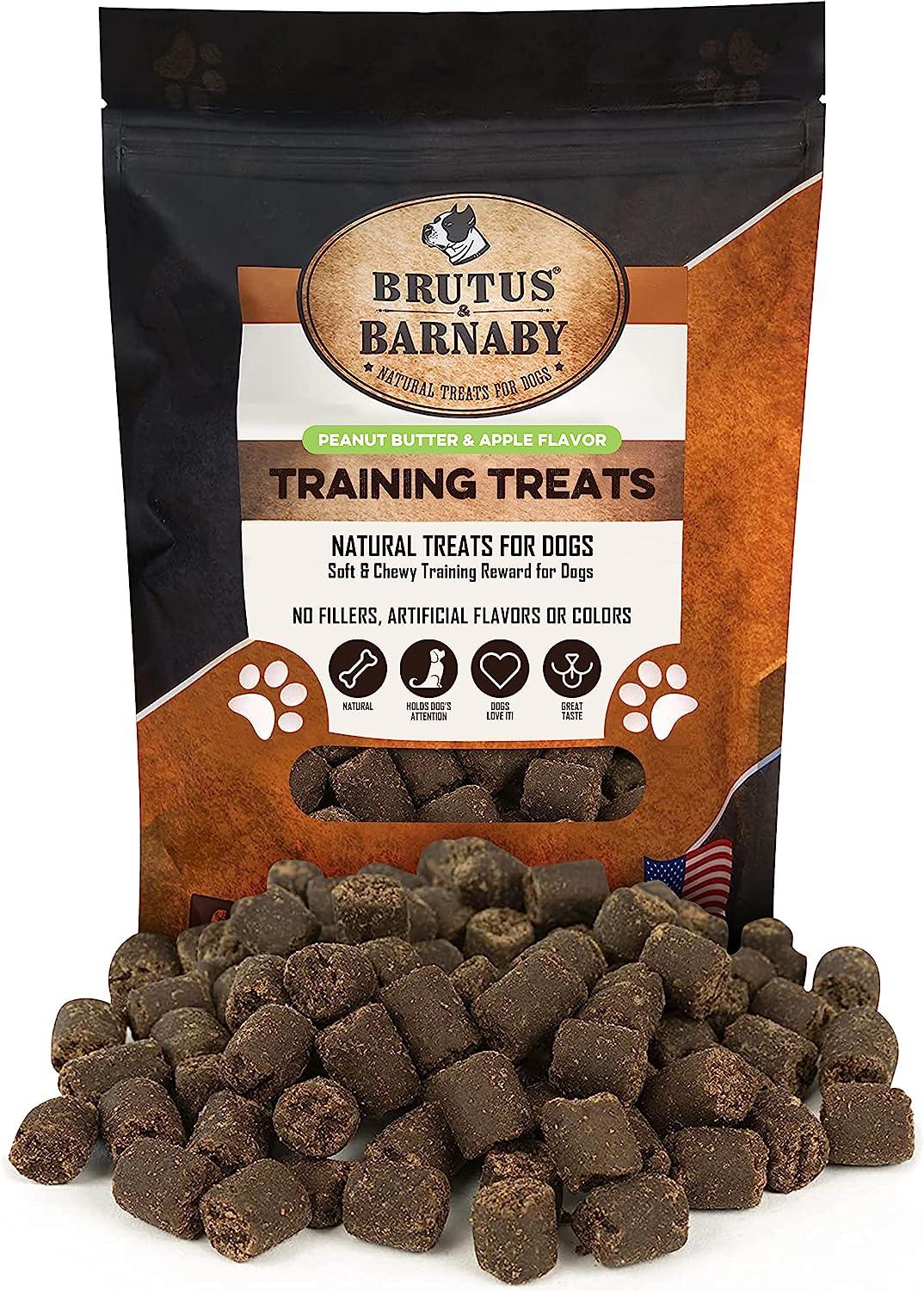
Peanut Butter & Apple Training Treats
A different flavor combination for dogs that enjoy peanut butter and apple. These training treats provide a small reward option when choosing between familiar flavors and textures.
- Peanut butter and apple flavor
- Small rewards for training routines
Does Treat Texture Affect How Dogs Eat?
Yes. Soft, crunchy, and chewy treats feel different inside a dog's mouth. A dog accustomed to small, soft rewards may take longer to investigate a firmer snack. Texture preferences vary, and an unusual first reaction does not necessarily mean your dog dislikes the ingredient.
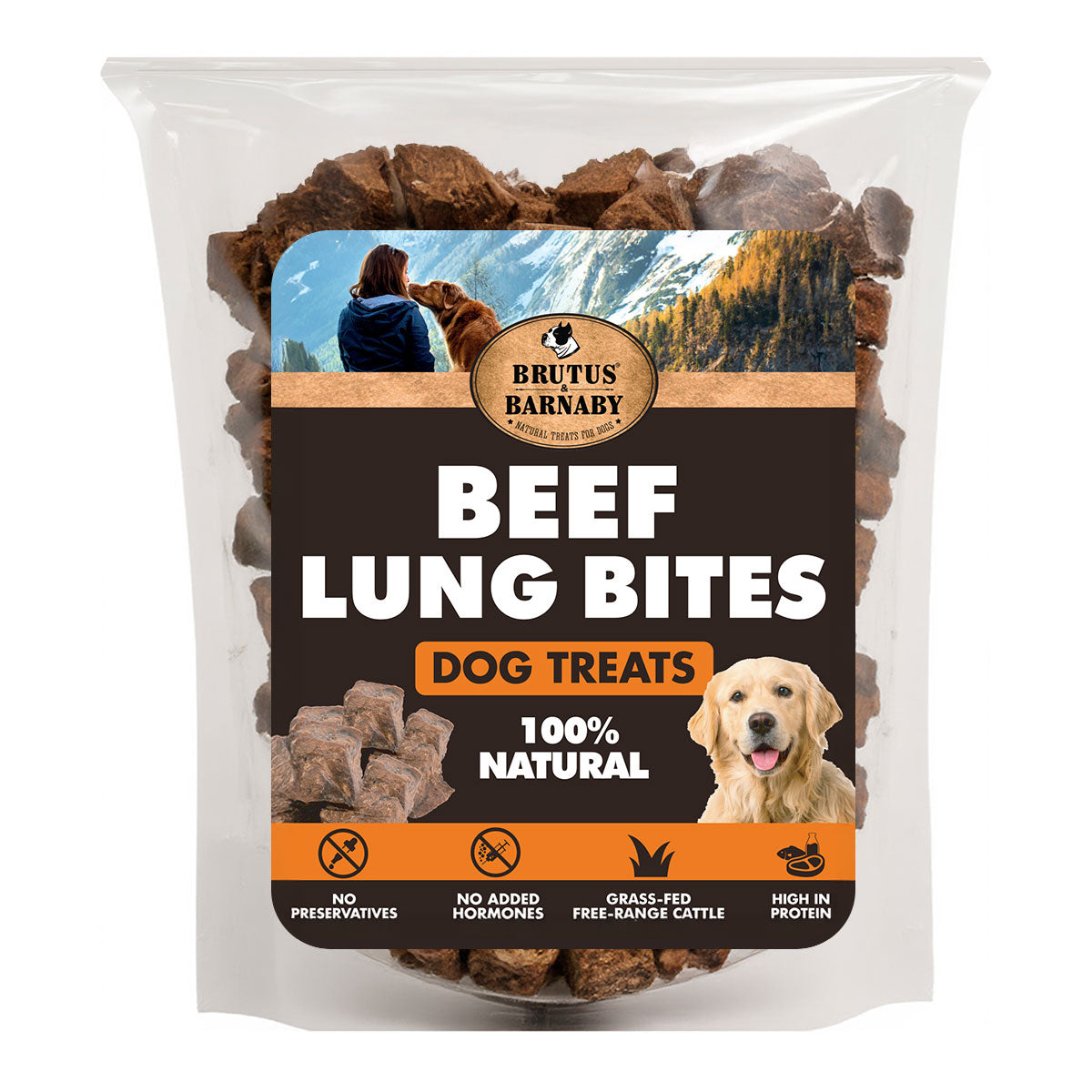
Beef Lung Bites
These natural beef lung bites offer a different eating experience from soft training rewards. Consider them for dogs comfortable chewing appropriately sized, firmer meat-based treats.
- Beef-based treat option
- Different texture for treat variety
Signs of a Texture Preference
- Your dog consistently prefers one treat format.
- They chew familiar treats comfortably.
- The behavior occurs mainly with new snacks.
Signs to Investigate
- Your dog suddenly struggles with familiar treats.
- Chewing appears painful or unusually slow.
- Drooling, bad breath, or appetite changes appear.
When Spitting Out Treats May Indicate a Problem
A dog that suddenly starts dropping treats they previously enjoyed may be experiencing discomfort. Dental disease, a damaged tooth, mouth irritation, or another oral problem can make chewing difficult. Some dogs continue showing interest in food despite feeling pain.
Watch for unusual drooling, pawing at the mouth, reluctance to chew, blood around the gums, or difficulty eating regular meals. VCA's dental disease overview describes several of these warning signs. Arrange veterinary attention if they occur rather than repeatedly testing different treats.
If your dog repeatedly spits out food, also consider whether the pieces are too large, unusually hard, or difficult to position. Do not try to solve a suspected dental or swallowing problem by offering progressively harder treats. Coughing, gagging, or trouble swallowing warrants prompt veterinary advice; breathing difficulty is an emergency.
What to Do When Your Dog Keeps Dropping Treats
A few simple observations can help separate occasional food preferences from a concerning change. Avoid forcing your dog to finish a treat they repeatedly reject.
| Step | What to Do | What to Watch |
|---|---|---|
| 01 — Observe | Notice whether the treat is dropped once or repeatedly. | Frequency and changes in eating behavior. |
| 02 — Compare | Consider the size and texture of familiar treats. | Whether difficulty occurs with multiple foods. |
| 03 — Simplify | Offer an appropriate familiar reward if eating is comfortable. | Interest, chewing, and willingness to eat. |
| 04 — Reassess | Contact your veterinarian about persistent or new difficulties. | Pain, drooling, coughing, or appetite changes. |
Important feeding note: Always supervise treat and chew time. Choose suitable piece sizes and avoid hard or oversized rewards when chewing is uncomfortable. Persistent food dropping, painful chewing, or difficulty swallowing requires veterinary assessment. Seek emergency care if your dog has trouble breathing or appears to be choking.
Frequently Asked Questions
Some dogs drop treats to investigate their smell, texture, or shape before eating. If your dog comfortably chews afterward and shows no other concerning symptoms, it may be an individual habit. A sudden change or repeated difficulty deserves closer attention.
Hard treats may be difficult for some dogs to manage, particularly when they have dental discomfort. Some dogs also prefer softer textures. If dropping hard treats is a new behavior or happens alongside slow chewing, have your veterinarian check for oral problems.
Your dog may be uncertain about the treat's texture, distracted, or experiencing discomfort. Repeated inability or reluctance to chew is more concerning than simple hesitation. Stop offering difficult treats and consult your veterinarian if the behavior persists or begins suddenly.
Softer treats may be worth considering when your dog simply prefers another texture and is eating comfortably. However, switching textures should not replace veterinary evaluation for new chewing difficulties, mouth pain, excessive drooling, or problems with regular meals.
Yes. Dental pain and other mouth problems can cause dogs to drop food, chew cautiously, or avoid certain textures. Even dogs that still appear hungry may have discomfort. A veterinarian can examine the mouth and determine whether treatment is needed.
Make Treat Time More Enjoyable
Explore Brutus & Barnaby's selection of natural dog treats, including soft training rewards and meat-based snacks. Find flavors and textures that suit your dog's preferences, size, and comfortable chewing style.
Shop Natural Dog Treats