



Why Does My Dog Bury Treats Outside? Is It Safe?
Burying a prized chew can be a normal form of canine caching, but a treat that has spent time in soil, moisture, heat, or wildlife-accessible ground should not simply go back into your dog’s mouth.
A dog who trots into the yard with a chew, digs a careful hole, covers the treasure with their nose, and returns later is not necessarily rejecting the treat. They may be saving something valuable for another time. The important questions are why the behavior is happening, whether it is becoming stressful or excessive, and what condition the edible chew is in when it comes back out of the ground.
Dogs often bury treats because they are saving a valuable resource—but outdoor-buried edible chews should be discarded.
Caching can be a normal inherited behavior, especially when a dog is full, has more than they want to consume, feels competition, or simply enjoys digging. Do not punish the behavior. Instead, supervise chew time, offer the chew when your dog is ready to use it, pick up unfinished portions, and provide a separate digging outlet using washable toys rather than edible items. If a chew has been buried in soil or exposed to moisture, wildlife, feces, lawn chemicals, mold, or unknown outdoor conditions, dispose of it securely rather than allowing your dog to eat it later.
Outdoor Burying Is Different From Hiding a Treat Under a Blanket
Brutus & Barnaby already has a detailed guide to dogs who tuck treats under blankets, beds, couches, or laundry indoors. This article addresses a different problem: dogs that carry edible chews into the yard, dig holes, retrieve old treats later, damage landscaping, or turn the burial site into a guarded resource.
Indoor Hiding
The dog may use blankets, cushions, beds, or furniture as a familiar storage spot. Read the dedicated guide to why dogs hide treats under blankets.
Outdoor Burying
The dog digs into soil, mulch, sand, planters, or garden beds. In addition to behavior and cleanup, owners need to consider contamination, wildlife access, chemicals, and whether the retrieved chew should be discarded.
Six Common Reasons Dogs Bury Treats and Chews
1. They Are Caching Something Valuable
Dogs may save prized food or objects for later. The behavior can persist even when meals are predictable and food scarcity is not a real concern.
2. They Are Not Hungry Right Now
A chew offered immediately after a meal, during a low-appetite period, or on top of too many other extras may be treated as surplus rather than something to consume immediately.
3. The Chew Feels Too Valuable to Use
Some dogs become highly excited by special chews. Carrying, pacing, whining, searching for a hiding place, and repeatedly relocating the item can reflect arousal around a very valuable resource.
4. They Expect Competition
Another dog, a visiting pet, children, or household traffic may make the dog feel that the chew needs to be hidden. This can happen without an actual fight ever occurring.
5. Digging Itself Is Rewarding
Some dogs enjoy digging, carrying, hiding, and rediscovering objects. The sequence can be self-reinforcing even when the edible item is not the main attraction.
6. Stress, Discomfort, or Appetite Changes Are Involved
Sudden or intense hiding can sometimes occur alongside anxiety, dental discomfort, nausea, reduced appetite, or another health change. The surrounding pattern matters more than one isolated burial.
What Your Dog’s Burying Pattern May Be Telling You
Watch what happens before, during, and after the burial. The same digging behavior can mean different things depending on timing, body language, appetite, and the presence of other animals.
| Pattern You Notice | Possible Explanation | Practical Response |
|---|---|---|
| The dog buries an occasional special chew and remains relaxed | Normal caching or enjoyment of digging | Supervise, remove edible leftovers, and provide a toy-based digging outlet |
| The dog buries treats mainly after meals | The dog may already be satisfied or receiving more extras than needed | Offer chews at a more appropriate time and review the daily treat allowance |
| The dog hides chews only when another pet is nearby | Competition or lack of privacy may be influencing the behavior | Give chews in fully separate areas and collect leftovers before reunion |
| The dog carries the chew, whines, paces, and cannot settle | The item may be creating excessive arousal, conflict, or uncertainty | Use a calmer setup, a smaller or less intense reward, and note whether the pattern repeats |
| The dog suddenly buries foods they previously ate immediately | Possible appetite, dental, digestive, stress, or medical change | Check for other symptoms and contact a veterinarian if the change persists or is accompanied by discomfort |
| The dog guards the hole or growls when someone approaches | The burial site has become a protected resource | Do not reach in or punish; block access and seek qualified reward-based behavior support |
| The dog repeatedly digs until paws, nails, or nose become injured | The behavior has become unsafe or excessive | Stop access to the area and discuss the pattern with a veterinarian or qualified behavior professional |
Is It Safe for a Dog to Eat a Treat After Burying It?
The cautious answer is no. Once an edible chew has been buried outdoors, you may not know how long it was in the ground, whether it became damp, what contacted it, or whether the dog relocated it more than once. Soil can contain fecal material, animal urine, parasites, bacteria, fungi, pesticides, fertilizers, slug bait, compost, mulch treatments, or other contaminants that are not visible.
Moisture Changes Storage Conditions
Pet treats are intended to be stored according to their packaging, typically in a clean, dry, secure place. Damp soil and outdoor heat do not provide controlled storage.
Wildlife May Access the Site
Rodents, raccoons, birds, insects, outdoor cats, and other animals may investigate buried food and leave contamination behind.
Lawns and Gardens May Contain Chemicals
Fertilizer, pesticide, herbicide, slug bait, treated mulch, compost, and mushrooms create additional risk. Contact a veterinarian or pet-poison resource after suspected toxic exposure.
What to Do When Your Dog Starts Carrying a Chew Toward the Yard
Do not chase the dog
Chasing can turn the situation into a game, increase urgency, or make the dog feel that the item must be protected. Stay calm and prevent access to the yard when possible.
Invite the dog to a supervised chew area
Use a familiar indoor mat, gated room, pen, or positively conditioned crate. Keep the area free from blankets, laundry, deep cushions, or other easy hiding places when you want the dog to consume the chew during that session.
Use a practiced trade-up when the dog will not settle
Offer a separate higher-value reward away from the chew. Pick up the chew only after the dog has moved away. Do not corner the dog, grab at the mouth, or punish growling.
Store the unfinished portion correctly
Follow the product’s storage instructions. Keep treats in their original packaging or a clean, dry, secure container. Discard anything that is dirty, damp, spoiled, foul-smelling, moldy, or has been buried outside.
Adjust the next session instead of forcing this one
Try a shorter session, a smaller format, a different time of day, or a less exciting reward. The goal is to learn what fits the dog—not to insist that every offered chew must be eaten immediately.
Should You Let Your Dog Have a Designated Digging Area?
A sandbox or digging pit can be a useful outlet for dogs that genuinely enjoy digging. The safest version separates the digging game from edible chew storage.
Better Digging-Pit Setup
- Use clean sand or dog-safe loose substrate
- Hide washable rubber toys rather than edible chews
- Supervise the game and inspect paws afterward
- Keep the area free from mushrooms, chemicals, sharp objects, and feces
- Reward digging in the approved location
- Cover or secure the pit when not in use
Avoid These Practices
- Burying edible chews for the dog to retrieve later
- Using garden beds treated with fertilizer or pesticide
- Allowing unsupervised digging near fences or utilities
- Leaving holes, exposed roots, stones, or sharp debris
- Punishing the dog after discovering an old hole
- Letting multiple dogs compete over buried objects
Could the Chew Be Too Large, Too Valuable, or Badly Timed?
A dog may stash a chew because it is more than they want at that moment. That does not automatically mean the product is inappropriate, but it can indicate that the portion, format, timing, or environment should change.
| Situation | Adjustment to Try | Safety Reminder |
|---|---|---|
| The dog buries a full-size chew immediately | Try a smaller format or a shorter supervised session | Do not cut or alter a chew into a piece that can fit fully inside the dog’s mouth |
| The dog buries it after eating dinner | Offer the chew at a different time when the dog is interested but not frantic | Count the consumed portion within the day’s treat calories |
| The dog paces with very high-value chews | Try a calmer reward or a predictable chew station | Stop if the dog cannot settle or begins guarding |
| The dog hides chews around other pets | Use full physical separation and visual privacy | Collect all leftovers before pets are reunited |
| The dog carries the chew but seems unable to bite comfortably | Pause the chew and arrange a veterinary dental or oral assessment | Do not assume reluctance is behavioral when pain may be present |
Three Formats for More Controlled, Supervised Chew Time
These chews can fit different dogs and session lengths when matched carefully. A product should be offered in a clean, supervised area and removed if the dog tries to bury it, if it becomes swallow-sized, or if the dog shows discomfort or guarding.
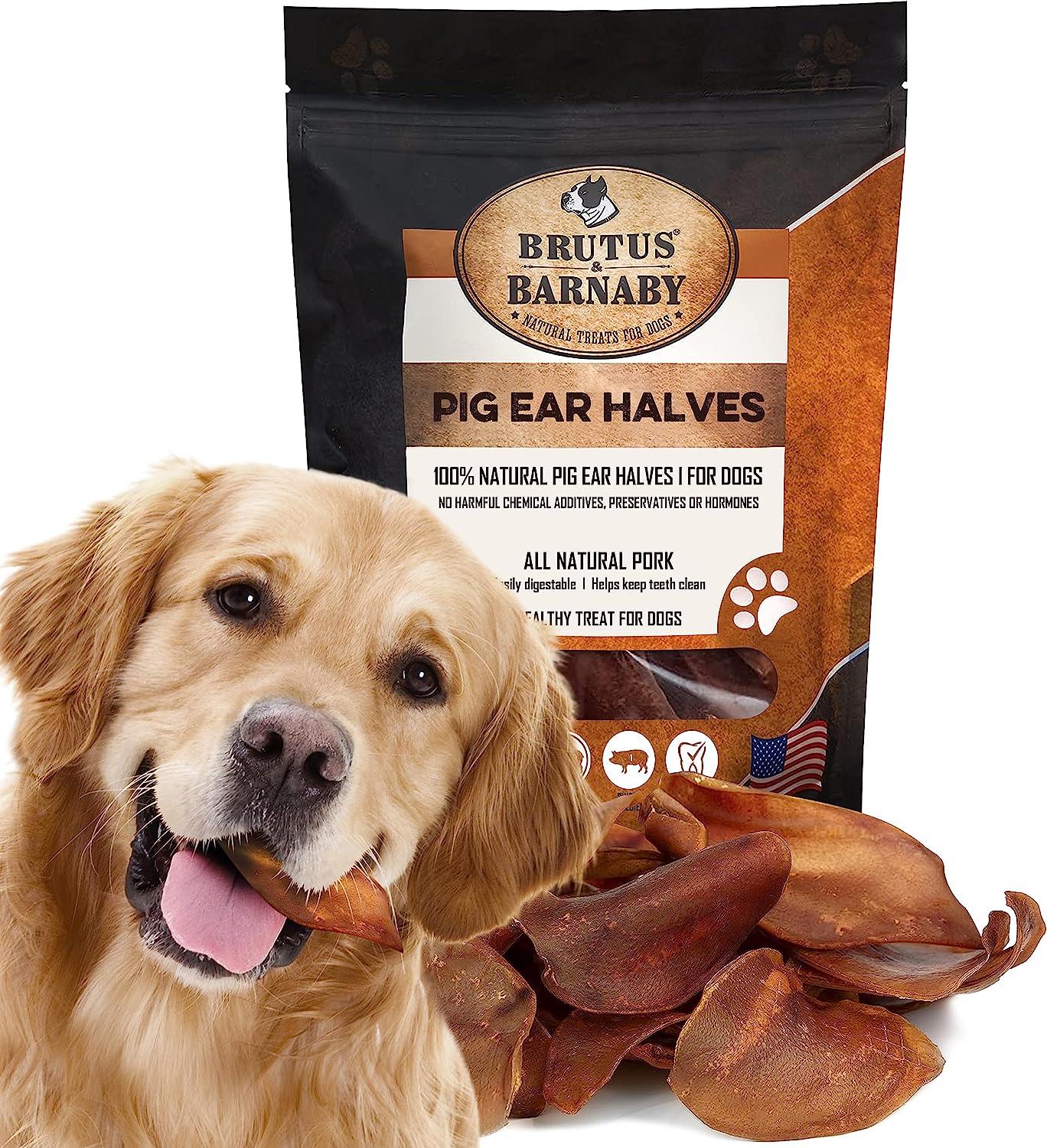
Pig Ear Halves
A half-ear format that may be easier to use for a shorter, more controlled session than a larger chew for an appropriately matched dog.
- Made from 100% pig ears
- Available in 15, 40, and 100-count options
- Single-ingredient, rawhide-free chew
- Supervise and remove small pieces
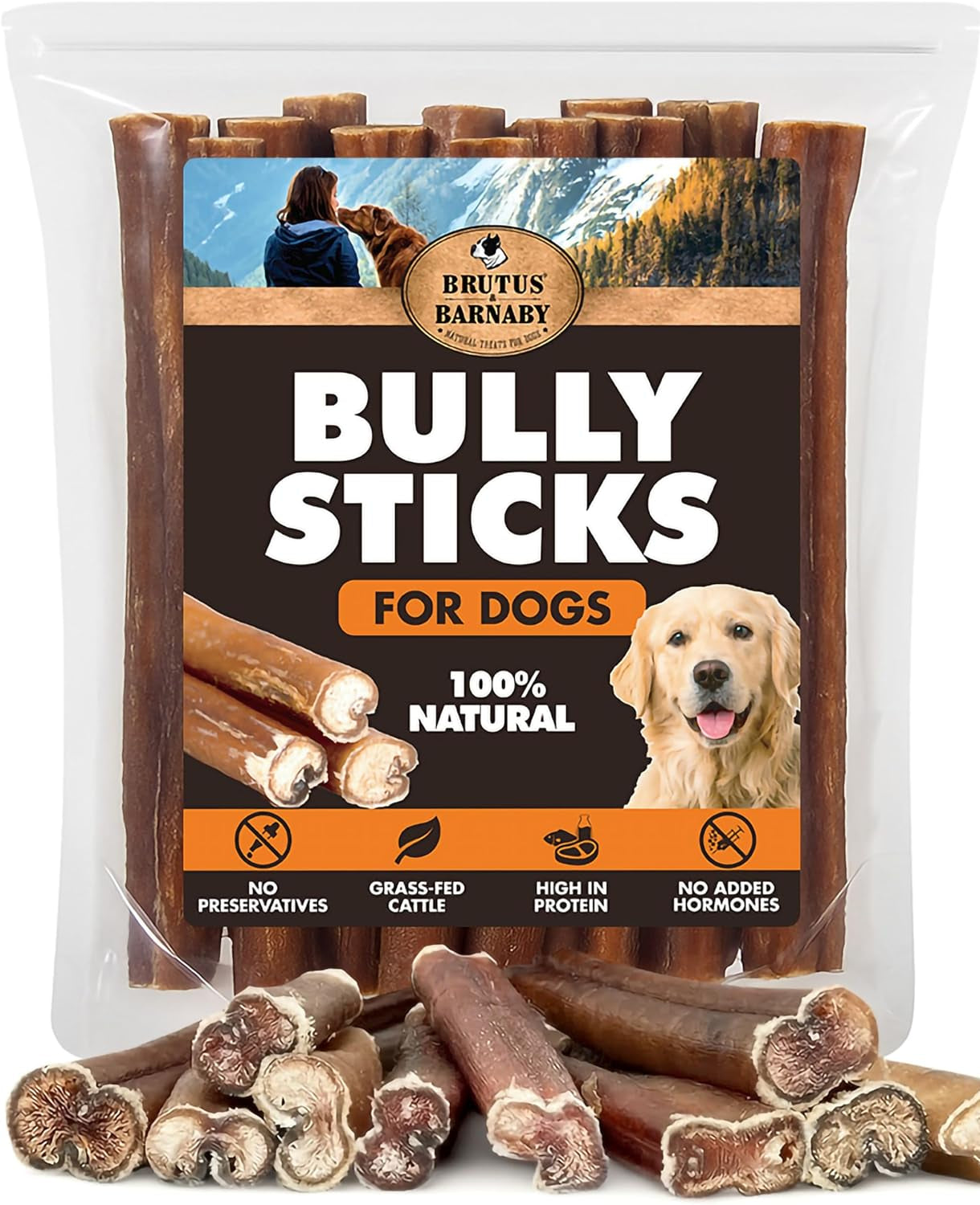
6-Inch Bully Sticks
A single-ingredient beef chew for dogs that settle and chew steadily in a supervised location.
- 100% grass-fed beef
- Six-inch format
- Rawhide-free and single ingredient
- Remove before the final end can be swallowed
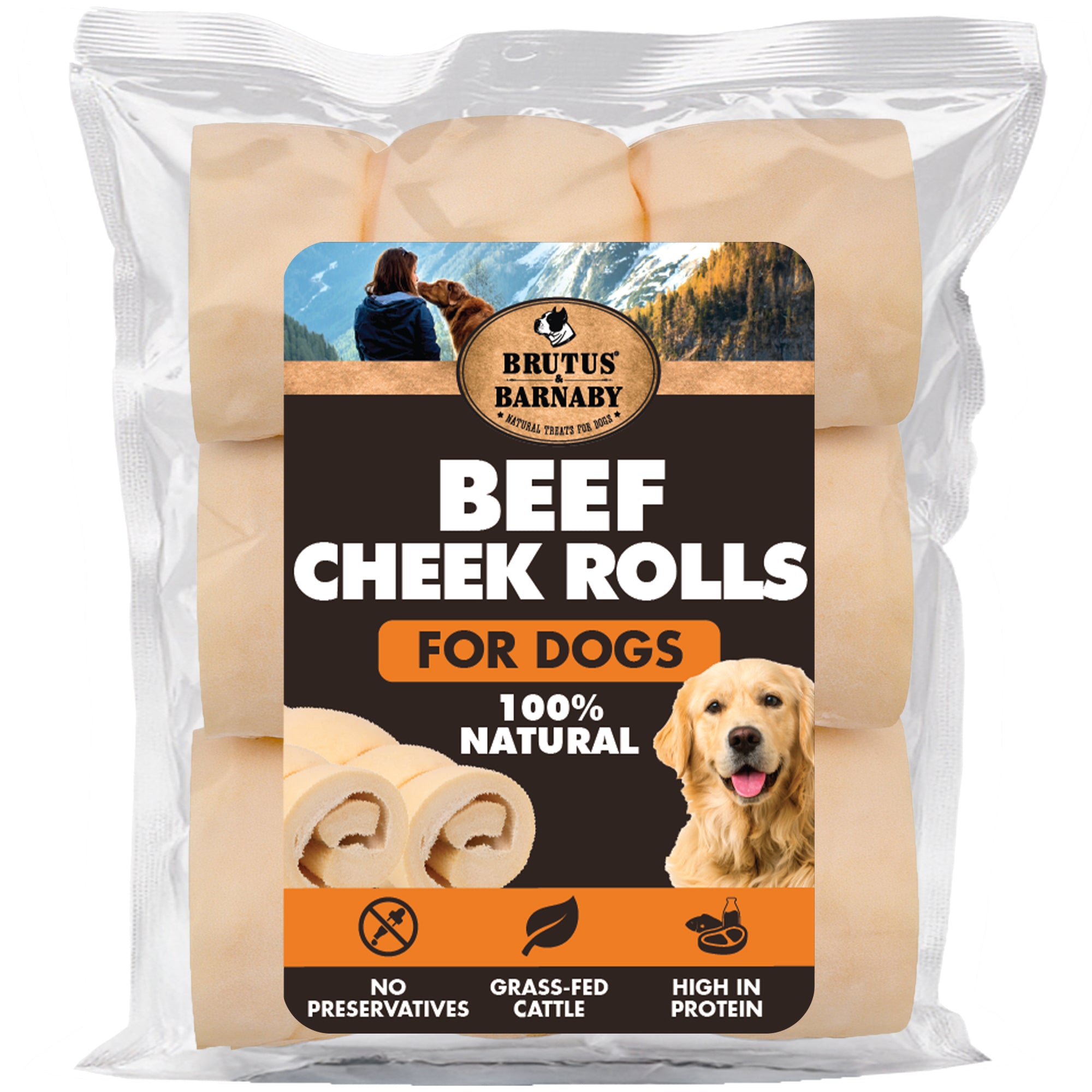
Original Beef Cheek Rolls
A denser single-ingredient option for appropriately sized dogs that chew deliberately rather than carrying, hiding, or gulping.
- Made from 100% beef cheek
- 5–7 inch and 10–12 inch variants
- Available in multiple pack sizes
- Supervise and remove unsafe fragments or ends
How to Reduce Treat Burying Without Punishment
Limit access to the yard during edible chew time
Use doors, gates, leashes, or a dedicated indoor chew station so carrying the item outside is not repeatedly rehearsed.
Offer one suitable chew at a time
A pile of options can create surplus and make caching more likely. Keep the rest stored securely and offer another only after the first session is over.
Choose a time when the dog is likely to chew
Avoid routinely presenting a substantial edible chew when the dog is already full, distracted, preparing to sleep, or unable to settle.
Reinforce calm chewing in the approved area
Quiet praise, relaxed proximity when welcomed, and a consistent location can help the dog learn where chew sessions happen. Do not crowd or repeatedly touch the dog or chew.
End the session before hiding begins
If you notice searching, pacing, door-scratching, or attempts to relocate the chew, use a calm trade-up and store or discard the remainder as appropriate.
Give digging a separate, non-food outlet
Use supervised toy searches, scent games, a digging pit, or other enrichment. Keeping digging and edible-chew storage separate makes cleanup and safety easier.
When Burying May Point to Stress, Pain, or Illness
A long-standing habit in an otherwise comfortable dog is different from a sudden change. Contact your veterinarian when treat hiding appears alongside any of the following:
- Reduced interest in meals or treats that the dog previously ate
- Dropping food, chewing on one side, pawing at the mouth, bad breath, bleeding gums, or visible dental damage
- Vomiting, diarrhea, abdominal discomfort, excessive drooling, repeated swallowing, or nausea-like behavior
- Weight loss, lethargy, increased thirst, or another unexplained physical change
- New pacing, trembling, hiding, panic, sleep disruption, or inability to settle
- Compulsive digging, injured paws or nose, escape attempts, or major yard destruction
- Sudden behavior changes in a puppy, senior dog, or dog taking medication
Do not diagnose the cause from the burying behavior alone. A veterinarian can assess appetite, teeth, mouth, digestion, pain, and other medical factors. A qualified reward-based behavior professional can help when the dog is healthy but the pattern is driven by fear, conflict, or compulsive behavior.
What If the Dog Guards the Buried Treat or the Hole?
A hidden chew can remain valuable even after it is covered. A dog may freeze, stare, hover, block access, growl, snap, or charge when a person or another animal approaches the burial site.
Manage the Area First
Keep other dogs, children, and visitors away from the site. Retrieve and discard the item only when the dog is securely separated and the area is safe to approach.
Practice Trading Elsewhere
Build trade-up skills with low-value objects in a calm environment. Do not begin training at the guarded hole or with the dog’s most valuable chew.
Remember the Treat-Calorie Budget
Burying often happens when a dog has a surplus, so review the entire day rather than looking only at one chew. A commonly used veterinary guideline is that roughly 90% of daily calories should come from complete and balanced food and no more than about 10% from treats, chews, toppers, and other extras. Individual dogs may need a lower allowance based on weight, health, medication, or a therapeutic diet.
Build a Cleaner, Safer Treat Routine
Behavior, Storage, and Safety Resources
These resources provide additional guidance on canine caching behavior, normal versus excessive digging, food guarding, and proper pet-treat storage.
Dog Treat-Burying FAQ
Why does my dog bury a treat immediately after I give it?
The dog may see it as valuable but not want to consume it yet. They may be full, excited, seeking privacy, expecting competition, or enjoying the act of caching. Look at timing and body language rather than assuming the dog dislikes the treat.
Can my dog eat a bully stick or ear chew after digging it up?
It is safer to discard an edible chew that has been buried outdoors. Rinsing does not reliably remove everything the chew may have contacted, and you may not know how long it was exposed to soil, moisture, wildlife, feces, chemicals, or heat.
Does burying mean my dog is not hungry?
Sometimes. Dogs may cache surplus food when they are already satisfied, but hunger is not the only factor. Valuable-item excitement, digging instinct, competition, stress, and habit can also contribute.
How can I stop my dog from digging holes for treats?
Prevent yard access during edible chew time, supervise in a designated indoor area, offer one appropriate chew at a time, trade and store unfinished portions, and provide a separate digging pit or scent game using washable toys rather than food.
Should I punish my dog for burying food?
No. Punishment does not address the motivation and may increase anxiety, hiding, avoidance, or guarding. Use prevention, calm redirection, trade-up skills, and an approved digging outlet instead.
Why does my dog bury treats only when another dog is present?
The dog may be protecting a valuable resource from competition. Give chews in fully separate areas, keep the dogs apart after one finishes, collect every leftover, and reunite them only when no edible items remain.
When should I call a veterinarian about treat hiding?
Contact your veterinarian when the behavior is new or accompanies appetite loss, weight change, vomiting, diarrhea, drooling, mouth pain, broken teeth, difficulty chewing, lethargy, excessive thirst, or another physical or behavioral change.
Can I create a place where my dog is allowed to bury things?
Yes. A supervised sandbox or digging pit can provide an appropriate outlet. Hide washable toys rather than edible chews, keep the substrate clean, inspect the area for hazards, and secure it from wildlife when not in use.
Burying Can Be Normal—But Buried Food Is Not Safe Storage
Your dog may be following a natural urge to save something valuable, responding to surplus, looking for privacy, or simply enjoying the digging process. The best response is not punishment. Manage edible chews in a clean supervised area, remove leftovers, redirect digging toward toys, and investigate sudden or stressful changes.
Manage the Environment
Limit yard access during chew time and provide a predictable indoor station.
Discard, Don’t Rinse
Dispose of edible items that have been buried or exposed to unknown outdoor conditions.
Look Beyond the Hole
Ask a veterinarian about appetite, dental, digestive, pain, or behavior changes.
Choose a Chew That Fits the Dog, the Moment, and the Supervised Space
Explore natural chew formats for different dogs, then keep each session clean, closely supervised, and separate from outdoor digging.
Shop Natural Dog Chews