



Minimizing Choking Risks with Animal Ears & Chews
Animal ears and natural chews can be rewarding, enriching treats — but safe sizing, supervision, and timely removal are essential.
Animal ears and natural chews are some of the most rewarding treats you can give your dog. They encourage chewing, help reduce boredom, and can support a healthier chew routine.
But like any edible chew, they must be given correctly. A chew that is the wrong size, left unsupervised, or allowed to become too small can create a choking risk.
The good news is that most risk comes down to three things you can control: choosing the right size, watching your dog’s chewing behavior, and removing small end pieces before they can be swallowed.
Are Dog Treats a Choking Hazard?
Yes — any dog treat can become a choking hazard if it is too small, swallowed too quickly, or given without supervision. This is true for natural chews, training treats, bones, ears, bully sticks, and any edible reward.
The risk is not just about the treat itself. It is about your dog’s size, chewing style, speed, guarding behavior, and whether you are able to step in before a small piece is swallowed.
Choking Risk Increases When
What Helps Reduce Risk
Quick answer: yes, dog treats can be a choking hazard. The safest routine is proper sizing, active supervision, and removing the chew before it becomes swallow-sized.
Why Animal Ears & Natural Chews Need Attention
Treats like Pig Ears and Cow Ears are natural, satisfying chews, but they soften as dogs chew. As they soften, pieces can become easier to tear off or swallow quickly.
The end of a chew session is often the highest-risk moment because the chew is smaller, softer, and more tempting for fast eaters to gulp.
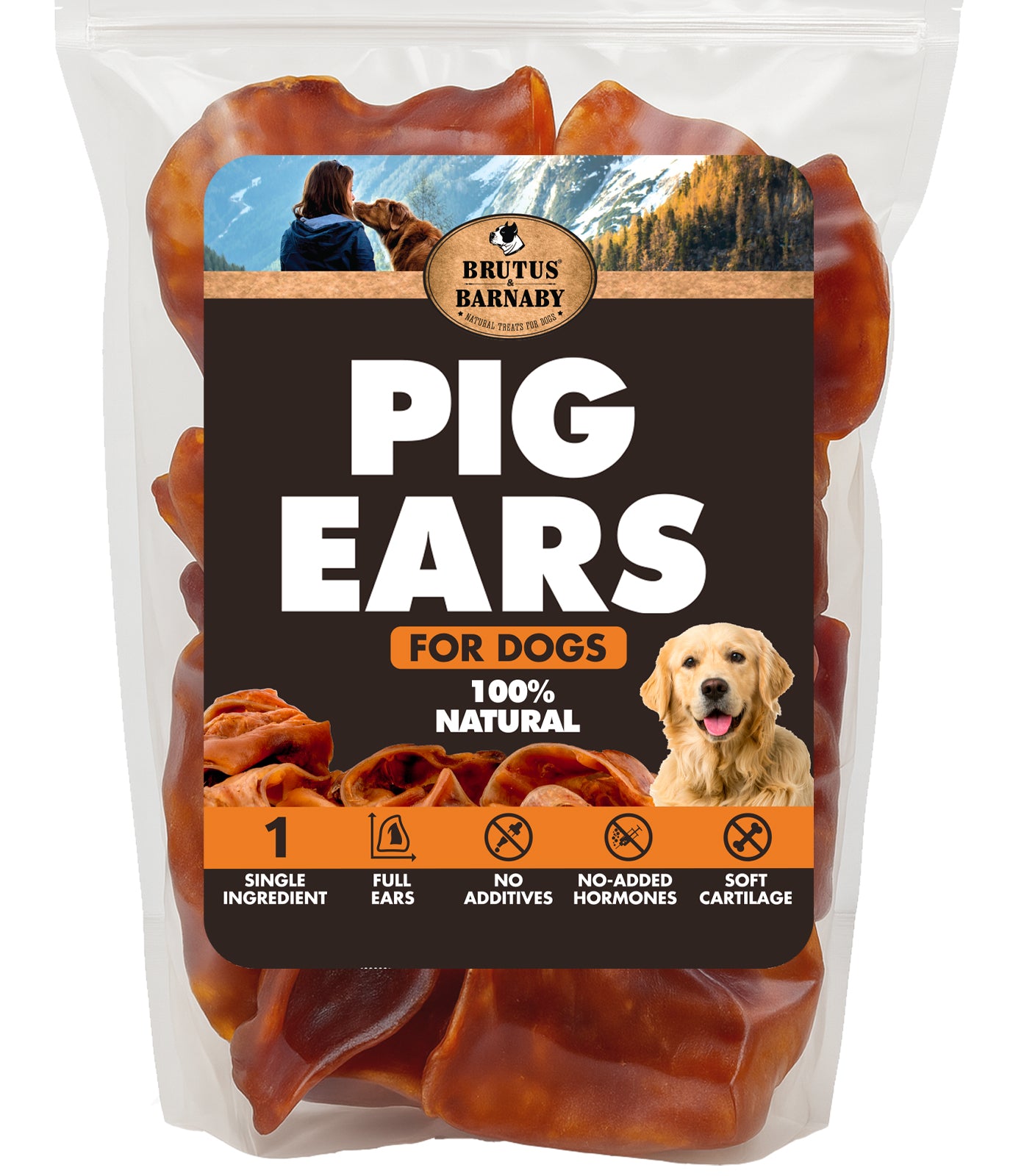
Pig Ears
A crunchy, satisfying natural chew for supervised treat time and calm chew sessions.
Shop Pig Ears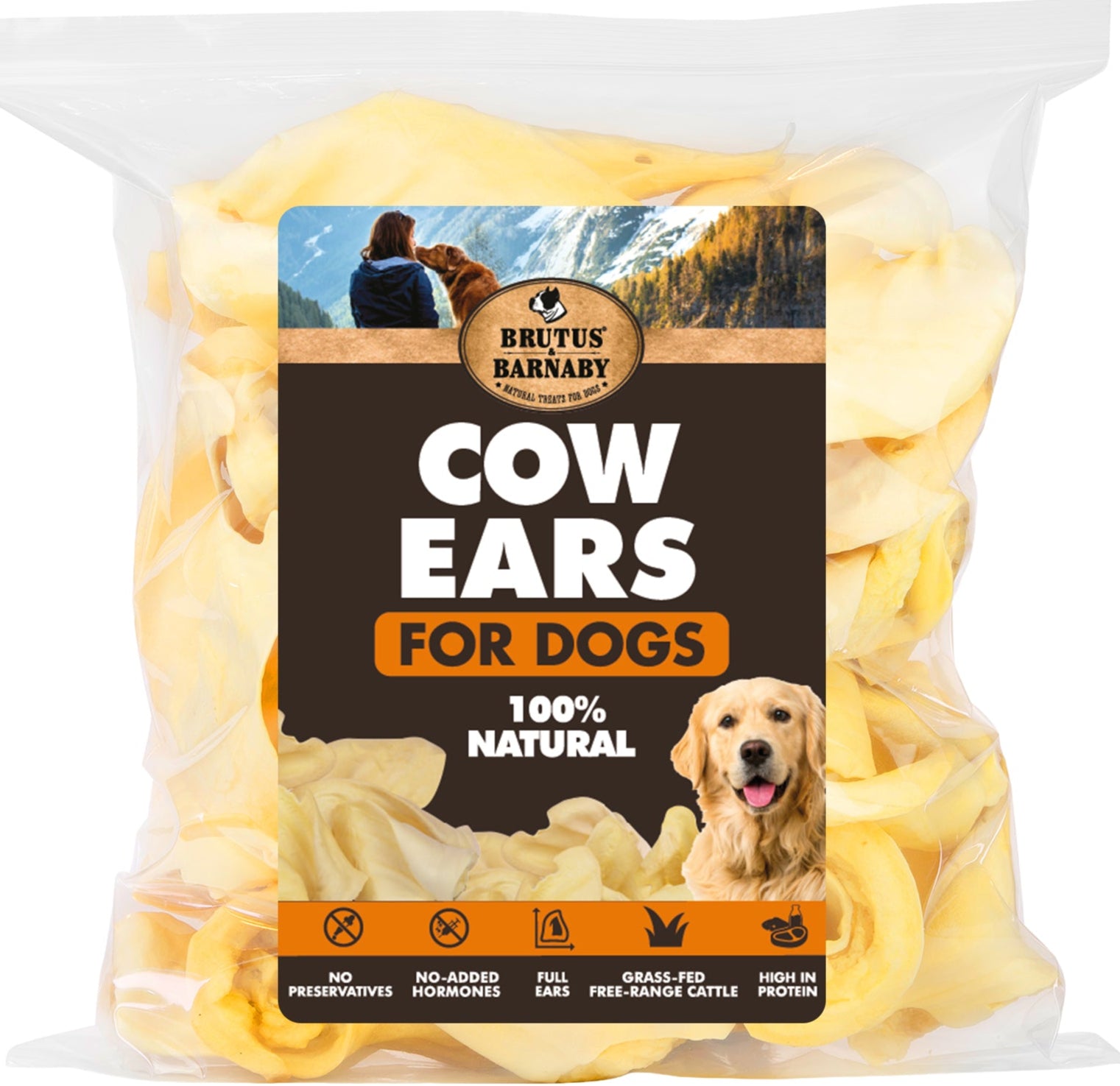
Cow Ears
A lighter natural chew for dogs who need crunchy satisfaction without a dense long-lasting roll.
Shop Cow Ears1. Choose the Right Size for Your Dog
The most important rule is simple: always size up, not down. If a treat can fit entirely in your dog’s mouth, it is too small for safe chew time.
Sizing rule: if your dog can fit the entire chew in their mouth, choose a larger option.
2. Supervise Every Chew Session
Never leave your dog alone with long-lasting chews, especially if the chew is new, the dog is a gulper, or the dog tends to bite off large pieces.
Supervision allows you to step in if a piece breaks off, remove small leftover fragments, and learn whether your dog is a careful chewer or a fast swallower.
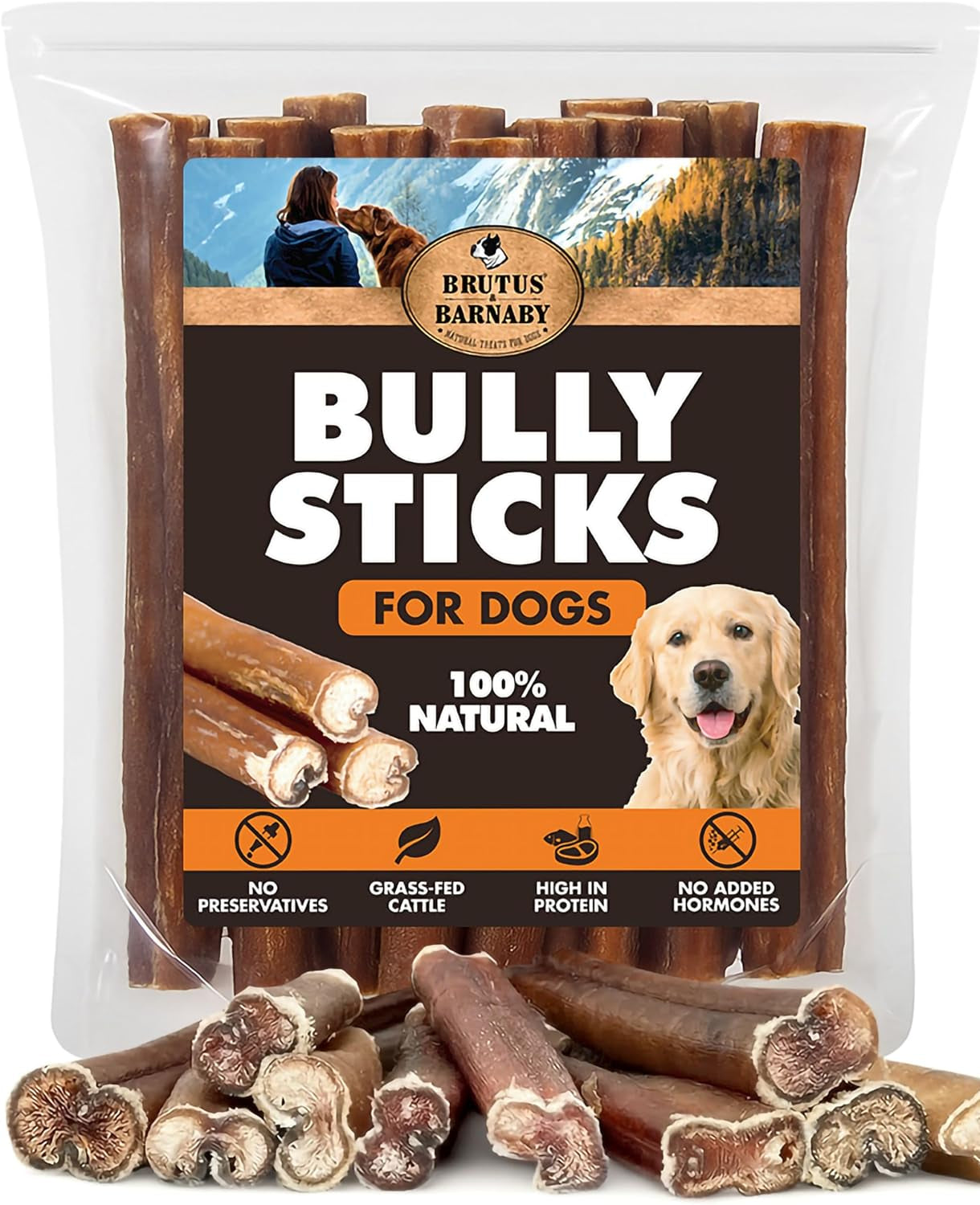
Natural Bully Sticks
A satisfying rawhide-free chew for dogs who need focused chew time and supervised enrichment.
- Long chew time
- Keeps dogs busy
- Rawhide-free option
- Best with supervision
Supervision rule: every edible chew should be watched from start to finish, especially when your dog is new to that product.
3. Remove Small End Pieces
As chews get smaller, they become more dangerous. A chew that started out large and safe can become a swallow-sized piece near the end of the session.
The safest habit is to remove the chew before it becomes small enough to swallow whole. Trade it for a small reward instead of grabbing it suddenly, especially if your dog tends to guard treats.
4. Slow Down Fast Chewers
Some dogs try to gulp instead of chew. These dogs need extra management because they may rush through softer chews, swallow pieces early, or guard the treat and try to finish it faster.
To slow them down, hold one end of the chew during the training phase, use a chew holder designed for that chew type, or offer thicker, longer-lasting options that encourage slower gnawing.
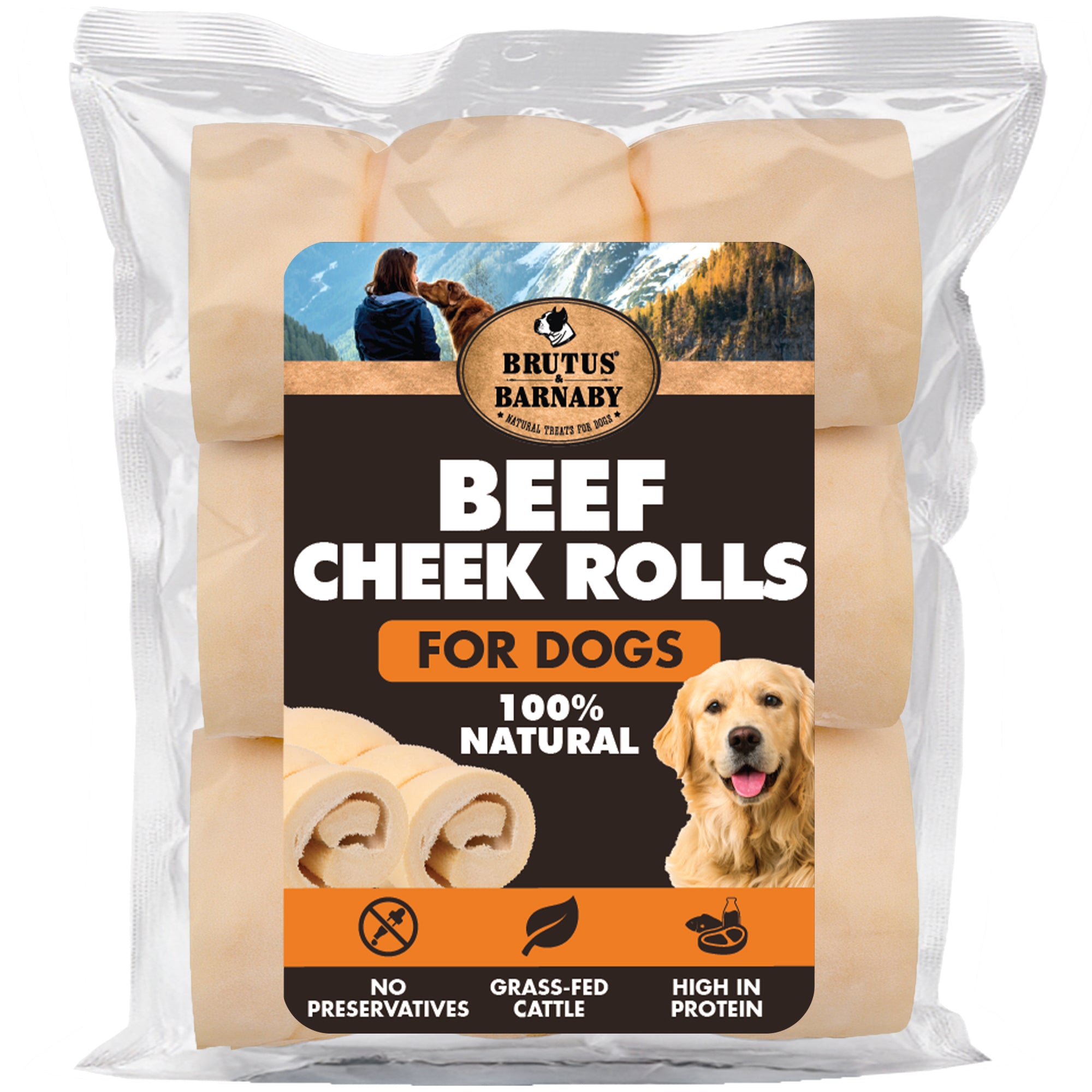
Beef Cheek Rolls
A dense, long-lasting chew for strong chewers who need a serious rawhide-free outlet.
- Long chew time
- Great for strong chewers
- Rawhide-free option
- Supervised enrichment
5. Match Chew Type to Chewing Style
Every dog chews differently. A chew that works perfectly for a gentle chewer may be too easy for a power chewer, while a dense chew may be too much for a senior dog or a dog with dental issues.
Giving the wrong type of chew can increase breakage, fast swallowing, and frustration. Match the chew to the dog — not just to the product’s popularity.
6. Avoid Overly Brittle or Processed Treats
Highly processed or overly brittle treats can break unpredictably, crack into sharp pieces, or become difficult to manage during chew time. Natural, appropriately sized, single-ingredient options are often easier to evaluate because you know exactly what your dog is chewing.
That said, natural does not automatically mean risk-free. Even simple chews still need supervision, gradual introduction, and proper sizing.
Does Chewing Prevent Choking?
Chewing is natural and beneficial because it encourages dogs to break food and treats down before swallowing. But chewing does not eliminate choking risk.
If a dog tries to swallow too quickly, gets a large piece loose, or is not supervised, choking can still happen. Safe chew practices matter more than assuming chewing alone will protect your dog.
Important: chewing helps, but supervision, sizing, and removing small pieces are what reduce risk most.
Signs Your Dog May Be at Risk
Your dog may need extra caution with chews if they show any of these behaviors. These are signs to step in, remove the chew safely, and rethink chew size or type.
Frequently Asked Questions
The Bottom Line
Animal ears and natural chews can be safe, satisfying, and enriching when used correctly. The safest routine is simple: choose the right size, supervise every session, remove small pieces, and match the chew to your dog’s chewing style.
No edible chew is completely risk-free, but careful habits make chew time much safer. Pig Ears, Cow Ears, Bully Sticks, and Beef Cheek Rolls can all fit different chewing needs when they are sized properly and offered with active supervision.
Choose Chews That Fit Your Dog
Shop natural chews, animal ears, and long-lasting rewards that match your dog’s size, chewing style, and routine.
Shop Dog Chews & Treats```