



Why Digestibility Matters in Dog Treats
Ingredients matter, but so does how well your dog can actually break down and tolerate the treat.
When choosing dog treats, most owners focus on ingredients, flavor, or price. But one factor matters just as much: digestibility.
Digestibility describes how well your dog can break down, absorb, and use what they eat. A treat may look healthy on the label, but if it is too rich, too processed, too hard, or packed with fillers your dog does not tolerate well, it may cause gas, loose stool, or stomach discomfort.
The goal is not to find one “perfect” treat for every dog. The goal is to choose treats with simple ingredients, appropriate texture, and a format that fits your dog’s stomach, chewing style, size, and daily routine.
What Is Digestibility in Dog Treats?
Digestibility refers to how efficiently your dog can break down a treat and absorb usable nutrients from it. Highly digestible treats are typically easier for many dogs to tolerate, especially when they are made with simple, recognizable ingredients.
What They Usually Have
What to Watch For
Key point: “digestible” does not mean every dog will tolerate every treat. Protein sensitivity, portion size, chewing style, and health history still matter.
Why Digestibility Is Important
A dog treat should do more than taste good. The best treats fit your dog’s body, support a healthy routine, and do not create unnecessary digestive stress.
What Makes Dog Treats Highly Digestible?
Several factors influence digestibility, including the ingredient list, processing method, texture, portion size, and your dog’s individual tolerance.
Simple, Single Ingredients
Treats with fewer ingredients are easier to evaluate because you know exactly what your dog is eating. This is especially helpful for dogs with sensitive stomachs or suspected food sensitivities.
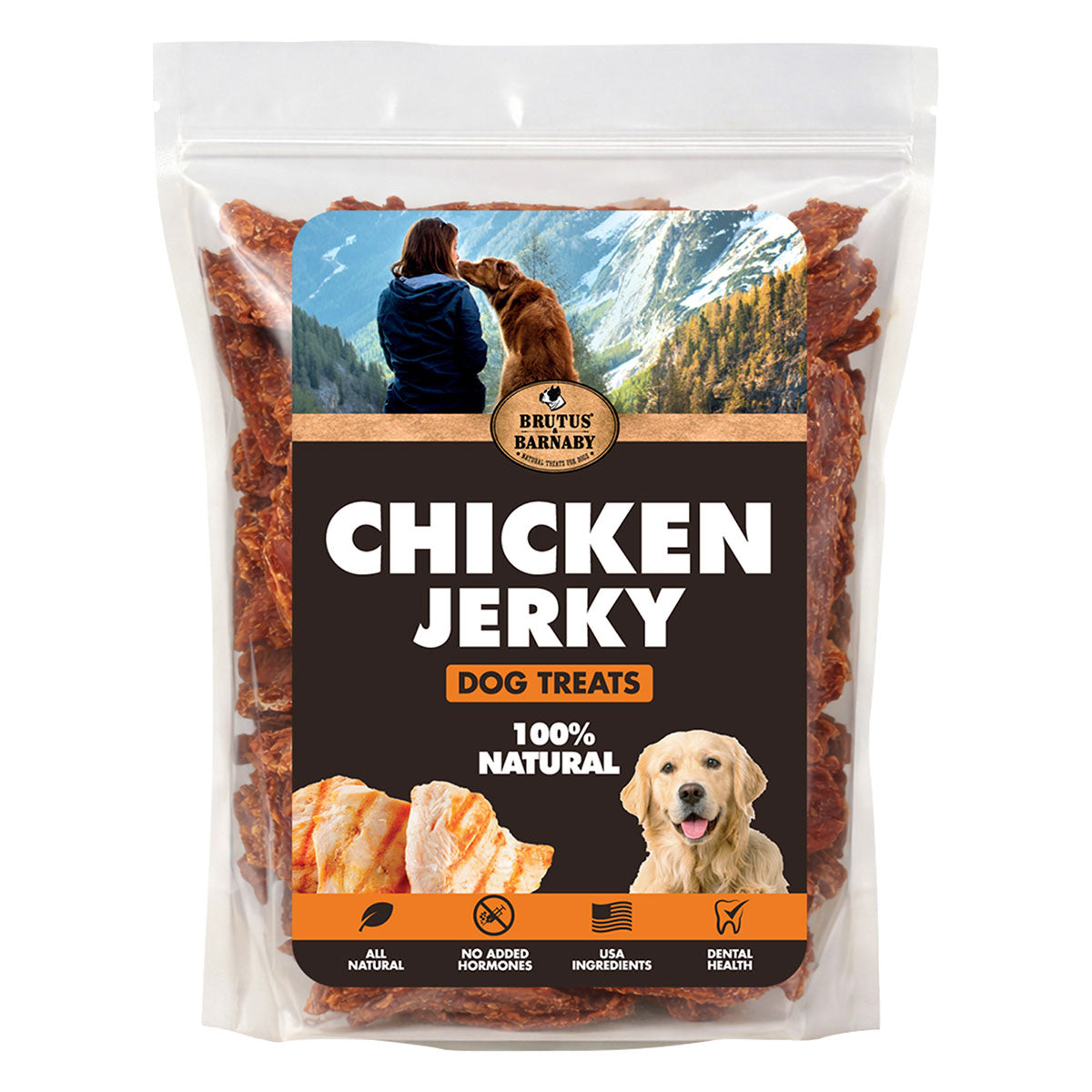
Chicken Jerky
A lean, breakable protein treat for dogs who tolerate chicken and need a high-value reward.
Shop Chicken Jerky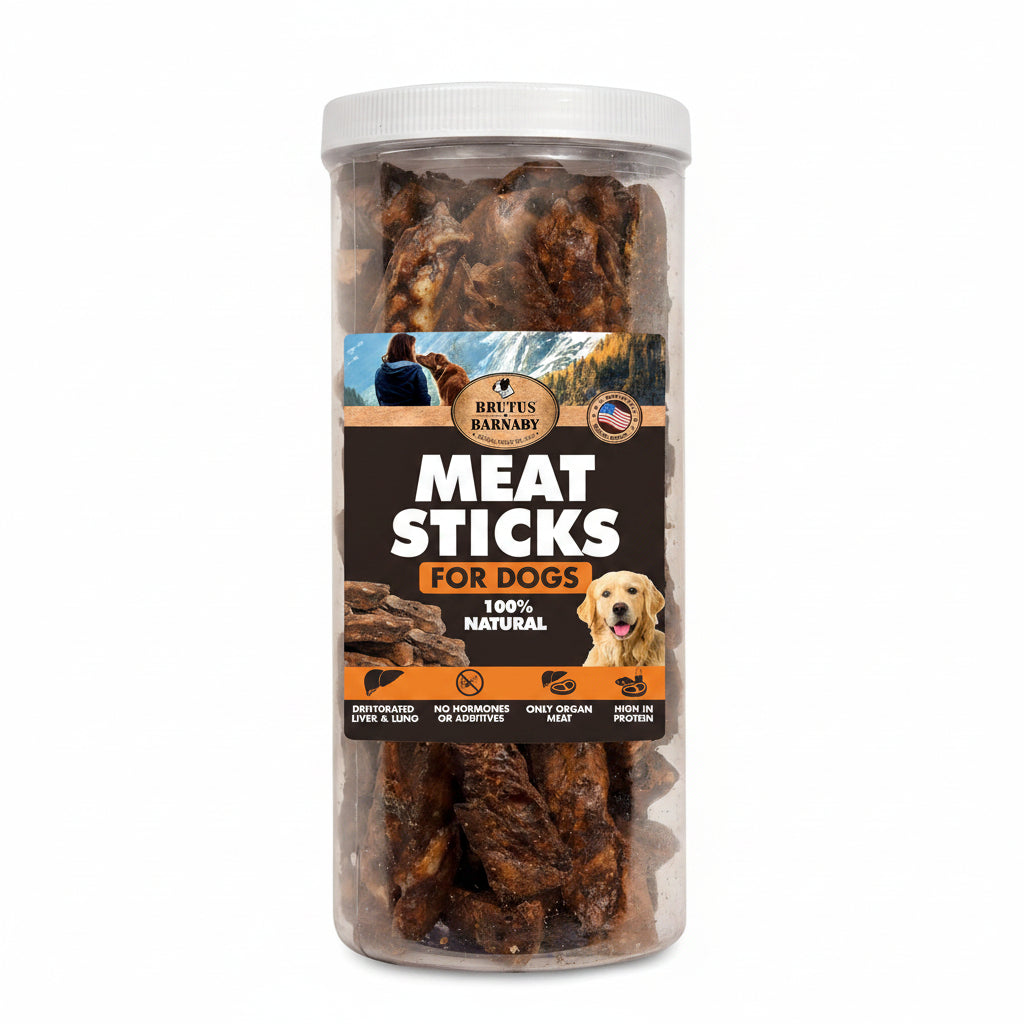
Beef Meat Sticks
A hearty beef-based reward for dogs who tolerate beef and need a satisfying protein snack.
Shop Beef Meat SticksMinimal Processing
Heavily processed treats may include extra fillers, colors, flavorings, or binders that some dogs do not tolerate well. Simpler dried or dehydrated treats are often easier to fit into a clean routine because they do not rely on long ingredient lists.
No Unnecessary Fillers or Additives
Artificial colors, unnecessary fillers, and heavily flavored snacks can make it harder to know what your dog is reacting to. If your dog has a sensitive stomach, start with cleaner ingredient panels and introduce new products one at a time.
Appropriate Texture
Texture matters too. Very hard chews may be risky for some dogs’ teeth, while very rich chews may be too much for some stomachs. The right treat should match your dog’s chewing style, dental health, age, and tolerance.
What Are Easily Digestible Dog Treats?
Easily digestible treats are usually simple, easy to portion, and matched to your dog’s current diet. For one dog, that may be sweet potato. For another, it may be chicken, beef lung, or a small training treat.
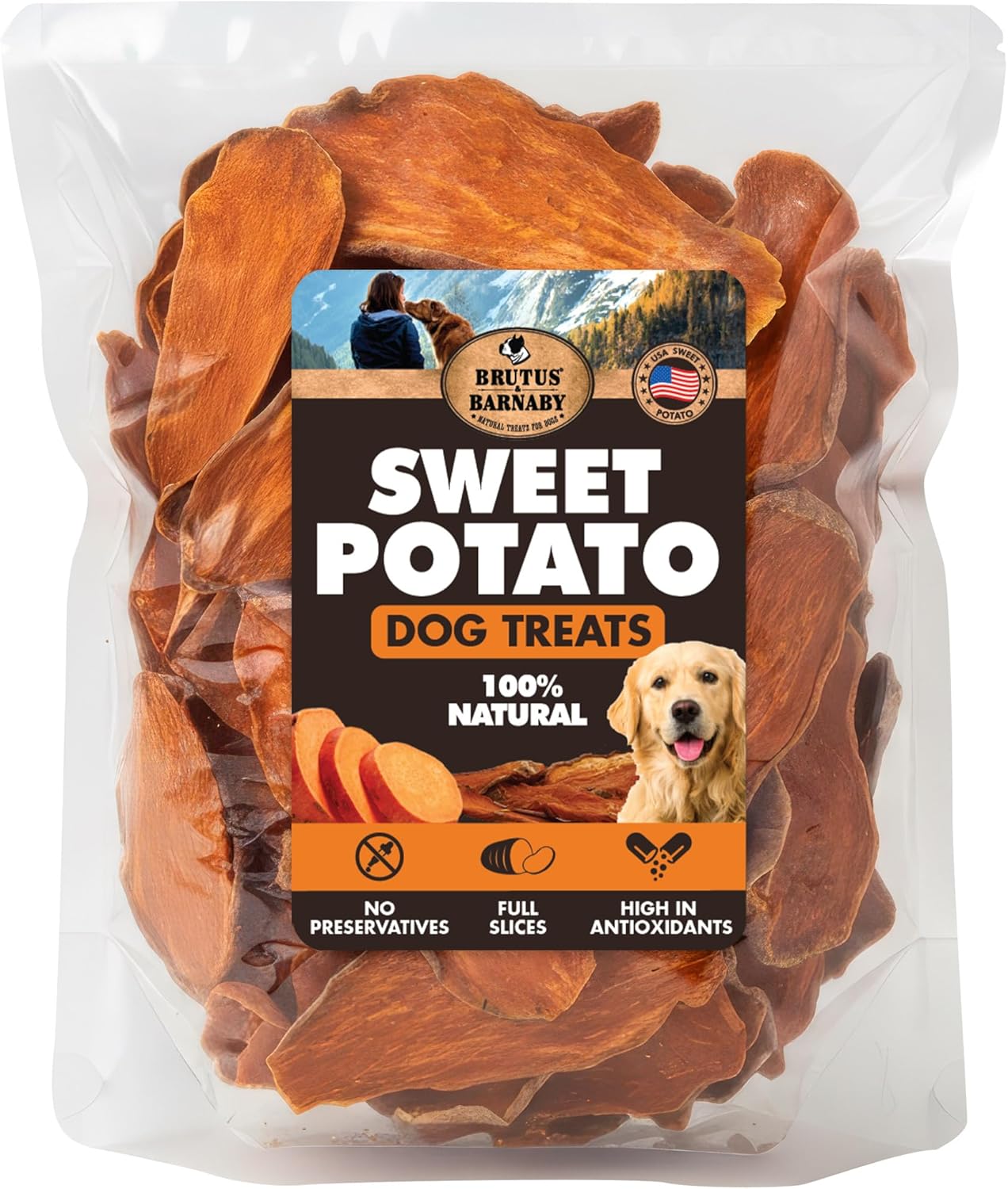
Sweet Potato Slices
A simple sweet potato treat for dogs who need a plant-based reward and tolerate sweet potato well.
- Simple sweet potato treat
- Gentle digestion
- Fiber-forward snack
- Easy to portion smaller
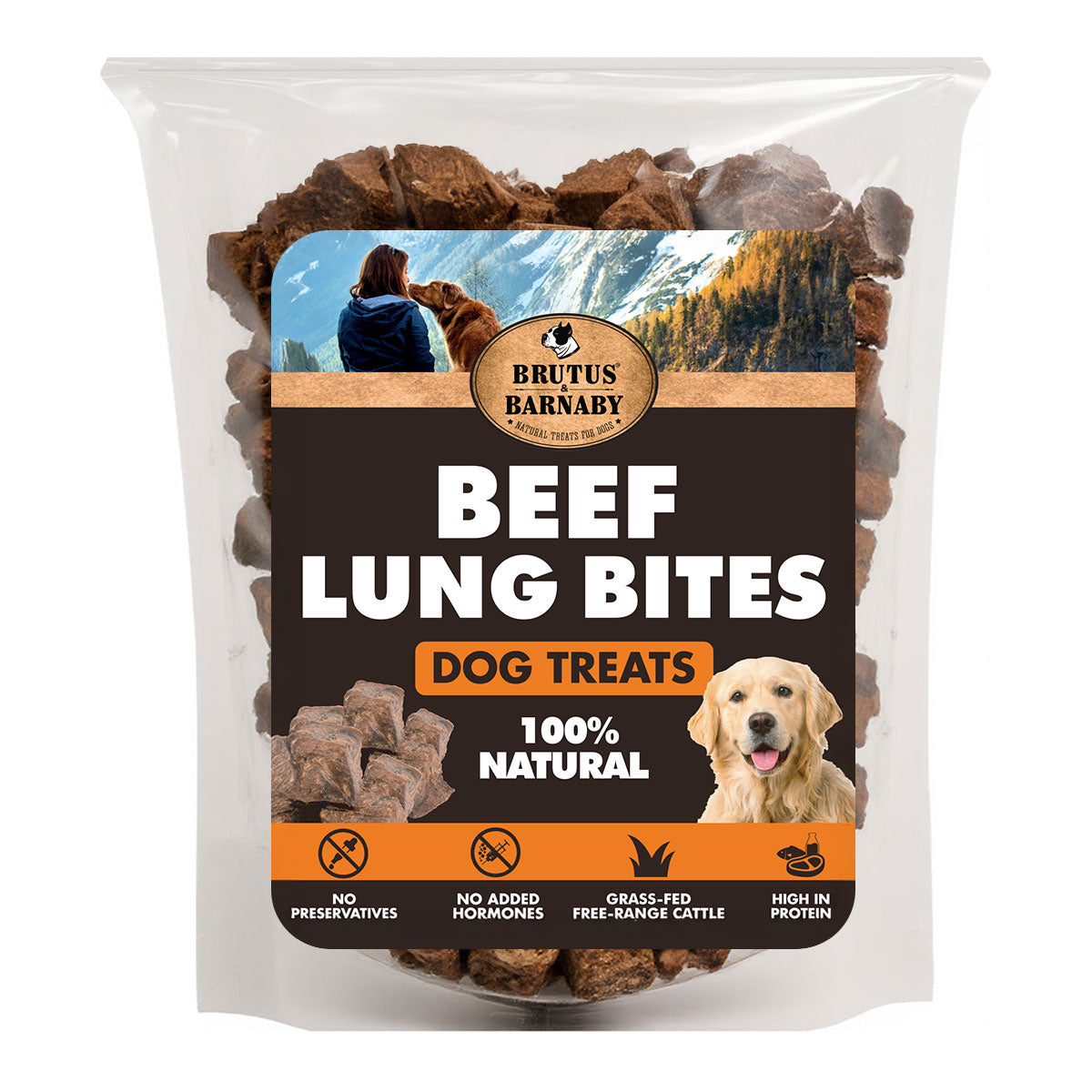
Beef Lung Bites
A light, airy protein treat for dogs who tolerate beef and need quick crunchy rewards.
Shop Beef Lung Bites
Peanut Butter Banana Training Treats
Small, soft rewards for training, routine reinforcement, and portion-controlled treating.
Shop Training TreatsWhere Do Bully Sticks and Cheek Rolls Fit?
Long-lasting chews like Natural Bully Sticks and Beef Cheek Rolls serve a different purpose than quick treats. They are best for supervised chewing, boredom relief, and enrichment — not rapid training rewards.
Because dense chews can be richer and longer-lasting, introduce them gradually. Start with a short session, monitor your dog’s stool and energy, and remove the chew once it becomes small enough to swallow.
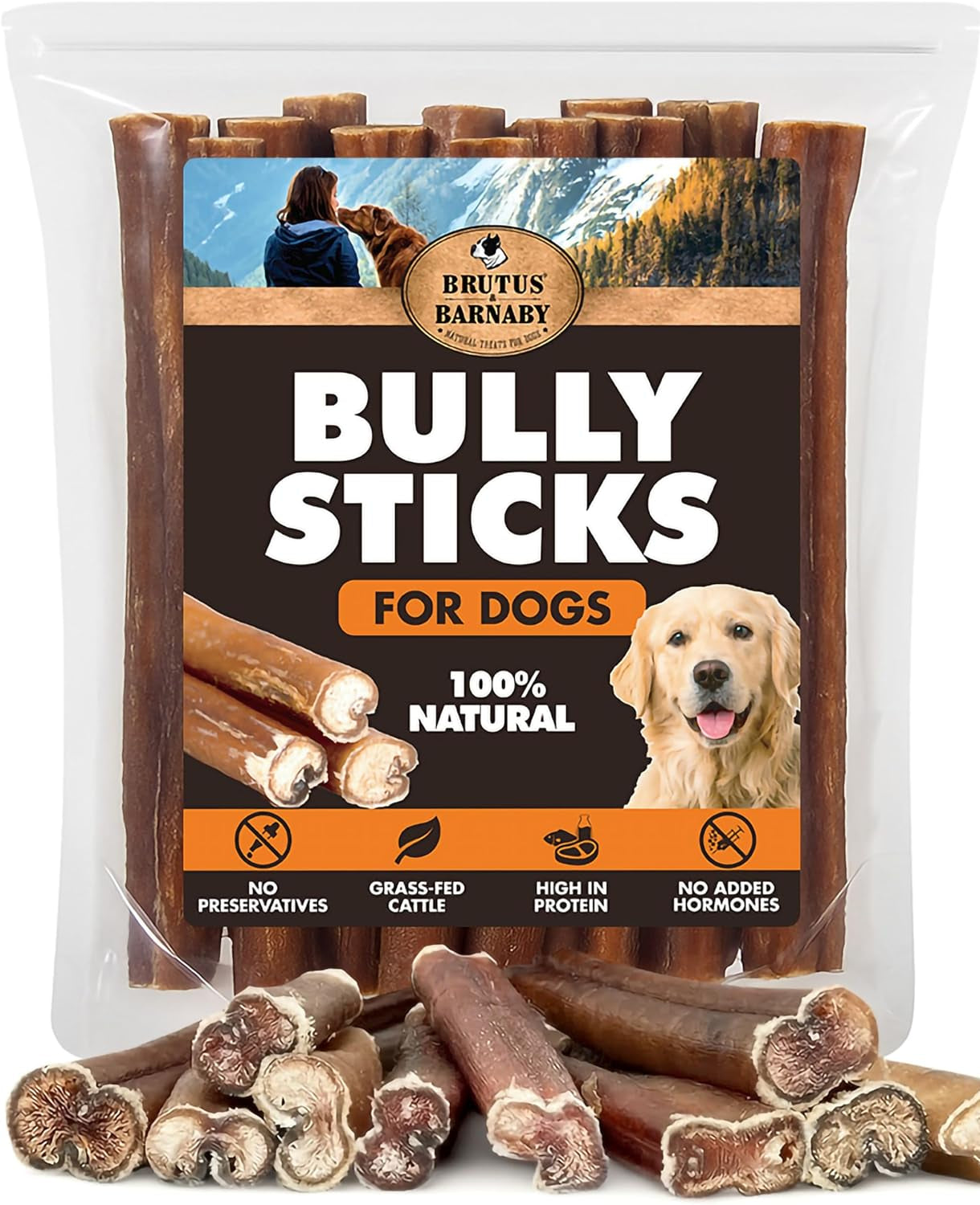
Natural Bully Sticks
A satisfying rawhide-free chew for dogs who need focused chew time and tolerate beef well.
Shop Bully Sticks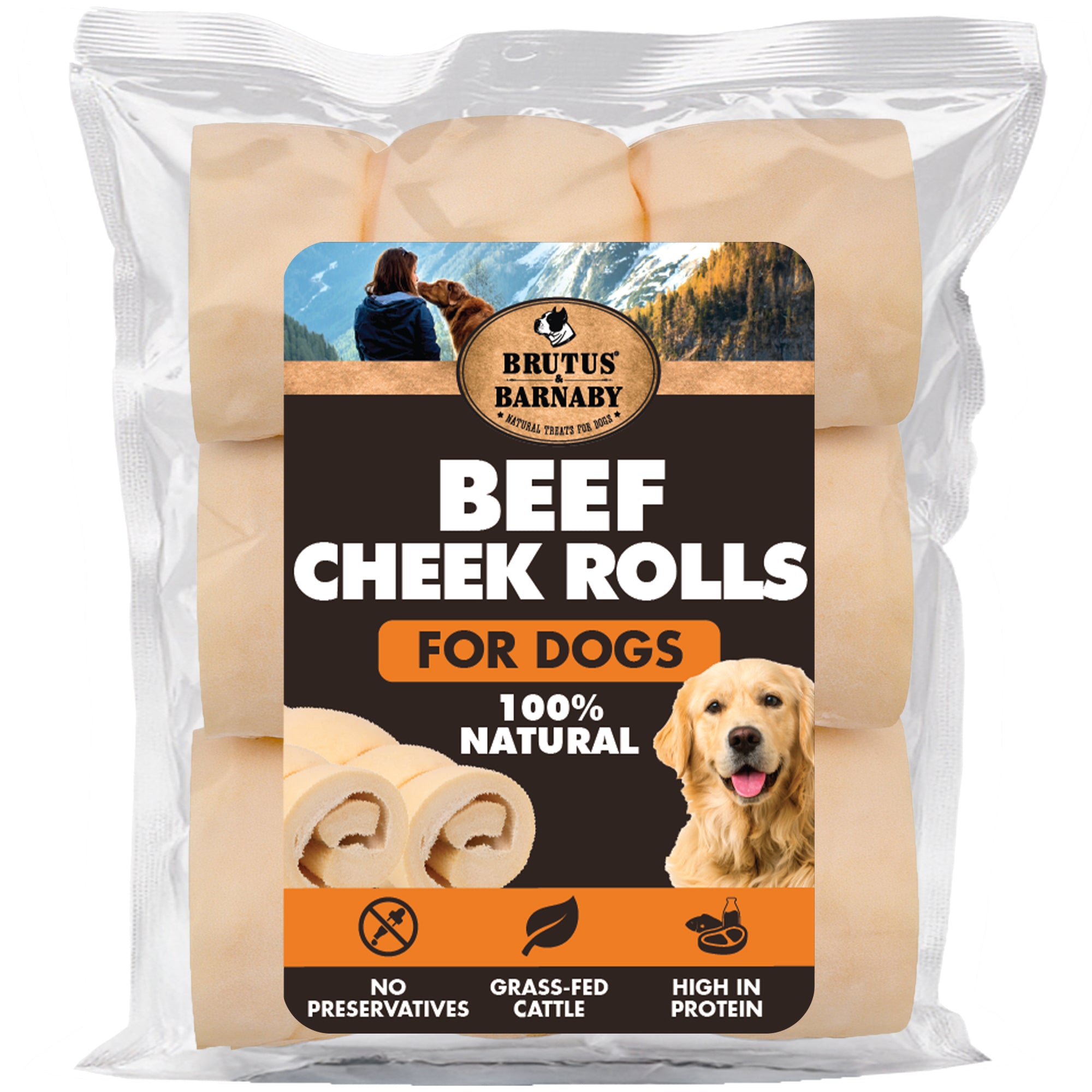
Beef Cheek Rolls
A dense, long-lasting chew for supervised enrichment, strong chewers, and rawhide-free routines.
Shop Beef Cheek RollsChew safety rule: long-lasting chews should be supervised, correctly sized, and removed once they become small enough to swallow.
What Is the “25% Rule” in Dog Food?
The “25% rule” refers to pet food naming regulations. In simple terms, a product name that uses an ingredient as a main descriptor may need to contain a certain percentage of that ingredient, excluding water used for processing.
But this rule is about labeling, not digestive tolerance. A product can meet a naming rule and still include ingredients, fillers, flavors, or textures that do not work well for your individual dog.
Label tip: do not judge a treat only by percentages or front-label claims. Read the full ingredient list and choose what fits your dog’s stomach.
Digestibility Comparison: What to Avoid
Lower-tolerance treats are often the ones with long ingredient lists, artificial flavors, added colors, extra fillers, or textures that are too hard, too rich, or too difficult for a specific dog to manage.
Frequently Asked Questions
The Bottom Line
Digestibility is one of the most overlooked but important factors in dog treats. A treat should be more than exciting — it should fit your dog’s stomach, chewing style, daily calories, and overall routine.
When in doubt, keep it simple: fewer ingredients, recognizable sources, appropriate texture, and gradual introduction. Sweet Potato Slices, Chicken Jerky, Beef Meat Sticks, Beef Lung Bites, Training Treats, Natural Bully Sticks, and Beef Cheek Rolls can all fit different needs when matched to the right dog.
Choose Treats That Fit Your Dog
Shop simple treats, rawhide-free chews, and high-value rewards that match your dog’s chewing style, stomach, and routine.
Shop Digestible Dog Treats```