


Why Do Dogs Lick Their Food but Refuse to Eat It? Texture and Flavor Preferences Explained
When your dog sniffs or licks dinner but leaves the bowl untouched, texture, smell, routine, or discomfort may play a role. Learn what to observe, which gentle adjustments to try, and when to call your veterinarian.
A dog who licks food but will not eat it may be curious about its smell or taste without wanting to chew or swallow it. Changes in texture, aroma, meal timing, and treat habits can affect interest. But mouth pain, nausea, or other illness can look similar. If this is sudden, persistent, or accompanied by other symptoms, contact your veterinarian rather than assuming fussiness.
Why Dogs Lick Food Without Eating It
Licking is not the same as having an appetite. Some dogs sample a little gravy or surface flavor, then reject the kibble beneath it. Others approach their bowl enthusiastically but back away when chewing seems uncomfortable. Watch whether the change happens with every food or only one recipe or texture.
Try to identify what changed before adjusting the menu: a new bag of food, a different bowl, more treats, a noisy feeding spot, or unfamiliar consistency. VCA's guide to picky eaters emphasizes ruling out medical causes before treating poor appetite as a preference.
Simple rule: A dog who is otherwise well and selectively rejects one texture may have a preference; a dog who suddenly struggles to chew, swallow, or eat anything needs prompt veterinary advice.
Common Reasons Dogs Lick Their Food but Do Not Eat It
Match what you notice at the bowl with a possible explanation, then choose the least disruptive next step.
Food preference is only one possibility. VCA's overview of appetite loss explains that dogs may want to eat yet struggle with picking up, chewing, or swallowing food. Do not keep experimenting with toppings if these signs appear.
Small Flavor Changes for Dogs Who Still Want to Eat
If your veterinarian has ruled out illness and your dog regularly prefers certain flavors, a small topper can add variety while keeping their complete, balanced food as the main meal.

Dog Food Topper Beef Liver
A beef liver topper adds a different aroma and taste to your dog's regular food without changing the complete meal underneath.
- Sprinkle lightly over normal food
- Introduce gradually and track added calories
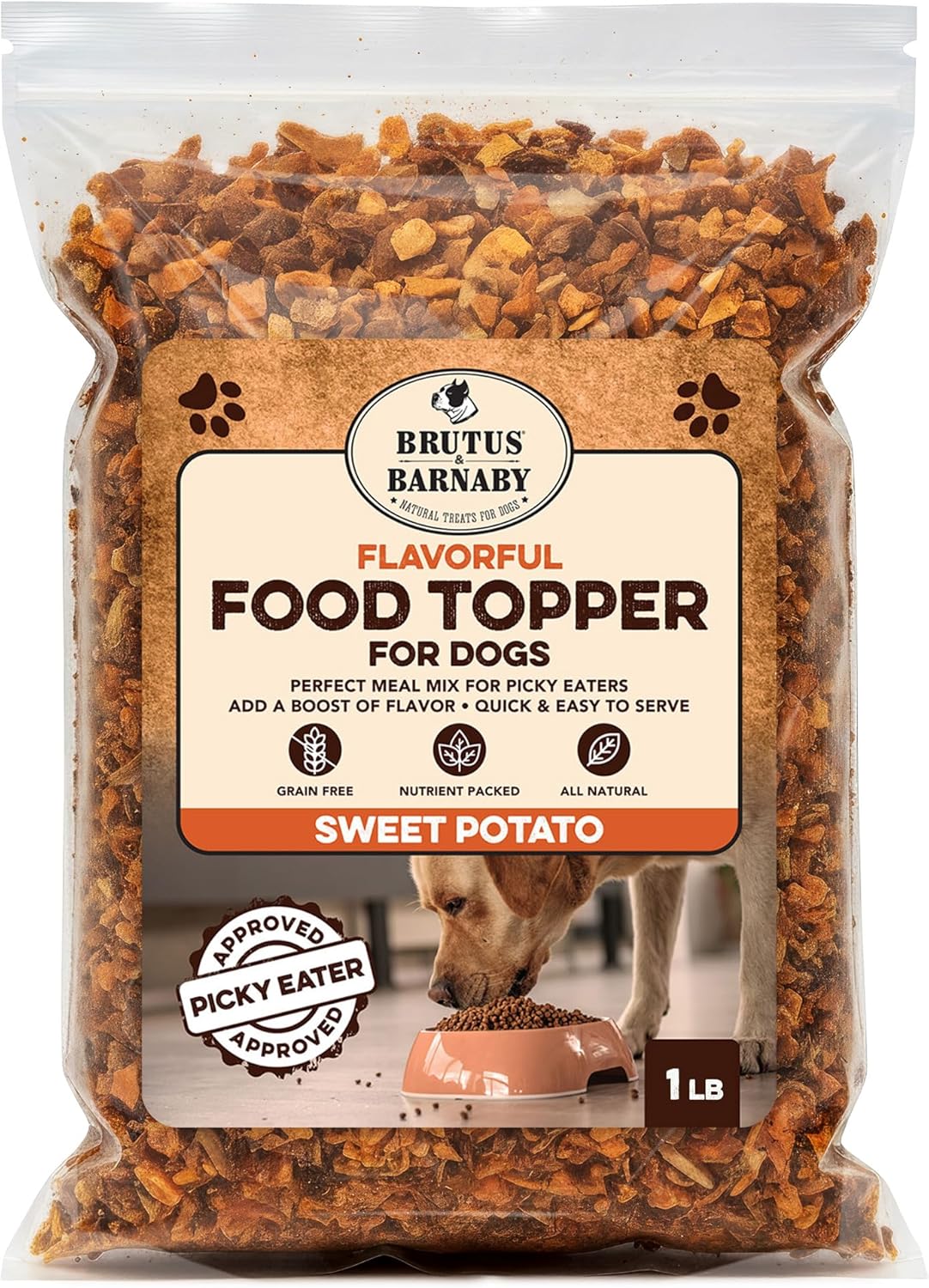
Dog Food Topper Sweet Potato
A sweet potato topper offers another flavor profile to try when your dog investigates dinner but seems less interested in the familiar bowl.
- Try a small amount first
- Keep the complete meal as the base
Texture Matters Just as Much as Flavor
A dog may lick a tasty coating but avoid the pieces underneath. Compare how your dog responds to softened kibble, the usual dry texture, and a small, safely prepared addition. Change only one variable at a time so you can tell what actually helps.
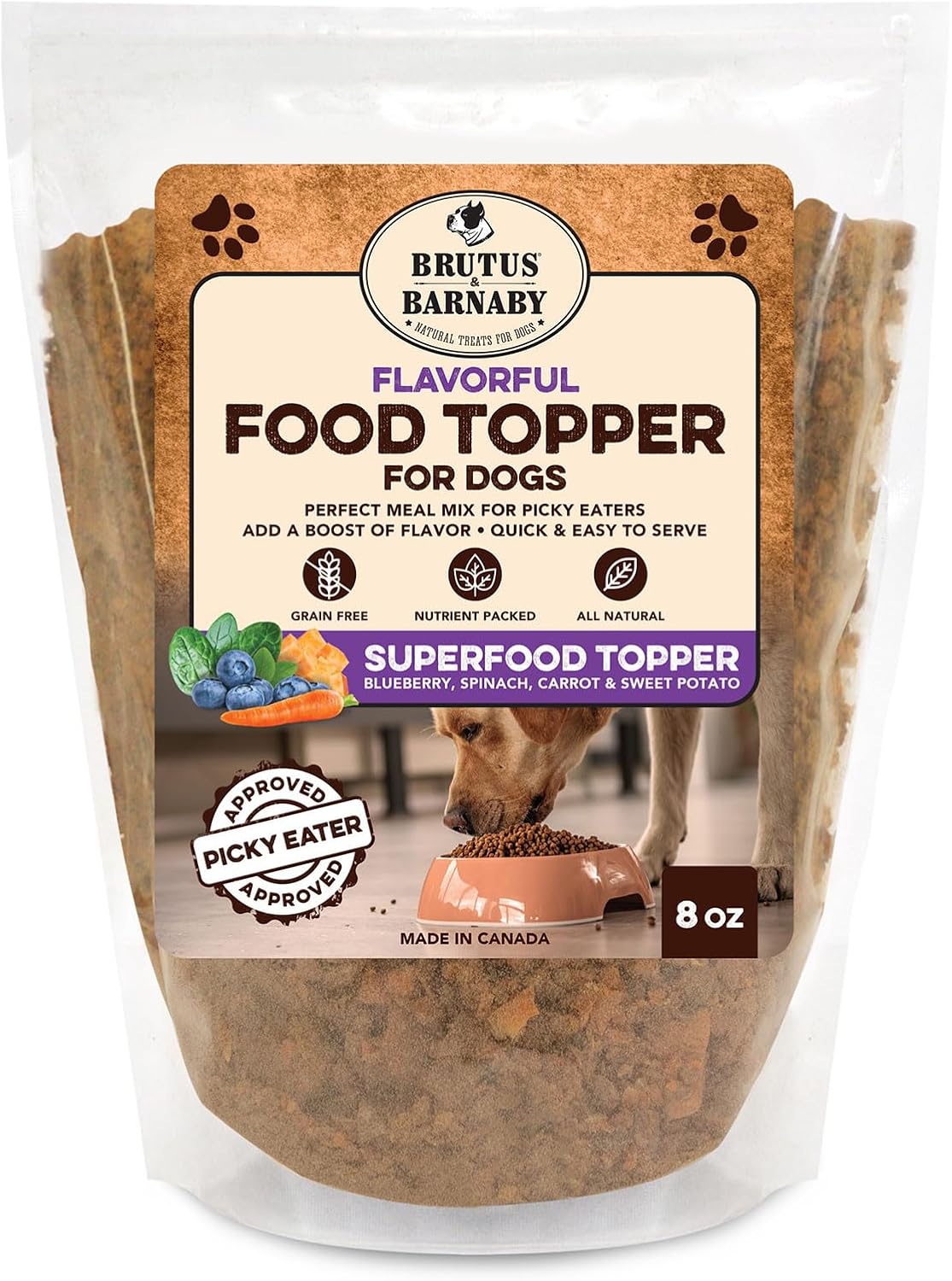
Dog Food Topper Superfood
This superfood topper provides a different mealtime flavor option for dogs whose interest varies with familiar food. Use a modest amount as an addition, not a replacement.
- Mix into the food they already eat
- Watch acceptance and stool changes
Try a Gentle Mealtime Adjustment
- Check that food is fresh and stored properly
- Try adding a small amount of warm water
- Offer appropriate textures without forcing food
Keep the Routine Predictable
- Feed in a quiet, consistent place
- Offer measured meals at regular times
- Avoid frequent extra snacks between meals
When Licking Food Could Signal a Health Concern
If a dog approaches the bowl and tries to eat but repeatedly drops food, yelps, drools unusually, chews on one side, or has difficulty swallowing, mouth or dental pain may be involved. Nausea and other illnesses can also suppress eating even when the smell seems appealing.
An abrupt appetite change deserves attention, especially with vomiting, diarrhea, weakness, bloating, or reduced water intake. Puppies, seniors, and dogs with existing conditions may need faster assessment. Veterinary guidance on appetite loss describes why apparent interest in food does not rule out a medical issue.
A Simple Step-by-Step Mealtime Check
Use these steps only when your dog seems otherwise comfortable and your veterinarian has not advised a medical diet or urgent assessment. If food refusal is sudden or your dog seems unwell, seek professional guidance first.
Safety note: Do not force-feed or repeatedly switch foods to overcome an unexplained appetite change. Seek urgent veterinary advice for repeated vomiting, abdominal swelling, marked lethargy, trouble swallowing, or suspected obstruction.
Frequently Asked Questions
Make Mealtime More Appealing, One Small Change at a Time
When your dog is healthy but fussy about familiar flavors, start with the food they already eat and make only a modest adjustment. Explore Brutus & Barnaby toppers as optional additions to a consistent mealtime routine.
Explore Dog Food Toppers