



Best Treats for a Grieving Dog: Gentle Routine Support After Loss
When a dog loses a person or animal companion, familiar routines can change overnight. Learn how carefully chosen rewards may support meals, gentle engagement, and calm daily rituals—without pretending that treats cure grief.
A grieving dog does not need to be forced into acting cheerful. They need careful observation, predictable care, opportunities to engage at their own pace, and veterinary help when behavior or appetite changes could signal illness.
Dogs can show grief-related behavior after losing a person or animal companion, including withdrawal, searching, disrupted sleep, appetite changes, clinginess, or reduced interest in play. First rule out pain or illness with your veterinarian—especially when the change is sudden or affects eating, drinking, mobility, breathing, or bathroom habits. Once medical concerns are addressed, small treats may help create low-pressure routines through short training games, scent work, meal enhancement, and supervised chewing. Treats support the activity; they do not treat grief or depression.
Can Dogs Grieve After a Loss?
Dogs cannot describe grief in words, but many show noticeable behavior changes after a familiar person or animal disappears from daily life. Some search rooms, wait near doors, sleep more, vocalize, become clingier, eat differently, or stop initiating activities they previously enjoyed.
These observations matter, but they do not prove that every quiet dog is grieving. Pain, nausea, dental disease, infection, injury, medication effects, anxiety, cognitive changes, and other medical problems can look similar. “Grieving” should therefore describe the context—not replace a veterinary assessment.
Grief-Like Change or Medical Red Flag?
| What You Notice | May Fit a Stress or Grief Response | Contact Your Veterinarian | Seek Urgent Care |
|---|---|---|---|
| Sleeping more | The dog rests more but wakes normally, moves comfortably, and still has moments of interest. | The change is sudden, persistent, or paired with stiffness, hiding, pain, weakness, or confusion. | The dog collapses, cannot stand, seems disoriented, or is difficult to wake. |
| Eating less | One smaller meal while the dog remains alert, drinks normally, and accepts some regular food. | Meal refusal continues, weight changes, the dog only accepts treats, or there is dental discomfort. | Repeated vomiting, severe diarrhea, abdominal swelling, inability to keep water down, or marked weakness. |
| Less interest in walks | The dog prefers shorter, slower sniffing outings after the household change. | Limping, reluctance to rise, yelping, stair difficulty, or a clear mobility change appears. | Breathing difficulty, collapse, severe pain, or sudden inability to use a limb. |
| Searching or vocalizing | The dog checks familiar places and settles again with support. | The behavior is intense, prolonged, worsening, or prevents normal sleep and eating. | There is panic, self-injury, escape behavior, or danger to people or other animals. |
| Withdrawal | The dog chooses more alone time but still responds and participates occasionally. | The dog hides continuously, avoids touch, stops engaging, or shows fear or aggression. | The dog is unresponsive, has pale or blue gums, struggles to breathe, or shows another emergency sign. |
A sudden behavior change deserves more caution in puppies, seniors, dogs with chronic illness, dogs taking medication, and dogs with a history of pain, anxiety, appetite problems, cognitive changes, or digestive disease.
What Treats Can—and Cannot—Do
Small, positive routines
- Rewarding a voluntary check-in or hand target
- Encouraging a short, low-pressure sniffing game
- Making an approved regular meal more appealing
- Creating a predictable evening ritual
- Reinforcing calm choices with reward-based methods
Replace professional care
- Diagnose grief, depression, pain, or illness
- Correct prolonged appetite loss
- Cure anxiety or panic
- Replace complete and balanced food
- Make an unsafe chew suitable for an individual dog
Do Not Use Treats to “Wait and See” When Your Dog Is Unwell
Call your veterinarian promptly when your dog refuses normal meals, drinks abnormally, vomits, has diarrhea, loses weight, seems painful, has difficulty moving, becomes confused, or changes suddenly. A dog who still accepts a favorite treat can still be sick. Treat acceptance is not a medical clearance.
Choose the Product by the Need—not the Emotion
A label cannot tell you which treat a “sad dog” needs. Choose by the practical job, then confirm that the product fits the dog’s diet, allergies, calorie allowance, chewing style, dental condition, and veterinary plan.
| Current Need | Useful Product Style | How to Use It | When Not to Use It |
|---|---|---|---|
| Gentle engagement | Small, soft training rewards | Reward voluntary behaviors such as eye contact, “touch,” stepping outside, or returning to a familiar mat. | Do not pressure a dog who turns away, freezes, hides, or appears painful. |
| Low-pressure scent work | Tiny aromatic pieces | Place easy-to-find pieces in one safe room or scatter a measured amount in grass. | Avoid difficult puzzles when the dog is frustrated, medically unwell, or not eating normally. |
| Meal interest | Measured food topper | Sprinkle an approved amount over the dog’s normal complete food. | Do not repeatedly cover up prolonged meal refusal or use a topper that conflicts with a prescribed diet. |
| Calm supervised activity | Appropriately selected chew | Offer during a quiet, supervised routine and remove the remainder before it becomes swallow-sized. | Avoid for gulpers, dogs with dental disease, previous obstruction, swallowing problems, or veterinary restrictions. |
A Gentle Seven-Day Routine After Loss
This is not a countdown to recovery. Dogs adjust at different rates. Use the plan as a flexible observation and routine framework after your veterinarian has addressed medical concerns.
Observe without testing
Record meals, water, stool, urination, sleep, movement, medications, and moments of engagement. Do not repeatedly wave favorite food at the dog to prove they are okay.
Restore predictable anchors
Keep feeding, bathroom breaks, walks, rest, and bedtime as consistent as practical. Familiar timing can be reassuring when the social environment has changed.
Offer one easy connection game
Try three to five repetitions of a known hand target, name response, or “find it” game. Reward participation and finish before the dog loses interest.
Take a choice-led sniff walk
Let the dog investigate familiar scents at a comfortable pace. Distance and speed matter less than safe exploration and voluntary participation.
Support normal meals carefully
If your veterinarian considers the dog medically stable, use a measured topper or small reward around the normal meal. Do not replace the meal with a large volume of treats.
Add calm enrichment only when wanted
Offer a familiar food puzzle, sniffing activity, or supervised chew. Let the dog decline. Enrichment should create choice, not another demand.
Review the trend
Look for gradual return of normal eating, movement, sleep, curiosity, and social behavior. Call your veterinarian when the dog is not improving, is worsening, or develops new symptoms.
Three Low-Pressure Treat Activities
Three-treat “find it”
Let your dog watch you place three tiny treats in easy locations. Release them to sniff. Stop while the game is still easy and successful.
Voluntary check-in walk
On a short familiar walk, quietly mark and reward when your dog chooses to look toward you. Do not repeatedly call or lure them away from every scent.
Predictable evening ritual
Use the same calm sequence each evening: bathroom break, water, quiet interaction, and an appropriate reward or supervised chew when suitable.
Common Mistakes When Helping a Grieving Dog
Assuming every change is emotional
Better approach: discuss sudden, strong, or persistent changes with your veterinarian because pain and illness can look like sadness.
Replacing meals with favorite treats
Better approach: protect complete nutrition and call the veterinarian when normal food refusal continues.
Forcing play or social contact
Better approach: offer choices and reward voluntary engagement. Let the dog rest or move away.
Changing the entire routine
Better approach: preserve familiar meal, walk, sleep, and bathroom anchors while making gradual adjustments.
Buying a new dog immediately “for company”
Better approach: make that decision around the household’s readiness and the surviving dog’s social preferences—not as an automatic grief treatment.
Using punishment for new behavior
Better approach: use reward-based management and seek qualified help for fear, aggression, panic, compulsive behavior, or safety concerns.
Recommended Brutus & Barnaby Picks
These products are positioned by practical role. None is intended to diagnose, treat, cure, or prevent grief, depression, anxiety, appetite disorders, or medical disease.

Beef Liver Dog Food Topper | High-Protein Meal Enhancer for Dogs
A single-ingredient topper that can add aroma to the dog’s normal meal when the dog is medically stable and beef fits the diet.
- Ingredient: 100% North American beef liver
- Current sizes: 8 oz and 16 oz
- Crude protein 63.5%; crude fat 13.9%
- 116.2 kcal per ounce
- Use a measured amount; do not use it to delay care for meal refusal
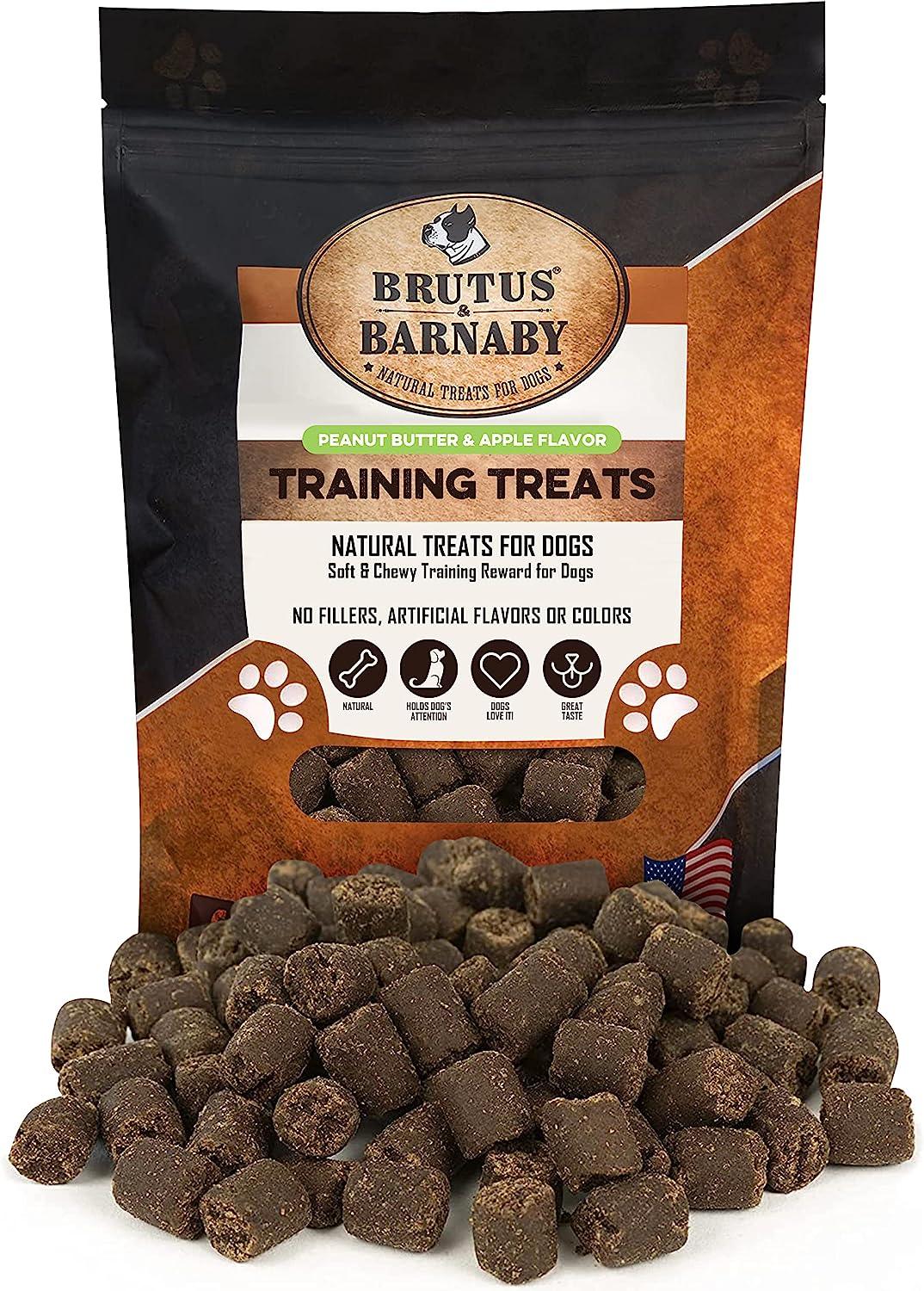
Training Treats for Dogs | Peanut Butter & Apple Soft Dog Treats
Small, soft rewards for brief hand-target games, easy scent activities, and reinforcing voluntary check-ins.
- Current sizes: 8 oz, 16 oz, and 3 lb
- Ingredients include dark buckwheat flour, glycerin, peanut butter, apple fiber, and additional listed ingredients
- Crude protein 16.6%; crude fat 12.4%
- 113.4 kcal per ounce; per-piece calories are not currently listed
- Use only when peanut butter and the complete ingredient list fit the dog
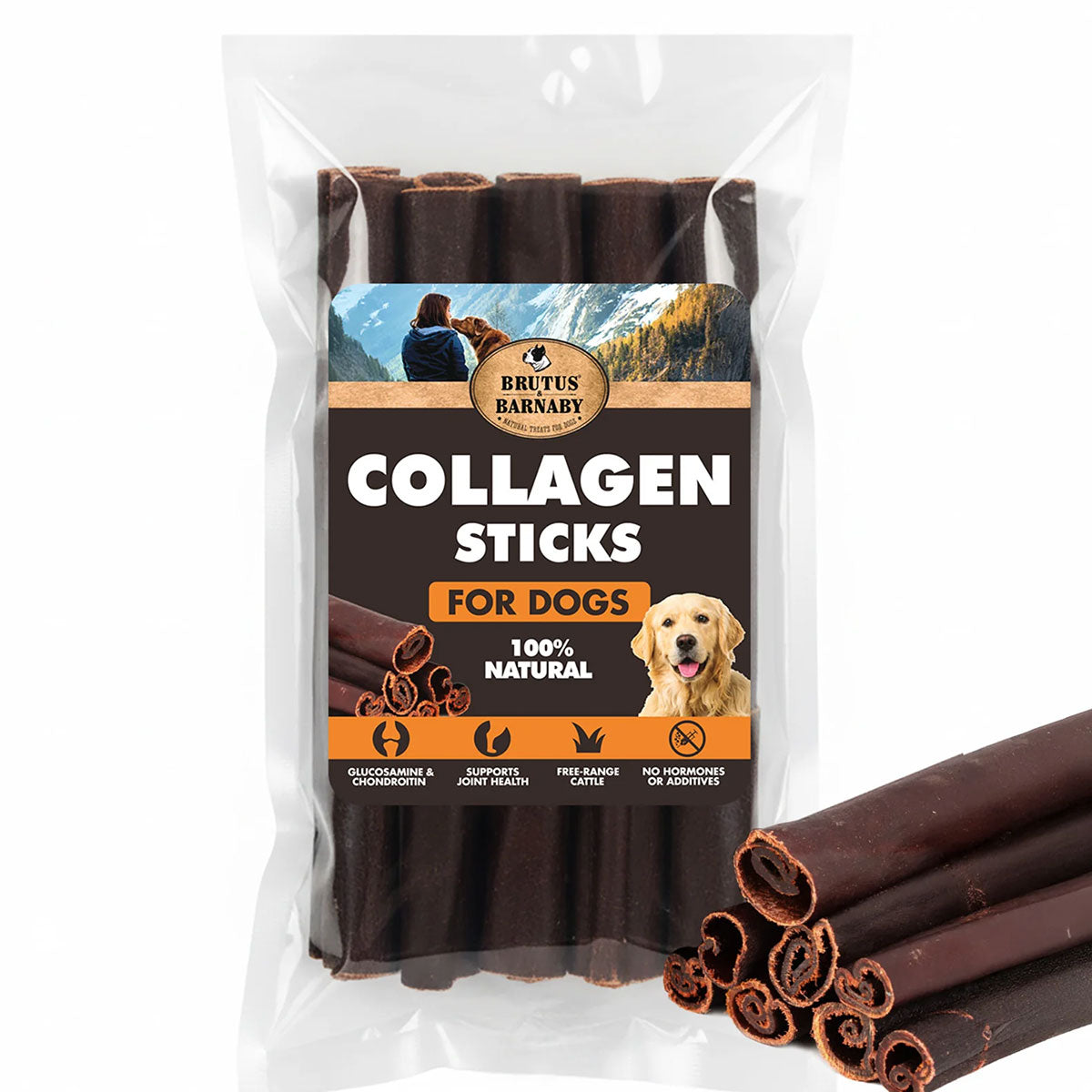
Beef Collagen Sticks for Dogs | Long-Lasting Rawhide-Free Chews
A single-ingredient chew for a medically suitable dog that still wants to chew during a calm, closely supervised routine.
- Ingredient: 100% all-natural beef collagen
- Current pack options: 5, 10, and 25
- Crude protein 82.2%; crude fat 2.4%
- 110.6 kcal per ounce
- Supervise throughout and remove small fragments
Introduce new products gradually. Obtain veterinary guidance before changing treats for puppies, seniors, dogs with allergies, digestive disease, pancreatitis risk, kidney or liver disease, dental problems, swallowing difficulty, obesity, diabetes, previous obstruction, pica, or prescription diets.
When to Ask for Behavioral Support
Veterinary care should come first when behavior changes suddenly or physical illness is possible. Additional help from a qualified reward-based trainer, certified behavior consultant, or board-certified veterinary behaviorist may be useful when the dog develops persistent fear, panic, aggression, destructive escape behavior, compulsive behavior, severe distress when alone, or a substantial loss of normal functioning.
Choose professionals who use humane, reward-based methods. Grief-related vulnerability is not a reason to use intimidation, forced exposure, leash corrections, shock, prong or choke collars, flooding, dominance methods, or punishment.
Trusted Reading
Use veterinary and behavior resources to separate emotional support from medical diagnosis and treatment.
Pet Grief After Companion Loss
Virginia Tech Veterinary Medicine: Helping Your Grieving PetMental and Emotional Enrichment
AAHA: Supporting Mental and Emotional Wellbeing at HomeBehavior Changes and Veterinary Care
AAHA: Behavior Management for PetsHumane Training Methods
AVSAB: Humane Dog Training Position StatementRelated Brutus & Barnaby guides: My Dog Is Suddenly Acting Depressed, How to Make Treats Part of Your Dog’s Enrichment Routine, and Calming Treats for Separation Anxiety.
Frequently Asked Questions
Can a dog grieve when another dog dies?
Dogs can show behavior changes after losing an animal companion, including searching, withdrawal, vocalization, altered sleep, or appetite changes. Because illness can look similar, discuss strong or persistent changes with your veterinarian.
Can a dog grieve a human family member?
Yes, a dog may respond to the person’s absence, changed household emotions, and disrupted routines. Keep daily anchors predictable and obtain veterinary help when the dog’s health or normal functioning changes.
What is the best treat for a grieving dog?
There is no universal grief treat. Choose the product by its job: a small reward for engagement, a veterinarian-approved topper for the normal meal, or an appropriate supervised chew. The dog’s health and diet come first.
Should I give treats when my dog will not eat meals?
Do not rely on treats to manage prolonged meal refusal. A dog who eats favorite treats but refuses normal food may still have nausea, dental pain, illness, stress, or a learned feeding pattern. Contact your veterinarian.
How long does dog grief last?
There is no fixed timeline. Monitor the direction of change rather than counting days. Veterinary assessment is appropriate when appetite, weight, movement, sleep, bathroom habits, or engagement remain abnormal or worsen.
Should I get another dog immediately?
Not automatically. A new dog creates another major change and may not match the surviving dog’s preferences. Consider the household’s readiness, the dog’s social history, and professional guidance when needed.
Are long-lasting chews good for a grieving dog?
A familiar, appropriately selected chew may offer calm supervised activity for a dog that still enjoys chewing. Avoid it when the dog has dental pain, swallowing problems, previous obstruction, gulping behavior, dietary restrictions, or no interest in chewing.
When does my dog need a behavior specialist?
Seek qualified support for persistent panic, aggression, compulsive behavior, self-injury, destructive escape attempts, severe separation distress, or a major decline in normal functioning after medical causes have been addressed.
Final Takeaway
Support the routine—not a promise to “fix” the emotion.
A dog adjusting after loss may benefit from predictable meals, gentle sniffing, short reward-based activities, rest, choice, and calm companionship. Select treats by their practical role and the dog’s individual health—not because a product claims to cure sadness.
When appetite, mobility, sleep, breathing, bathroom habits, or behavior changes suddenly or significantly, contact your veterinarian before building a treat-based routine.
Match the Reward to the Moment
Use a measured topper
Add aroma to approved complete food without allowing toppers or treats to replace the meal.
Use small soft rewards
Reward voluntary check-ins, easy scent work, and short familiar behaviors without pressuring the dog.
Use an appropriate supervised chew
Choose by size, dental condition, diet, and chewing style, and remove the remainder before it can be swallowed.
Create Small, Predictable Moments
Explore meal toppers, training rewards, and supervised chews that can fit a veterinarian-approved daily routine.
Shop Brutus & Barnaby Treats & Chews