



Mental Stimulation: Using Treats for Enrichment
Treats can do more than reward good behavior. Used the right way, they can turn simple daily moments into sniffing games, puzzle challenges, chew sessions, and calming enrichment.
Dogs need more than just walks and meals to stay happy and balanced. Mental stimulation plays a huge role in preventing boredom, reducing stress, and encouraging natural behaviors.
One of the easiest ways to add mental stimulation to your dog’s day is by turning treats into part of their enrichment routine. Instead of simply handing out treats, you can use them to create activities that challenge your dog’s mind, encourage problem-solving, and keep them engaged.
Treat-based enrichment can be simple: hiding small rewards around a room, loading a puzzle toy, offering a supervised chew, or scattering treats in the grass for a sniffing hunt. A few focused minutes can make a big difference in your dog’s daily routine.
Why Enrichment Matters for Dogs
Dogs naturally enjoy exploring, sniffing, chewing, licking, and solving problems. Without enough mental stimulation, many dogs develop unwanted behaviors like chewing furniture, barking excessively, pacing, digging, or getting into things they should not.
Enrichment activities mimic natural behaviors dogs would normally practice: searching for food, chewing, investigating scents, and working for rewards. When treats are used in enrichment activities, they give dogs a reason to engage their brains instead of waiting passively for the next walk or meal.
What Dogs Need
What to Watch For
Key point: mental stimulation can tire a dog out in a different way than physical exercise because it requires focus, problem-solving, and self-control.
Hide-and-Seek Treat Games
One of the simplest enrichment activities you can try at home is hiding treats around the house. Dogs rely heavily on their sense of smell, and searching for food taps into their natural instincts.
Start by hiding a few small pieces of Training Treats around a room while your dog waits. Then release them and encourage them to “find it.” As your dog gets better, hide treats in more challenging spots like behind furniture, under safe toys, or inside a snuffle mat.

Peanut Butter Banana Training Treats
Small, soft rewards for hide-and-seek games, scent work, puppy training, and quick enrichment wins.
- Great for training games
- Easy to hide around the room
- Soft, quick-to-eat rewards
- Useful for indoor enrichment
Puzzle Toys and Treat Dispensers
Puzzle toys are a great way to make treat time last longer while giving dogs a mental challenge. Instead of eating a treat immediately, dogs must figure out how to move pieces, roll toys, or nudge compartments to release the reward.
Small, lightweight treats work best inside puzzle toys because they are easier to load and retrieve. Lung treats are especially useful because they are crunchy, aromatic, and easy to break into smaller pieces.

Beef Lung Filets
Crunchy, high-value treats that can be broken smaller for puzzle toys and enrichment games.
Shop Beef Lung Filets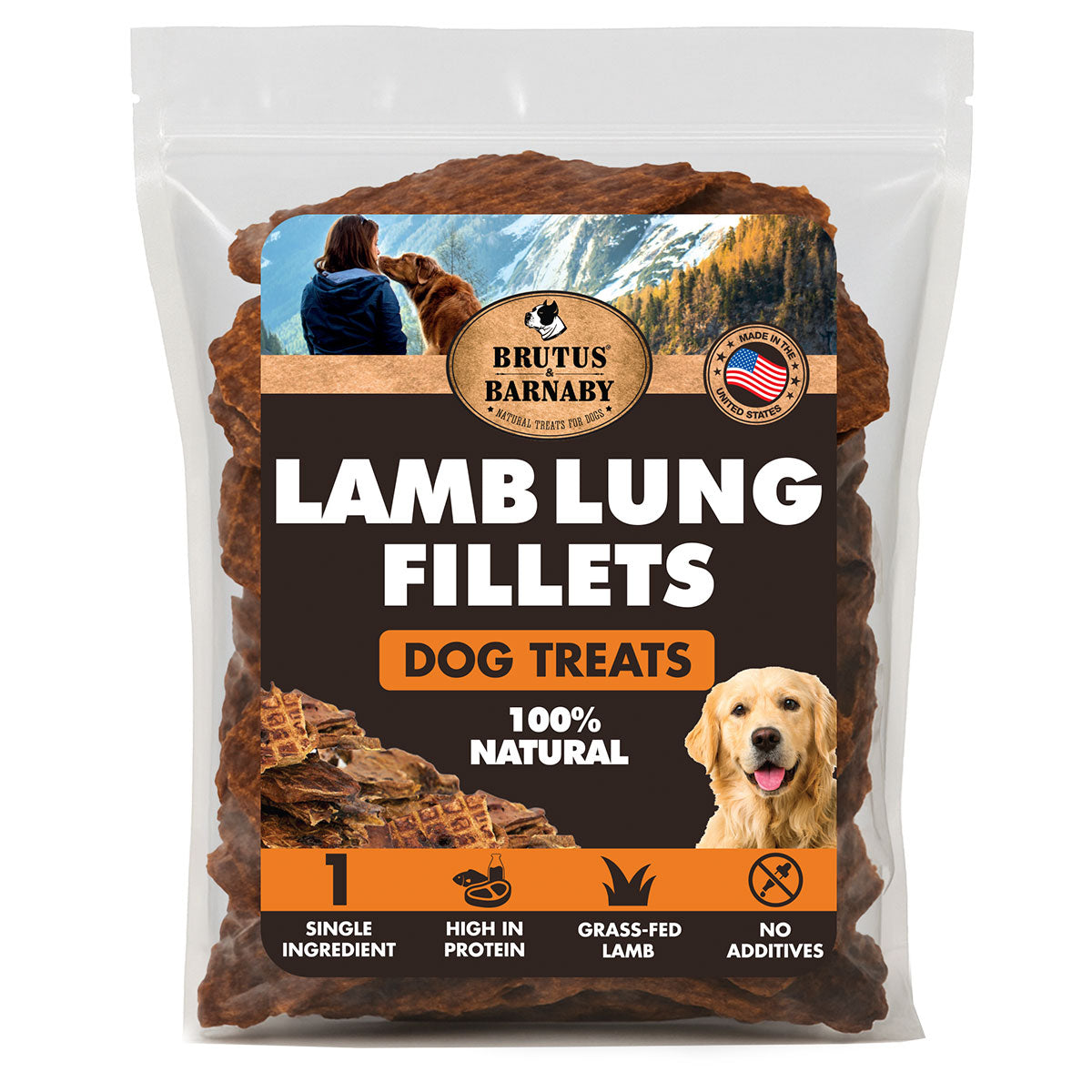
Lamb Lung Filets
A light, crunchy protein treat for puzzle feeders, scent games, and dogs who tolerate lamb well.
Shop Lamb LungPuzzle tip: start easy. If the puzzle is too hard at first, your dog may get frustrated instead of engaged.
Chewing as Mental Enrichment
Chewing is one of the most natural and calming behaviors for dogs. Giving your dog an appropriate chew can help satisfy instinct, provide a focused activity, and redirect chewing away from furniture, shoes, or household items.
Long-lasting chews like Beef Cheek Rolls or Natural Bully Sticks are ideal enrichment options for supervised chew time because they keep dogs engaged for longer periods.

Beef Cheek Rolls
A dense, long-lasting chew for strong chewers, boredom relief, and serious supervised enrichment.
Shop Beef Cheek Rolls
Natural Bully Sticks
A satisfying rawhide-free chew for focused downtime, natural chewing, and daily enrichment routines.
Shop Bully SticksChew safety rule: always supervise chew time, choose the correct size, and remove small pieces that could be swallowed.
DIY Treat Enrichment Ideas
You do not always need special toys to create enrichment activities. Simple household items can become fun treat challenges when used safely and supervised.

Sweet Potato Sticks with Cinnamon & Pumpkin
A plant-based treat option for scatter games, DIY enrichment boxes, and simple reward routines.
- Great for treat rotation
- Plant-based snack option
- Easy to use in games
- Fall-inspired flavor
Enrichment for Dogs Home Alone
Many dogs struggle with boredom when left alone for long periods. Enrichment can help, but safety matters. Long-lasting edible chews should generally be used when you can supervise, especially if your dog is a strong chewer, gulper, puppy, senior, or new to that chew.
Before leaving the house, safer options may include a familiar food puzzle, a snuffle mat used under known-safe conditions, or a vet-approved enrichment toy your dog has already practiced with while supervised. Save chews like Cow Ears and Pig Ears for supervised downtime.

Cow Ears
A lighter natural chew for calm downtime and supervised enrichment sessions.
Shop Cow Ears
Pig Ears
A crunchy chew for supervised calm time, reward routines, and natural chew satisfaction.
Shop Pig EarsHome-alone safety: do not leave your dog alone with a new chew, a chew they can gulp, or any edible chew that could become a choking risk.
Keep Enrichment Balanced
Treats are a great enrichment tool, but they should still be used in moderation. Treats should generally make up no more than about 10% of your dog’s daily calorie intake, with the rest coming from complete and balanced dog food.
You can balance enrichment by combining treat games with training sessions, scent work, puzzle toys, safe chewing, interactive play, and calm rest. Rotating activities keeps your dog mentally stimulated and prevents routines from becoming too predictable.
Frequently Asked Questions
Final Thoughts
Treats do not have to be just quick rewards. They can become powerful tools for mental stimulation and enrichment. By using treat-based games, puzzle toys, scent work, and supervised long-lasting chews, you can turn everyday treats into engaging activities that keep your dog happy and mentally sharp.
Simple ideas like hiding Training Treats, loading puzzle toys with lung treats, offering Beef Cheek Rolls or Bully Sticks during supervised downtime, or using Cow Ears and Pig Ears for calm chew sessions can make a big difference in your dog’s daily routine.
Build a Better Enrichment Routine
Shop training treats, puzzle rewards, and long-lasting chews that help turn treat time into mental stimulation.
Shop Enrichment Treats```