



Best Times of Day to Give Your Dog a Treat
Treat timing can make rewards more effective for training, boredom relief, post-walk routines, and evening calm.
Many dog owners give treats throughout the day without thinking much about timing. While treats are great for training, bonding, and rewarding good behavior, the time you give them can affect your dog’s digestion, energy, and training success.
A treat given at the right moment becomes more than a snack. It can reinforce good habits, help your dog settle, redirect boredom, support enrichment, or create a calm daily routine.
The best timing depends on what you want the treat to do: train, reward, occupy, calm, or support a healthy routine. Here is how to use treats more strategically from morning to night.
Quick Guide: Best Treat Times by Goal
Different treat types work better at different times. Small treats are best for training, while longer-lasting chews are better for boredom, calm downtime, and supervised enrichment.
Simple rule: use small treats when you need quick learning, and use chews when you want calm, supervised enrichment.
Morning: Great for Training and a Positive Start
Morning is one of the best times to give your dog a treat, especially after their first walk, potty break, or short training session. Many dogs are alert and motivated in the morning, which makes it a strong time for reward-based training.
Small, high-value treats work best because they keep your dog engaged without filling them up before their meal. The treat should be quick to eat so your dog can move right into the next command, cue, or routine.

Peanut Butter Banana Training Treats
Soft, quick-to-eat rewards for morning obedience, puppy practice, and daily habit building.
Shop Training Treats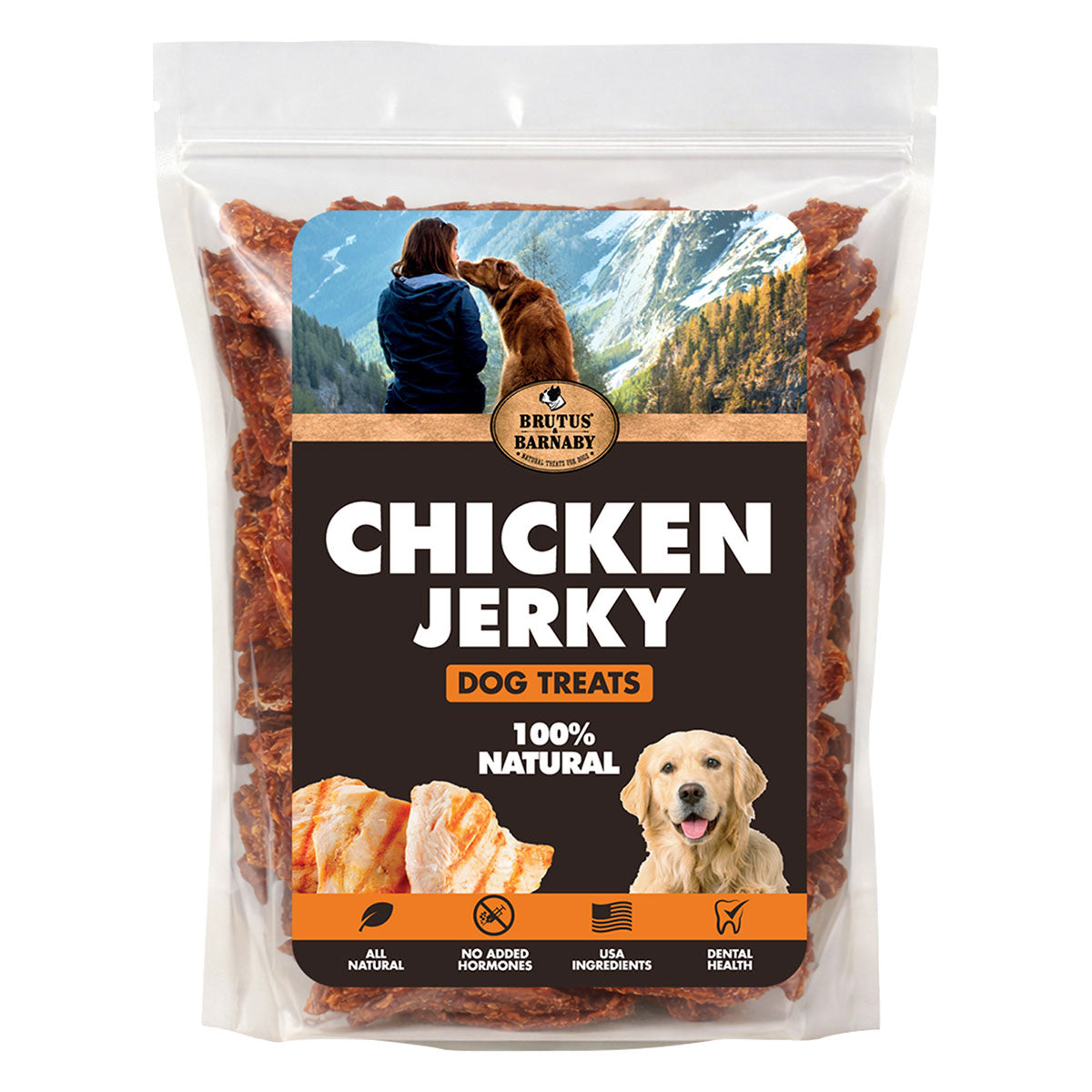
Chicken Jerky
A lean, breakable protein treat for recall, leash manners, focus work, and morning reward routines.
Shop Chicken JerkyMorning tip: keep pieces small. For training, your dog should want the reward but not stop working to chew for too long.
Midday: Useful for Boredom and Mental Stimulation
Many dogs experience boredom during the middle of the day, especially if their owners are busy, working, or away from home. A supervised chew during this time can help keep dogs mentally occupied and may help redirect destructive chewing.
Longer-lasting chews are ideal for midday enrichment because they give your dog a job to do. They support natural chewing instincts and can create a calmer break in the middle of the day.
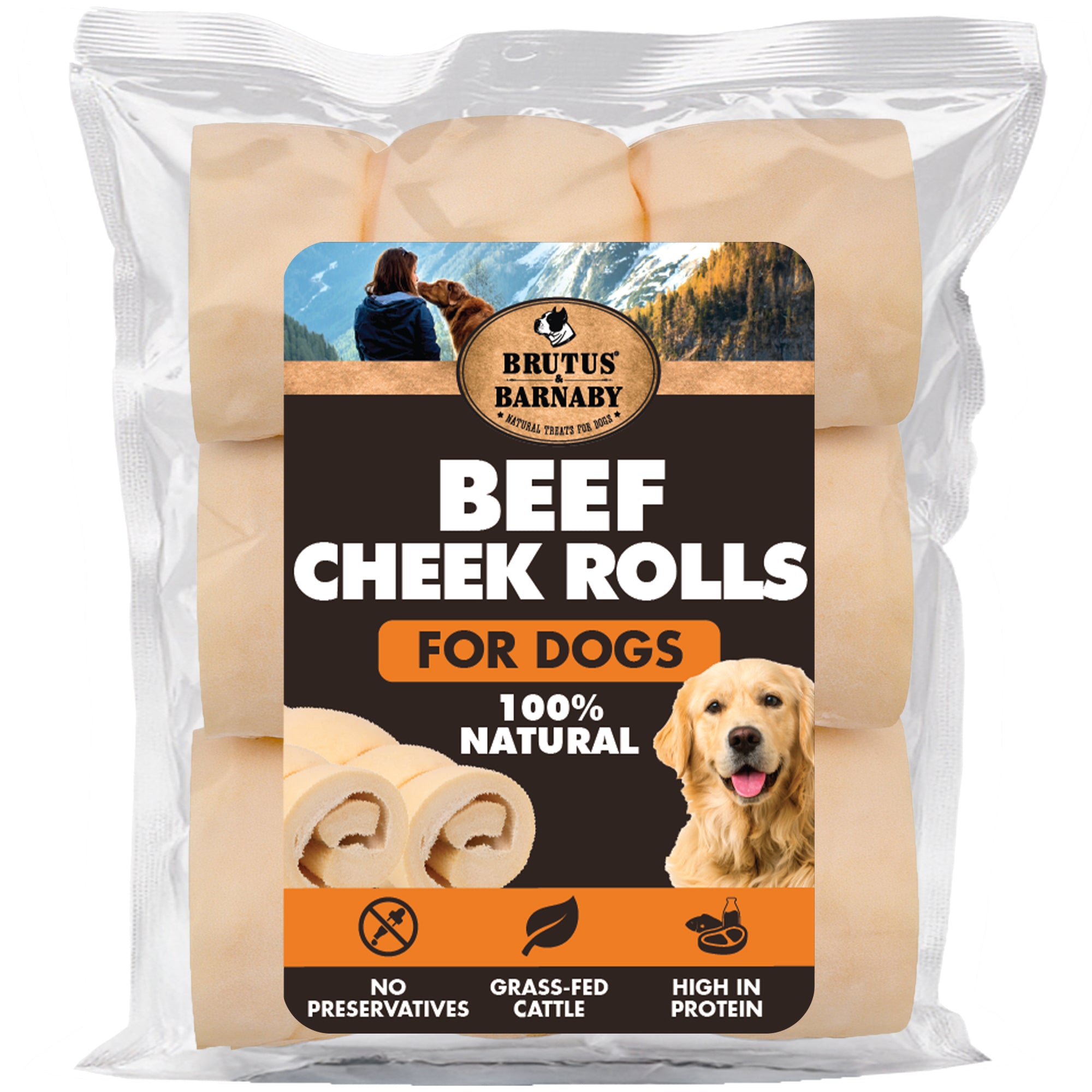
Beef Cheek Rolls
A dense, long-lasting chew for dogs who need serious midday chew time and boredom relief.
- Long chew time
- Keeps dogs busy
- Rawhide-free option
- Great for strong chewers
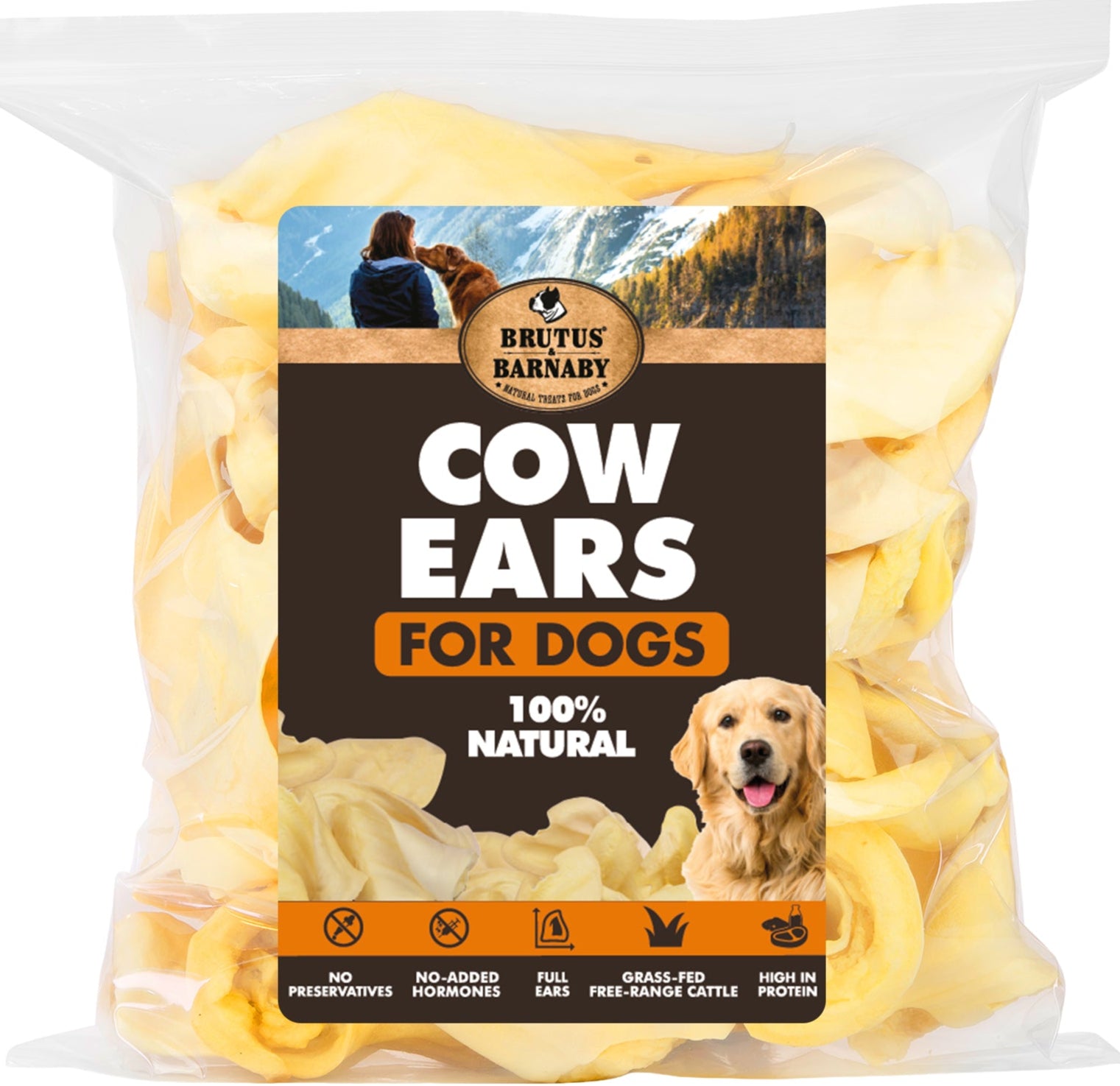
Cow Ears
A lighter natural chew for dogs who need crunchy satisfaction without a dense long-lasting roll.
- Lighter chew option
- Great for moderate chewers
- Good for calm downtime
- Supervised chew time
After Exercise: Rewarding Activity
After a walk, play session, or outdoor activity is another excellent time to offer a treat. Dogs associate rewards with completed routines, so a treat after exercise can reinforce good behavior and help create a predictable rhythm.
Give your dog a few minutes to cool down and drink water before offering a chew. Right after intense exercise, avoid large or rich treats if your dog is panting heavily, overheated, or prone to stomach sensitivity.
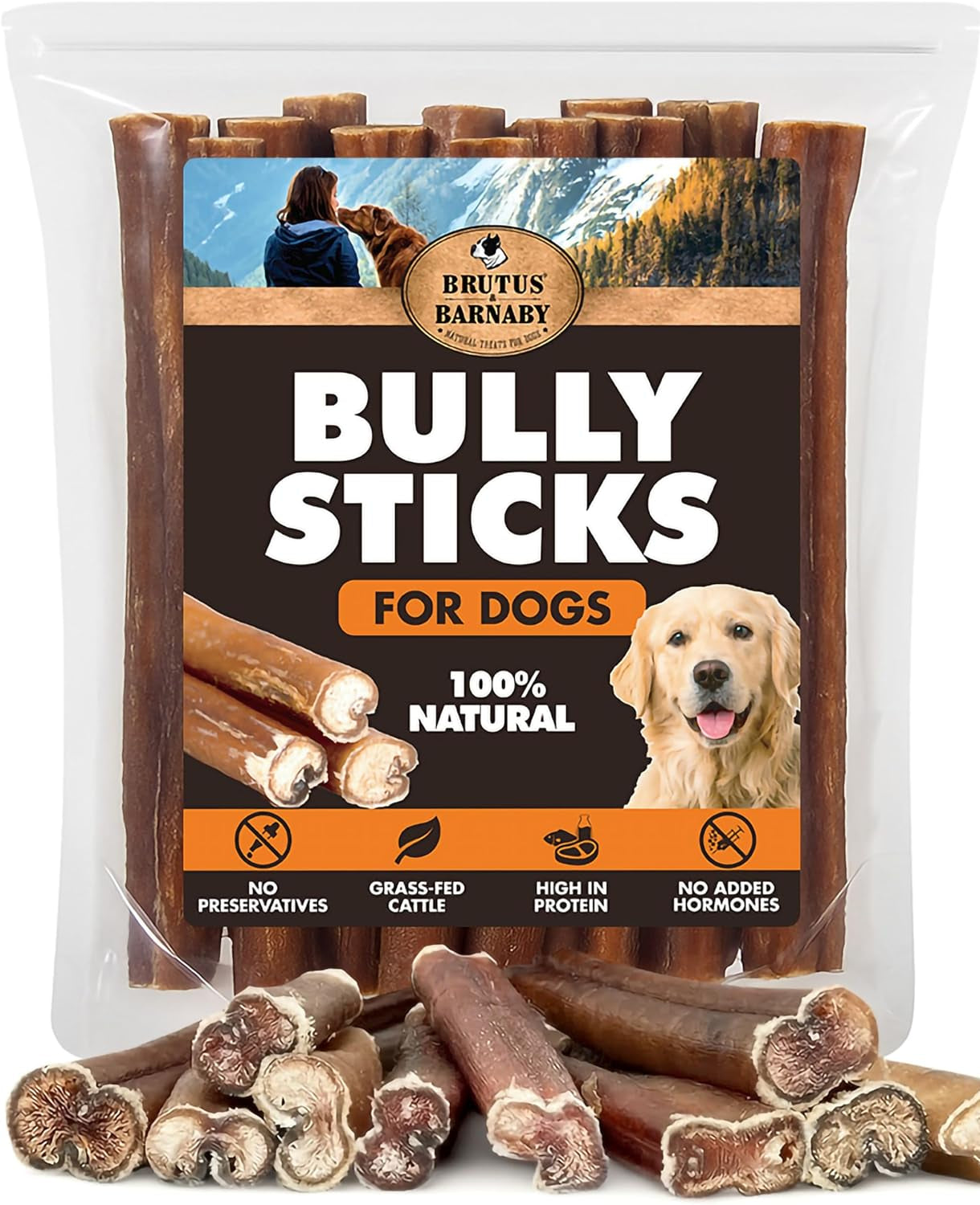
Natural Bully Sticks
A satisfying rawhide-free chew for dogs who need focused downtime after a walk or play session.
Shop Bully Sticks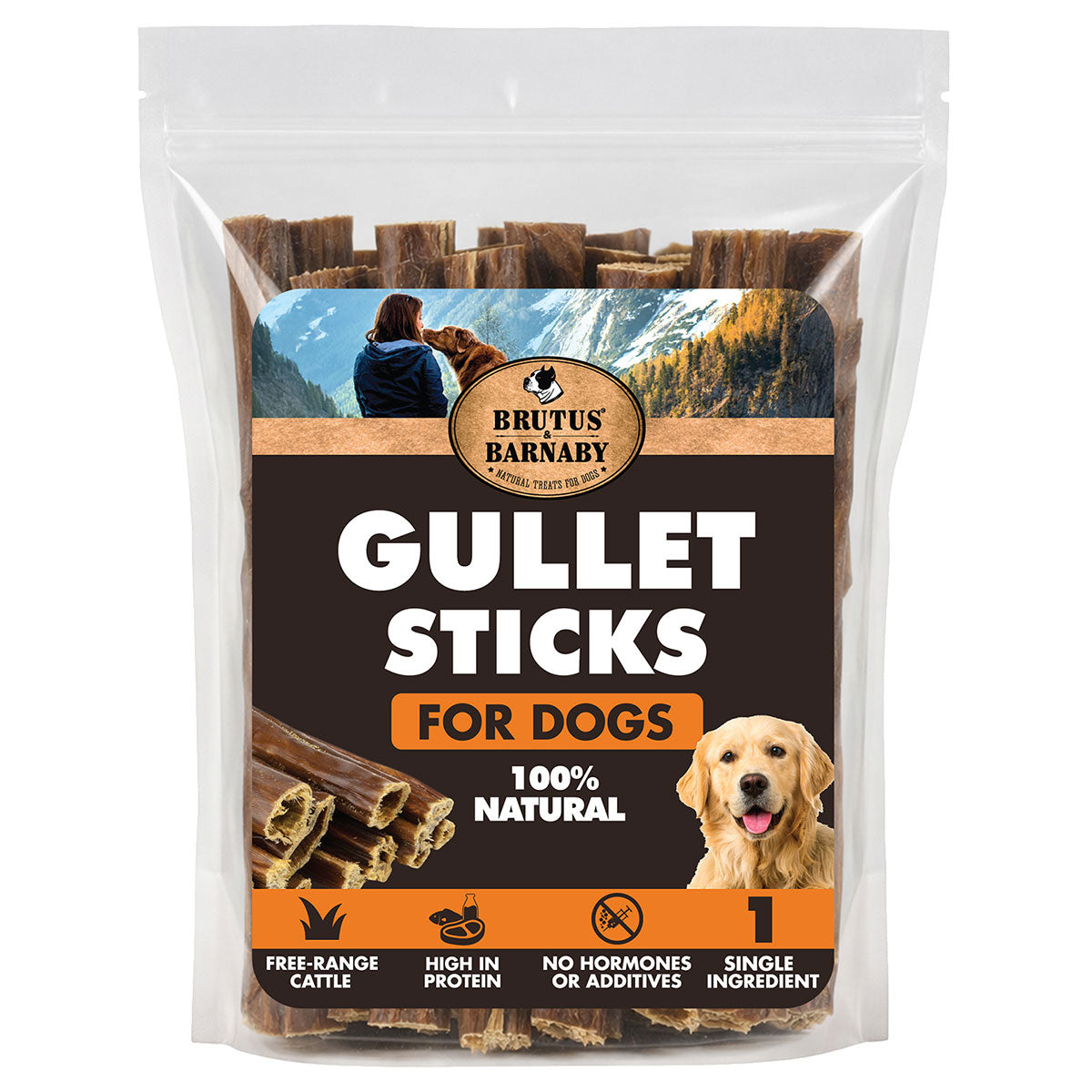
Beef Gullet Sticks
A moderate chew for after-walk rewards, calm routines, and shorter enrichment sessions.
Shop Gullet SticksPost-exercise rule: let your dog cool down and drink water first. Treats should reinforce activity, not interrupt recovery.
Evening: Relaxation and Wind-Down
Evening is often when dogs are ready to settle in with their owners. A treat or moderate chew can become part of a calm bonding routine after dinner, potty breaks, or quiet family time.
Natural chews like Pig Ears or Beef Gullet Sticks can be good evening options because they encourage relaxed chewing without always requiring the intensity of a dense long-lasting roll. For dogs with sensitive stomachs, avoid very large treats right before bedtime.
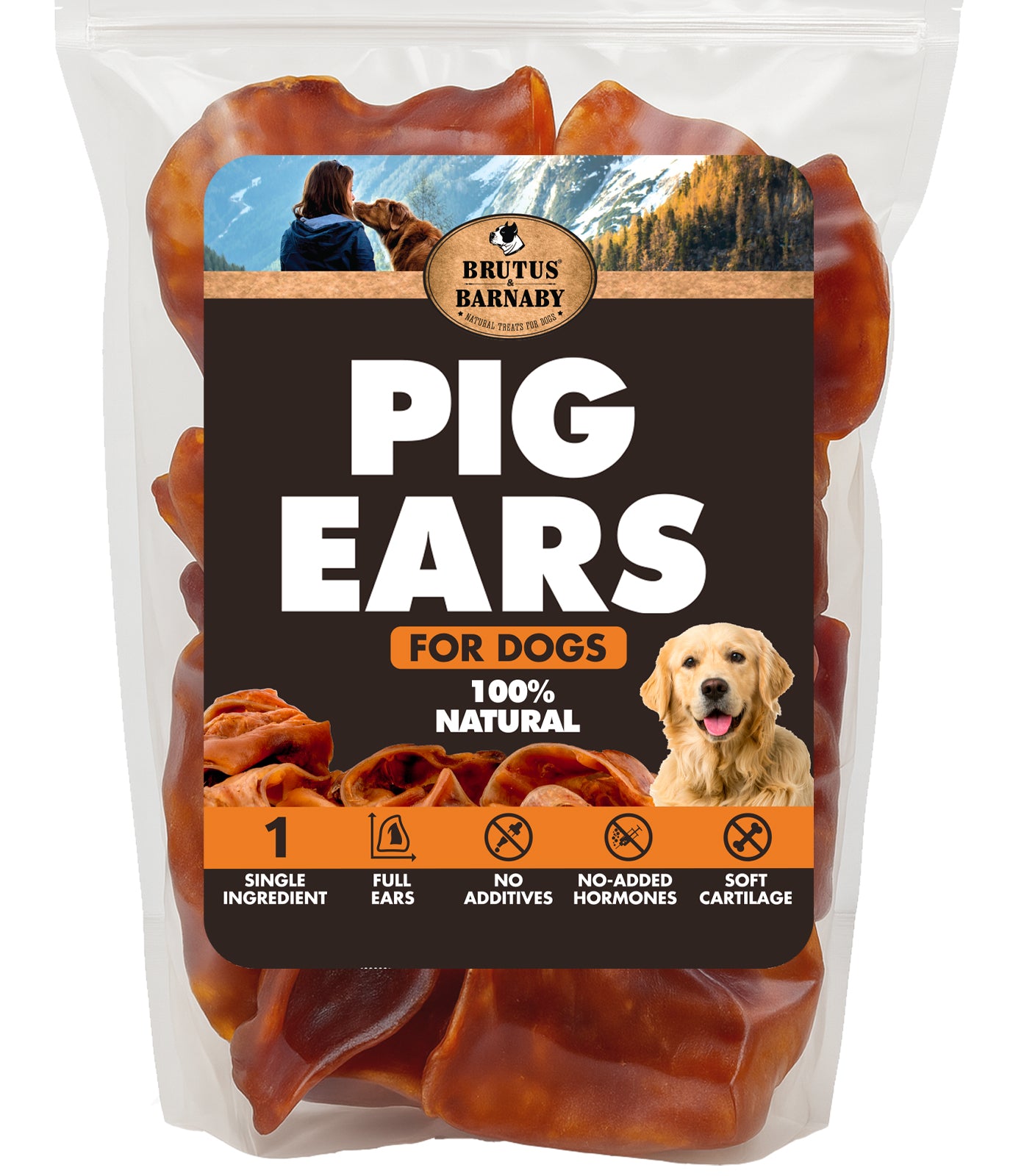
Pig Ears
A crunchy, satisfying chew for supervised evening downtime and calm bonding routines.
Shop Pig Ears
Beef Gullet Sticks
A moderate chew for relaxed evening reward routines and shorter chew sessions.
Shop Gullet SticksTreat Timing Tips for a Healthy Routine
Timing matters, but moderation matters even more. Treats should generally make up no more than about 10% of your dog’s daily calorie intake. The rest should come from complete and balanced dog food.
It also helps to connect treats to specific moments: training, enrichment, recall, grooming, crate time, walks, or calm behavior. This keeps treats meaningful and prevents random feeding from turning into extra daily calories.
Daily routine tip: treat timing works best when each reward has a purpose — training, enrichment, calm, or bonding.
Frequently Asked Questions
Final Thoughts
The best time to give your dog a treat depends on what you want to achieve. Morning treats can support training, midday chews can prevent boredom, post-exercise treats reinforce activity, and evening treats help create calm bonding moments.
By using treats strategically and choosing natural options like Training Treats, Chicken Jerky, Beef Cheek Rolls, Cow Ears, Natural Bully Sticks, Pig Ears, and Beef Gullet Sticks, you can turn simple rewards into meaningful parts of your dog’s daily routine.
Build a Better Treat Routine
Shop training rewards, long-lasting chews, and natural treats for every part of your dog’s day.
Shop Dog Treats & Chews```