



How to Introduce New Chews Safely
A new chew should be treated like a diet change: start small, watch your dog closely, and build up gradually.
When introducing a new protein or a long-lasting chew, think of it as a dietary transition rather than a one-time event.
Even natural, single-ingredient chews can be rich for some dogs. A dog who handles chicken well may not handle beef the same way. A dog who enjoys quick treats may need time to adjust to a denser, long-lasting chew.
The safest approach is simple: introduce one new chew at a time, keep the first session short, monitor your dog for 24 hours, and only increase chew time if everything looks normal.
The “5-Minute” Starter Rule
For the first session, do not let your dog finish the entire chew. Allow them to gnaw for about 3 to 5 minutes, then trade the chew for a high-value piece of kibble or a small reward so you can take it away safely.
This short first session helps you learn three important things: how your dog chews, whether they try to gulp pieces, and how their stomach handles the new ingredient.
What to Do
Too Much Too Soon
Key point: a short first chew session is not about denying your dog the treat. It is about testing tolerance safely.
Monitor for 24 Hours
After the first short session, observe your dog’s energy level, appetite, stool consistency, and behavior over the next day. If everything looks normal, increase chew time to about 10 minutes the next day, then slowly work up to a full session.
If your dog has a sensitive stomach, has had pancreatitis, has food allergies, or is on a special diet, ask your veterinarian before adding rich chews or new proteins.
One Protein at a Time
Avoid introducing multiple new treats in the same 48-hour window. Do not offer a pig ear, bully stick, collagen stick, and beef lung treat all at once if your dog has not had them before.
If your dog reacts, you need to know exactly which treat caused the issue. A one-protein-at-a-time approach makes it much easier to identify sensitivities.
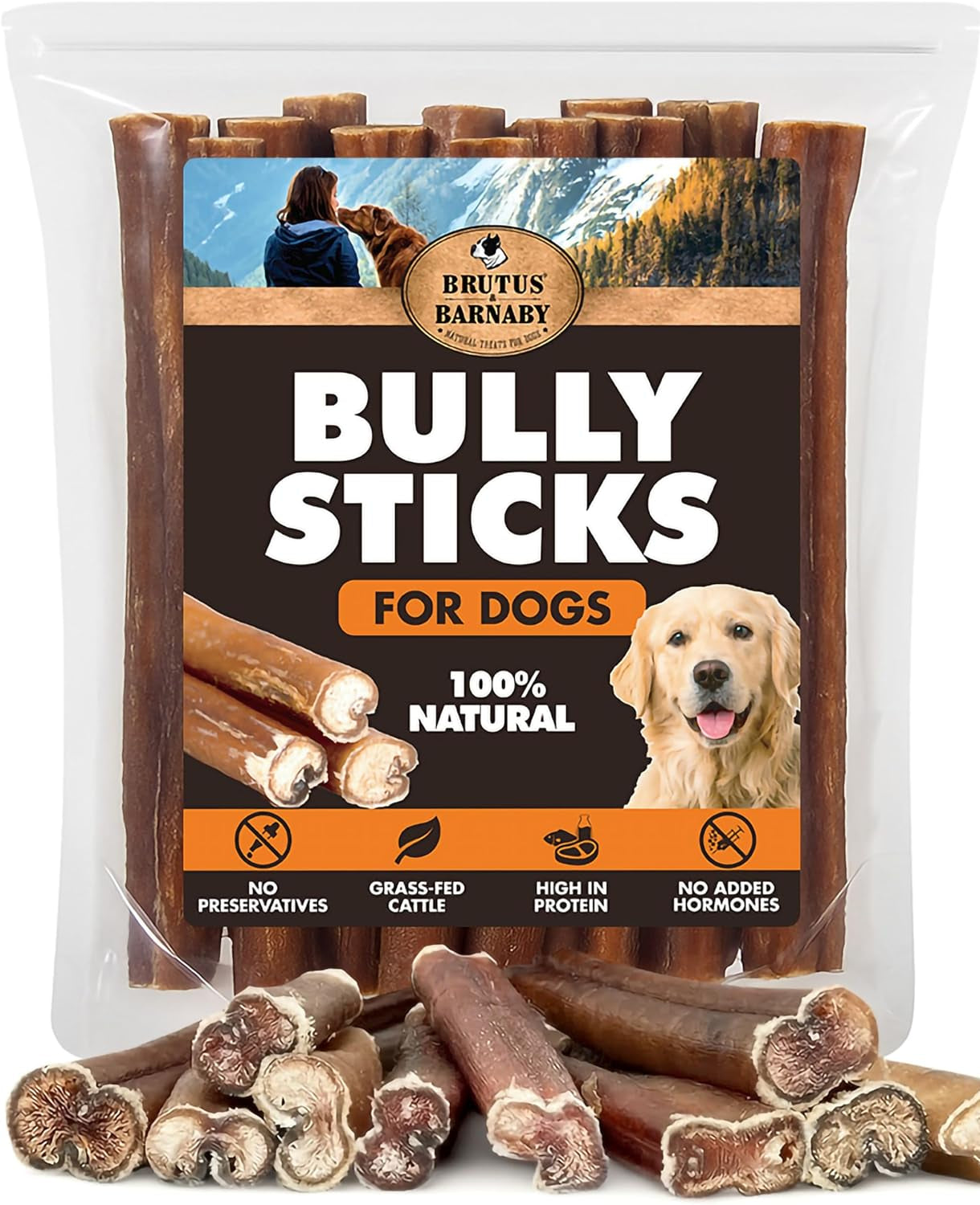
Natural Bully Sticks
A classic rawhide-free chew to introduce slowly with short supervised sessions.
Shop Bully Sticks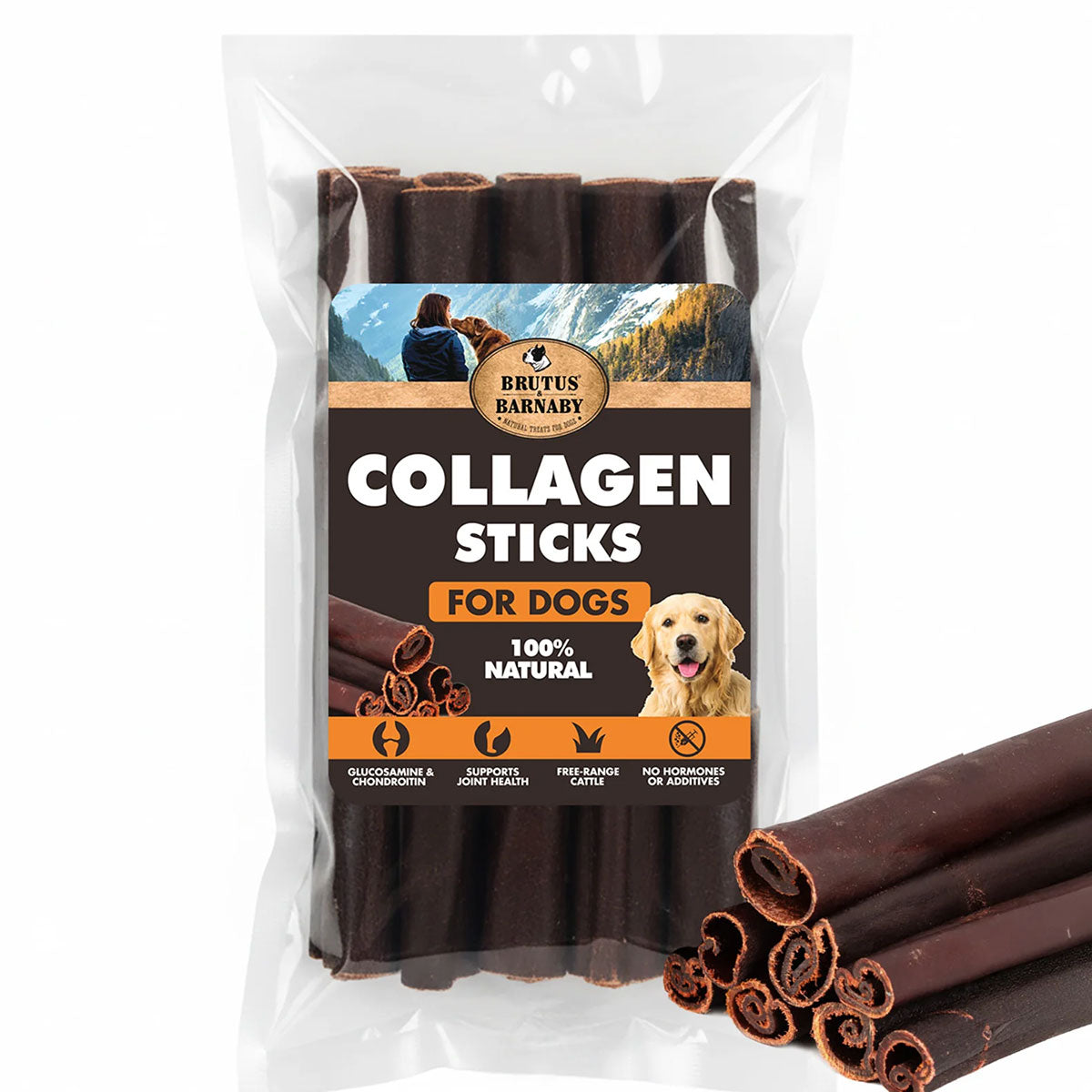
Beef Collagen Sticks
A rawhide-free chew for dogs who need focused chew time and a gradual introduction.
Shop Collagen SticksWhat Is the Safest Thing for Dogs to Chew On?
The safest chew is not one specific product for every dog. The safest chew is one that is appropriately sized, digestible for your dog, not too hard for their teeth, and used under supervision.
Single-ingredient or limited-ingredient chews are often easier to evaluate because you know what your dog is eating. Bully Sticks and Beef Collagen Sticks are popular rawhide-free options because they soften as dogs chew and can be introduced gradually. Still, every dog is different, and no chew is completely risk-free.
Safety rule: supervise every chew session, choose the right size, and remove the chew once it becomes small enough to swallow.
Essential Safety Rules for Dog Owners
When managing your dog’s diet and chew routine, two rules are especially important: keep treats within a healthy calorie range and pay attention to how your dog chews.
The 90/10 Rule for Dog Food
A helpful general guideline is that about 90% of your dog’s daily calories should come from complete and balanced dog food. The remaining 10% can come from treats, chews, toppers, and extras.
This matters because a large chew can sometimes account for much of a dog’s treat allowance for the day. If your dog is on a weight-loss plan, has pancreatitis history, or needs strict calorie control, ask your veterinarian how to account for chews.
Signs of Digestive Upset to Watch For
Even with natural products, some dogs have specific sensitivities. The first 24 hours after a new chew are the most important time to watch your dog’s stomach and behavior.
Gulper tip: if your dog tries to swallow the last piece of a chew, use a bully stick holder or remove the chew earlier to reduce risk.
Best “Starter” Chews for Sensitive Stomachs
If you are worried about sensitivity, start with options that are simple, easy to portion, and easier to monitor. For some dogs, that means a lighter snack before moving into denser long-lasting chews.
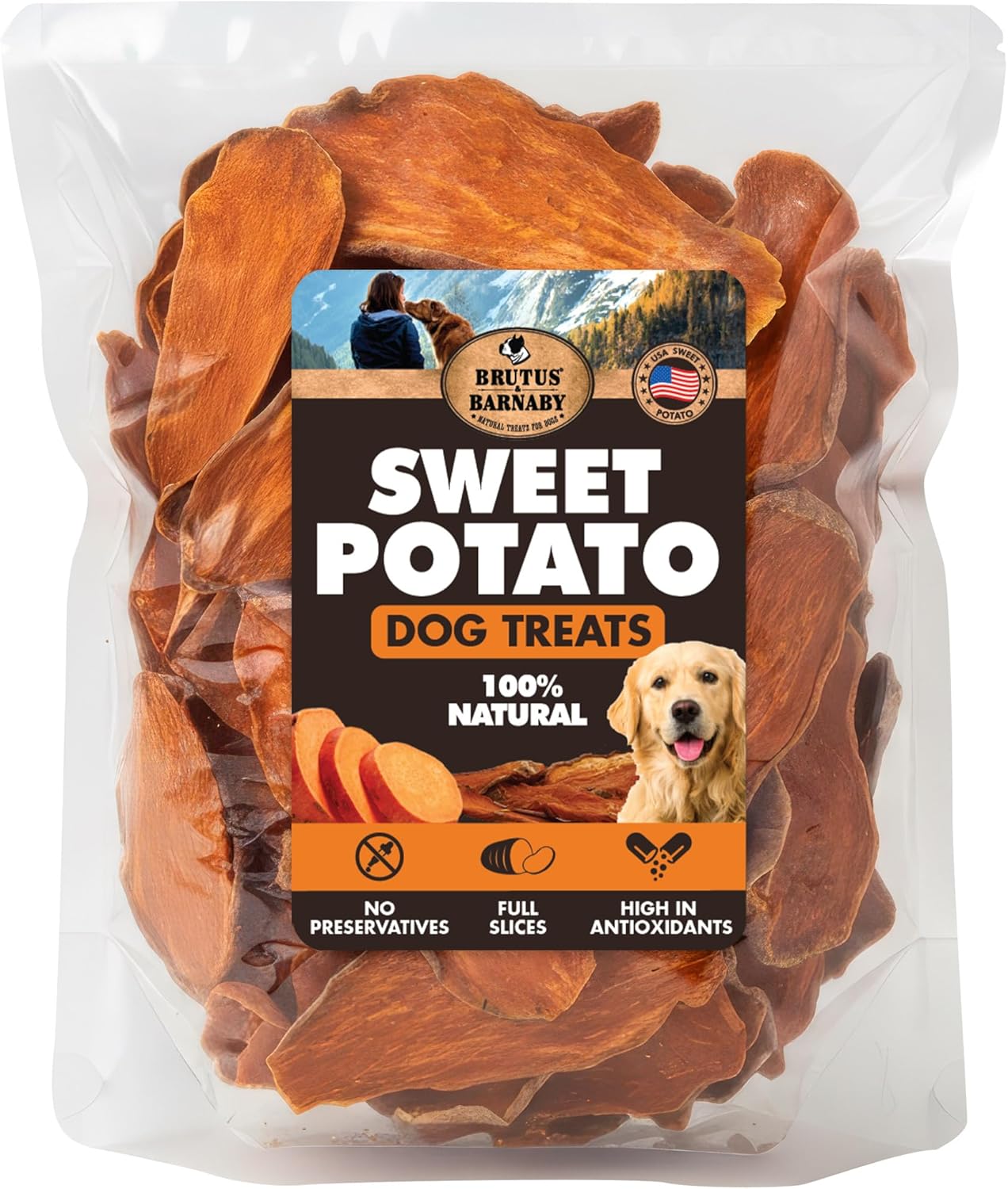
Sweet Potato Slices
A simple plant-based treat for dogs who need a gentle starting point before trying richer protein chews.
- Simple sweet potato treat
- Gentle digestion
- Fiber-forward snack
- Easy to portion smaller
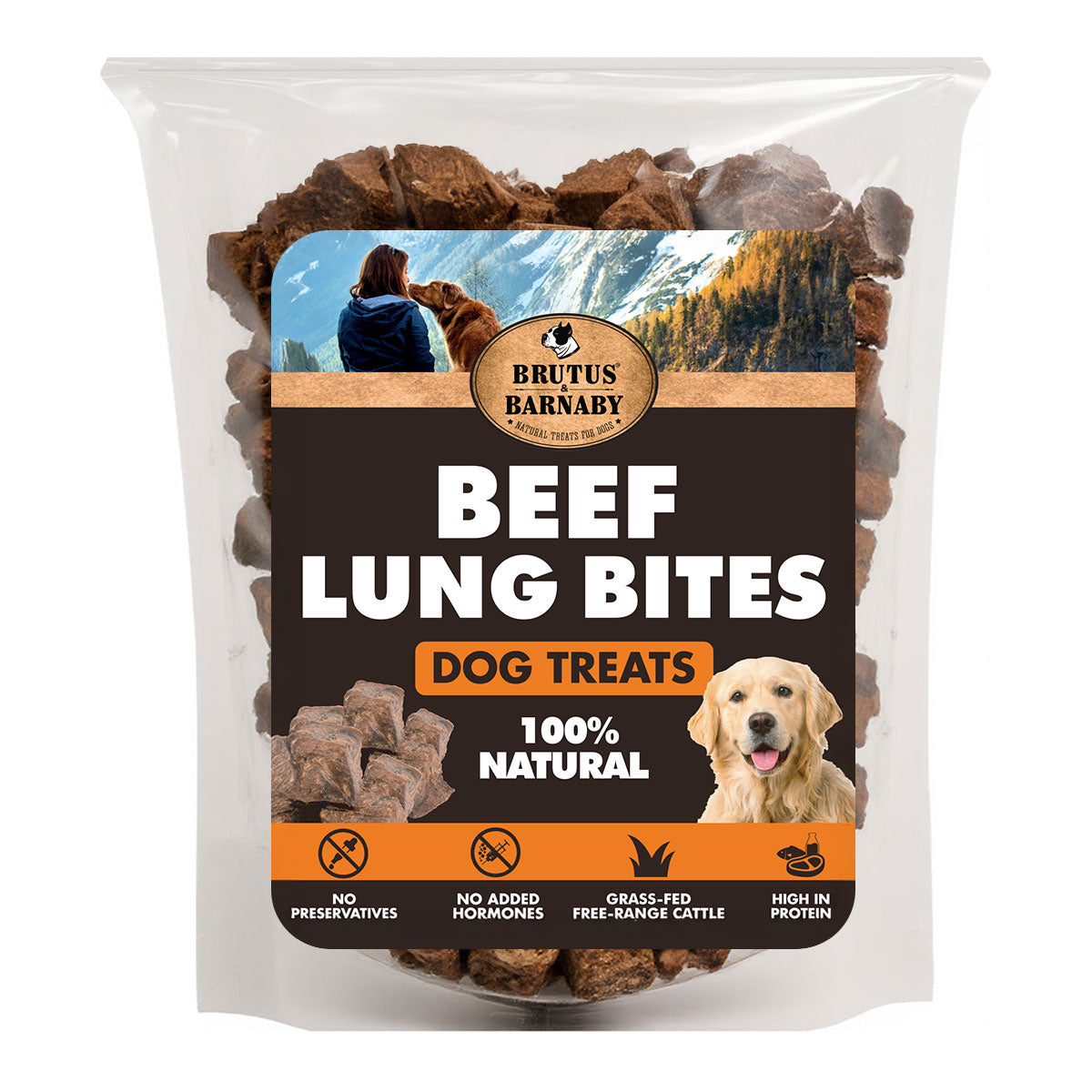
Beef Lung Bites
An airy, crunchy protein treat for dogs who tolerate beef and need a small starter reward.
Shop Beef Lung BitesBeef Collagen Sticks
A rawhide-free chew to introduce gradually for dogs ready for a focused chew session.
Shop Collagen SticksFrequently Asked Questions
Final Thoughts
Introducing a new chew safely is all about patience. Start with a short 3–5 minute session, monitor for 24 hours, avoid adding multiple new proteins at once, and increase chew time only when your dog handles the new treat well.
For gentle starting points, Sweet Potato Slices and Beef Lung Bites can be easier to portion. For long-lasting chew routines, Natural Bully Sticks and Beef Collagen Sticks are useful rawhide-free options when introduced gradually and supervised properly.
Start Chew Time the Smart Way
Shop simple starter treats, rawhide-free chews, and gentle rewards that make new chew introductions easier to manage.
Shop Dog Chews & Treats
```