



Can Too Many Treats Lead to Obesity?
Treats are a powerful training tool and a joyful part of dog ownership — but too many calories from snacks can quietly lead to weight gain.
Many owners ask, “What happens if you feed a dog too many treats?” In the short term, a rich treat routine can cause digestive upset like loose stool, vomiting, or gas. In the long term, extra treat calories can contribute to gradual weight gain.
Dog treats can absolutely be part of a healthy routine, but they need to be used intentionally. A few extra snacks may not seem like much, especially for a large dog, but for small dogs or less active dogs, “just one more treat” can add up quickly.
The goal is not to stop rewarding your dog. The goal is to reward smarter: use smaller pieces, choose simple treats, account for daily calories, and build more movement and enrichment into the day.
Can Too Many Treats Make a Dog Overweight?
Yes. Too many treats can contribute to weight gain, especially when treats are given on top of full meals, table scraps, and reduced activity. Treat calories are still calories, even when the treat is natural, healthy, or single ingredient.
This is why the 10% rule is so helpful: treats should generally make up no more than about 10% of your dog’s daily calories. The other 90% should come from a complete and balanced diet appropriate for your dog’s age, size, activity level, and health needs.
What Helps
Common Calorie Creep
Key point: even healthy treats can cause weight gain if they push your dog above their daily calorie needs.
How Do You Tell If Your Dog Is Overweight?
A thick coat can hide a weight problem, so do not rely only on appearance. The easiest at-home check is the rib test, combined with looking for a visible waist from above and a gentle abdominal tuck from the side.
You should be able to feel your dog’s ribs under a thin layer of covering without pressing hard. If you cannot feel the ribs easily, or if your dog looks round or oval from above, they may be carrying extra weight.
Veterinarians often use a Body Condition Score chart to evaluate weight more accurately. If you are unsure whether your dog is overweight, your vet can help establish a healthy target weight and a safe plan.
Why Dog Weight Matters
Extra weight is not just a cosmetic issue. It can affect mobility, comfort, stamina, and quality of life. Overweight dogs may have more strain on their joints, may tire faster, and may be at higher risk for certain health concerns.
Vet note: if your dog is gaining weight but you have not increased food, treats, or table scraps, ask your veterinarian about possible medical causes.
Why Is My Dog Gaining Weight But Not Eating More?
If meal portions have not changed but the scale is still climbing, the culprit may be hidden calories. Training treats, table scraps, dental chews, lick mats, food toppers, and even “just a bite” snacks can add up over time.
Activity changes also matter. If your dog is walking less, sleeping more, recovering from an injury, or aging into a slower routine, they may need fewer calories than before.
Common Sources
When to Ask for Help
How to Treat Smarter During Weight Management
If your dog needs to lose weight, you do not have to remove treats completely unless your veterinarian recommends it. Instead, choose lighter treats, use smaller portions, and make each reward count.
Better Treat Options for Calorie-Conscious Dogs
For dogs who need smarter snacking, look for treats that are easy to portion, satisfying, and simple. Sweet potato, light crunchy protein treats, and breakable jerky can all be useful depending on your dog’s diet and tolerance.
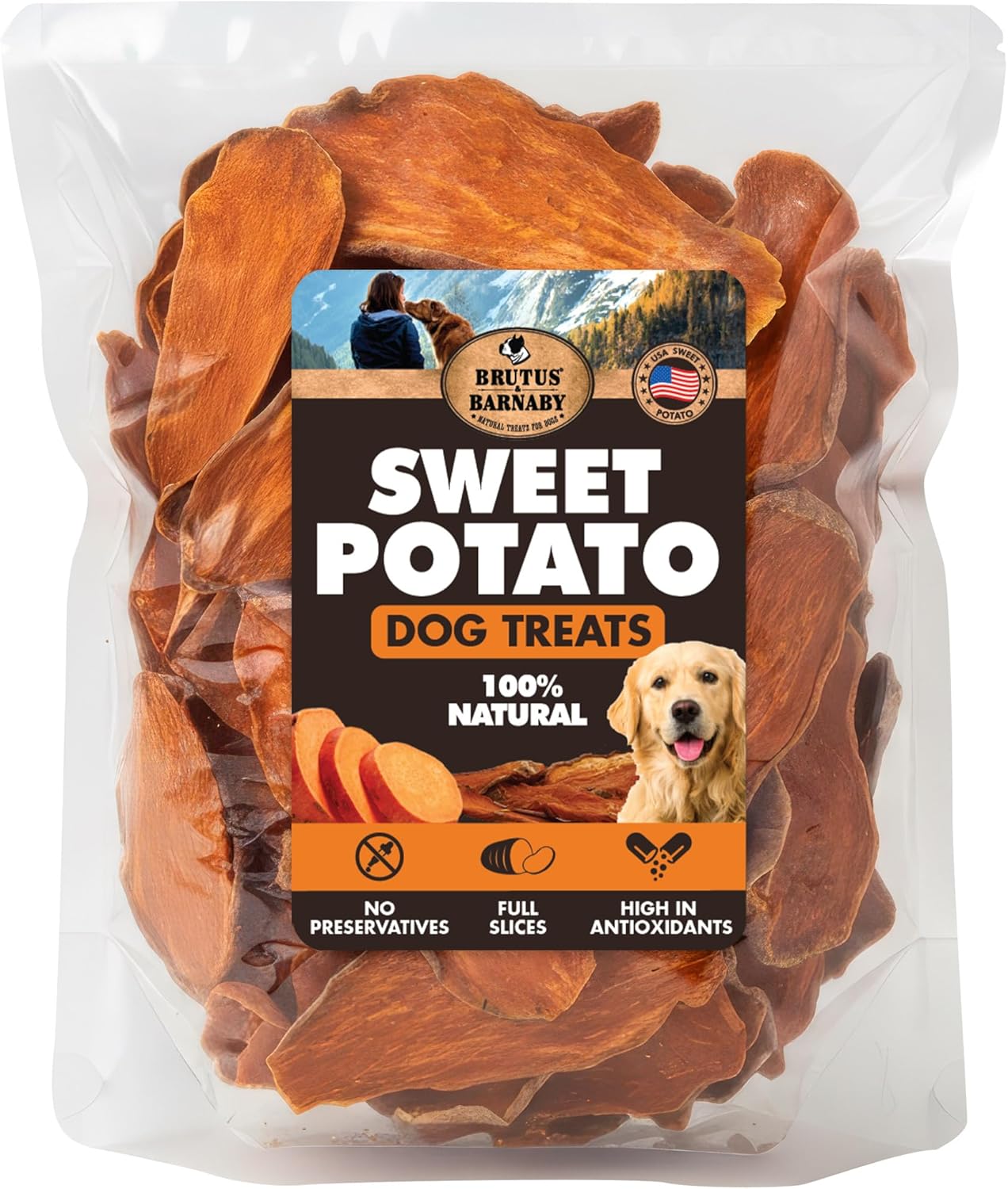
Sweet Potato Slices
A simple plant-based treat for dogs who need a fiber-forward snack and a lighter reward routine.
- Simple sweet potato treat
- Gentle digestion
- Fiber-forward snack
- Easy to portion smaller
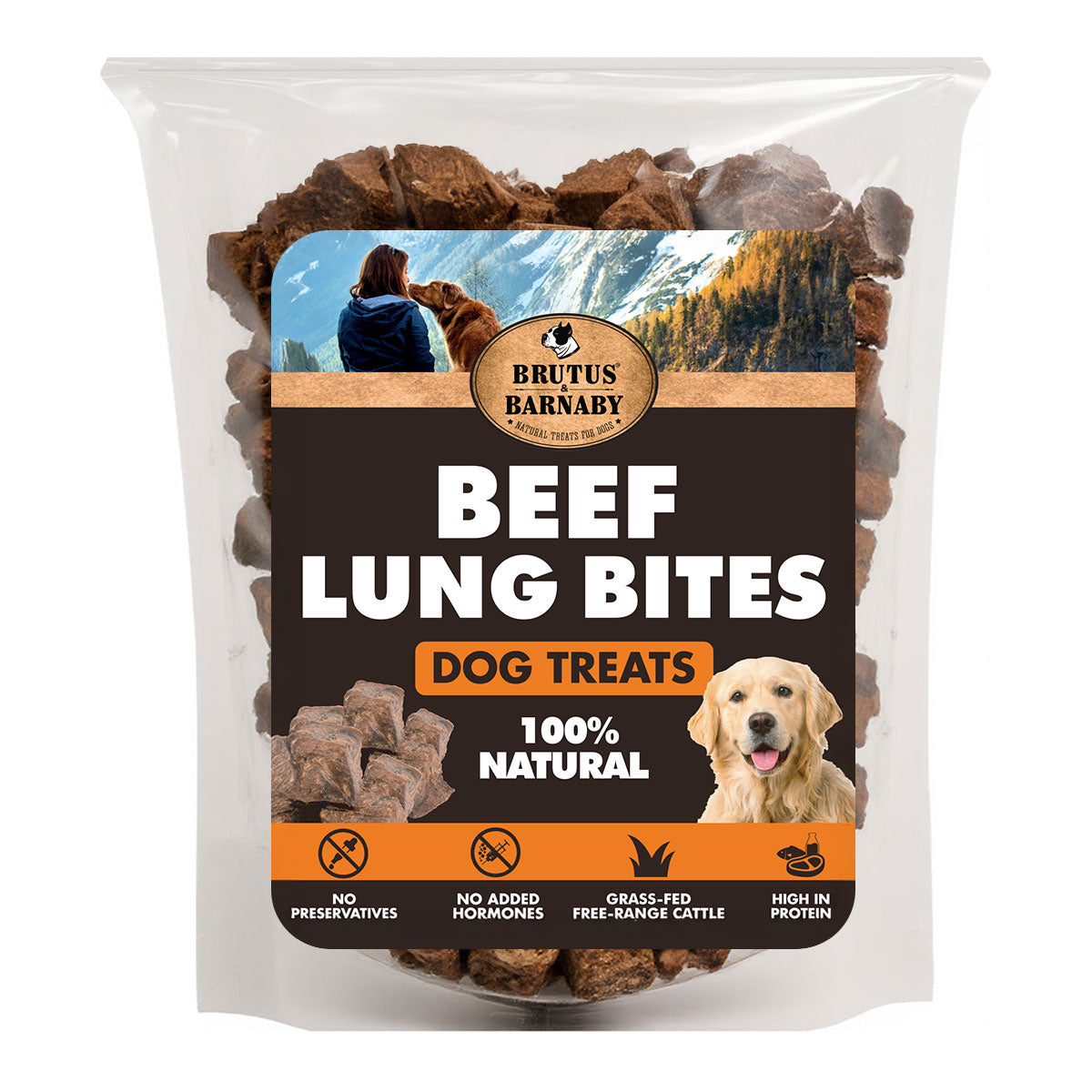
Beef Lung Bites
A light, airy protein reward for dogs who tolerate beef and need small crunchy training treats.
Shop Beef Lung Bites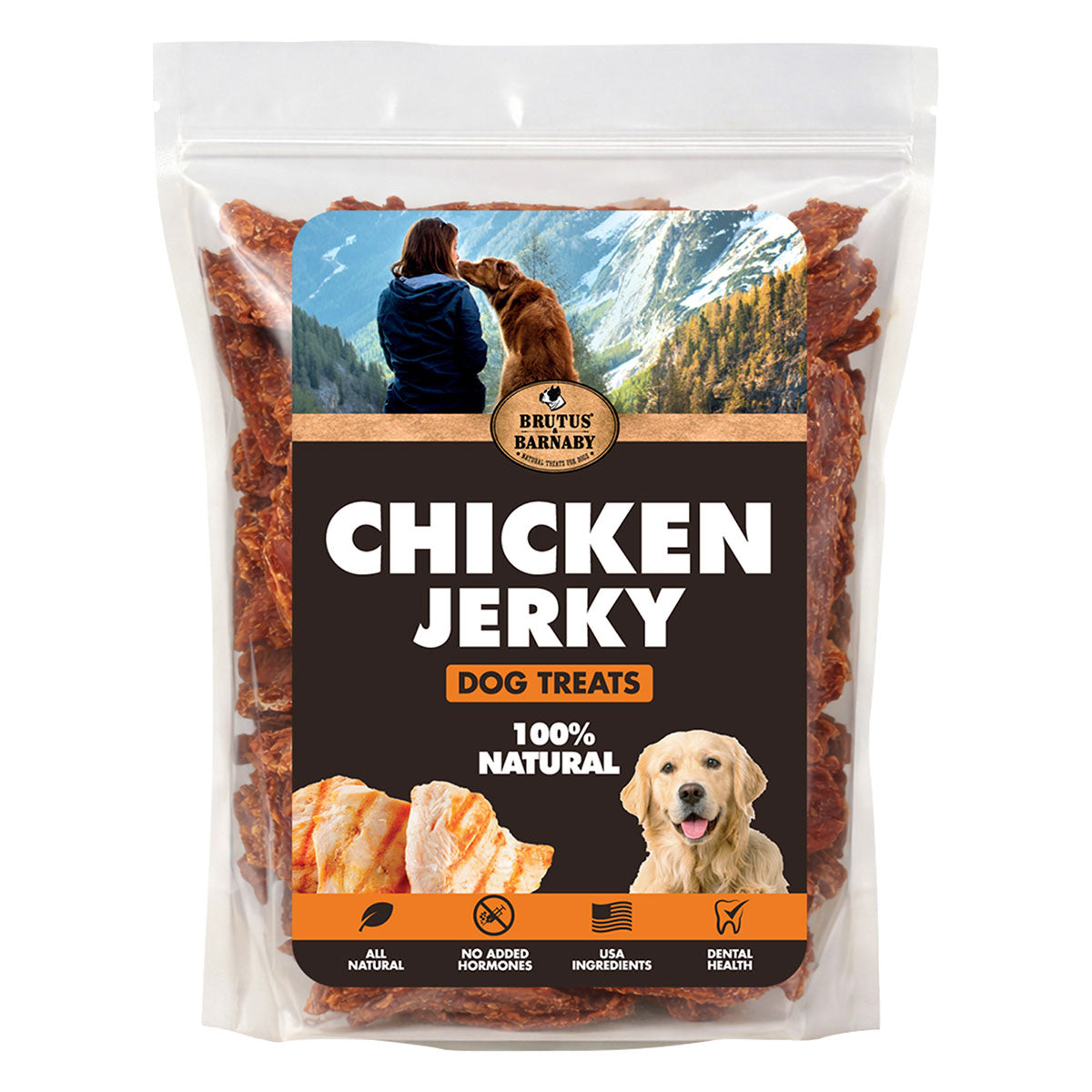
Chicken Jerky
A lean, breakable reward for dogs who tolerate chicken and need smaller high-value pieces.
Shop Chicken JerkyUsing Toppers Without Overfeeding
Meal toppers can be helpful for picky dogs, but they should be measured carefully. A small amount can add flavor and excitement to a reduced meal portion, but an unmeasured scoop every day can become another hidden calorie source.
The best strategy is to use toppers as flavor boosters, not extra meals. Sprinkle lightly, mix well, and adjust the main meal if your vet has recommended calorie control.

Beef Liver Dog Food Topper
A high-value topper that adds savory flavor to meals when used in small, measured amounts.
- Great for picky eaters
- High-value meal boost
- Easy to sprinkle
- Use in small amounts
Frequently Asked Questions
Final Thoughts
Treats do not have to disappear from your dog’s life during weight management. They just need to be planned. Use smaller portions, track hidden calories, choose simple rewards, and make activity part of the routine.
Sweet Potato Slices, Beef Lung Bites, Chicken Jerky, and Beef Liver Dog Food Topper can all support smarter treating when used thoughtfully. The best reward is one that keeps your dog happy without quietly pushing them above their daily calorie needs.
Reward Smarter, Not More
Shop simple treats, light crunchy rewards, and measured meal boosters that help keep treat time joyful and calorie-conscious.
Shop Smarter Dog Treats
```