



5 Essential Tips to Successfully Train Your Dog
Training your dog does not have to feel “ruff.” With the right tools, rewards, and routine, training can build trust, improve communication, and help your dog learn life skills that matter.
Training your dog without the right tools can feel ruff. But with patience, consistency, and the right rewards, training can become one of the best ways to bond with your faithful fur friend.
Dog training is not just about obedience. It teaches your dog important skills, builds communication and trust, provides mental stimulation, and can even help keep your dog safer in everyday situations.
If you have never trained a dog before, the process can feel intimidating. The good news is that you do not need to master everything at once. Start with clear communication, short sessions, good rewards, and a positive ending. For more behavior basics, read our guide to common dog behaviors and what they mean.
5 Top Training Tips for Your Dog
Successful dog training works best when it feels clear, rewarding, and repeatable. These five tips can help you build a better routine from the beginning.
Training rule: short, consistent sessions usually work better than long, frustrating ones.
1. Understand Dog Body Language
The key to successful training is excellent communication with your dog. Dogs cannot speak human language, but they communicate constantly through body language, facial expressions, posture, movement, and sound.
Before you dive into training, take time to learn what your dog’s body language may mean. A loose body, soft eyes, relaxed mouth, and wagging body often suggest comfort. Tense posture, lip licking, yawning, turning away, tucked tail, or whale eye may suggest stress or uncertainty.
Relaxed and Focused
Your dog is more likely to learn when they feel safe, calm, and interested in the reward.
Stressed or Overloaded
If your dog is anxious, confused, or overstimulated, take a break and make the task easier.
2. Reward Good Behaviors
Focus on rewarding good behavior rather than only correcting unwanted behavior. Dogs repeat behaviors that lead to something they like, so make sure you reward the choices you want your dog to make again.
For example, every time your dog comes to you when called, make it exciting. Reward recall with praise, a treat, or a favorite toy. You can also reward calm behavior when your dog relaxes on their bed, settles near guests, or chooses not to jump.
Simple takeaway: reward what you want repeated. Calm, focus, recall, sitting, staying, and checking in are all worth reinforcing.
3. Use High-Value Dog Training Treats
If you want your dog to stay motivated and excited to train, you need the right reward. What is high-value to one dog may not be high-value to another, so it can take a little experimenting to figure out what your dog loves most.
Food is a popular motivator for many dogs. The best training treats are usually small, soft, easy to chew quickly, and interesting enough to hold your dog’s attention without interrupting the training rhythm.
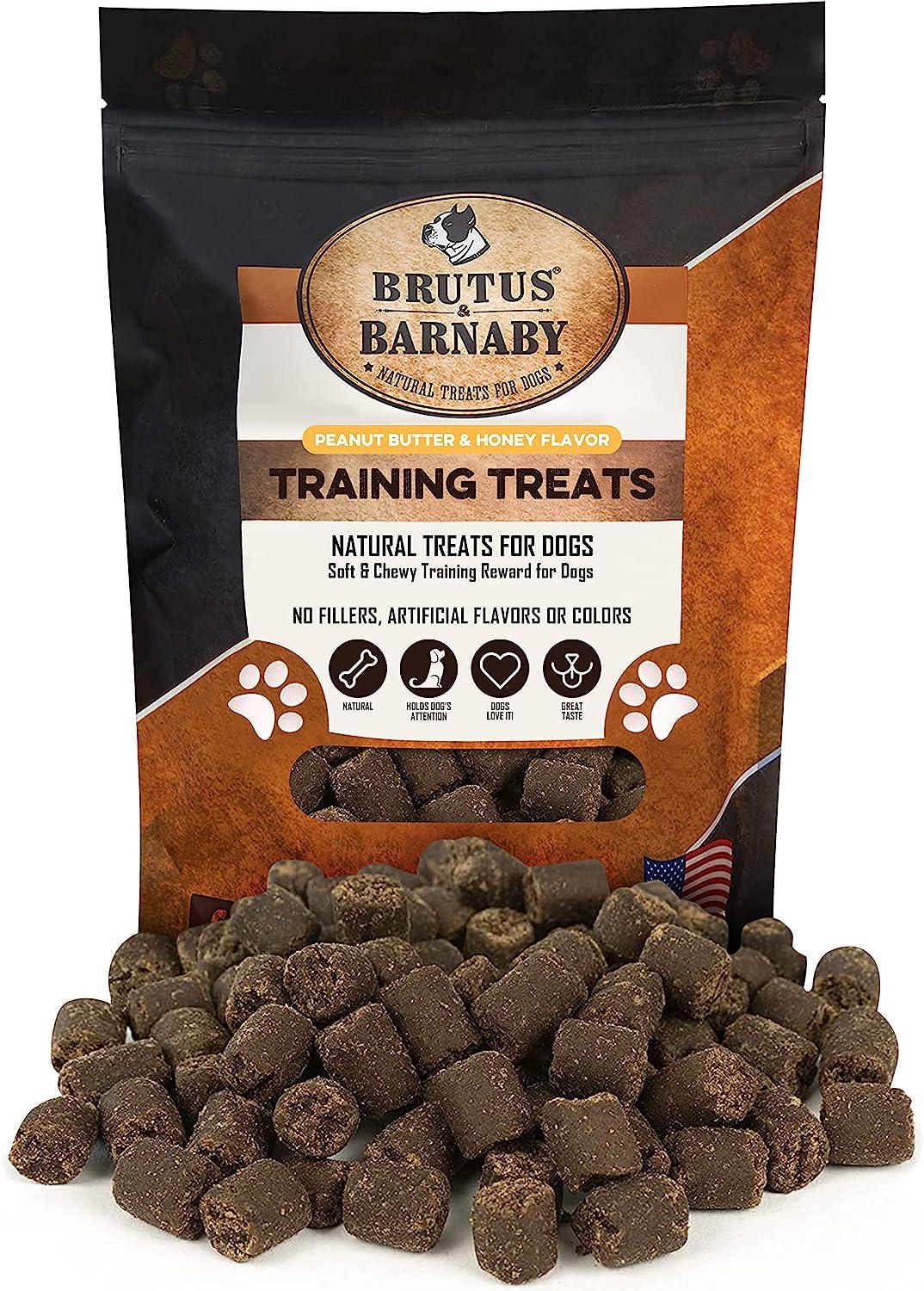
Dog Training Treats
Small, soft treats are ideal for quick rewards, recall practice, focus work, and reinforcing calm behavior.
- Great for quick rewards
- Easy to portion
- Helpful for training routines
4. Provide Appropriate Exercise
Play first, work second. If your dog has not had enough movement or mental stimulation before a training session, it can be harder for them to focus on learning.
Spend a little time playing, walking, sniffing, or doing light enrichment before training. Playtime is also a great way to build communication, trust, and engagement before asking your dog to focus.
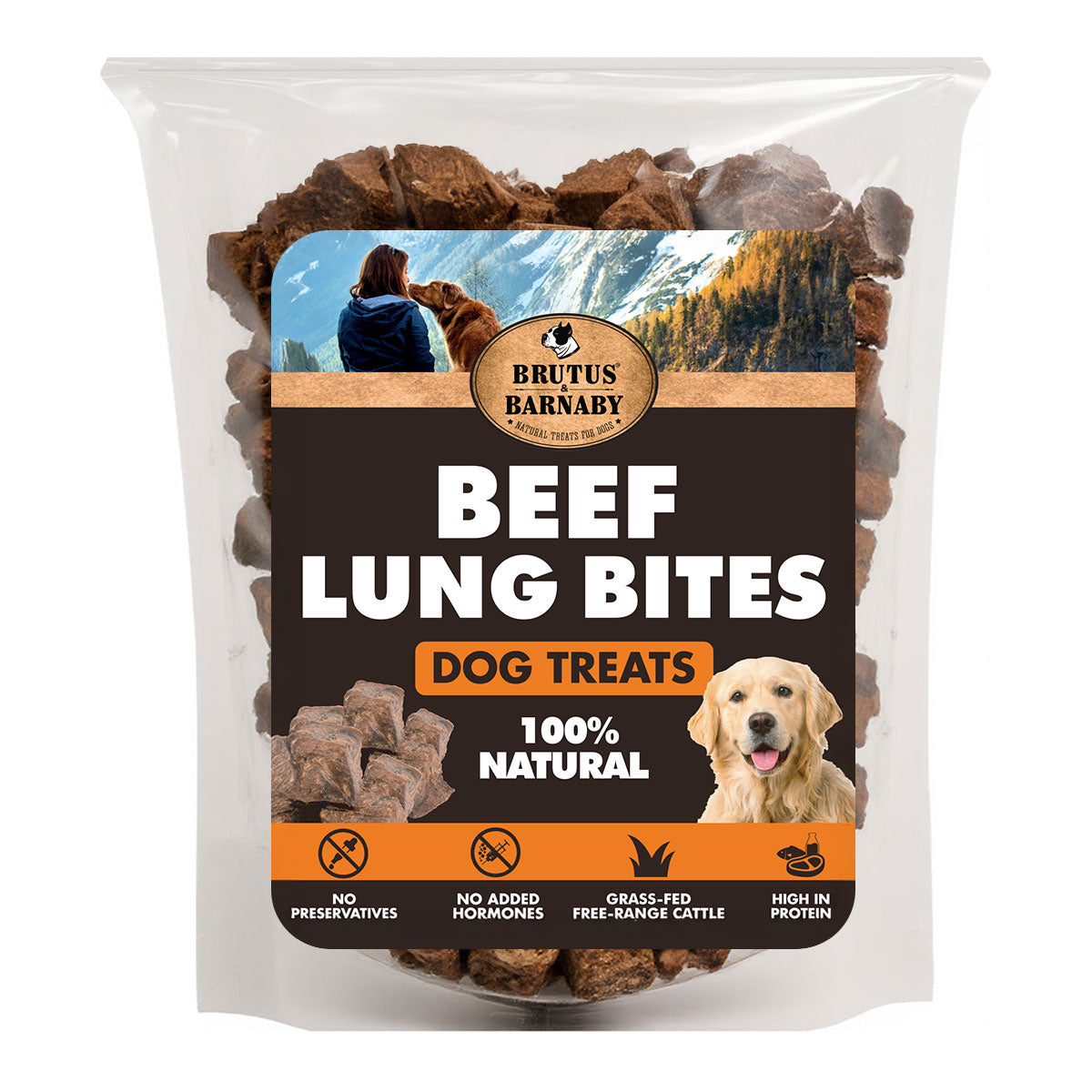
Beef Lung Bites
Light, meaty rewards can help keep your dog engaged during short focus work, recall practice, and calm behavior training.
- Great for quick rewards
- Protein-rich treat option
- Helpful for training routines
5. End Every Training Session on a Positive Note
Training should feel fun and rewarding for your dog. If your dog has been learning something difficult or seems frustrated, end the session with something they already know how to do well.
For example, after working on a harder skill, ask for an easy sit, touch, recall, or simple trick. Reward your dog, praise them, and stop while things still feel positive. This helps build a good association with training and makes your dog more excited for the next session.
Trainer habit: always end with a win. A confident dog is more likely to come back ready to learn.
Nutritional Training Treats to Make Training Easier
The right training treat should be small enough to use often, soft enough to chew quickly, and tasty enough to hold your dog’s attention. You want the reward to support the training session, not interrupt it.
Brutus & Barnaby dog training treats are made for quick rewards during training, recall, focus work, and everyday manners. They are easy to portion, easy to carry, and built for repeat use during short positive sessions.
Frequently Asked Questions
Final Takeaway
Training your dog is about more than commands. It builds communication, trust, confidence, safety, and a stronger relationship between you and your dog.
Start by understanding your dog’s body language, reward good behavior, use high-value training treats, give your dog enough exercise, and end every session on a positive note. With consistency and patience, training can become one of the most rewarding parts of life with your dog.
Make Training Terrific and Tasty
Reward recall, focus, calm behavior, and everyday manners with treats made for quick, positive training sessions.
Shop Dog Training Treats