


Why Does My Dog Drop Treats on the Floor Before Eating Them? Understanding This Behavior
Does your dog take a treat from your hand, drop it on the floor, and then pick it up to eat? Explore why dogs develop this habit, what their eating behavior may reveal, and when a change deserves attention.
Why Does My Dog Drop Treats on the Floor Before Eating Them?
A dog accepts a treat, lets it fall, sniffs it, and then eats it without hesitation. To an owner, this little routine can seem confusing. But accepting a treat and deciding exactly how to eat it are two different parts of a dog's behavior.
Some dogs prefer eating from the ground rather than directly from someone's fingers. Others take a moment to investigate a new smell, texture, or shape. The important distinction is whether your dog deliberately places the treat down or seems unable to keep food in its mouth.
Common Reasons Dogs Drop Treats Before Eating
The same action can have several explanations. Look at what your dog does immediately before and after dropping the treat rather than judging the behavior from one moment alone.
| Possible Reason | What You Might Notice | What to Consider |
|---|---|---|
| Preferred eating surface | Drops food intentionally, then eats it comfortably | Offer a clean mat or feeding surface |
| Investigating a new treat | Sniffs, pauses, or nudges the piece | Allow time without pressuring your dog |
| Size or texture adjustment | Repositions the treat before chewing | Try an appropriately sized alternative |
| Learned routine | Repeats the same sequence with familiar treats | Observe whether eating remains comfortable |
| Possible mouth discomfort | Drops food unexpectedly or struggles to chew | Arrange a veterinary examination |
These are possibilities, not diagnoses. A predictable routine in an otherwise comfortable dog is different from a sudden inability to chew. Changes in frequency, appetite, and chewing ability matter more than the dropping action alone.
Could the Type of Treat Affect This Behavior?
Treat size, shape, aroma, and texture can influence how a dog handles food. Choosing manageable pieces may make treat time easier, although changing treats will not resolve an underlying dental problem.
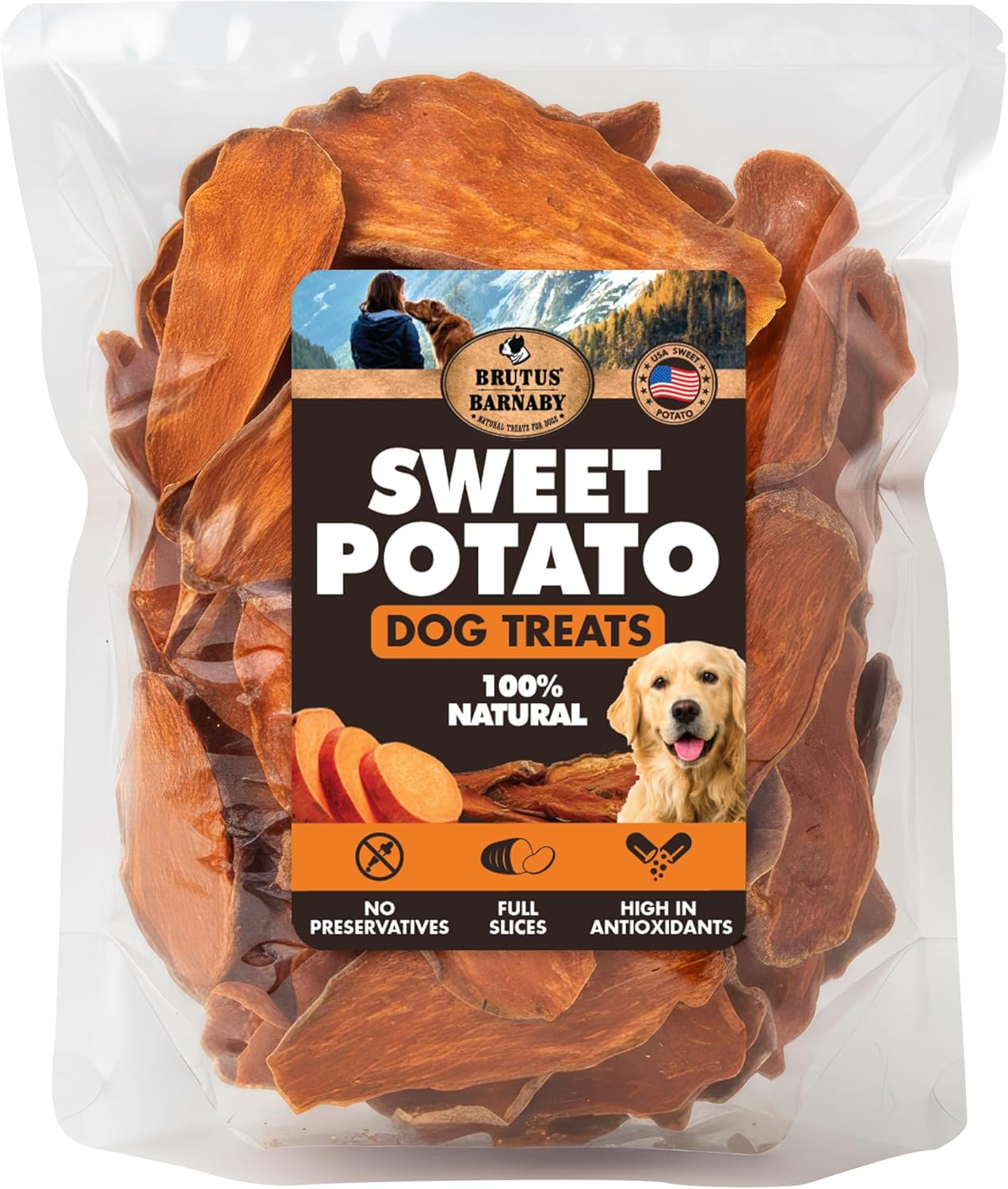
Sweet Potato Slices
Sweet potato slices offer a plant-based treat option with a different shape and chewing experience from small training rewards or meat-based jerky pieces.
- Distinct slice format for supervised treat time
- Choose pieces appropriate for your dog's chewing ability
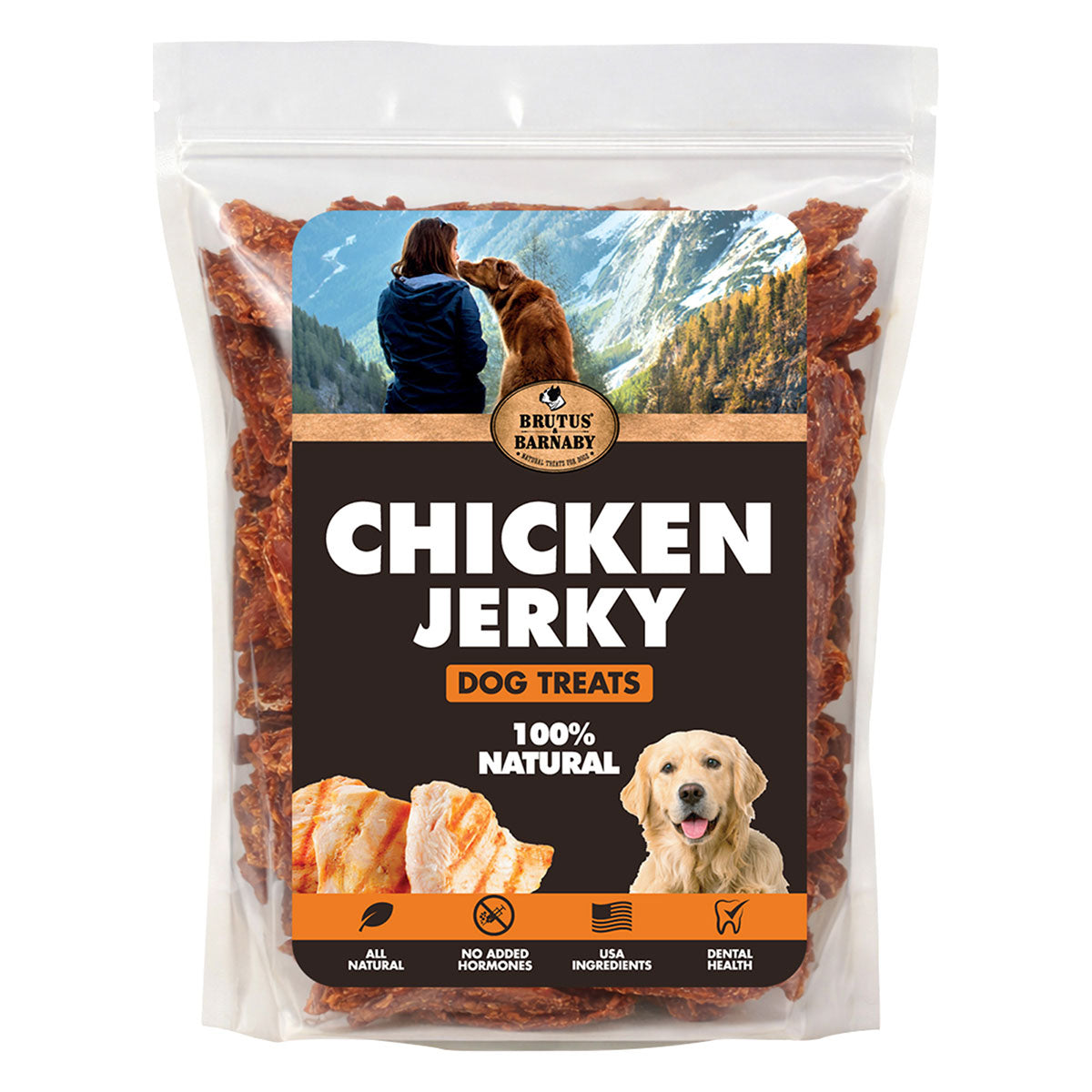
Chicken Jerky
Chicken jerky provides a meat-based alternative for dogs that enjoy chicken treats. Suitable pieces can be selected according to your dog's size and chewing preferences.
- Chicken-based treat for variety
- Offer manageable pieces under supervision
Why Some Dogs Prefer Treats on the Floor
Receiving a treat directly from a person's hand involves approaching the hand, taking the piece, and adjusting it inside the mouth. A floor or mat provides a stationary surface where the dog can inspect or reposition food.
For certain dogs, putting a treat down may simply be part of a familiar routine. Watch for relaxed body language, steady chewing, and continued interest in eating. Avoid assuming every dog has the same motivation.

Sweet Potato & Chicken Training Treats
Training treats provide a convenient alternative to larger snack pieces when practicing reward delivery, allowing owners to offer small, manageable rewards during short training sessions.
- Convenient format for reward-based activities
- Useful for practicing calm treat-taking
When the Habit Seems Harmless
- Your dog deliberately places treats down and eats them.
- Normal meals and other treats are eaten comfortably.
- The behavior is familiar and remains consistent.
When to Pay Closer Attention
- Food suddenly starts falling from the mouth.
- Your dog avoids chewing or favors one side.
- Drooling, mouth sensitivity, or appetite changes appear.
When Dropping Treats May Indicate a Dental Problem
One particularly important distinction is between setting a treat down intentionally and losing food while trying to chew. Dental pain, damaged teeth, and other oral problems can interfere with normal eating. Dogs may continue showing interest in food even when chewing hurts.
According to VCA Animal Hospitals' guidance on dental pain, warning signs include dropping food while chewing, avoiding hard treats, excessive drooling, and chewing more slowly than usual. These signs deserve veterinary assessment rather than attempts to retrain the behavior.
Puppies experiencing normal tooth changes and older dogs with possible dental issues may also need different texture considerations. However, age alone should not be used to explain persistent trouble eating.
How to Respond When Your Dog Keeps Dropping Treats
Start by identifying whether the pattern happens with every treat or only certain types. You can also compare hand-feeding with offering a treat on a clean mat. Keep the experience relaxed and avoid repeatedly placing food back into your dog's mouth.
| Situation | Practical Response | What to Watch |
|---|---|---|
| Drops treats from your hand | Offer one on a clean mat | Whether your dog eats normally afterward |
| Hesitates with unfamiliar treats | Allow a calm sniffing opportunity | Interest, comfort, and willingness to eat |
| Struggles with larger pieces | Stop offering that size or texture | Coughing, gagging, or chewing difficulty |
| Suddenly drops familiar foods | Contact your veterinarian | Other signs of oral pain or illness |
Keep treat-serving surfaces clean, especially when food touches floors used by people or other animals. Avoid allowing your dog to retrieve treats from dirty areas or locations containing household chemicals.
Should You Train Your Dog to Stop Dropping Treats?
Not necessarily. If your dog is comfortable and the habit is not creating a safety or hygiene problem, there may be no need to eliminate it. Forcing your dog to eat directly from your fingers can make treat time less enjoyable.
If you prefer cleaner reward delivery, try offering one small treat at a time, presenting it calmly, and using a designated washable mat. Reward comfortable eating without rushing your dog. The goal is a positive experience, not perfect manners at every snack.
Remember to account for all treats in your dog's daily food intake. The VCA guide to dog treats explains the general recommendation to keep treats within 10% of daily calories, unless a veterinarian advises differently.
Frequently Asked Questions
Is it normal for dogs to drop treats before eating them?
Yes, some dogs intentionally place treats on the floor before eating them. It may be a preference or familiar routine. If your dog eats comfortably and behaves normally otherwise, the habit alone does not necessarily indicate a problem.
Why does my dog drop treats but eat regular food normally?
Treats can differ from regular food in size, texture, smell, and how they are presented. Your dog may handle certain pieces differently. However, persistent difficulty with one texture, particularly hard treats, can justify a dental evaluation.
Why does my dog sniff a treat after dropping it?
Dogs use their sense of smell to investigate food. A dog may pause to examine an unfamiliar treat before eating it. This can be ordinary exploratory behavior, especially when the dog remains relaxed and eventually eats without difficulty.
Can dental pain cause a dog to drop treats?
Yes. Dental disease, damaged teeth, or other oral problems may cause food to fall from a dog's mouth during chewing. Sudden changes, excessive drooling, difficulty eating, or avoidance of hard food are reasons to arrange a veterinary examination.
How can I stop my dog from dropping treats on the floor?
Try offering smaller, manageable pieces and presenting rewards calmly. A washable feeding mat can provide a cleaner alternative. If your dog deliberately puts food down and eats normally, changing the habit may be unnecessary. Never ignore suspected chewing pain.
Make Treat Time Comfortable and Enjoyable
Every dog has its own way of enjoying rewards. Explore Brutus & Barnaby's treat selection and choose appropriate sizes, shapes, and textures that fit your dog's individual preferences and chewing ability.
Explore Training TreatsDisclaimer: This article provides general educational information about dog behavior and treat handling. It is not a substitute for veterinary diagnosis or treatment. Sudden changes in eating habits, repeated food dropping, signs of oral pain, or swallowing difficulty should be discussed with a qualified veterinarian. Always supervise treat time and select appropriately sized products.