


Can Dogs Eat Treats Before Bedtime? Evening Feeding Habits and Portion Tips
Giving your dog a small treat before bed can be a pleasant way to end the day. Learn when nighttime snacks make sense, how to manage portions, which textures to consider, and how to build a comfortable evening feeding routine.
Can Dogs Eat Treats Before Bedtime Safely?
A nighttime snack is not automatically harmful. Dogs can enjoy rewards in the evening just as they do during the day. What matters more than the clock is whether the treat fits their regular diet, physical needs, and established feeding habits.
For example, a small reward after the final potty break may reinforce a familiar routine. However, a large, calorie-dense chew immediately before sleep may be unnecessary, especially for a dog with sensitive digestion. For additional timing ideas, read our guide to the best time of day to give your dog a treat .
Which Types of Dog Treats Work Best at Night?
Not every treat serves the same purpose. A quick reward before bed is different from a long chewing session. Consider texture, portion control, and how much time you have available to supervise.
| Treat Type | Evening Use | Best Practice | What to Watch |
|---|---|---|---|
| Small training treats | Rewarding calm behavior or the final routine | Offer one or a few small pieces | Repeated rewards adding extra calories |
| Chicken jerky | An occasional protein-based reward | Break into manageable pieces | Large pieces or rapid swallowing |
| Sweet potato treats | A measured evening snack | Choose a suitable portion and texture | Individual digestive tolerance |
| Long-lasting chews | Earlier evening enrichment | Supervise and remove before sleep | Choking, tooth damage, or swallowed pieces |
| Regular kibble | A simple familiar reward | Set aside pieces from daily meals | Accidentally feeding additional portions |
For a quick bedtime reward, smaller treats are often more practical than lengthy chews. Larger chewing activities are better scheduled while someone is available to observe the dog from start to finish.
Easy-to-Portion Dog Treats for Bedtime
When choosing a nighttime reward, prioritize portion control and a texture your dog handles comfortably. These options can fit an evening routine when served appropriately.

Peanut Butter Banana Training Treats
A convenient option for rewarding quiet behavior, settling on a bed, or completing an evening routine. Small rewards make it easier to manage the amount offered.
- Useful for brief bedtime training
- Easy to include in a measured treat allowance
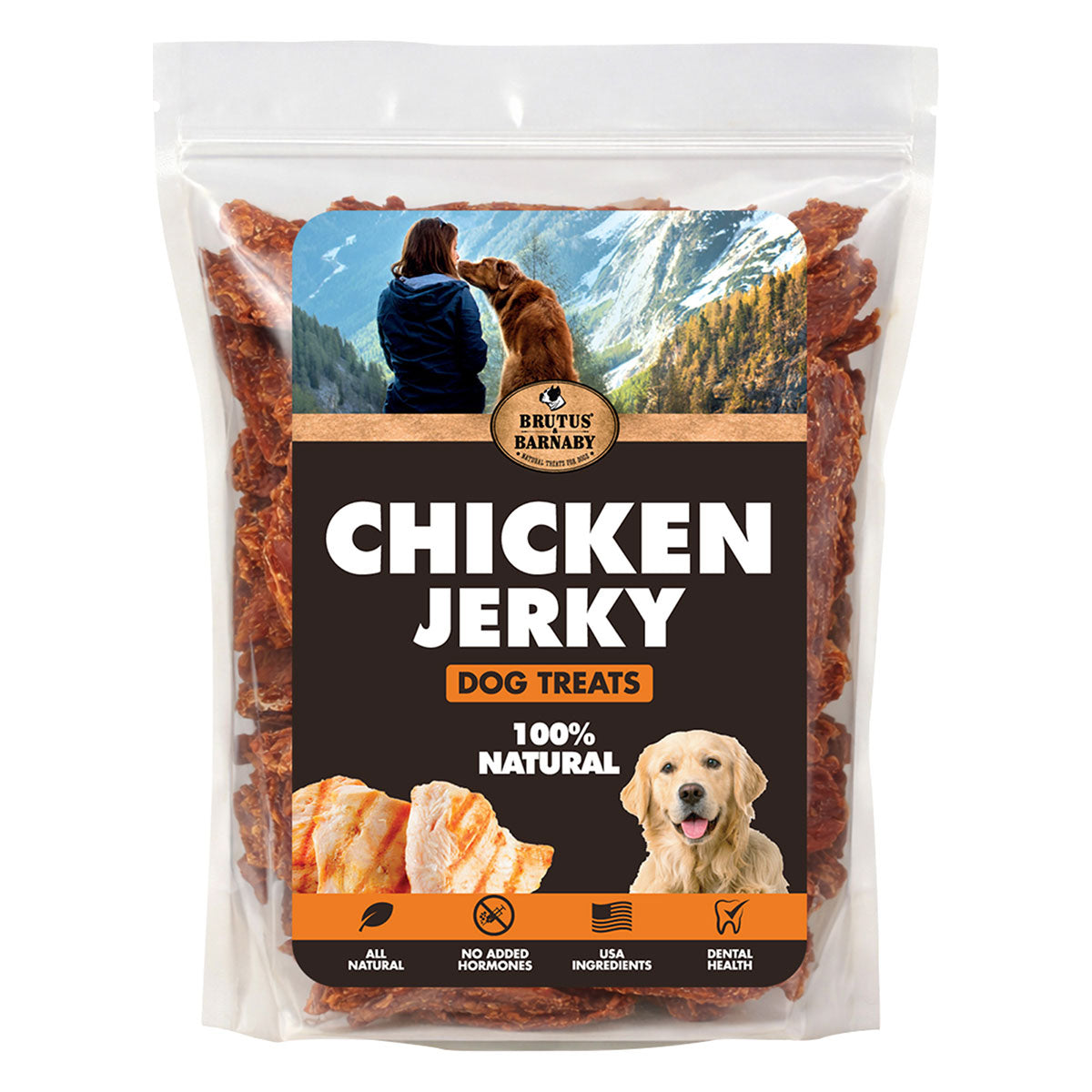
Chicken Jerky
Chicken jerky offers another option for an occasional evening reward. Break appropriately sized pieces from the treat rather than offering an unnecessarily large serving before bed.
- Can be divided into smaller rewards
- Suitable for occasional supervised treat time
How Long Before Bed Should You Give Your Dog a Treat?
There is no universally required waiting period between a small treat and sleep. Consider your dog's digestion, usual mealtime, and bathroom habits. Some dogs tolerate a tiny reward shortly before bed, while others are more comfortable when snacks are given earlier.
A larger snack or chew session may be better scheduled earlier in the evening. This allows more time for supervision, water, and any bathroom needs before the household settles down.
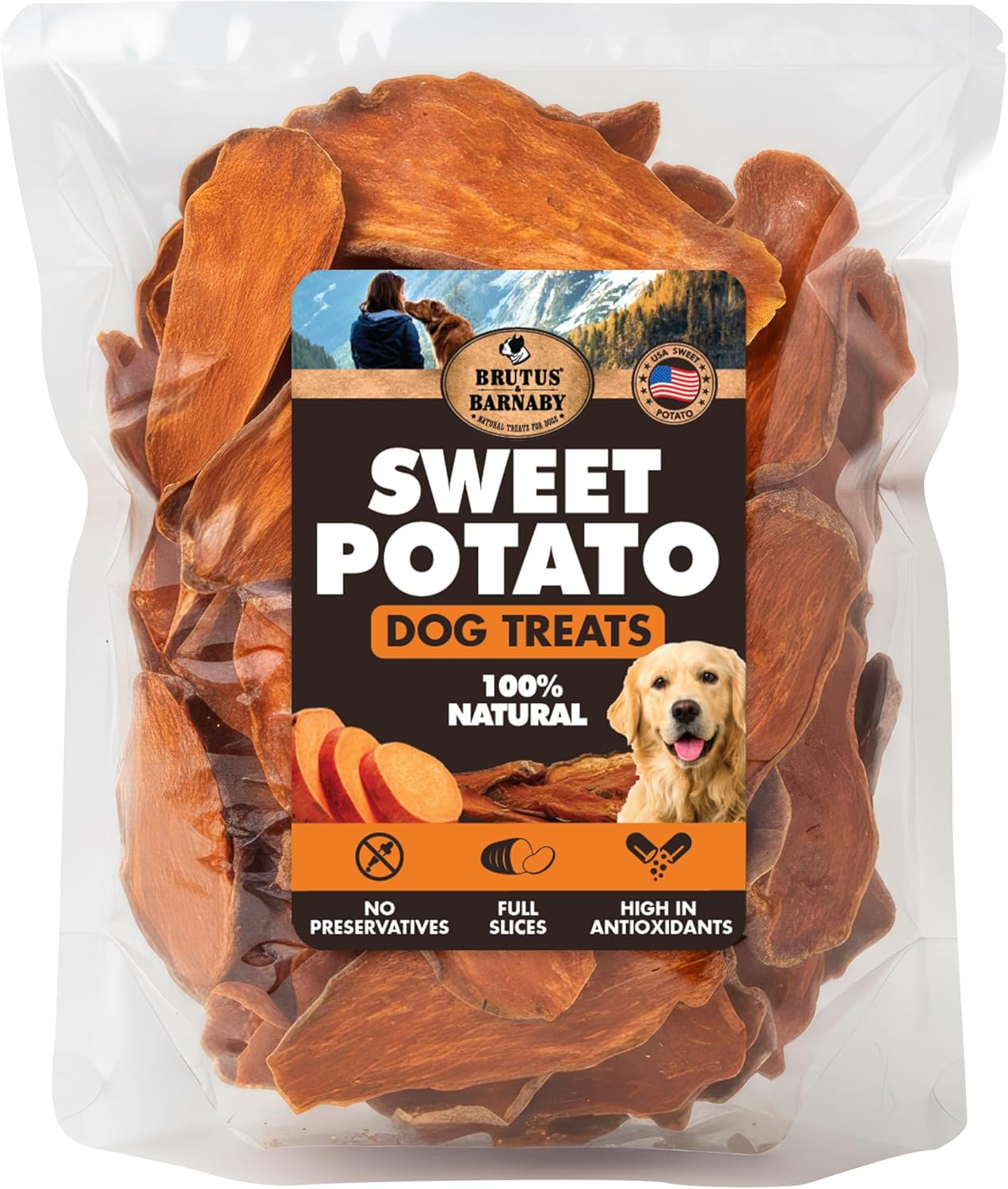
Sweet Potato Slices
Sweet potato slices offer a plant-based treat alternative for dogs that tolerate sweet potato. Choose a manageable serving and account for its calories alongside other daily rewards.
- Useful for variety in an evening treat rotation
- Portion according to size and chewing ability
Helpful Evening Habits
- Offer rewards during an established, quiet routine.
- Keep fresh drinking water accessible.
- Allow a final potty opportunity when needed.
Habits Worth Avoiding
- Offering additional snacks every time your dog asks.
- Introducing several unfamiliar treats at night.
- Leaving a chew available while your dog sleeps.
How Many Treats Can Dogs Have Before Bed?
The right number depends on the calories in each treat, your dog's size, and everything else eaten during the day. One large chew may contain more calories than several small rewards, so counting pieces alone can be misleading.
A widely used veterinary nutrition guideline is that treats and snacks should provide no more than 10% of a dog's daily calories, with the remaining nutrition supplied by complete and balanced food. The VCA Animal Hospitals dog treat guide explains why portions should be considered within the complete diet.
What About Dogs With Sensitive Stomachs?
Dogs with digestive sensitivities may do better with familiar foods and consistent portions. Rich snacks, sudden diet changes, or excessive treats can contribute to stomach upset in some dogs. If nighttime vomiting, diarrhea, or discomfort occurs repeatedly, speak with your veterinarian rather than simply changing the feeding schedule.
Puppies, senior dogs, and dogs on prescription diets may require a different approach. Check with your veterinary team before introducing new bedtime snacks if your dog has diabetes, pancreatitis, food allergies, or another condition requiring dietary management.
Building a Simple Evening Treat Routine
A consistent sequence can make bedtime predictable without requiring an extra meal. Adapt the following routine to your dog's activity level, bathroom needs, and normal feeding schedule.
| Evening Moment | Suggested Habit | Treat Consideration |
|---|---|---|
| After dinner | Allow relaxed family time and normal digestion. | Avoid unnecessary second meals. |
| During evening downtime | Offer supervised enrichment when appropriate. | Remove unfinished chews before sleep. |
| After the final potty break | Reinforce a familiar behavior or routine. | Use a small, pre-measured reward. |
| At bedtime | Provide a comfortable, quiet resting space. | No additional treat is necessary. |
If your dog begins demanding a snack at the same time every night, consider whether the routine rewards calm behavior or unintentionally encourages persistent begging. Quiet praise or another nonfood reward may be a useful alternative.
For more help evaluating everyday treats, see what to look for before feeding dog treats . The best choice depends on the individual dog's appetite, chewing habits, and dietary needs.
Frequently Asked Questions About Bedtime Dog Treats
Is it okay to give my dog a treat right before sleeping?
Yes, many healthy dogs can have a small, familiar treat shortly before bedtime. Keep portions reasonable, avoid unfamiliar ingredients, and consider whether your dog needs another bathroom break. Always finish any supervised chewing activity before leaving your dog to sleep.
Do bedtime treats make dogs gain weight?
Bedtime itself does not automatically cause weight gain. Consistently eating more calories than needed is the main concern. Include nighttime snacks in your dog's total daily food and treat allowance, and adjust portions based on veterinary advice when necessary.
Can dogs eat sweet potato treats at night?
Yes, dogs that tolerate sweet potato can generally enjoy an appropriately sized sweet potato treat in the evening. Account for its calories, select a safe texture, and avoid excessive servings. Introduce new foods gradually rather than immediately before bedtime.
Should I give my dog a chew before bed?
A suitable chew can be offered during supervised evening downtime, but it should not be left with a sleeping or unattended dog. Choose a chew appropriate for your dog's size and chewing style, and remove it before ending supervision.
What if my dog expects a treat every night?
A predictable small reward can be part of a bedtime routine if it fits the daily diet. If begging becomes persistent, try rewarding calm behavior instead of demands, reducing the portion, or using some regular kibble set aside from meals.
Make Every Treat Part of a Thoughtful Routine
From small training rewards to natural sweet potato snacks, explore Brutus & Barnaby treats that can fit your dog's daily routine. Choose suitable portions, reward good habits, and keep nighttime snack time simple.
Shop Training TreatsDisclaimer: This article is for general educational purposes only and does not replace professional veterinary advice. Treat timing, portion sizes, and ingredient suitability depend on your dog's age, size, health, digestion, and individual needs. Treats are not substitutes for a complete and balanced diet. Always provide fresh water, supervise chewing, and remove potentially unsafe chew pieces. Consult your veterinarian about persistent digestive symptoms, dietary restrictions, weight concerns, or changes in appetite or nighttime behavior. Follow current product packaging for ingredients and feeding information.