


Why Does My Dog Only Accept Treats From Certain People? Understanding Food Preferences
Does your dog happily accept treats from you but ignore the same snack from someone else? Learn how familiarity, trust, body language, and food preferences influence treat acceptance, plus simple ways to make new interactions more comfortable.
Quick Answer: Dogs may accept treats from certain people because they feel more familiar, relaxed, or comfortable around those individuals. Previous experiences, a person's movements, the surrounding environment, and the way food is offered can all influence the response. Refusing a treat does not automatically mean your dog dislikes the person or the food. Give your dog space, observe body language, and avoid forcing interactions.
Why Does My Dog Only Accept Treats From Certain People?
Dogs learn to associate different people with particular experiences. Someone who regularly feeds, walks, or gently trains a dog may become a familiar source of rewards. Another person offering exactly the same treat may receive a completely different reaction.
The difference is not always about flavor. A dog may enjoy a snack but hesitate because the person holding it feels unfamiliar. Understanding your dog's comfort level is just as important as choosing an appealing reward. Our dog training guide covers positive reinforcement and reading body language, while our guide to treats for picky dogs explains how food preferences can also affect acceptance.
Simple rule: When your dog refuses a treat from someone, consider the person, environment, and delivery method before assuming the snack is the problem. Comfort should come before food acceptance.
5 Reasons Dogs Prefer Treats From Certain People
Several factors can influence whether your dog approaches a person for food. Some relate to social comfort, while others involve reward history or the way a treat is presented.
| Possible Reason | Why It Matters | What You Can Try |
|---|---|---|
| Familiarity | Known people may feel more predictable. | Allow quiet, gradual introductions. |
| Previous experiences | Positive or unpleasant interactions can shape expectations. | Build new positive associations without pressure. |
| Body language | Direct reaching, leaning, or staring may feel uncomfortable. | Use relaxed movements and provide space. |
| Food preferences | Some treats may be more motivating than others. | Compare familiar, dog-safe reward options. |
| Environment | Noise, crowds, and distractions may reduce interest in food. | Practice in a quieter, familiar setting. |
A dog that refuses food in one situation may readily accept the same treat somewhere calmer. Look at the whole interaction rather than treating one refusal as proof of a permanent preference.
The VCA Animal Hospitals guide to why dogs prefer certain people discusses how familiar routines, body language, and previous experiences can shape relationships.
Choose Familiar, Easy-to-Offer Training Treats
For dogs that are already comfortable enough to participate, small rewards can support positive training experiences. Start with treats your dog knows and enjoys rather than constantly introducing something new.

Peanut Butter & Banana Training Treats
Peanut butter and banana flavored training treats offer a convenient option for short, positive reward sessions when your dog is relaxed and interested in participating.
- Convenient for repeated training rewards
- Easy to incorporate into short sessions

Sweet Potato & Chicken Training Treats
Combining sweet potato and chicken flavors, these training treats provide another reward option for dogs that enjoy savory snacks during familiar, low-pressure activities.
- Sweet potato and chicken flavor combination
- Practical option for positive reinforcement
How Can You Help Your Dog Accept Treats From Other People?
Start by removing the pressure to interact. A visitor can sit or stand sideways at a comfortable distance, avoid reaching toward the dog, and allow your dog to choose whether to approach. A familiar person can provide rewards while the visitor remains nearby.
For a dog showing mild hesitation, a reward that your dog already enjoys may make the exercise more engaging. However, an especially tasty snack should never be used to lure a frightened dog closer than they willingly want to go.
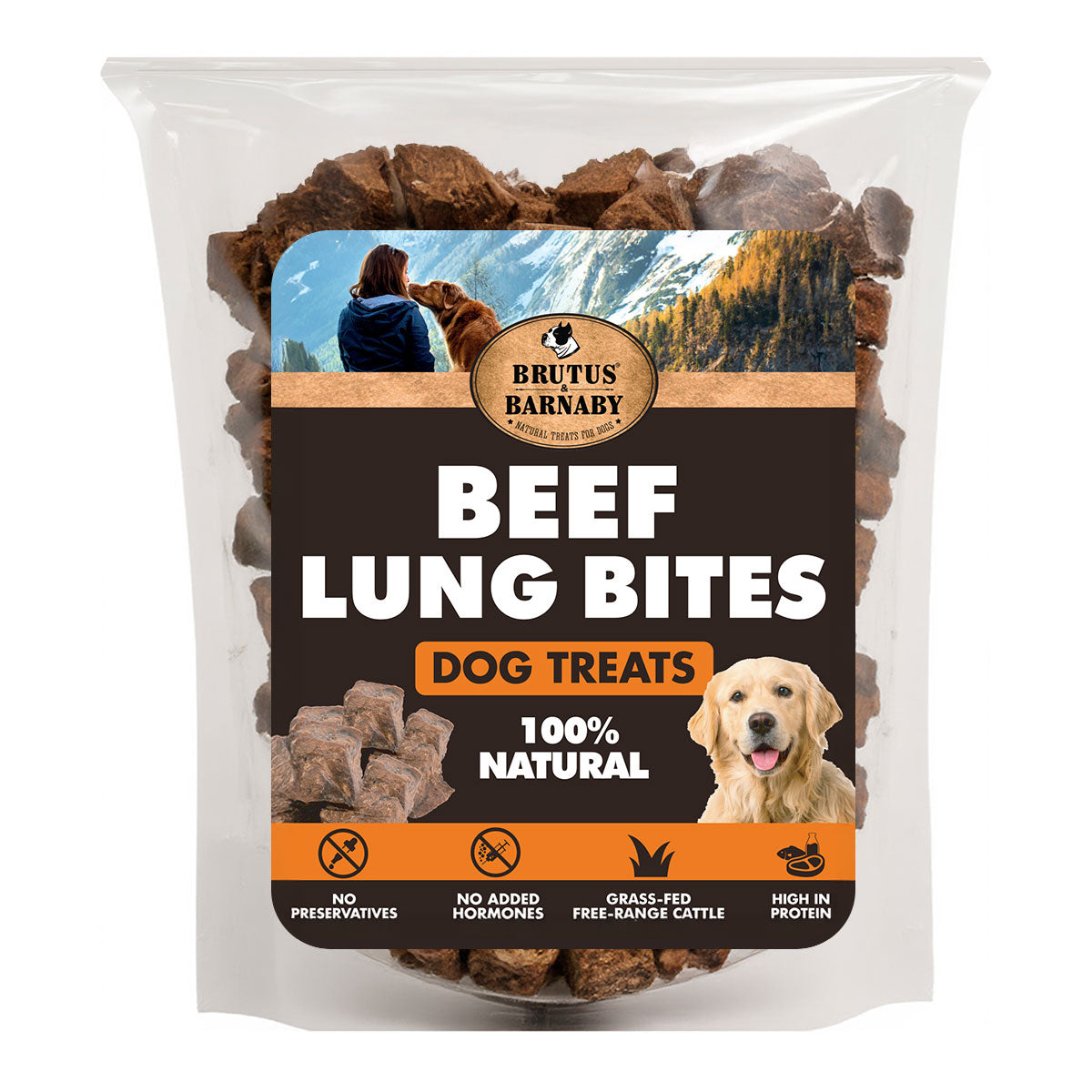
Beef Lung Bites
These beef lung treats provide a meat-based reward alternative for dogs that prefer beef flavors. Offer appropriately sized pieces during calm, supervised interactions.
- Beef-based treat option
- Can be portioned for reward activities
Helpful Approaches
- Let your dog choose whether to approach.
- Have familiar people reward calm behavior.
- Use a quiet environment and predictable movements.
What to Avoid
- Forcing treats into your dog's mouth.
- Asking visitors to corner or chase your dog.
- Using food to lure a frightened dog into contact.
As comfort improves, the visitor may eventually be able to place or gently toss a treat away from themselves, giving the dog space to retreat. Direct hand-feeding is not a required goal. The American Kennel Club's guide to helping dogs feel less fearful of strangers describes gradual, reward-based approaches.
Is It About Food Preferences or Trust?
One useful way to explore the difference is to observe whether your dog accepts the same familiar treat when it is offered in different ways. For example, your dog might refuse a snack directly from a visitor's hand but eat it after a trusted person places it on the floor.
This pattern may suggest that the interaction itself matters more than the treat's flavor. It does not identify the cause with certainty, however. Distraction, appetite, environmental stress, and physical discomfort can produce similar behavior.
Watch Your Dog's Body Language
A dog that turns away, freezes, backs up, tucks its tail, repeatedly licks its lips, or hides may be uncomfortable. Stop the interaction and allow more distance. Avoid interpreting every refusal as stubbornness, disobedience, or an invitation to offer increasingly tempting food.
If your dog suddenly begins refusing treats from familiar people, particularly alongside reduced appetite, dental discomfort, vomiting, or other behavioral changes, consult your veterinarian. Persistent fear or defensive behavior around people may benefit from an individualized plan developed with a qualified reward-based behavior professional.
A Simple Guide to Building Comfort Around New People
Focus on calm experiences rather than how quickly your dog will take food from someone. Progress at a pace that allows your dog to remain relaxed, and stop or increase distance if discomfort appears.
| Step | What to Do | What to Watch |
|---|---|---|
| 01 — Observe | Notice when and with whom your dog accepts food. | Comfort, appetite, distance, and surroundings. |
| 02 — Create Space | Ask visitors to remain calm and avoid approaching. | Relaxed movement and voluntary engagement. |
| 03 — Reward Calmness | Have a trusted person offer small familiar rewards. | Comfortable eating without hesitation or tension. |
| 04 — Progress Gradually | Change only one part of the interaction at a time. | Continued relaxation and freedom to move away. |
Important behavior and feeding note: A frightened dog may be too stressed to eat. Never withhold regular meals to encourage acceptance from strangers, and do not force greetings or punish avoidance. Count training treats toward your dog's daily calorie intake and choose pieces appropriate for their size and chewing ability.
Frequently Asked Questions
Your dog may feel safer with you because of familiar routines and positive experiences. Strangers can introduce unfamiliar movements, scents, and social pressure. Refusing a treat does not necessarily mean your dog dislikes strangers; it may simply indicate uncertainty or discomfort.
Dogs may develop stronger expectations around the person who most often feeds, trains, or rewards them. Another family member can build positive associations through predictable, gentle interactions. Avoid pressuring the dog to accept food, especially if they show signs of discomfort.
Not necessarily. Direct hand-feeding can feel intimidating to a nervous dog. A better starting point may be for the stranger to remain at a comfortable distance while a trusted person provides rewards. Let your dog's behavior determine whether closer interactions are appropriate.
Yes. Fear, stress, or overwhelming distractions can reduce a dog's willingness to eat, even when the treat is normally appealing. Move to a calmer environment and give your dog space. Persistent anxiety or significant behavior changes should be discussed with a veterinarian or qualified behavior professional.
Appealing rewards can support gradual positive associations when your dog is relaxed enough to eat. They should not be used to lure a fearful dog toward someone. Work at a comfortable distance, keep interactions optional, and prioritize your dog's sense of safety.
Make Treat Time Comfortable and Rewarding
Explore Brutus & Barnaby treats for positive training and everyday rewards. Choose flavors your dog enjoys, offer appropriately sized portions, and let patience and comfort guide every interaction.
Shop Training Treats