


How to Reward Dogs for Calm Greetings Without Encouraging Jumping
Teaching your dog to greet people calmly starts with rewarding the right behavior. Learn when to offer treats, how to reinforce four paws on the floor, and how to practice polite greetings without accidentally encouraging jumping.
Quick Answer: To reward dogs for calm greetings without encouraging jumping, offer a small treat immediately when all four paws are on the floor or your dog performs a familiar behavior such as sitting. Deliver rewards low, near your dog's nose, instead of holding them overhead. If your dog jumps, calmly pause the greeting and resume rewarding once the desired behavior returns. Consistency, timing, and short practice sessions help establish polite greetings.
How to Reward Dogs for Calm Greetings
Dogs often jump during greetings because they are excited and want attention. If jumping regularly produces petting, conversation, or physical interaction, dogs may learn to repeat it. Reward-based training changes that pattern by making calm behavior more rewarding than jumping.
Start with a simple goal: your dog keeps four paws on the floor when someone approaches. Sitting is another option, but it is not mandatory. Our dog training tips explain the importance of consistency, while the dog treat reward ladder helps match rewards to different training situations.
Simple rule: Calm behavior earns treats and friendly attention. Jumping pauses the interaction. Reward your dog while their paws remain on the floor, rather than waiting for excitement to build.
Which Greeting Behaviors Should You Reward?
A dog does not need to remain perfectly still to offer a polite greeting. The goal is to encourage behaviors that allow people to approach comfortably without being jumped on.
| Greeting Behavior | Recommended Response | Training Purpose |
|---|---|---|
| Four paws on the floor | Mark and reward immediately. | Reinforces a grounded greeting. |
| Sitting calmly | Offer a small treat and quiet praise. | Builds an alternative to jumping. |
| Standing without jumping | Reward before excitement increases. | Encourages polite standing greetings. |
| Jumping toward someone | Pause attention and create space. | Avoids rewarding the jump. |
| Returning to a calm position | Resume praise and reward. | Reinforces the desired alternative. |
Timing matters more than requiring a complicated command. A dog that briefly stands calmly deserves reinforcement before jumping begins. The American Kennel Club's guidance on stopping jumping also emphasizes teaching an appropriate greeting behavior and rewarding it consistently.
Choose Small Treats for Practicing Calm Greetings
Greeting practice involves rewarding several small moments of good behavior. Choose treats your dog enjoys that can be delivered quickly without lengthy chewing or interrupting the interaction.

Peanut Butter & Banana Training Treats
Peanut butter and banana flavored training treats offer a convenient reward option for practicing polite greetings, reinforcing short moments of calm behavior, and maintaining your dog's attention.
- Convenient for repeated reward-based practice
- Useful for reinforcing four paws on the floor

Sweet Potato & Chicken Training Treats
These sweet potato and chicken flavored training treats provide another reward choice for practicing calm greetings with family members, visitors, and other familiar people.
- Useful for short, repeated training exercises
- Alternative flavor for maintaining engagement
How to Deliver Treats Without Triggering Jumping
Even an appropriate treat can encourage jumping if presented too high or used to excite your dog. Keep rewards near nose level, close to the floor, or gently place them on the ground. Deliver the reward as soon as the correct behavior appears, rather than waving food above your dog's head.
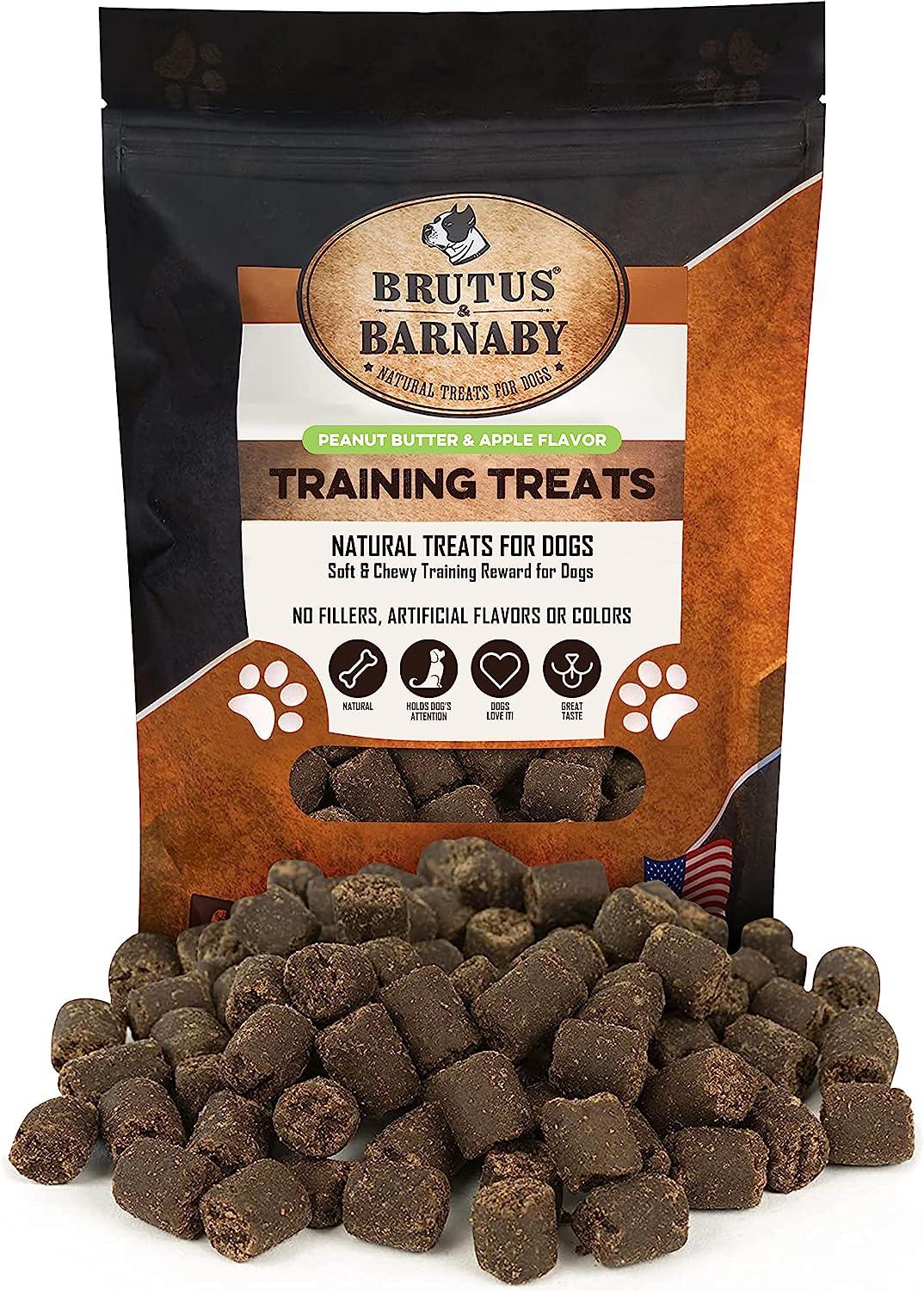
Peanut Butter & Apple Training Treats
Peanut butter and apple flavored training treats provide another option for rewarding polite greetings, practicing basic cues, and keeping rewards varied across short training sessions.
- Suitable for rewarding familiar training cues
- Useful for rotating approved training flavors
Reward These Moments
- Your dog approaches with paws grounded.
- Your dog sits or stands calmly near a visitor.
- Your dog remains settled during brief attention.
Avoid These Mistakes
- Holding treats above your dog's head.
- Petting or exciting your dog during jumping.
- Letting different visitors use conflicting rules.
Why Dogs Keep Jumping Even When You Use Treats
Jumping may continue when the timing of reinforcement is inconsistent. For example, a dog might jump, receive attention, return to the floor, and then receive a treat. Although rewarding the return to the floor is useful, repeatedly allowing jumping to start the interaction can make the overall training pattern confusing.
Practice with manageable situations before introducing exciting visitors. Ask a familiar person to approach slowly while your dog is on a comfortable leash or behind a suitable barrier. Reward grounded behavior before the person reaches your dog. If jumping begins, have the person pause or step back without shouting, pushing, or grabbing.
If your dog becomes too excited to take a treat or respond to familiar cues, increase the distance from the visitor and simplify the exercise. The AKC's four-on-the-floor training guide describes using controlled approaches and floor-level rewards to help dogs practice appropriate greetings.
Keep treats small enough for your dog's size and chewing ability. Training treats contribute to daily calorie intake, so account for them alongside meals and other snacks. Dogs with food sensitivities or special dietary needs may require a veterinarian-approved reward option.
A Step-by-Step Calm Greeting Training Routine
Begin in a quiet environment with a familiar helper. The aim is to build a reliable connection between polite behavior and positive attention before practicing with visitors who create more excitement.
| Training Step | What to Do | What to Reward |
|---|---|---|
| 01 — Prepare | Have small treats ready before a person approaches. | Your dog's initial calm attention. |
| 02 — Approach | Ask the helper to approach slowly and briefly. | Four paws remaining on the floor. |
| 03 — Greet | Allow quiet attention while your dog stays grounded. | Calm standing, sitting, or relaxed behavior. |
| 04 — Repeat | Practice short greetings and gradually increase difficulty. | Consistent polite behavior with fewer food prompts. |
Important training note: Never force greetings when your dog appears frightened, overwhelmed, or uncomfortable. Give the dog space and avoid punishment or physical corrections. For persistent jumping, intense fear, growling, or attempts to bite, consult a qualified reward-based behavior professional or veterinarian for individualized support.
Frequently Asked Questions
Frequent rewards are helpful during early training because they make the desired behavior clear. Once your dog consistently greets people politely, gradually vary food rewards while continuing to use calm praise, petting when welcomed, and friendly attention.
Both can work. Sitting provides a clear alternative behavior, while standing with four paws on the floor is also an appropriate greeting. Choose a behavior your dog can perform comfortably and reinforce it consistently around different people.
Calmly pause the interaction and ask the approaching person to step back. When your dog returns to the floor, reward the appropriate behavior. During the next attempt, increase the distance or begin rewarding earlier to help prevent jumping.
Yes. Some dogs respond well to pieces of their regular kibble during easy practice sessions. More distracting situations may require a different reward your dog values. Use appropriately sized portions and consider the calories within your dog's daily food allowance.
Progress varies with your dog's age, previous habits, excitement level, and opportunities to practice. Some dogs improve quickly in controlled situations but need more time around unfamiliar visitors. Consistent rules, short sessions, and gradual increases in difficulty support lasting improvement.
Make Every Calm Greeting Worth Rewarding
Explore Brutus & Barnaby training treats for rewarding four paws on the floor, practicing polite greetings, and building positive habits. Choose a flavor your dog enjoys and keep each reward appropriately sized.
Shop Dog Training Treats