



Can You Store Different Dog Treats in the Same Container? Freshness and Food Safety Tips
Keeping several dog treats in one container may seem convenient, but different ingredients and textures can affect freshness. Learn when treats can share storage space, why separation is usually better, and how to protect natural chews and snacks.
Quick Answer: You can keep different dog treats inside the same larger storage container if each variety remains in its own securely closed, labeled packaging. However, mixing loose treats together is generally not recommended. Differences in moisture, oils, ingredients, and storage requirements can affect freshness and make expiration dates harder to track. Keeping varieties separated helps protect their quality and makes daily treat selection easier.
Can You Store Different Dog Treats in the Same Container Safely?
Many dog owners rotate between crunchy training rewards, chewy sweet potato snacks, and natural animal-based chews. Storing everything in one large jar might save space, but the treats may not have identical storage requirements.
A better approach is to group individually sealed packages inside one storage bin. Our guide to storing dog treats and chews explains everyday freshness habits. You can also explore year-round dog treat storage tips for managing different types of natural treats.
Simple rule: One storage bin can hold several treat varieties, but each type should stay in its own sealed, labeled bag or compartment. Never combine new treats with older leftovers just to save container space.
Which Dog Treats Should Be Stored Separately?
Treat texture, ingredient composition, and moisture content influence storage decisions. Some dry products have similar handling requirements, while softer snacks, meat-based treats, and powdered toppers can benefit from separate packaging.
| Treat Type | Recommended Storage | Why Separation Helps |
|---|---|---|
| Crunchy training treats | Sealed original bag or clean, dry container | Helps protect crunch and limit loose crumbs. |
| Sweet potato treats | Separate, tightly sealed packaging | Helps preserve their intended chewy texture. |
| Jerky and dried meat treats | Individual sealed bags following label directions | Limits odor transfer and contact with other treats. |
| Bully sticks and natural chews | Dry, secure packaging away from moisture | Prevents crumbs and contact with other products. |
| Powdered food toppers | Original tightly closed packaging | Reduces exposure to humidity and wet utensils. |
These are general handling guidelines rather than universal storage rules. Always follow the individual product label, especially when a treat requires refrigeration or has specific instructions after opening. Keeping original packaging also preserves important product information.
Keep Everyday Dog Treats Fresh and Easy to Reach
A practical treat station can hold a few favorite rewards without mixing their contents. These Brutus & Barnaby options fit different snacking routines when stored individually according to their packaging instructions.
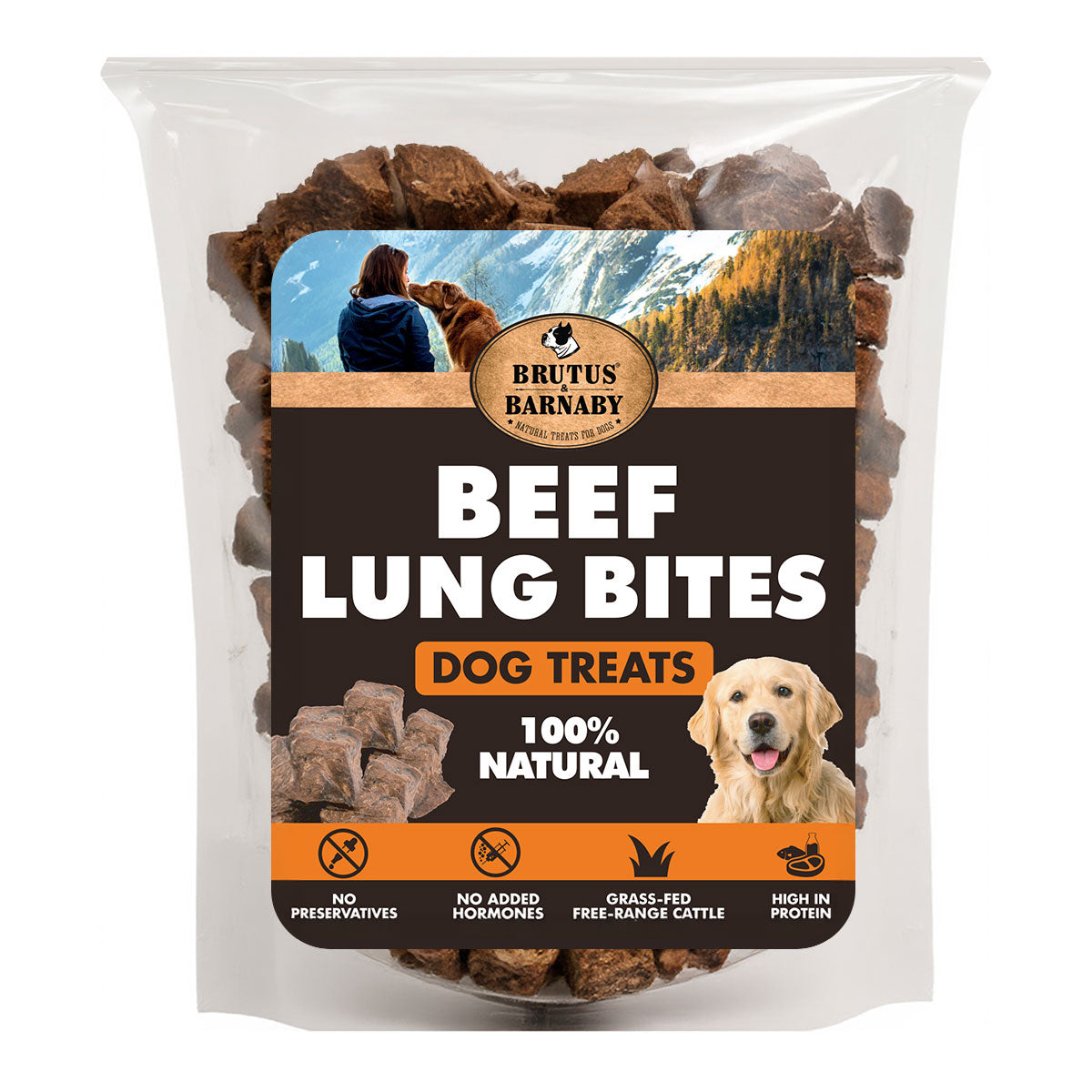
Beef Lung Bites
These dried beef lung treats offer a convenient option for rewarding your dog during training. Keep them sealed separately to manage crumbs and protect their texture.
- Dried beef lung reward pieces
- Store separately in a clean, dry container
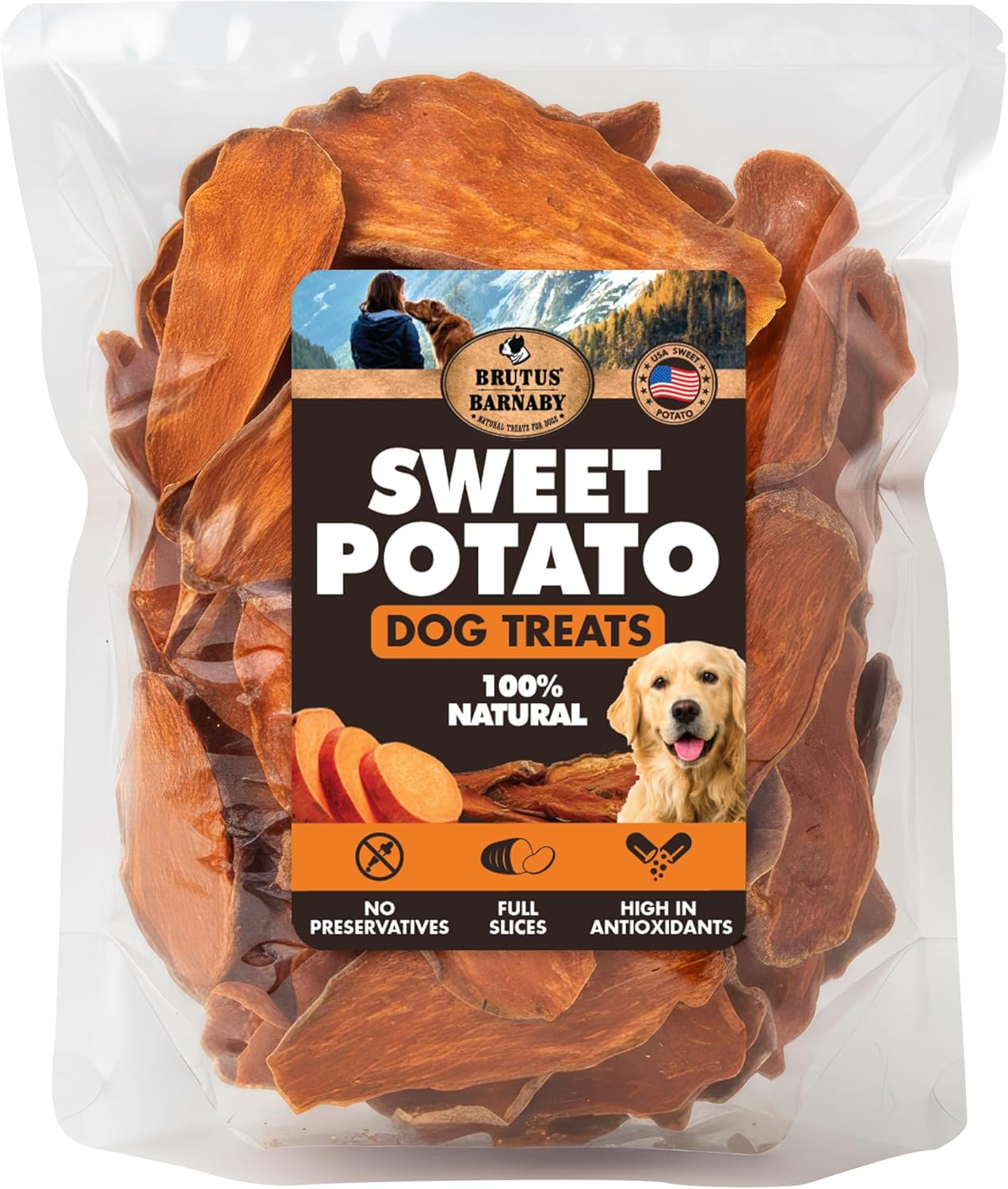
Sweet Potato Slices
Made from sweet potato, these chewy treats provide a plant-based snack option. Store them in their own sealed packaging rather than mixing them with crunchy meat treats.
- Sweet potato-based chewy snack
- Keep sealed to protect texture and freshness
Can Dry Dog Chews Share the Same Storage Bin?
Different dry chews can occupy the same larger pantry bin when their individual packages remain closed and their storage requirements are compatible. This keeps supplies organized without allowing treats to rub against one another, exchange crumbs, or become difficult to identify.
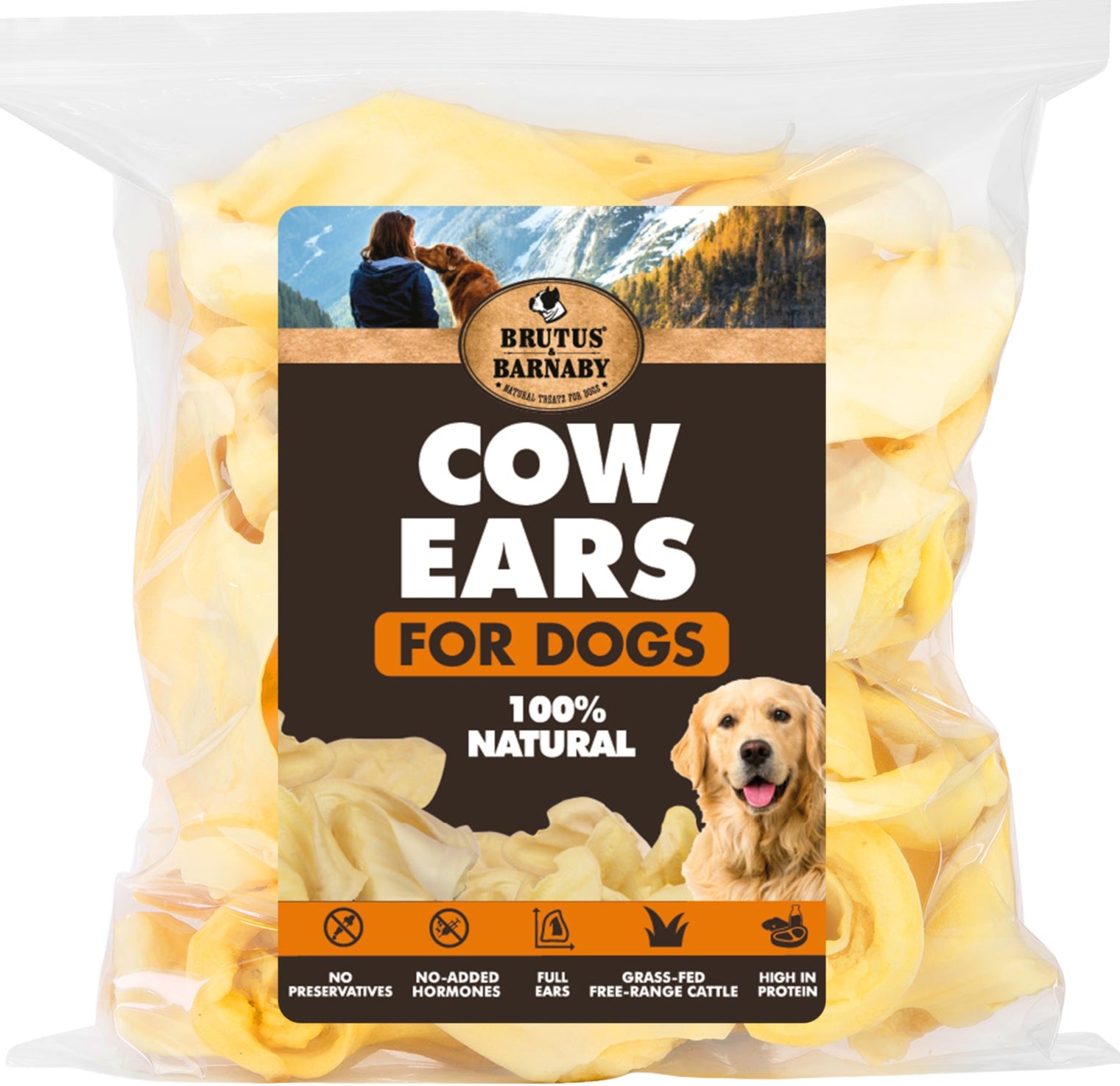
Cow Ears
Natural cow ears offer a different chewing experience from smaller training treats. Keep them dry, securely packaged, and separate from everyday reward pieces between supervised chewing sessions.
- Natural animal-based chew
- Store securely away from moisture
Good Shared Storage Habits
- Keep each variety inside its own sealed bag.
- Label packages with opening and best-by dates.
- Place the larger bin in a cool, dry cabinet.
Storage Mistakes to Avoid
- Mixing loose treats with different textures.
- Adding fresh treats over old crumbs.
- Storing damp chews beside unopened treats.
Why Mixing Dog Treats Can Affect Freshness and Food Safety
Moisture is one important concern. A softer or improperly stored treat can introduce moisture into a shared container, potentially affecting drier products. A container lid helps limit outside exposure, but it cannot guarantee that incompatible treats will remain fresh when mixed together.
Different treats may also contain distinct proteins or other ingredients. Keeping them separate is especially important when a dog has a known food allergy, dietary restriction, or suspected sensitivity. Shared crumbs can make it difficult to control which ingredients the dog receives.
Product identification matters too. The FDA's pet food and treat storage guidance recommends retaining original packaging information, including lot numbers, manufacturer details, and best-by dates. These details can be important if a product is recalled or a quality problem is reported.
Inspect treats before serving. Visible mold, unusual discoloration, unexpected dampness, or rancid odors are reasons to discard a questionable product. Do not assume that removing one spoiled piece makes the remaining contents safe.
How to Organize Different Dog Treats in Four Simple Steps
You do not need an elaborate storage system. A few labeled packages and one accessible pantry location can keep your dog's treats organized while reducing unnecessary handling and exposure.
| Step | What to Do | Why It Helps |
|---|---|---|
| 01 — Separate | Keep each treat variety in its own closed package. | Limits mixing, crumbs, and ingredient contact. |
| 02 — Label | Retain product details, dates, and lot numbers. | Makes freshness checks and identification easier. |
| 03 — Store | Use a secure, cool, dry pantry location. | Reduces exposure to heat and humidity. |
| 04 — Rotate | Check older packages before opening new ones. | Helps prevent forgotten or expired treats. |
When transferring dry treats into a reusable container, wash away previous crumbs and residue, then dry the container completely before refilling. Use clean, dry hands or utensils when handling the contents. Keep all treats securely out of your dog's reach to prevent accidental overeating.
Important food safety note: Never combine treats with different refrigeration requirements, or place damp, partially chewed treats back into a container of unused products. Follow each label's storage instructions, discard questionable treats, and consult your veterinarian if your dog becomes ill after eating a treat.
Frequently Asked Questions
It is generally better to keep different dry treats in separate sealed bags inside the same larger container. Even dry products may have different ingredients, oils, textures, and expiration dates. Separation also helps prevent crumbs from crossing between varieties.
Keeping soft and crunchy treats in direct contact is not recommended. Their different moisture levels and textures can affect how they hold up during storage. Use separate, properly sealed packages and follow any refrigeration or after-opening directions on the labels.
There is no single storage duration for every dog treat. Shelf life depends on ingredients, processing, packaging, temperature, and whether the product has been opened. Follow the manufacturer's instructions and best-by information rather than assuming an airtight container extends freshness indefinitely.
Yes. Remove leftover crumbs and oils, wash the reusable container according to its care instructions, and let it dry completely before adding another batch. This is particularly important when switching between different protein sources or storing treats for dogs with food sensitivities.
Yes, original packaging is usually a practical choice because it preserves storage instructions, ingredient details, lot numbers, and best-by dates. If you transfer treats to another container, retain that information and make sure the container is clean, dry, and properly sealed.
Fresh Treats Start With Better Storage
Explore natural dog treats and chews from Brutus & Barnaby. Choose different textures for your dog's routine, store each variety properly, and enjoy a more organized approach to everyday rewarding.
Shop Sweet Potato Slices