
Dehydrated Dog Treats vs. Fresh: Which Is Better for Your Dog?

Posted by Debbie Joyce on

DOG TREAT NUTRITION

Dehydrated Dog Treats vs. Fresh: Which Is Better for Your Dog?

Fresh sounds healthier, but dehydrated treats often win on shelf life, convenience, chew satisfaction, and ingredient simplicity. Here’s how to choose the right option for your dog’s age, size, chewing style, and stomach.

Single Ingredient No Preservatives Natural Chews

You’re standing in the pet store aisle, staring at two options: a package of fresh dog treats and a bag of dehydrated ones, and you have no idea which one is actually better for your pup.

Fresh sounds wholesome, but fresh does not automatically mean better. When you understand what happens during dehydration — and why moisture, ingredients, storage, and chew texture matter — you can choose treats that fit your dog’s health needs, routine, and budget.

What Actually Happens During Dehydration?

Dehydration is one of the oldest food preservation methods for a reason. Instead of relying on heavy preservatives, dehydration slowly removes moisture. Less moisture means a treat becomes more shelf-stable and less friendly to spoilage.

For dog treats, this matters because many of the nutrients dogs care about most — protein, fat, and minerals — are naturally concentrated when water is removed. That is why a dehydrated beef chew, pig ear, collagen stick, or sweet potato slice can feel more satisfying per ounce than a high-moisture fresh treat.

Dehydrated Treats

Why Pet Parents Like Them

Lower moisture for better shelf stability
Concentrated flavor and nutrients
Often easier to make with fewer ingredients
Great for chew time and enrichment
Fresh Treats

Where They Can Fall Short

!Higher water content means less nutrition per ounce
!Shorter shelf life and more storage demands
!May need preservatives to stay fresh
!Not always better if the ingredient list is weak

Key insight: the healthiest choice is rarely about “fresh” or “dehydrated” alone. It is about simple ingredients, safe processing, portion control, and choosing the right texture for your dog.


Quick Comparison

Dehydrated vs. Fresh vs. Freeze-Dried vs. Raw

These terms get used together, but they are not the same. Here is the practical difference for most dog parents.

Treat Type Best For Storage Watch-Out
Dehydrated Shelf-stable chews, simple ingredients, natural enrichment, better value. Usually pantry-friendly when sealed and kept dry. Still needs supervision if it is a chew.
Fresh Short-term feeding, soft texture, dogs who need moisture-rich foods. Often refrigerated or used quickly. Can spoil faster and may include preservatives.
Freeze-Dried Lightweight rewards, high palatability, minimal heat processing. Pantry-friendly but should be sealed carefully. Often more expensive per serving.
Raw Experienced raw feeders with strict handling routines. Usually frozen or refrigerated. Requires careful food-safety handling.

For most dog parents who want natural treats that are easy to store, easy to portion, and satisfying for dogs, dehydrated treats offer the best everyday balance.

Shelf Life & Safety: Why Moisture Matters

Moisture is one of the biggest reasons fresh treats have a shorter storage window. When moisture is removed, there is less opportunity for spoilage, which helps properly dehydrated treats stay stable without needing the same level of refrigeration or preservatives.

That does not mean every dehydrated treat is automatically good. Storage still matters. Keep treats sealed, dry, and away from heat. If a treat smells sour, looks moldy, feels unusually wet, or changes texture, throw it away.

Pet parent tip: check the ingredient label. If a “dehydrated” treat has a long ingredient list, artificial colors, added sugars, or vague meat sources, the dehydration process is not enough to make it a great choice.

Best Dehydrated Treat Options from Brutus & Barnaby

Simple Treats for Different Dogs

These Brutus & Barnaby treats fit this topic because they focus on simple ingredients, chew satisfaction, and practical use by dog size, age, and chewing style.
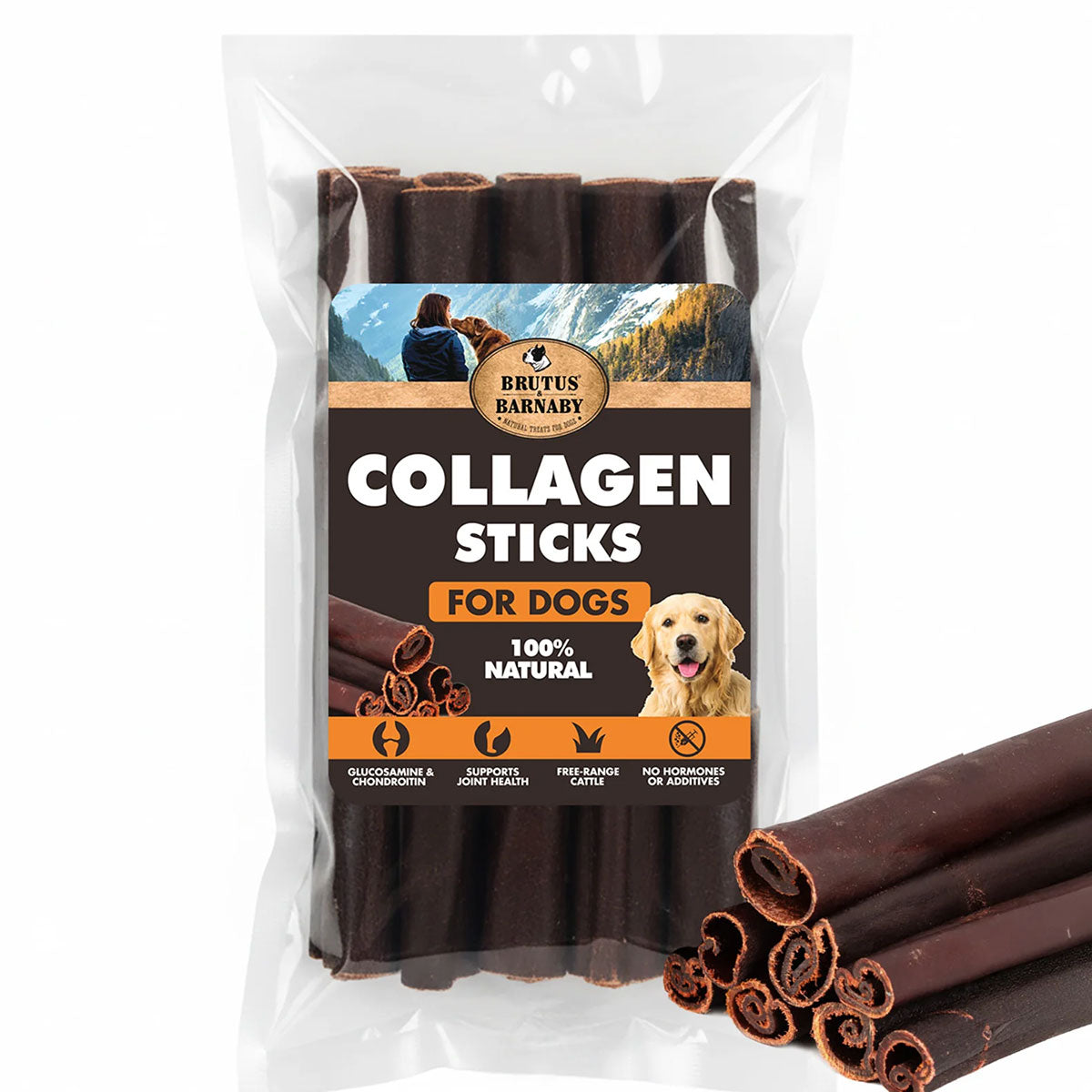
Brutus and Barnaby beef collagen sticks for dogs
Best Long-Lasting Chew

Beef Collagen Sticks

A great dehydrated-style chew for dogs who need a longer-lasting option with a rawhide-free feel.

  • Longer chew time
  • Rawhide-free and digestible
  • Great for confident chewers
  • Best for supervised sessions
Shop Beef Collagen Sticks
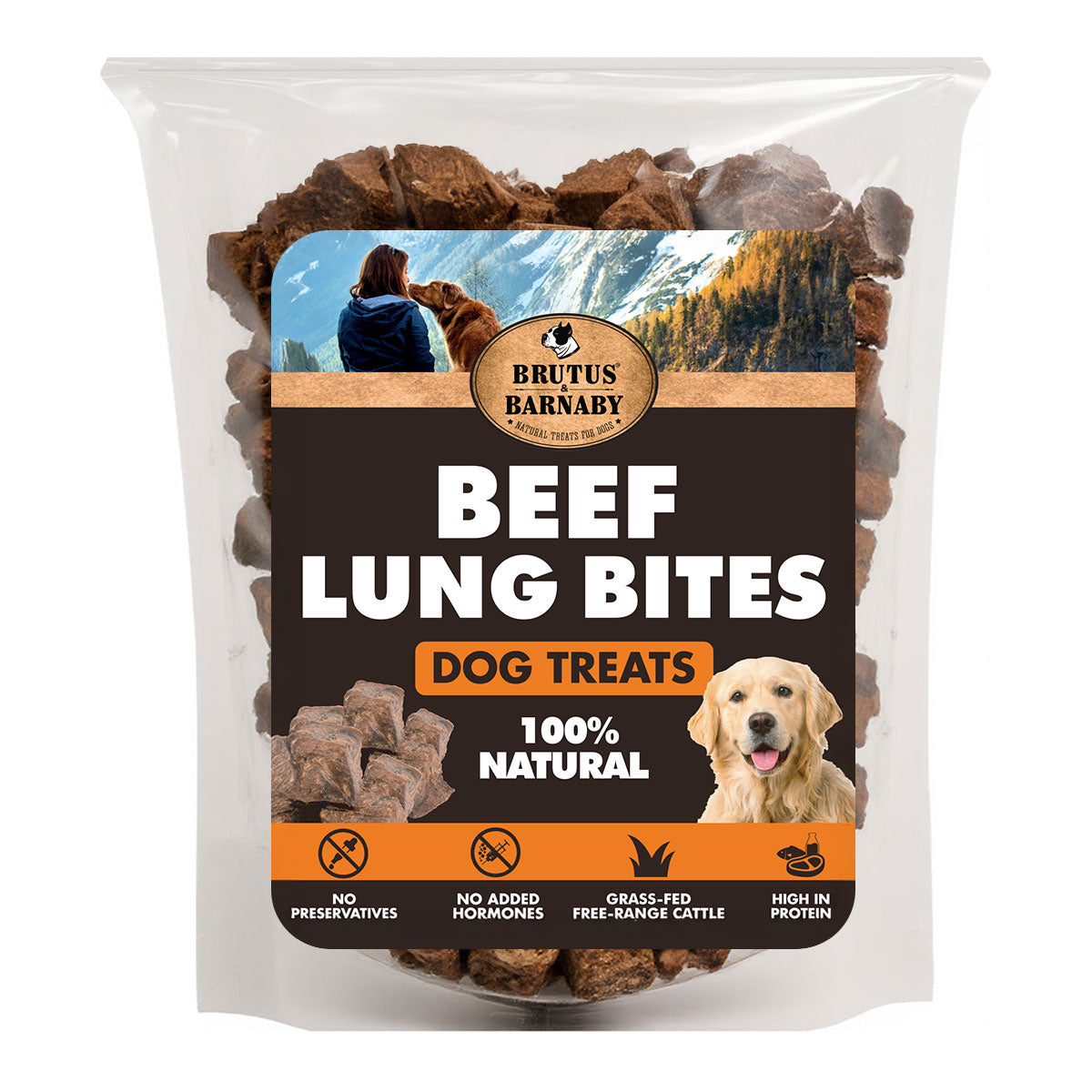
Brutus and Barnaby beef lung bites for dogs
Best Light Protein Treat

Beef Lung Bites

Light, airy, and easy to portion, these are a strong fit for dogs who need a high-value protein reward without a heavy chew.

  • Light texture
  • Easy to portion
  • Great for training rewards
  • Useful for senior dogs
Shop Beef Lung Bites
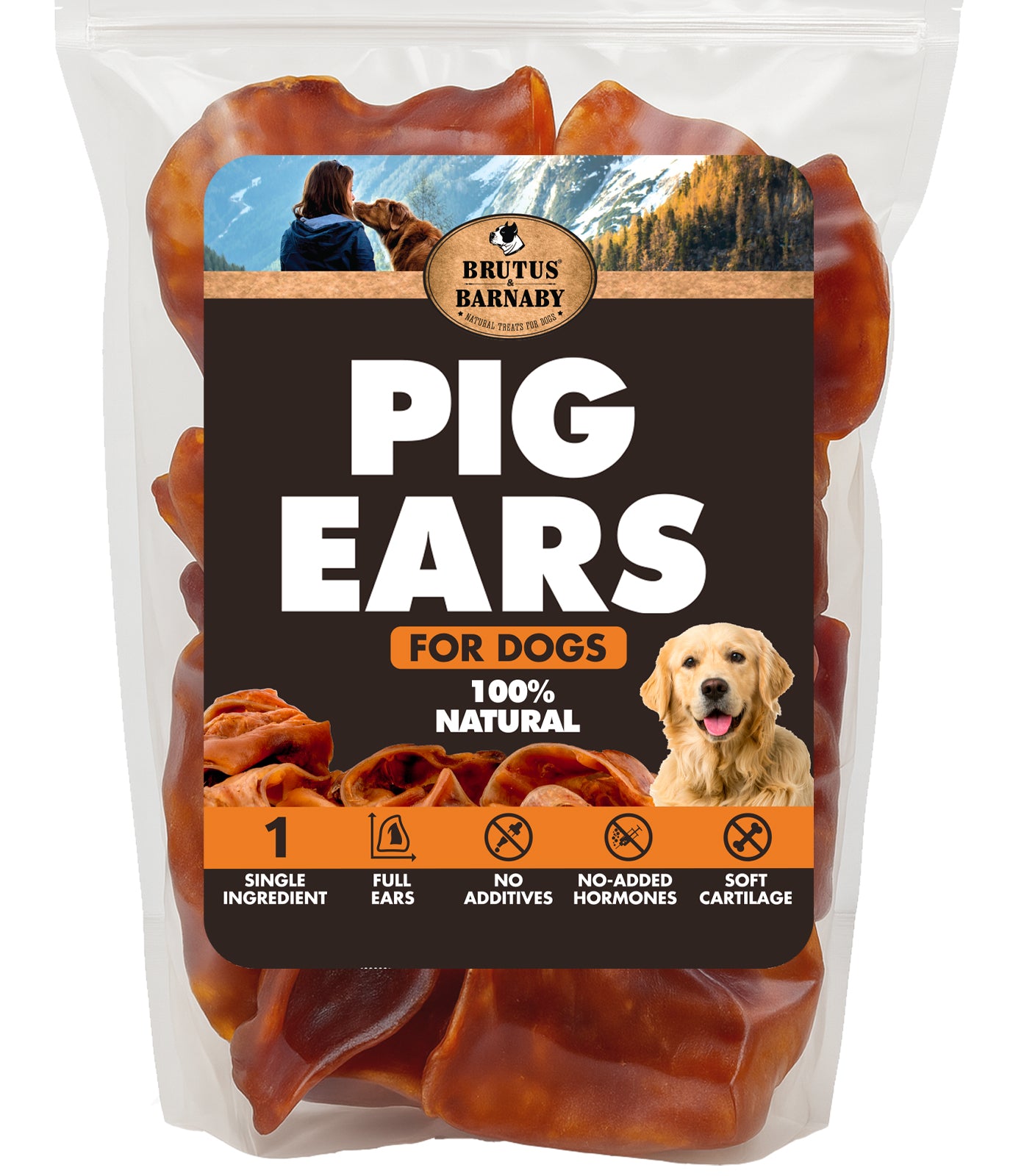
Brutus and Barnaby natural pig ears for dogs
Best Classic Chew

Pig Ears for Dogs

A classic natural chew for dogs who enjoy a satisfying crunch and a more engaging treat experience.

  • Single-ingredient chew
  • Rawhide-free option
  • Great for chew enrichment
  • Best with supervision
Shop Pig Ears

How to Choose by Age, Size & Chewing Style

There is no single best treat for every dog. The right choice depends on how your dog chews, how sensitive their stomach is, and whether you want a training reward, a longer chew, or a gentler snack.

Dog Type Best Dehydrated Treat Style Good B&B Fit
Puppies & Young Dogs Smaller, easy-to-portion treats for training and gentle introduction. Beef Lung Bites or training rewards.
Senior Dogs Softer or lighter treats that do not require aggressive chewing. Beef Lung Bites or Sweet Potato Slices.
Large Dogs Longer-lasting chews that keep the mouth and mind busy. Beef Collagen Sticks or Pig Ears.
Sensitive Stomachs Simple, limited-ingredient treats introduced slowly. Sweet Potato Slices or small portions of Beef Lung Bites.

Start slow: if your dog has digestive sensitivity, introduce any new treat in small amounts and watch stool quality, appetite, and comfort for a few days.

Ingredients Matter More Than the Processing Method

Here is the truth that changes everything: whether a treat is dehydrated or fresh, the ingredient list is what determines whether it is actually a smart choice for your dog.

A dehydrated treat loaded with fillers, artificial flavors, added sugars, or mystery meat by-products is not better than a simple fresh option. Similarly, a “fresh” treat that relies on preservatives and vague ingredients is not automatically healthier just because it sounds fresh.

Avoid

Labels That Hide Quality

“Meat meal” or vague by-products
Artificial colors, dyes, or flavors
Added sugars or corn syrup
Long ingredient lists without a clear purpose
Choose

Simple, Recognizable Ingredients

Named proteins like beef, chicken, pork, or sweet potato
Single-ingredient or limited-ingredient formulas
No unnecessary preservatives
Clear feeding and supervision instructions

Frequently Asked Questions

QAre dehydrated dog treats better than fresh treats?
They can be better for shelf life, convenience, chew time, and ingredient simplicity. Fresh treats may work for some dogs, but they spoil faster and are not automatically healthier. The best choice depends on ingredients, processing, storage, and your dog’s needs.
QDo dehydrated treats lose nutrients?
Some heat-sensitive vitamins may be reduced during processing, but proteins, fats, and minerals are generally more stable. Since treats are supplemental and not complete meals, ingredient quality and portion control matter more for most dogs.
QAre dehydrated dog treats safe?
Yes, when they are made, stored, and fed properly. Choose trusted brands, follow packaging instructions, keep treats dry and sealed, and supervise any treat that requires chewing.
QDo dehydrated dog treats need refrigeration?
Most properly dehydrated treats do not need refrigeration if the package says they are shelf-stable. Store them in a cool, dry place, keep the bag sealed, and always follow the current package directions.
QWhat are the best dehydrated treats for senior dogs?
Senior dogs often do best with lighter or gentler textures, such as beef lung bites or sweet potato slices. If your senior dog has dental disease, missing teeth, or a sensitive stomach, ask your vet before introducing new chews.
QCan dehydrated treats upset a dog’s stomach?
Any new treat can upset a sensitive dog’s stomach if introduced too quickly. Start with a small amount, watch for stool changes, and choose simple treats with recognizable ingredients.

Choose Simple Treats That Make Sense

Brutus & Barnaby treats are made for dog parents who want real ingredients, satisfying chew time, and snack choices that fit everyday life.

Shop Natural Dog Treats
Important Notice
Disclaimer: The information in this article is for general educational purposes only and does not constitute veterinary advice. Always consult your veterinarian before making changes to your pet's diet, health routine, or treat selection, especially if your dog has existing health conditions, allergies, dental issues, digestive sensitivities, or is on medication. Individual results may vary. Brutus & Barnaby products are not intended to diagnose, treat, cure, or prevent any disease or medical condition. Statements regarding product benefits have not been evaluated by the FDA unless specified. Ingredient sourcing and product formulations are subject to change — always refer to current product packaging for the most accurate information. Keep all treats out of reach of children. Supervise your dog when offering any chew or treat.