



Are Pig Ears Safe for Dogs? Choking, Nutrition & How to Use Them
Pig ears can be a safe, satisfying chew when you choose the right quality and supervise properly. Here’s how to understand choking risk, portion size, dental benefits, calories, and the best way to add pig ears to your dog’s routine.
Your 80-pound golden retriever spots the pig ear on the kitchen counter and her eyes light up like you’ve just announced a trip to the beach.
But before you hand it over, that little voice in your head asks: Is this actually safe? Will she choke? Is it worth the money?
If you’ve been standing in the dog treat aisle — or scrolling through endless reviews online — trying to figure out whether pig ears are safe for dogs, you’re not alone. The honest answer: yes, they can be, when you know what to look for and how to supervise. This guide walks through the real safety concerns, nutritional value, portion sizing, and quality signs that matter most.
The Real Safety Story: Choking Risk & How to Minimize It
Let’s address the biggest concern first: choking is a legitimate risk with any chew, and it deserves your full attention. The good news is that risk drops dramatically when you choose the right size, supervise chew time, and remove the chew before it becomes small enough to swallow.
Natural chewing can sound intense. Your dog may work the chew around her mouth, make noise, pause, or gag briefly while repositioning it. That can be normal. What matters is knowing the difference between ordinary chewing and true distress.
What Can Be Expected
When to Act Quickly
Safety rule: always supervise chew time, remove small pieces, and contact your veterinarian immediately if your dog shows signs of choking or breathing trouble.
How to Give Pig Ears Safely
The best way to prevent problems is simple: don’t leave a dog alone with a chew. This matters even more for large dogs who can break off and swallow bigger pieces.
Recommended Pig Ear Choices
Pig ears work best when the chew size matches your dog’s size and chewing style. These two options cover most dogs: whole ears for confident chewers and halves for smaller portions or gentler sessions.
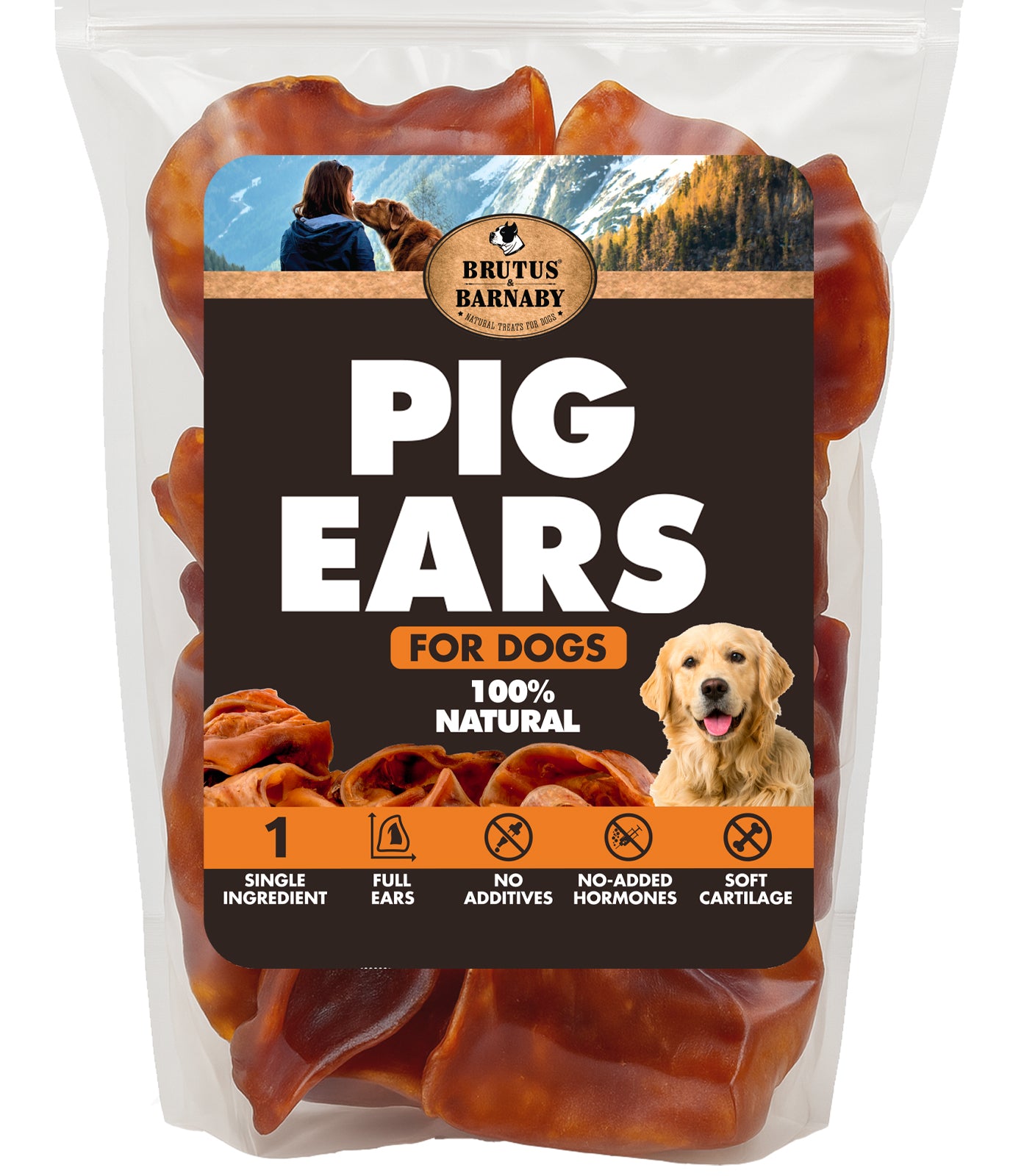
Pig Ears for Dogs
A full-size, single-ingredient pig ear chew for dogs who enjoy a satisfying crunch and supervised chew time.
- 100% pig ear
- Rawhide-free and digestible
- Batch tested and safety processed
- Great for confident chewers

Pig Ear Halves
A portion-friendly option for smaller dogs, lighter chewers, or pet parents who want shorter chew sessions.
- Easy chew time
- Great for smaller dogs
- Fully digestible treat
- Useful for portion control
Nutritional Value: What Pig Ears Bring to Your Dog’s Diet
Pig ears are not a meal replacement, and they should not be treated like one. But as a supplemental chew, they offer a satisfying texture, natural protein, and chewing enrichment that many dogs love.
The key is balance. Pig ears are richer than light training treats, so they should count toward your dog’s overall treat calories. Check the current product packaging for calorie information, and adjust meals or other treats if pig ears become part of the routine.
Dental Health Without Overdoing It
One of the most practical benefits of pig ears is chewing action. The texture encourages dogs to gnaw, which can help scrape against tooth surfaces and support a healthier chewing routine. It is not a replacement for brushing, dental exams, or veterinary cleanings, but it can be part of a smart oral-care routine.
Pig ears are also generally more forgiving than extremely hard options like bones, antlers, or dense nylon chews. Still, if your dog has missing teeth, painful gums, a history of fractured teeth, or senior dental issues, ask your vet before offering any chew.
Portion Size, Frequency & When to Say No
The perfect chew schedule is not one-size-fits-all. Your dog’s weight, chewing style, activity level, dental health, and digestive tolerance all matter.
Frequency: many dogs do best with pig ears as an occasional chew or part of a rotation rather than the only treat they receive. If your dog is weight-conscious, has a sensitive stomach, or is new to pig ears, start slowly.
When to say no: skip pig ears if your dog has severe dental disease, pancreatitis history, strict fat restrictions, frequent digestive upset, or a habit of swallowing chews whole unless your vet approves.
Rotating Treats for Long-Term Wellness
Variety is a smart treat strategy. Rotating pig ears with other natural chews helps keep your dog engaged while giving you flexibility based on chewing style, calories, and dental needs.
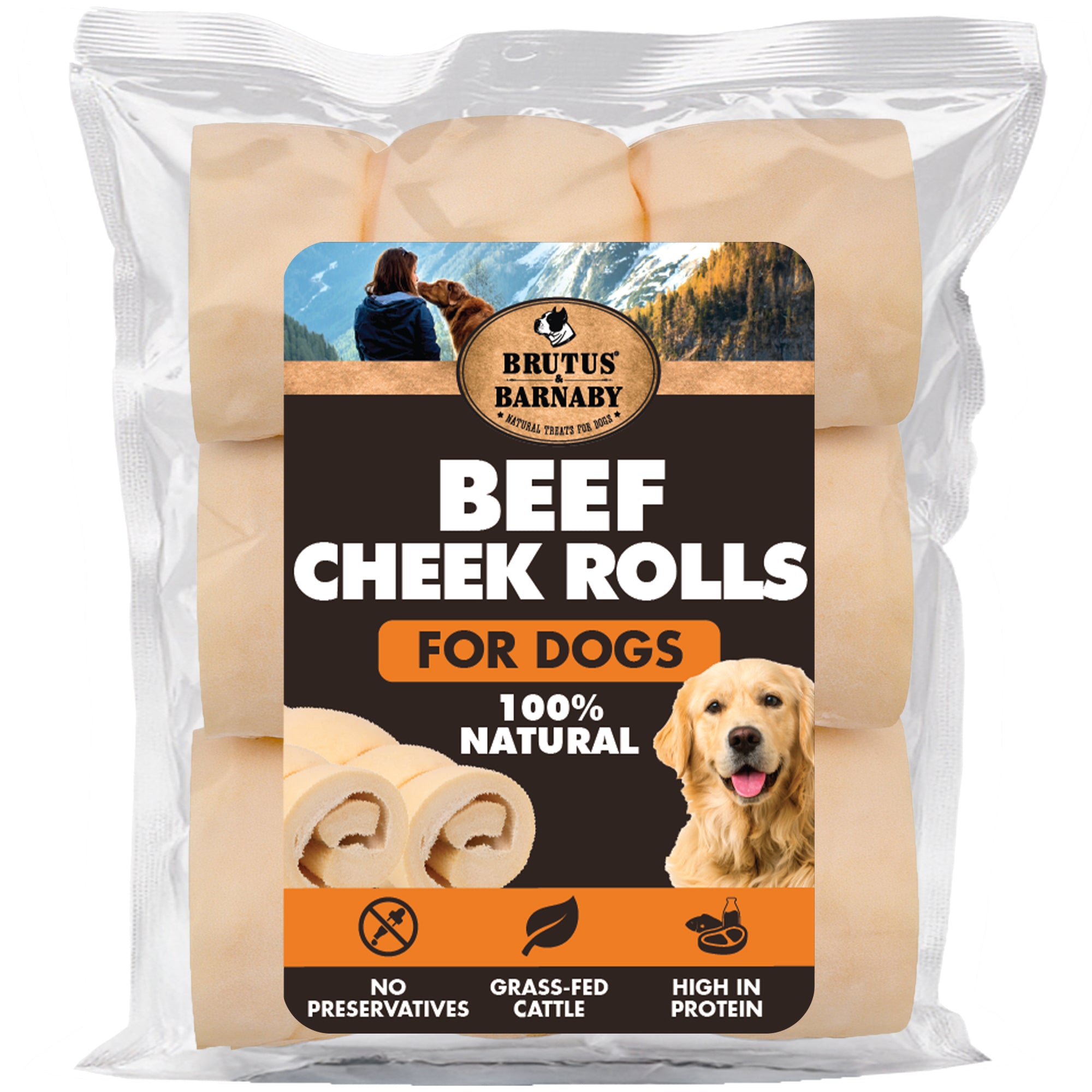
Beef Cheek Rolls
A more substantial rawhide-free chew for dogs who need longer chew time than pig ears usually provide.
- Longer chew sessions
- Rawhide-free alternative
- Best for confident chewers
- Great for rotation days
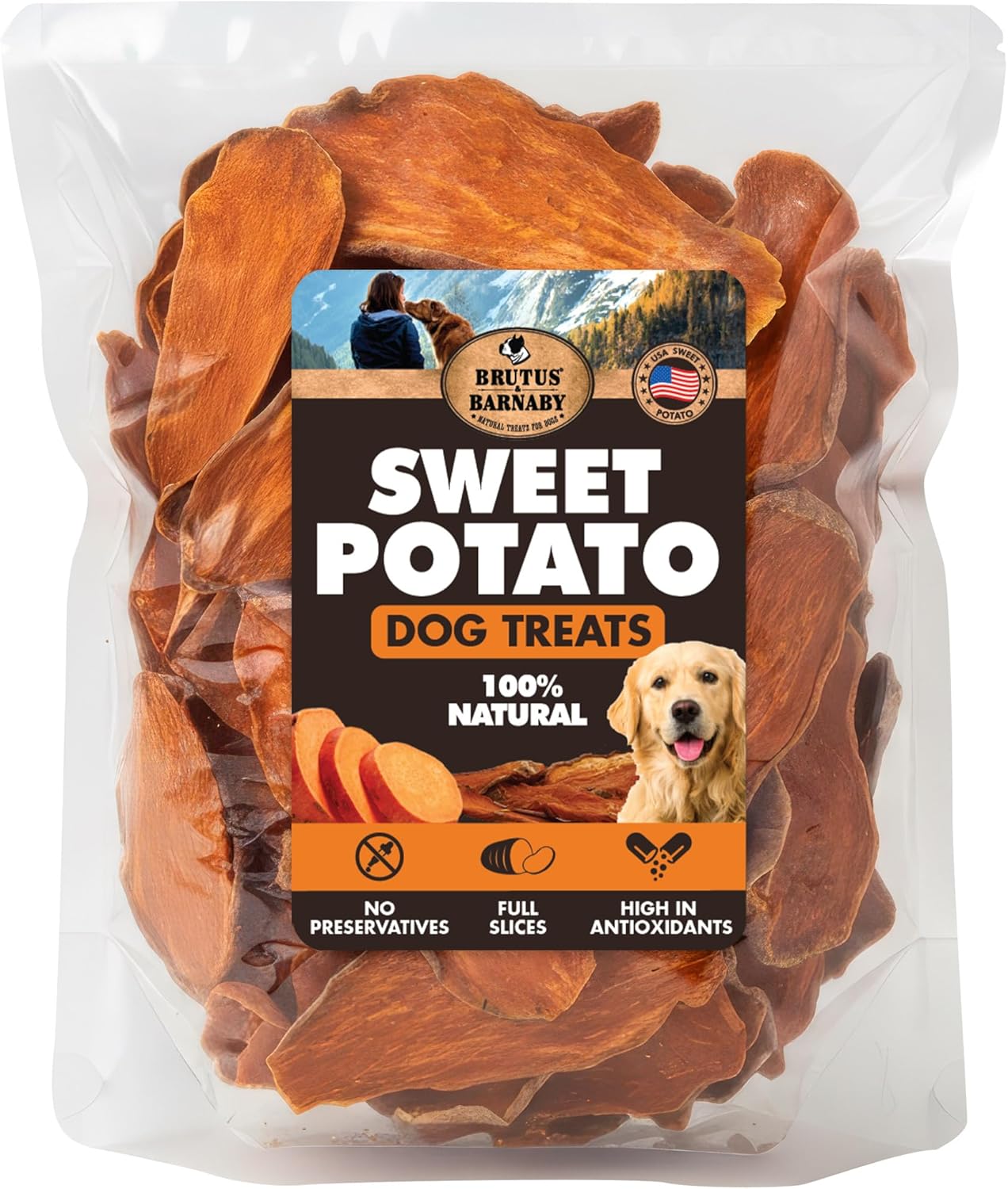
Sweet Potato Slices
A simple plant-based option for dogs who need a gentler treat day between richer animal chews.
- Chewy texture
- Great for sensitive stomachs
- Plant-based treat option
- Easy to rotate with animal chews
A simple weekly rotation might look like pig ears on Monday and Thursday, beef cheek rolls on a longer chew day, and sweet potato slices when you want something lighter. You can also browse our full collection of natural dog treats and chews to build a routine that fits your dog.
Frequently Asked Questions
Give Your Dog a Safer, Happier Chew Routine
Brutus & Barnaby pig ears are made for dogs who love real chews — and for pet parents who want simple ingredients, quality standards, and snack time they can feel good about.
Shop Pig Ears & Natural Chews