



Small Dog Treats vs. Large Dog Treats: How to Choose the Right Size
Small dogs and large dogs may love the same flavors, but the safest treat size, texture, and chew time can be very different.
Small dogs and large dogs do not just look different. Their jaws, chewing habits, calorie needs, and treat safety concerns can be very different too.
A treat that is perfect for a Chihuahua may be swallowed instantly by a Great Dane. A chew that keeps a large dog busy may be too big, too rich, or too difficult for a small dog to manage.
That is why treat size, texture, portion, and purpose matter. The right treat should fit your dog’s mouth, chewing style, digestion, and daily calorie needs. For more chew-sizing help, read our guide to how to choose the right chew size for your dog.
Quick rule: use tiny treats for training, bigger chews for supervised chewing, and never give a chew small enough for your dog to swallow whole.
Can Big Dogs Have Small Dog Treats?
Yes, big dogs can eat small treats when the treats are safe for them and used correctly. Small treats can be useful for training, quick rewards, and calorie control.
The issue is purpose. A small training treat is fine when you want a quick reward. But if you want your large dog to chew, small treats usually do not provide enough chew time and may be swallowed without much chewing.
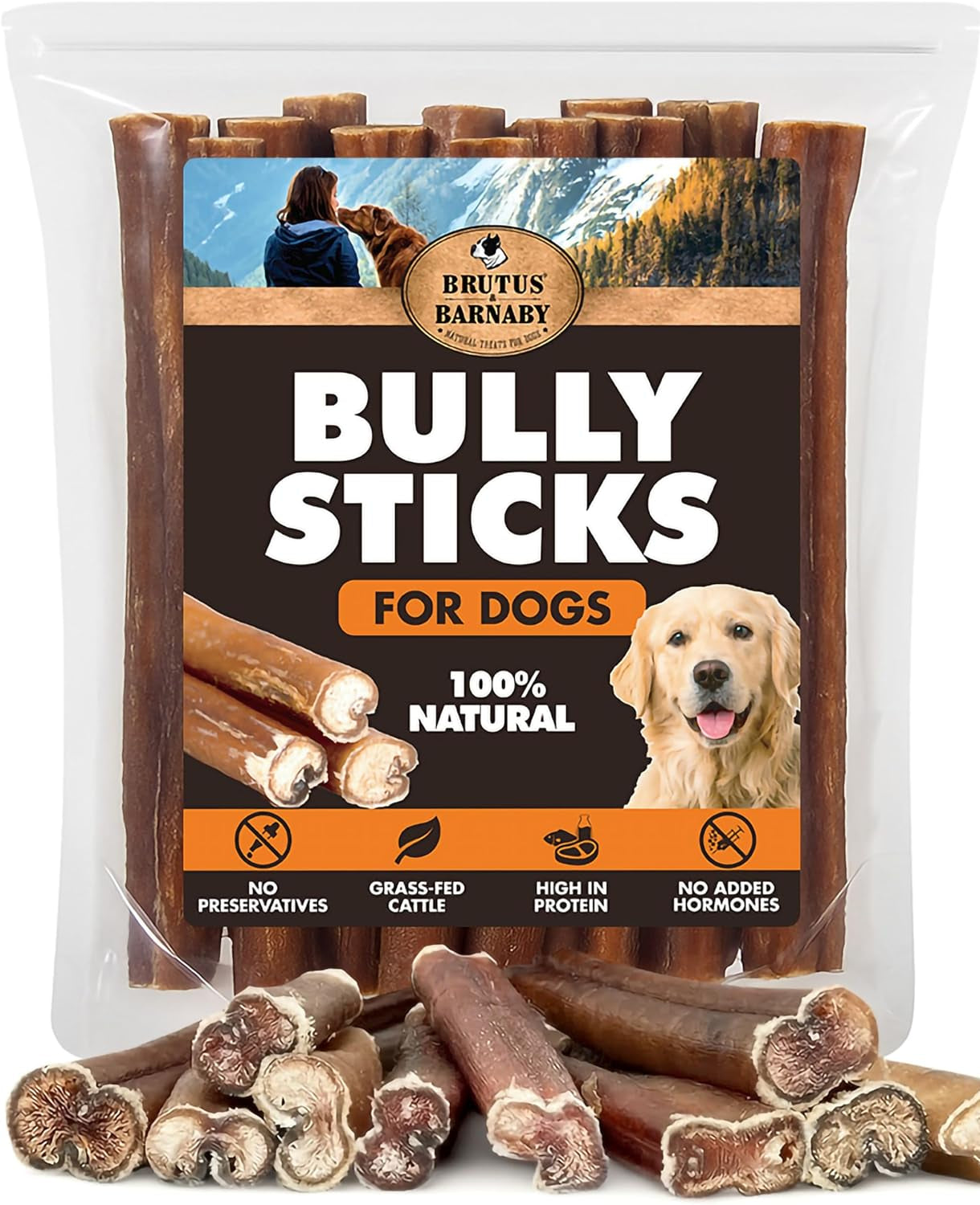
Bully Sticks for Dogs
A classic natural chew option for medium and large dogs who need more chewing satisfaction than tiny treats provide.
- Long chew time
- Keeps dogs busy
- Great for strong chewers
What’s the Difference Between Small and Large Dog Treats?
Small dog treats and large dog treats differ in size, texture, chew duration, and calorie impact. The goal is to choose the treat that matches the dog, not just the flavor they like.
A small dog needs manageable pieces and controlled calories. A large dog often needs a bigger chew to avoid gulping and create a satisfying chewing experience.
Portion tip: small dogs can gain weight from “just a few” treats faster than you think. Break treats into tiny pieces and count them toward daily calories.
Do Dogs Care About the Size of Treats?
Dogs do not care about “small dog” or “large dog” labels the way humans do. They care about smell, taste, texture, and how satisfying the treat feels.
But size still matters for safety and enjoyment. A tiny treat may smell amazing to a large dog, but it may be swallowed instantly. A large chew may smell great to a small dog, but it may be too difficult to manage.
Too Big to Manage
Large, dense chews may be too much for small jaws or sensitive teeth.
Too Easy to Swallow
Very small treats may disappear instantly and offer little chewing satisfaction.
How Are Small Dogs Different From Large Dogs When It Comes to Treats?
Small and large dogs can enjoy similar ingredients, but their treat format should often be different.
Small Dogs Often Need
- Smaller portions
- Softer or thinner textures
- Lower-calorie rewards
- Chews that do not strain smaller jaws
- Treats that can be broken into tiny pieces
Large Dogs Often Need
- Larger chews for safety
- More durable textures
- Longer chew time
- Pieces that slow down gulping
- Supervised chew sessions for enrichment
Multi-dog home note: do not assume one treat size works for every dog. Separate dogs during chew time if needed and give each dog the right size for their mouth and chewing style.
Best Treat Options for Small Dogs
Small dogs usually do best with treats that are easy to chew, easy to break, and easy to portion. The goal is to reward without overwhelming their mouth or stomach.
Look for smaller pieces, thinner textures, and treats that can be used in tiny portions during training.
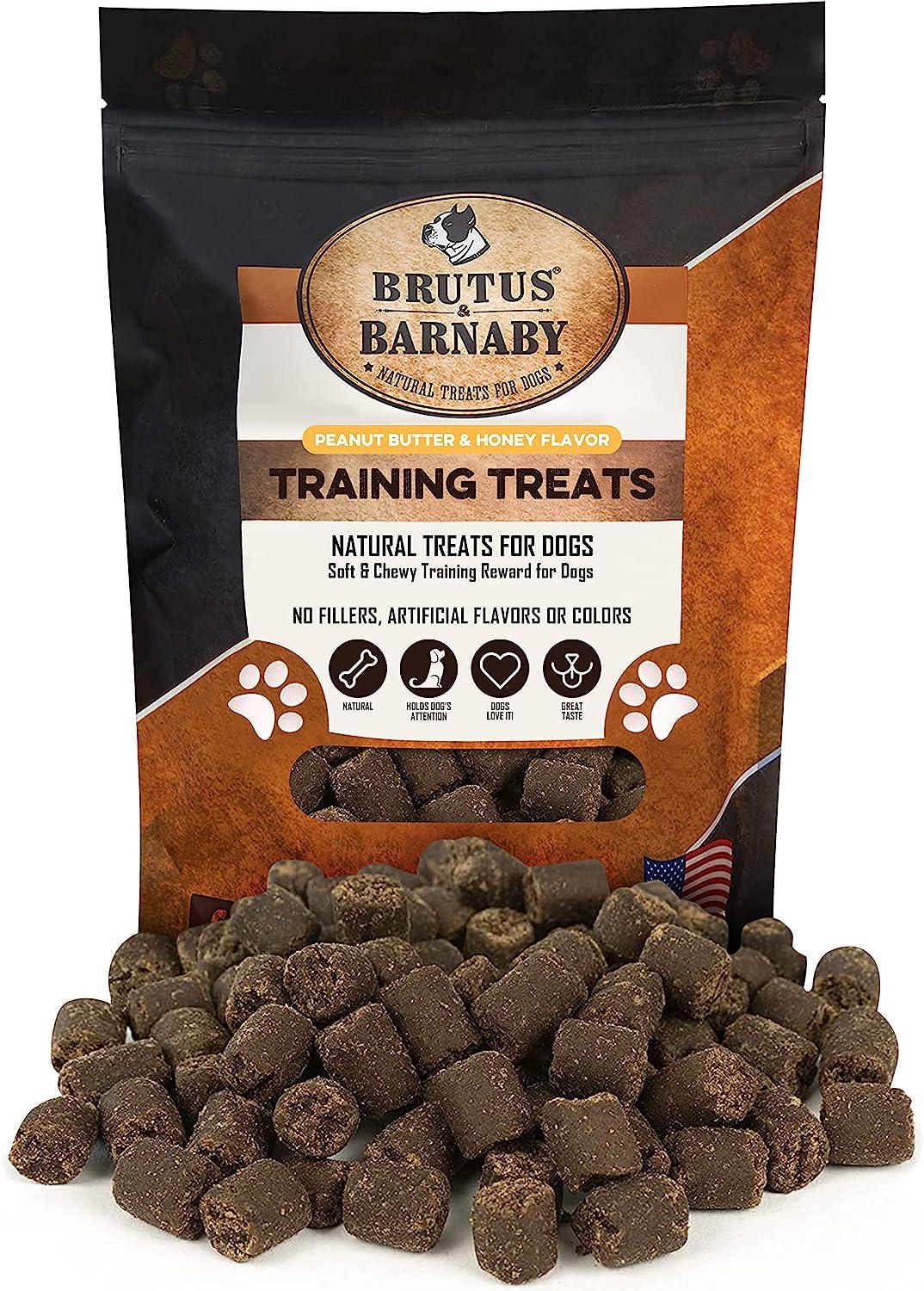
Dog Training Treats
A soft, easy-to-portion option for small dogs, quick rewards, and training sessions where tiny pieces work best.
- Easy to portion
- Great for quick rewards
- Helpful for training routines
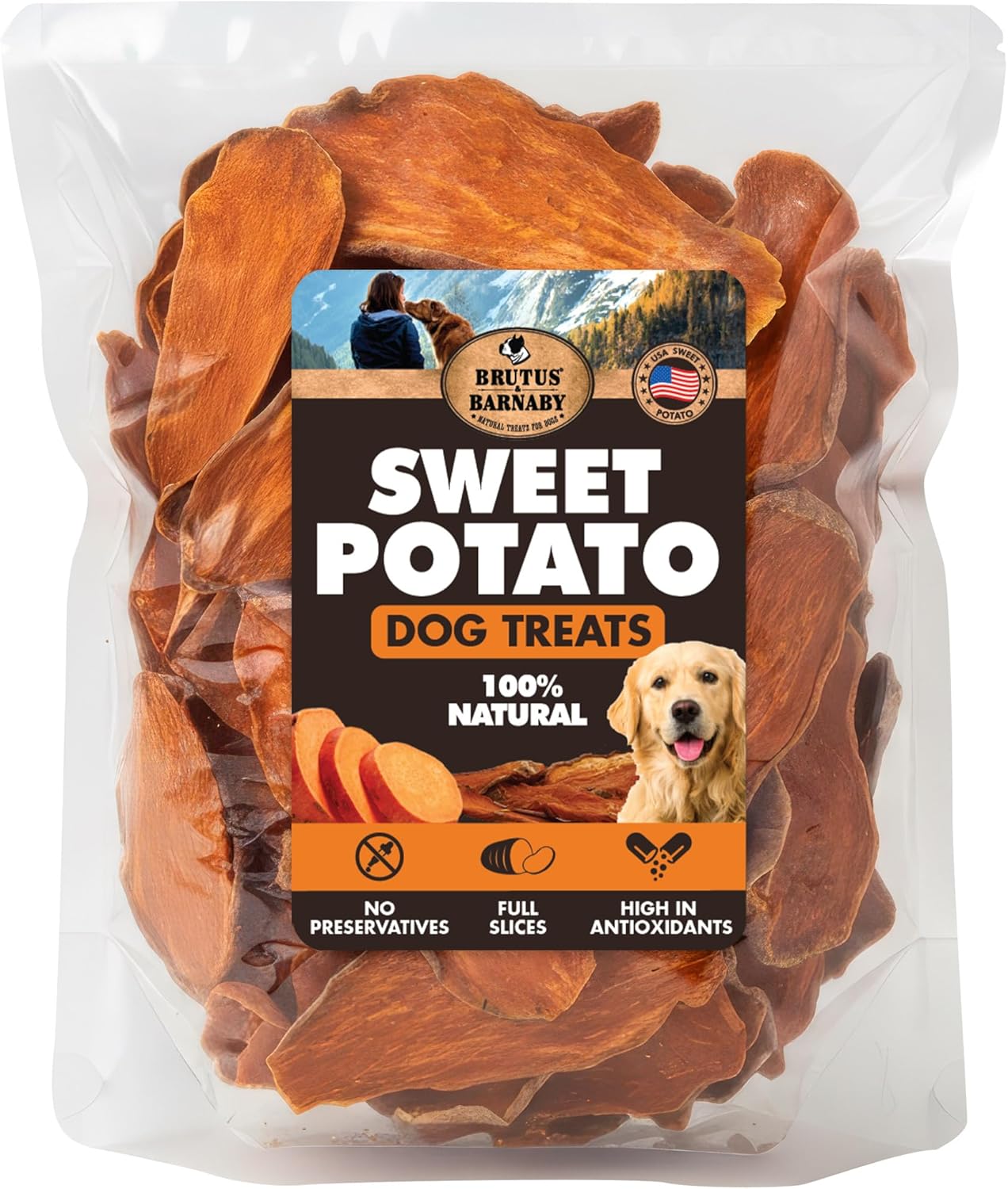
Sweet Potato Slices
A simple plant-based snack that can be broken into smaller pieces for small dogs who enjoy chewy texture.
- Chewy texture
- Plant-based snack
- Easy treat tracking
Best Treat Options for Large Dogs
Large dogs often need more substantial treats for safe, satisfying chew time. The best options are large enough to slow them down and durable enough to provide enrichment.
For big dogs, think less about tiny rewards and more about supervised chew sessions that keep them engaged.
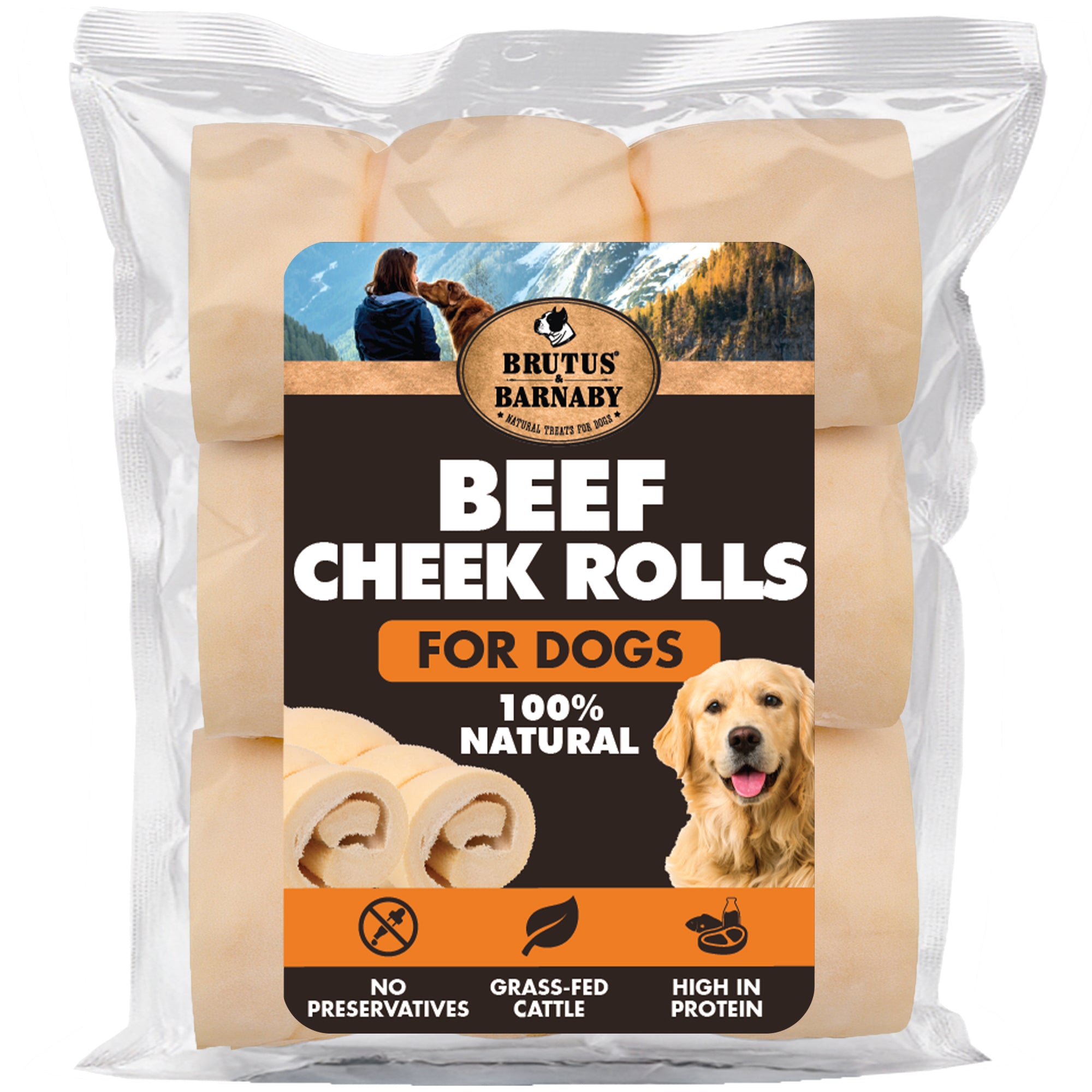
Beef Cheek Rolls
A bigger natural chew option for large dogs who need a more satisfying chew session and better boredom control.
- Rawhide-free chew
- Long chew time
- Great for strong chewers
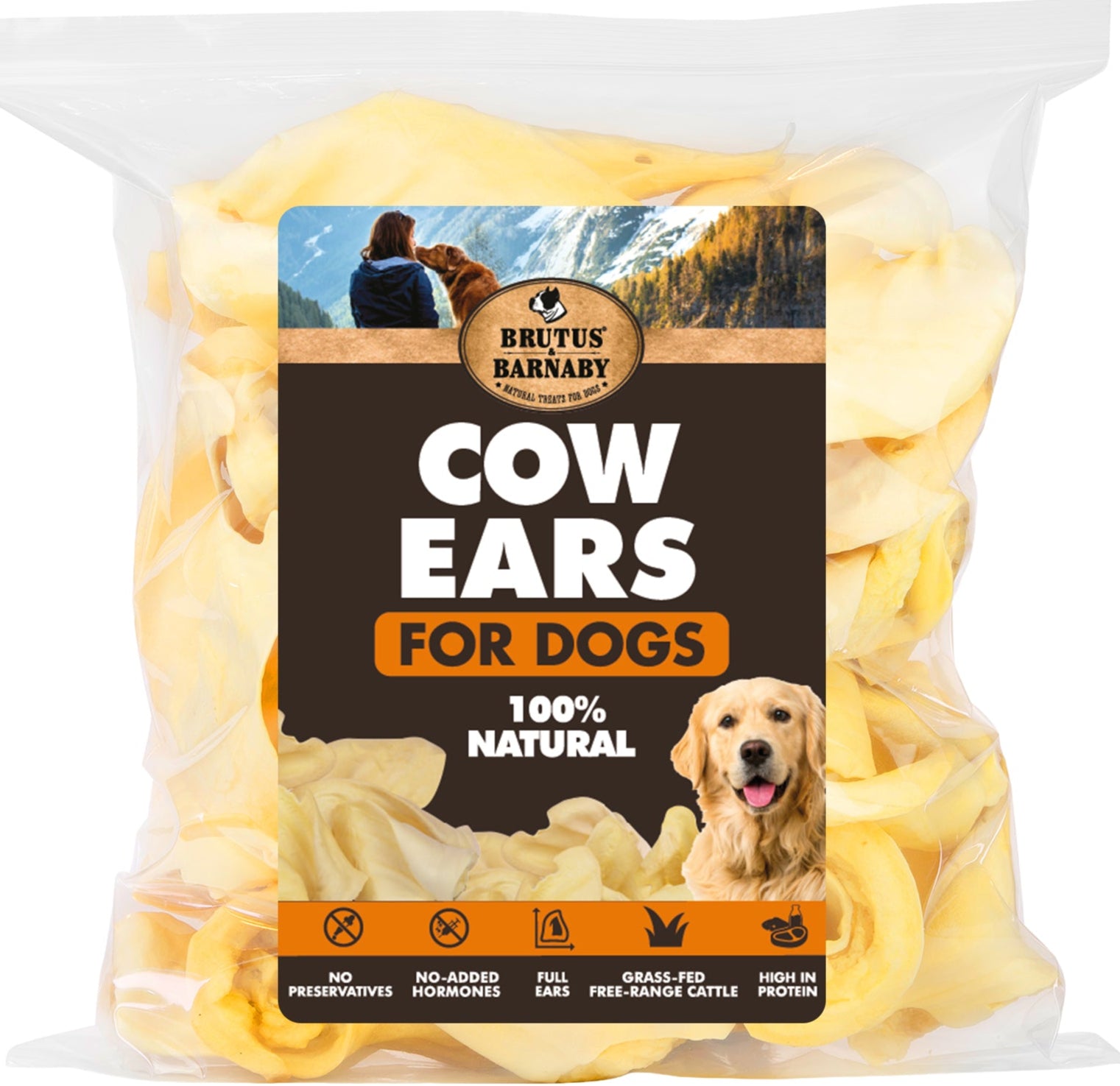
Cow Ears for Dogs
A crunchy natural chew option for supervised quiet time when large dogs need a lighter chew than cheek rolls or bully sticks.
- Rawhide-free chew
- Crunchy texture dogs love
- Great for supervised chew time
Frequently Asked Questions
Final Takeaway
Small dogs and large dogs can enjoy similar ingredients, but their treat needs are not the same. Small dogs need manageable portions, softer textures, and careful calorie control. Large dogs need treats and chews that are big enough to slow them down and satisfy their chewing instinct.
Choose treats based on your dog’s size, mouth, chewing style, and digestion — not just the label on the bag. When in doubt, size up for chews, break treats smaller for training, and supervise every chew session.
Find the Right Treat for Every Dog
Explore natural treats, chews, and toppers made for training, enrichment, supervised chew time, and dogs of every size.
Shop Treats & Chews