



How Often Should Dogs Get Treats? A Weight-Based Guide
Dogs can enjoy treats every day, but the right amount depends on weight, calories, activity level, age, and treat size.
Treats are an important part of training, bonding, and enrichment — but too many treats can add up quickly.
The safest way to decide how often your dog should get treats is to think in calories, not just treat count. A tiny training treat and a full-size chew are very different, even if both are “one treat.”
This guide explains the 10% rule, how weight affects treat limits, and how to choose better treats for small dogs, large dogs, and puppies. For help choosing the right size, read our guide to how to choose the right chew size for your dog.
Quick answer: most dogs can have treats daily, but treats should usually stay at or below 10% of daily calories.
Understanding Treat Limits: The 10% Rule
A simple guideline many dog parents use is the 10% rule: treats should make up no more than about 10% of your dog’s daily calories. The remaining 90% should come from complete and balanced dog food.
For example, if your dog eats about 400 calories per day, the treat portion would be around 40 calories per day. That includes training treats, snack pieces, toppers, chews, and table-safe extras.
Important: one full chew may use up most or all of your dog’s daily treat allowance, depending on the chew and your dog’s size.
How Often Should Dogs Get Treats Based on Weight?
Weight can help estimate treat limits, but it is not the only factor. Activity level, age, metabolism, body condition, spay/neuter status, and health conditions all affect calorie needs.
Use the table below as a general starting point, then adjust based on your dog’s body condition and your veterinarian’s guidance.
Note: these are estimates only. Your dog’s actual calorie needs may be higher or lower.
How Many Treats Per Day for a Small Dog?
Small dogs need careful treat portions because a few extra calories can matter more for a 10-pound dog than a 70-pound dog.
Instead of counting “treats,” count pieces and calories. A small dog may do best with tiny training rewards, small broken pieces of sweet potato treats, or a light chew given less often.
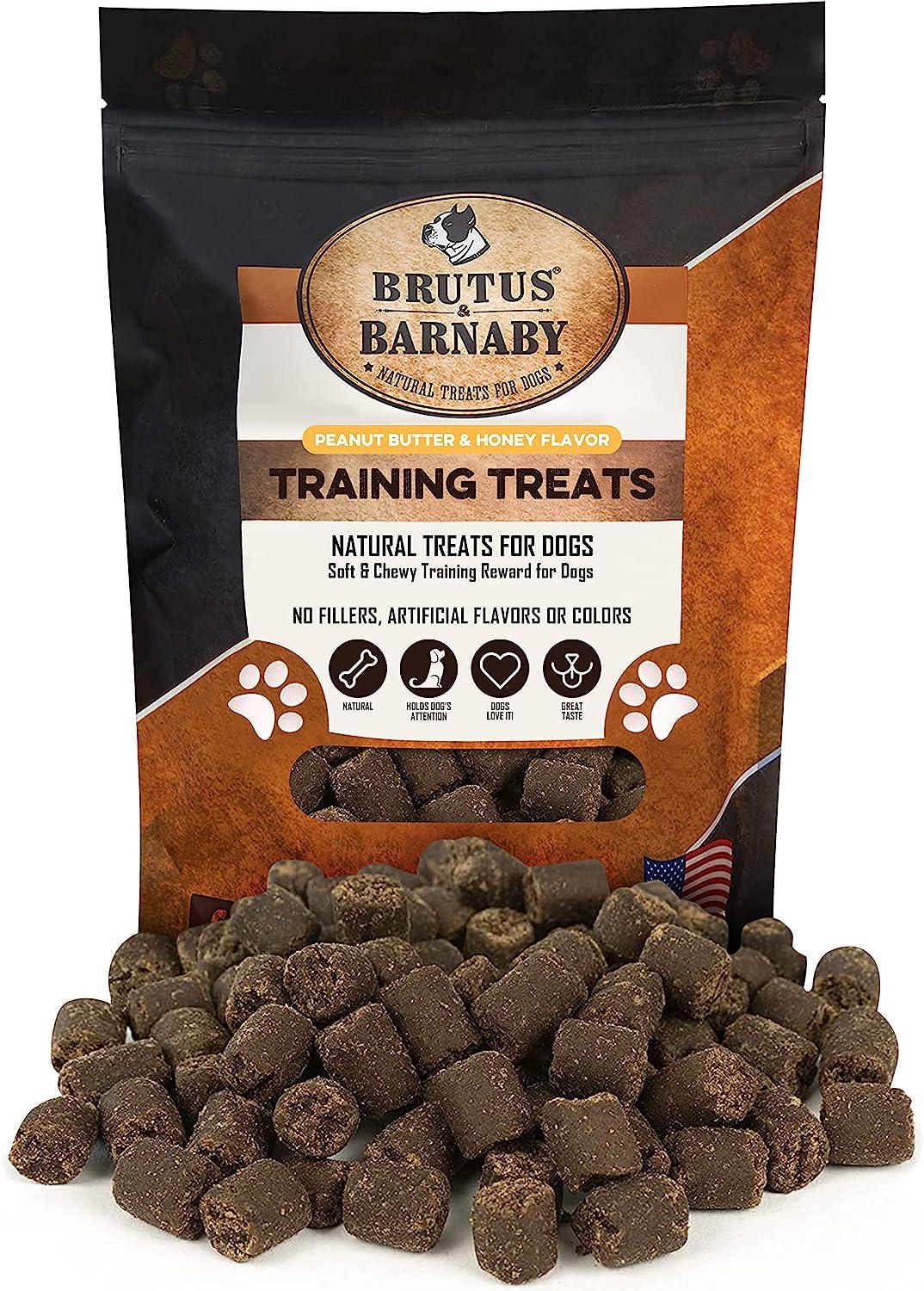
Dog Training Treats
A soft, easy-to-portion option for small dogs, quick rewards, and training sessions where tiny pieces work best.
- Easy to portion
- Great for quick rewards
- Helpful for training routines
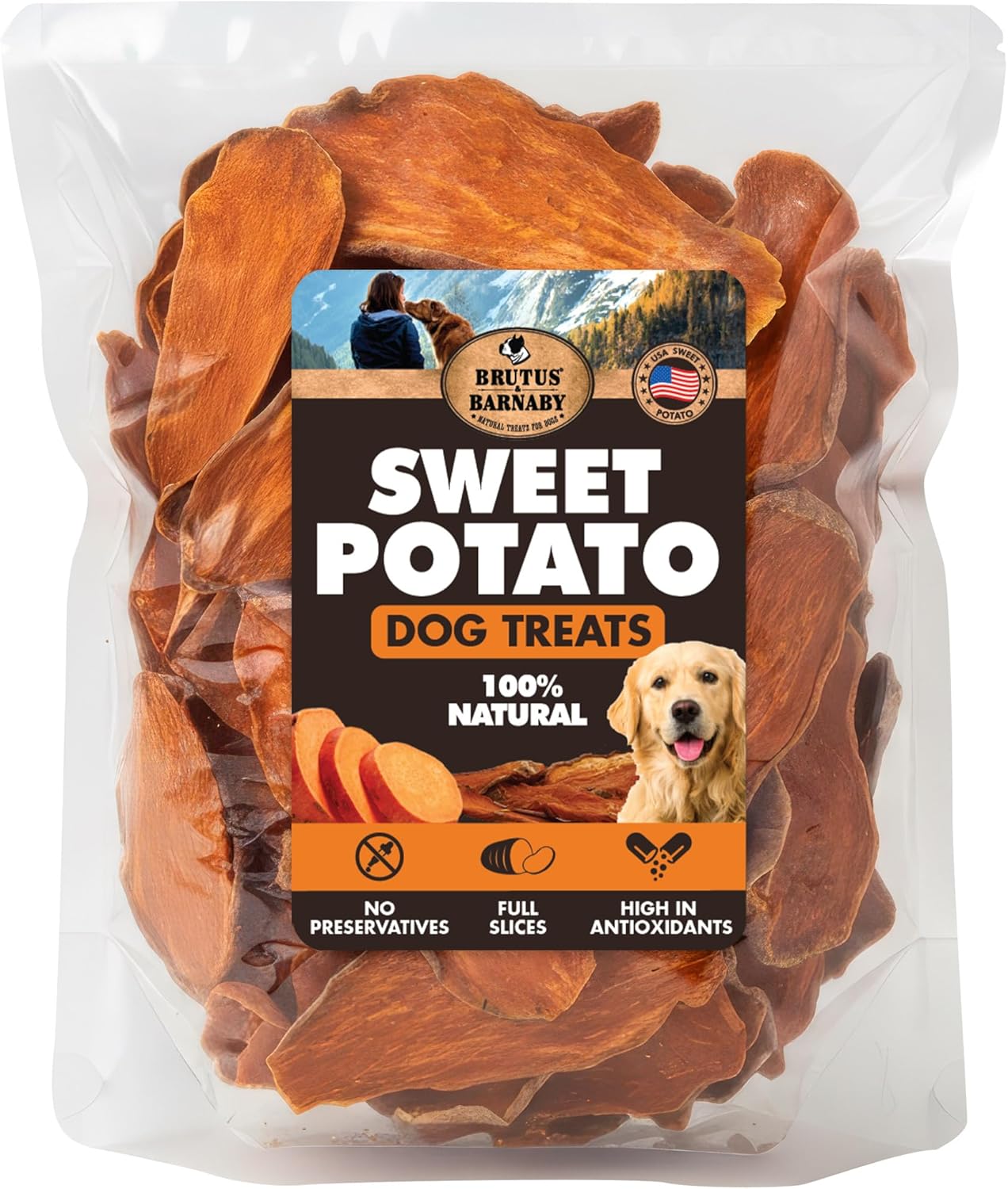
Sweet Potato Slices
A simple plant-based snack that can be broken into smaller pieces for small dogs and light reward routines.
- Chewy texture
- Plant-based snack
- Easy treat tracking
How Many Treats Per Day for a Large Dog?
Large dogs may have a higher calorie allowance, but they can also swallow quickly. That means tiny treats may be fine for training, but bigger chews may be safer and more satisfying for chew time.
A large dog may do well with small training rewards during the day and an appropriately sized chew for enrichment, as long as the total treat calories stay within a reasonable limit.
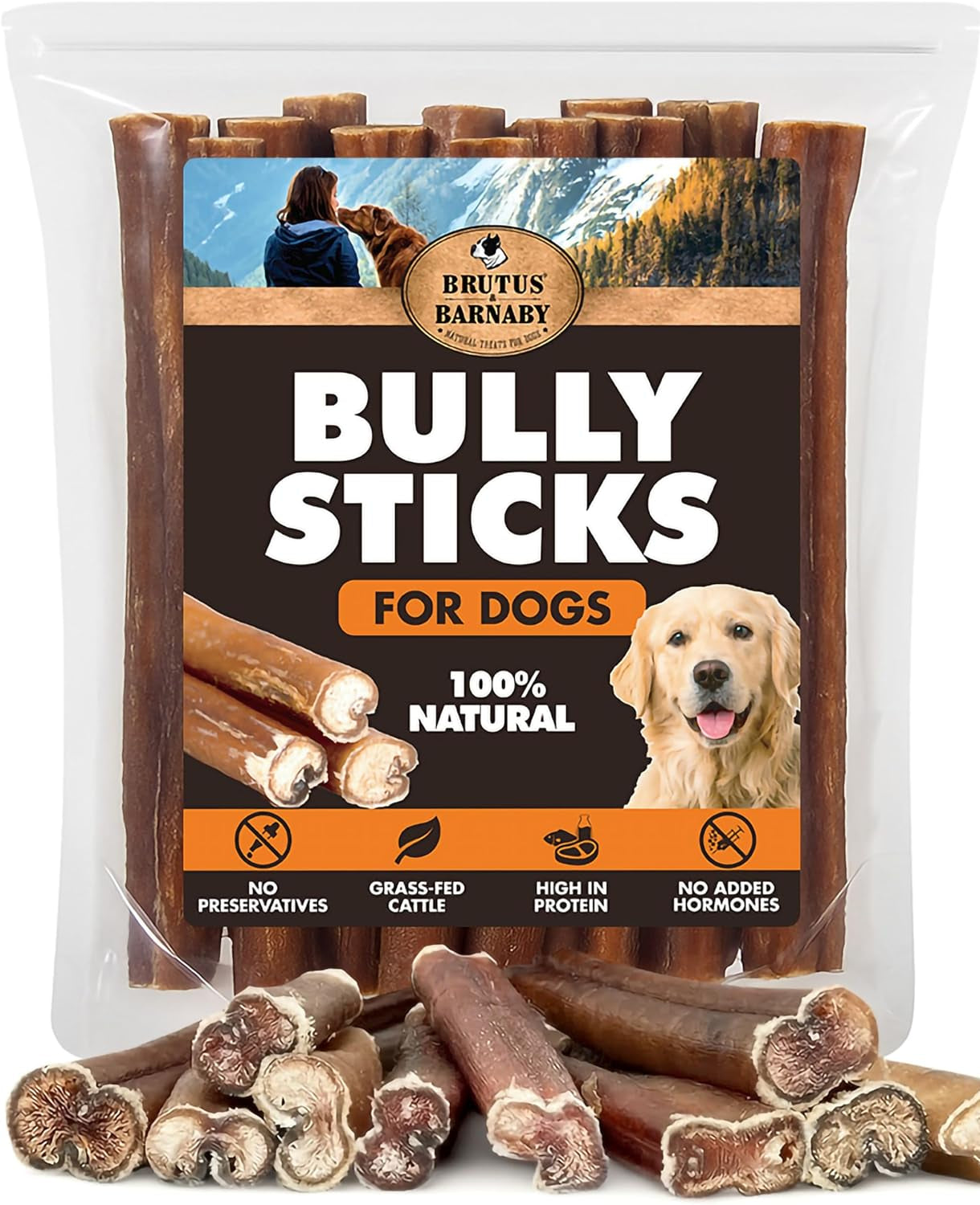
Bully Sticks for Dogs
A classic natural chew option for medium and large dogs who need more chewing satisfaction than tiny treats provide.
- Long chew time
- Keeps dogs busy
- Great for strong chewers
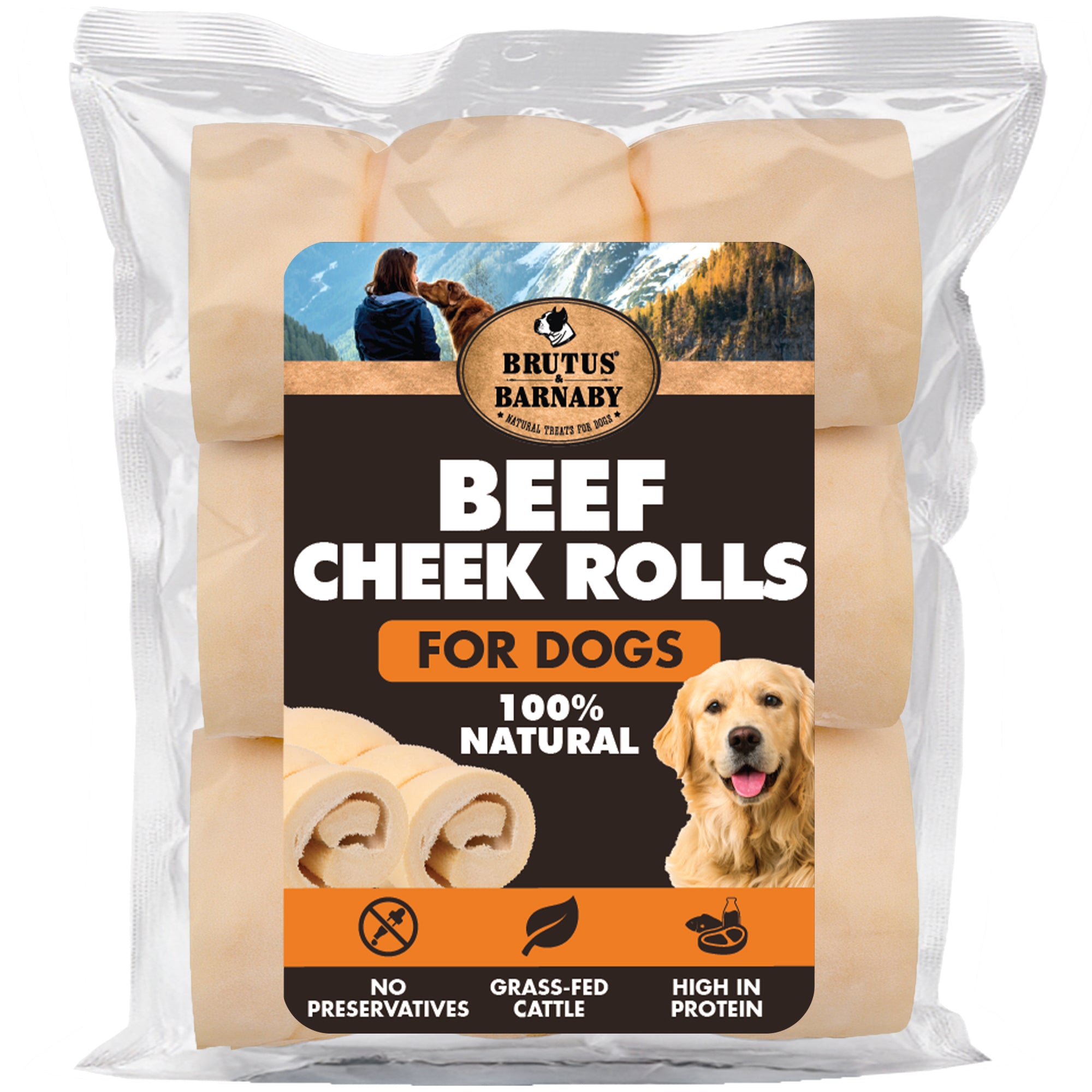
Beef Cheek Rolls
A bigger natural chew option for larger dogs who need a more satisfying chew session and better boredom control.
- Rawhide-free chew
- Long chew time
- Great for strong chewers
How Many Treats Per Day for a Puppy?
Puppies often receive many small rewards because they are learning constantly. But puppies still need balanced nutrition first, so treat calories should stay limited.
Use tiny, soft, age-appropriate pieces for training. Avoid large, heavy, rich, or very hard chews unless your veterinarian says they are appropriate for your puppy’s age, teeth, and size.
Puppy safety note: puppies have developing teeth and smaller mouths. Choose soft, small pieces and avoid any chew that may be too hard, rich, large, or easy to swallow whole.
Do Dogs Care About Treat Size?
Dogs usually care more about smell, flavor, and texture than the exact size of a treat. But size matters for safety and usefulness.
A big dog may swallow tiny treats without chewing. A small dog may struggle with oversized chews. The best treat size depends on whether you are training, rewarding, or giving a supervised chew.
Small Pieces Work Best
Use tiny treats so your dog can learn without eating too many calories.
Bigger Chews Are Safer
Choose chews larger than your dog can swallow whole and supervise closely.
Choosing the Best Treats Based on Weight
A smart treat routine uses different treats for different jobs. Use tiny pieces for training, lighter snacks for everyday rewards, and larger chews for supervised enrichment.
Frequently Asked Questions
Final Takeaway
Dogs can enjoy treats every day as long as you keep portions under control. The 10% rule is a helpful starting point: most calories should come from balanced dog food, while treats should stay limited.
Use tiny treats for training, larger chews for supervised enrichment, and choose sizes and textures that match your dog’s weight, mouth, teeth, and chewing style.
Build a Smarter Treat Routine
Explore natural treats, chews, and toppers made for training, enrichment, supervised chew time, and everyday reward routines.
Shop Treats & Chews