



Best Dog Treats for Nail Trims, Grooming, and Paw Handling
The right reward can help a dog form a better association with clippers, brushes, baths, paw handling, and other necessary care. But successful grooming training depends on more than offering food during an uncomfortable procedure. The treat, timing, difficulty, and dog's freedom to pause all matter.
A dog does not need to love every part of grooming immediately. The first goal may be as small as calmly looking at the nail clippers, allowing a one-second paw touch, or choosing to remain beside the brush. Tiny successful steps can create a safer path to the full procedure.
The best dog treats for nail trims and grooming are small, motivating, easy to deliver, and quick for your dog to eat. Soft training bites work well for rapid repetitions, breakable beef lung can provide a higher-value reward, and pre-torn jerky can be reserved for especially difficult steps. Start below your dog's fear threshold, pair one tiny handling action with a reward, and stop or move back a step if your dog freezes, pulls away, refuses food, growls, or tries to escape.
What Makes a Good Grooming Treat?
Grooming training involves many repetitions: look at the brush, receive a treat; allow a shoulder touch, receive a treat; allow a paw touch, receive a treat. A large biscuit that takes a minute to chew interrupts that rhythm.
The useful reward is not always the richest treat in the bag. It is the smallest reward that keeps your dog comfortable, interested, and ready for the next easy step.
The practical rule: prepare the rewards before the grooming tool comes out. Breaking or tearing pieces during the session creates delays and makes your timing less clear.
Treats Should Change the Association, Not Hide the Fear
There is an important difference between using a treat to build comfort and using food to keep a frightened dog occupied while the procedure continues.
In desensitization, the grooming step is made small enough that the dog can remain comfortable. In counterconditioning, that small step predicts something the dog enjoys. The reward supports the dog's emotional learning; it should not be used to lure the dog into enduring more than they can handle.
One easy action predicts a reward
Food pulls the dog past their comfort zone
Learn Your Dog's Stop Signals Before You Begin
Dogs do not need to bark, snap, or bite before their discomfort counts. Many give quieter signals first. Treat those signals as useful information, not disobedience.
Looking away, lip licking, yawning, paw withdrawal, suddenly closing the mouth, or leaning away.
Freezing, refusing familiar food, repeated escape attempts, trembling, hard staring, or tucked posture.
Growling, snapping, lunging, biting, panic, or a history of escalating during grooming.
A growl is information: do not punish it. Stop the interaction, create space, and reassess the plan. Punishing warnings can increase danger without making the dog feel safer.
Start With Paw Handling Before Adding Nail Clippers
If your dog already dislikes having their feet touched, introducing clippers at the same time makes the lesson harder. Build the handling skill separately.
Introduce the Nail Tool as a Separate Lesson
Nail clippers and grinders add sight, movement, pressure, sound, and sometimes vibration. Break those parts apart rather than presenting the entire experience at once.
Do not test progress by jumping ahead. A dog who calmly looks at clippers is not necessarily ready for the tool to touch a nail.
The One-Nail Session Is a Successful Session
Dog parents often feel that bringing out the tools means all nails must be completed. That pressure can turn a good training opportunity into a struggle.
One calm nail is more valuable than finishing four paws through force. Some dogs progress from one nail to two, then one paw, then a full trim. Others remain more comfortable with several short sessions.
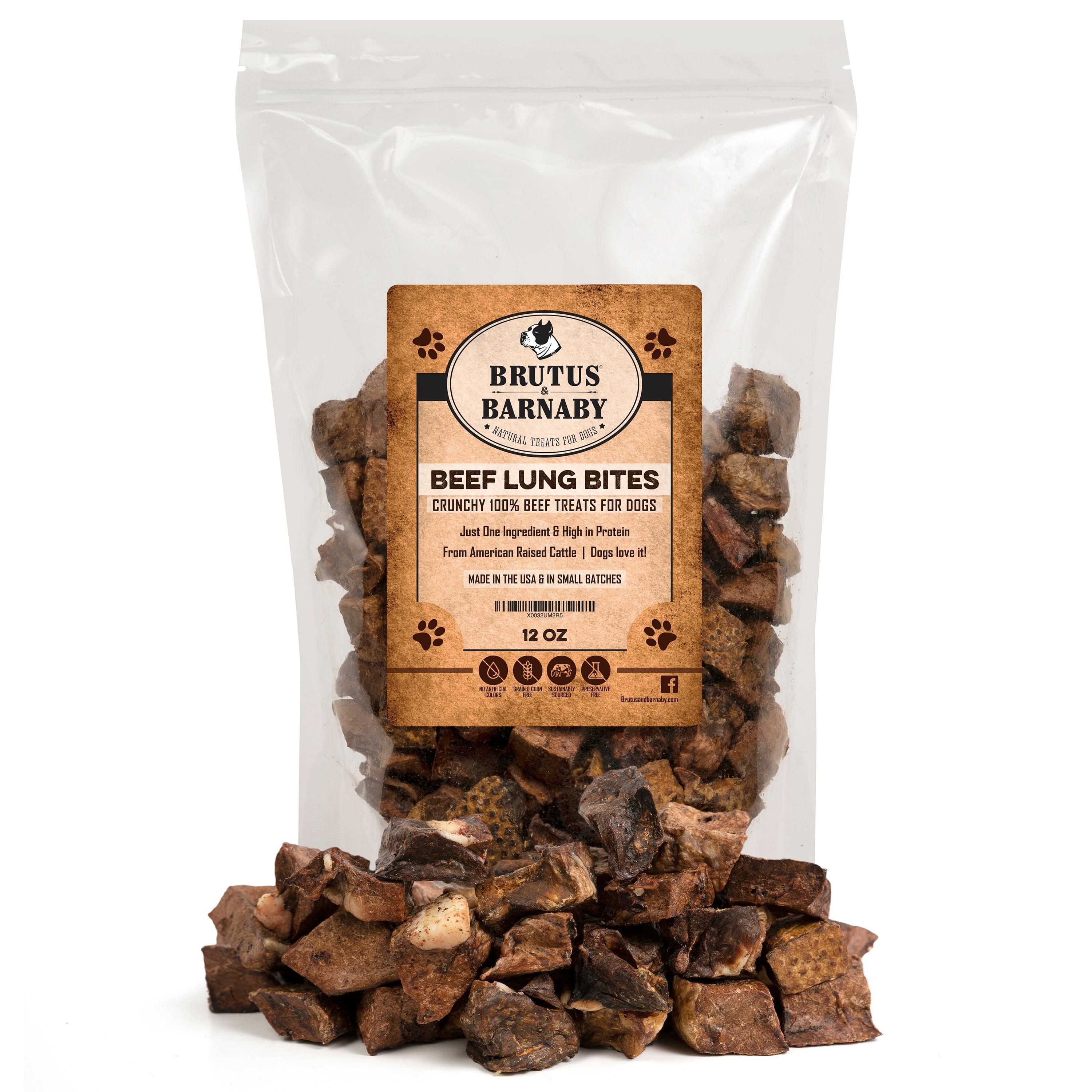
Beef Lung Bites for Dogs | High-Protein Crunchy Training Treats
Meaty, single-ingredient bites that can be broken into smaller pieces and saved for difficult grooming milestones.
Match the Reward to the Grooming Task
Nail trims are not the only procedure that benefits from gradual handling practice. The same framework can be adapted to brushing, baths, ear checks, face wiping, harnessing, and veterinary handling.
Bite-Sized Treats and Lickable Rewards Do Different Jobs
Lick mats and spreadable dog-safe foods are popular because licking can occupy the dog for a longer period. Bite-sized treats create clear individual repetitions. Neither format is automatically better.
Best for precise training steps
One touch, one reward. One brush stroke, one reward. The timing makes it easier for the dog to understand what predicted the food.
Useful for calm duration when the dog is comfortable
A lickable reward can support a dog who already feels safe remaining in position, but it should not conceal distress or justify continuing after the dog wants to stop.
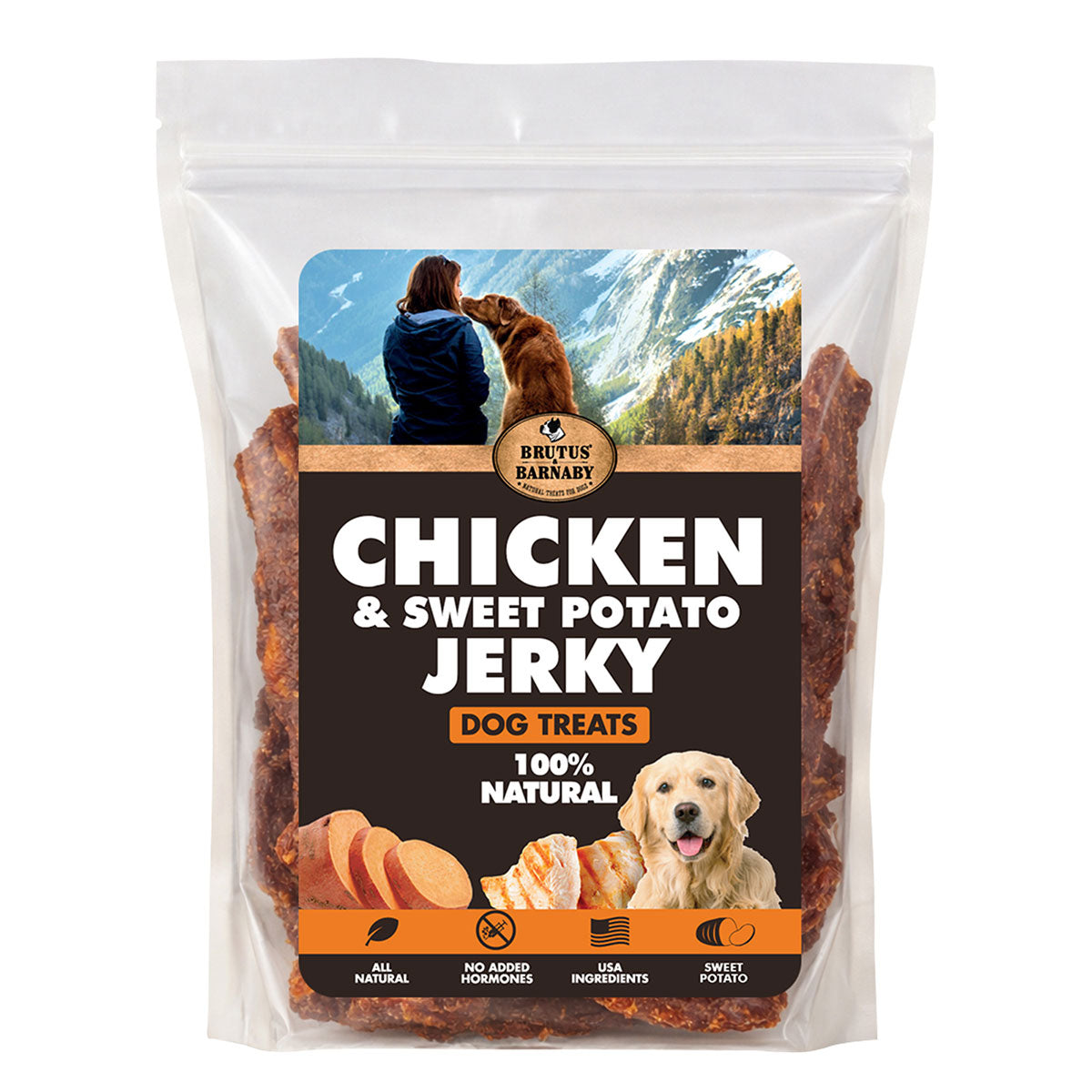
Chicken & Sweet Potato Jerky for Dogs | Easy-to-Tear Treats
A flexible jerky-style reward that can be torn into tiny pieces before the session and reserved for the hardest successful grooming steps.
Reward Timing: Before, During, or After?
The timing depends on the lesson. For counterconditioning, the mild grooming trigger should predict the reward. For teaching a voluntary position, reward the behavior you want the dog to repeat.
For portion guidance during repetition-heavy training, use our guide to how small dog training treats should be.
Give the Dog a Clear Way to Opt In and Opt Out
Cooperative care teaches a behavior the dog can use to say, “I am ready.” A chin rest, standing on a mat, placing a paw in your hand, or remaining in a chosen position can become that start signal.
When the dog leaves the position or lifts their chin, pause the handling. This does not mean the procedure can never happen. It means the training has created a predictable communication system instead of relying only on physical restraint.
The dog rests their chin on a towel, hand, or padded target while handling occurs.
Stepping onto a non-slip mat signals readiness and creates stable footing.
The dog voluntarily places a paw in your hand instead of having the leg grabbed.
Common Grooming-Treat Mistakes
Avoid
Do Instead
The same reward-based principles apply beyond grooming. See our five essential dog training tips for building clearer everyday training habits.
When Home Training Is Not the Right Next Step
Grooming resistance can be behavioral, but it can also be connected to pain. A dog who suddenly dislikes paw handling may have a torn nail, skin irritation, joint pain, a foreign object between the toes, or another medical concern.
Do not diagnose pain as stubbornness. Training cannot create comfort if touching the paw or moving the joint physically hurts.
A Seven-Day Paw-Handling Starter Plan
This plan is a starting structure, not a promise that every dog will be ready to clip a nail in seven days. Repeat any day until the dog is genuinely comfortable.
Helpful Grooming and Behavior Resources
These veterinary and training resources explain gradual handling exercises, desensitization, counterconditioning, cooperative care, and safe nail-trim preparation.
VCA Animal Hospitals — Handling Exercises for Nail Trims A veterinary guide to breaking handling into tiny steps, keeping sessions short, and returning to an easier step when concern appears. AKC — Desensitization and Counterconditioning How to keep a dog below threshold and gradually change negative emotional associations. Fear Free Happy Homes — Cooperative Care Chin Rest A voluntary participation behavior that can support grooming, examinations, nail care, and other handling. AKC — How to Trim a Dog's Nails Safely Practical preparation and a gradual example schedule for introducing paws, tools, sounds, and individual nail trims.Treats for Nail Trims and Grooming: Common Questions
What treats are best for trimming a dog's nails?
Use tiny, motivating treats your dog can eat quickly. Soft training treats suit rapid repetitions, breakable beef lung can be used for harder steps, and torn jerky can become a special reward for a completed nail.
Should I give the treat before or after touching the paw?
For simple handling practice, make a very brief comfortable touch, remove your hand, and deliver the reward. When changing feelings about the sight or sound of a tool, let the mild tool exposure predict the treat.
What if my dog will not take treats during a nail trim?
The procedure may be too difficult, the dog may be stressed, or pain may be involved. Stop, create space, and return to an easier step later. Seek veterinary advice for sudden sensitivity, pain signs, or general appetite changes.
Is a lick mat enough to calm a dog for grooming?
A lick mat may support a dog who already feels safe, but eating does not prove the dog is comfortable. Stop if the dog freezes, avoids, struggles, growls, or attempts to leave, even when food remains available.
How many nails should I trim in one session?
For a dog learning the process, one successful nail may be enough. Increase only while the dog remains relaxed and voluntarily participates. Several short sessions are better than forcing one complete trim.
Can I use the same treats for brushing and baths?
Yes, provided the food suits your dog. Use small pieces for individual brush strokes or handling steps, and reserve higher-value rewards for more difficult milestones such as entering the tub or tolerating water.
Should I punish my dog for growling during grooming?
No. A growl communicates discomfort and possible risk. Stop the procedure, create space, and seek qualified help when needed. Punishing the warning does not address fear or pain and may make future interactions less predictable.
When should a veterinarian trim my dog's nails?
Ask your veterinarian when pain, injury, infection, severe fear, aggression, or urgent overgrowth makes home trimming unsafe. Your vet can assess medical causes and discuss safe handling, behavior support, or sedation when appropriate.
The Best Grooming Treat Supports a Smaller, Safer Training Step
Food works best when the dog is comfortable enough to learn. Prepare tiny rewards, separate the procedure into manageable pieces, watch the full body, and finish before cooperation turns into struggle.
One calm paw touch today can be the foundation for easier nail trims, brushing, baths, and veterinary handling tomorrow.
Fast Soft Bites, Higher-Value Lung, and Tearable Jerky
Use soft Training Treats for repeated handling practice, Beef Lung Bites for harder steps, and tiny Chicken Jerky pieces for special grooming milestones.
Disclaimer: This article is for general educational purposes only and does not replace veterinary, behavioral, grooming, nutritional, diagnostic, or emergency advice. Grooming resistance can be related to fear, prior experience, pain, nail injury, skin disease, joint discomfort, neurological problems, or other medical causes. Stop handling and contact your veterinarian if your dog has sudden sensitivity, limping, swelling, bleeding, a broken nail, discharge, unusual odor, pain, appetite changes, lethargy, or another concerning sign. Dogs with severe fear, panic, growling, snapping, biting, or a history of aggression during handling need an individualized safety plan from a veterinarian, veterinary behaviorist, or appropriately qualified reward-based professional. Do not force, pin, corner, or punish a dog during grooming. Use safe tools, learn where the nail quick is before trimming, keep styptic supplies available, and seek professional assistance when you are unsure. Treats should not replace a complete and balanced diet. Count grooming rewards within the daily treat allowance, choose ingredients suitable for your dog's allergies and medical needs, provide fresh water, and supervise treat use. Product ingredients, nutrition information, pack sizes, packaging, and availability may change, so always review the current product page and packaging before feeding.