



Why Won't My Dog Take Treats Outside? How to Build Focus on Walks
Your dog happily takes rewards in the kitchen, then acts as if food does not exist the moment you step outside. That does not automatically mean the treat is bad or your dog is stubborn. The environment may simply be more exciting, confusing, or stressful than the reward can currently compete with.
A dog who refuses a treat outside may be too distracted to notice it, too worried to eat it, already full, unsure what you are asking, or simply unimpressed by that reward in that environment. The solution is usually to make the situation easier before making the treat richer.
If your dog takes treats at home but refuses them outside, begin farther away from distractions, ask for easier behavior, and reward simple check-ins before attempting a full training session. Use a reward your dog already enjoys, keep the pieces small, and move back to a quieter location if your dog cannot eat, look at you, sniff normally, or recover. Refusing food can be a sign that the environment is currently too difficult, especially when it appears with tense body language or attempts to escape.
Why a Dog Takes Treats at Home but Not Outside
Indoors, your dog already understands the room, the sounds, the smells, and the routine. Outside, every moving person, dog, vehicle, scent trail, bird, noise, and patch of grass can compete for attention.
Training does not transfer automatically from one setting to another. A cue learned beside the kitchen counter may need to be taught again in the doorway, driveway, quiet sidewalk, and park before it becomes reliable everywhere.
The fastest diagnostic question: will your dog take the same treat one step inside the door, on the doorstep, and then several feet outside? The point where food interest disappears helps you locate the current difficulty level.
Refusing Treats Is Not Automatically Stubbornness
Dogs do not prove they understand a behavior everywhere just because they performed it once indoors. New surroundings change the difficulty of the task.
Before labeling the dog stubborn, lower at least one challenge: reduce the distraction, shorten the duration, move closer to your dog, or ask for an easier behavior. Reward a glance, a name response, a hand target, or one loose-leash step instead of demanding a long heel through the busiest part of the walk.
What can my dog successfully do here?
Begin with a behavior your dog can offer while remaining relaxed, then build difficulty gradually.
Why is my dog choosing to ignore me?
Assuming defiance can lead to repeating cues, adding pressure, and making the environment even harder.
For broader reward-based training habits, read our guide to five essential dog training tips.
Check for Stress Before Upgrading the Treat
A richer reward cannot fix an environment that currently feels unsafe. Some dogs stop eating when they are frightened or overwhelmed, even when the offered food is something they normally love.
Look at the whole dog rather than using food acceptance as the only test. One signal alone can have several meanings, but a cluster of tense behaviors tells you to create more space.
Watch for a tucked tail, lowered head, stiff posture, trembling, or leaning away.
Yawning, wide eyes, a closed tense mouth, or avoiding eye contact may add context.
Trying to leave, pacing, pulling away, or becoming unusually still can signal overload.
When stress signs appear: stop asking for cues, create distance from the trigger, and let your dog recover. Repeatedly pushing food toward a worried dog can add pressure rather than create learning.
Build a Reward Ladder Instead of Using One Treat Everywhere
Reward value is personal. A soft peanut butter treat may be unforgettable to one dog and ordinary to another. A crunchy beef lung bite may instantly earn attention from a dog who ignores their everyday reward.
Test rewards at home first, then rank them by how quickly your dog notices, eats, and returns attention. Save the most motivating rewards for difficult environments, recall, passing distractions, or calm check-ins near triggers.
Important: a reward ladder is based on your dog's response, not the price, smell, protein source, or marketing label. The dog decides what is high value.
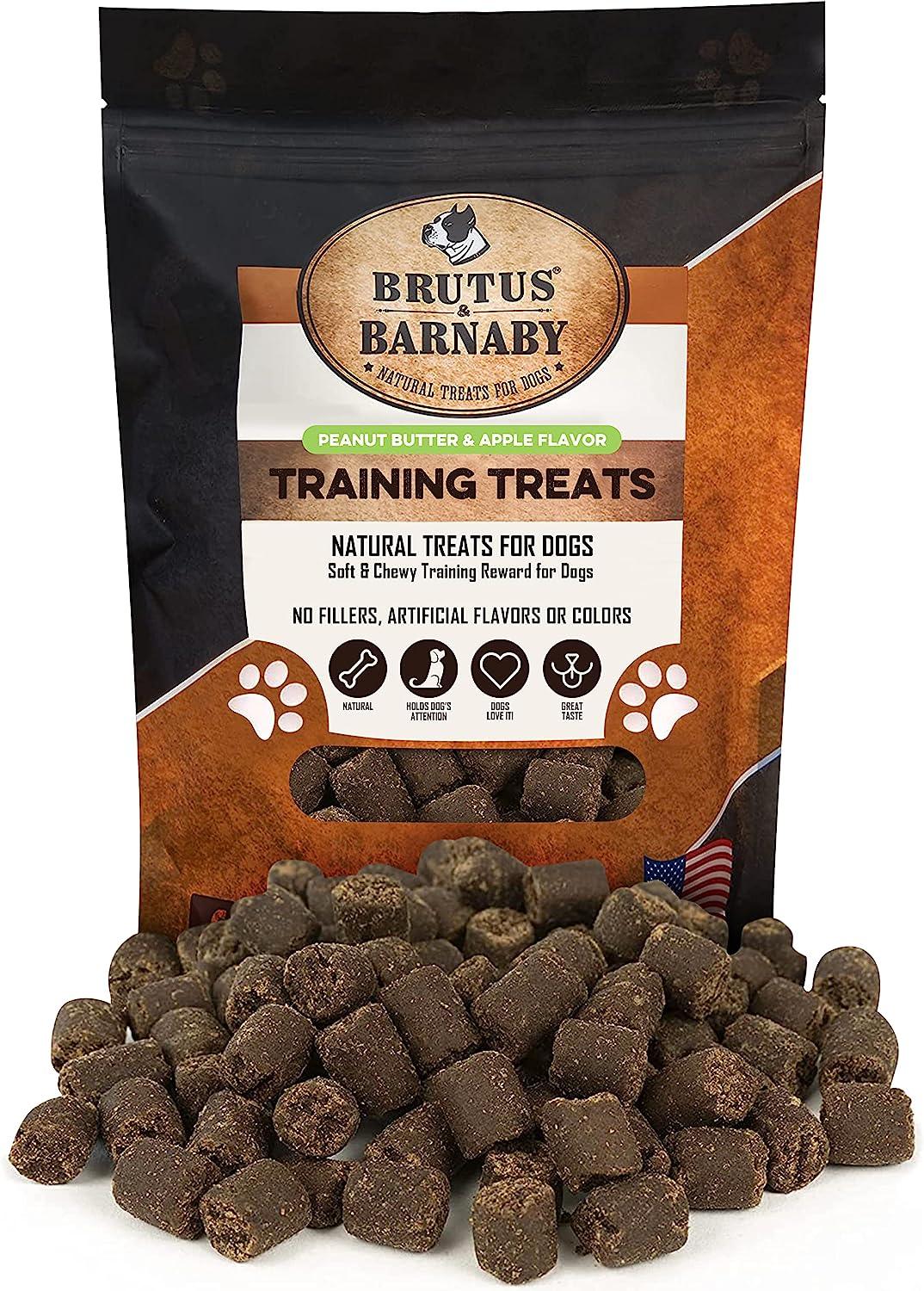
Training Treats for Dogs | Peanut Butter & Apple Soft Dog Treats
Soft, bite-sized rewards for quick repetitions when your dog is learning check-ins, name response, leash manners, and calm attention.
Use the Doorway Test to Find Your Starting Point
Do not begin at the busiest park because that is where you eventually want the behavior. Begin where your dog can still eat, think, and reconnect with you.
Reward the Smallest Useful Outdoor Behaviors
Outdoor focus is built from small moments. Waiting for a perfect heel or a long stare can leave too few opportunities to reward your dog.
Begin with behaviors that naturally move the dog back toward connection without preventing normal sniffing and exploration.
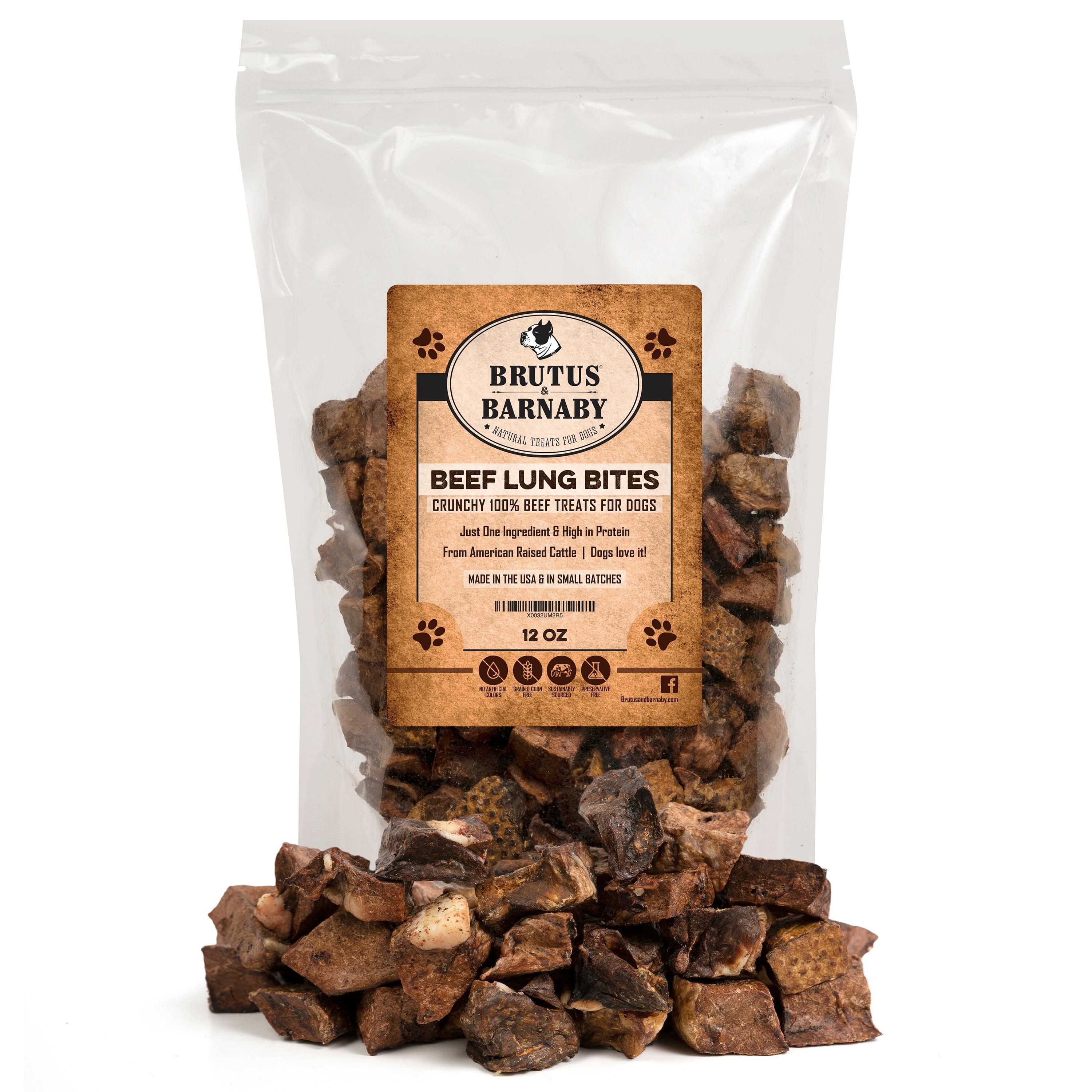
Beef Lung Bites for Dogs | High-Protein Crunchy Training Treats
Meaty, bite-sized rewards that can be broken smaller and reserved for moments when the outdoor environment needs stronger competition.
Prepare Treats Before the Walk Starts
Reward timing matters. If you need to open a bag, tear a strip, or search a pocket after the useful behavior has ended, your dog may not understand what earned the treat.
Prepare enough tiny pieces for the planned session and carry them in an easy-access pouch. The pieces should be noticeable to your dog, comfortable to swallow, and quick enough that training can continue.
Small soft pieces are useful when you want the dog to eat and immediately continue.
Pre-breaking avoids delays and lets you control the reward size more consistently.
Tear into tiny portions before the walk so the special reward is ready when needed.
Use our training treat size guide to choose pieces that keep the session moving without turning every reward into a full snack.
Use Sniffing, Movement, Play, and Distance as Rewards Too
Food is useful because it is easy to deliver and repeat, but it is not the only thing a dog values outside. Some dogs are more motivated by access to a scent, permission to move forward, a quick toy game, praise, or added distance from something uncomfortable.
You can reward a check-in by saying a release cue and letting your dog sniff a safe patch of grass. You can reward loose-leash walking by continuing toward the interesting tree. For a worried dog, turning away and creating space may be more valuable than food.
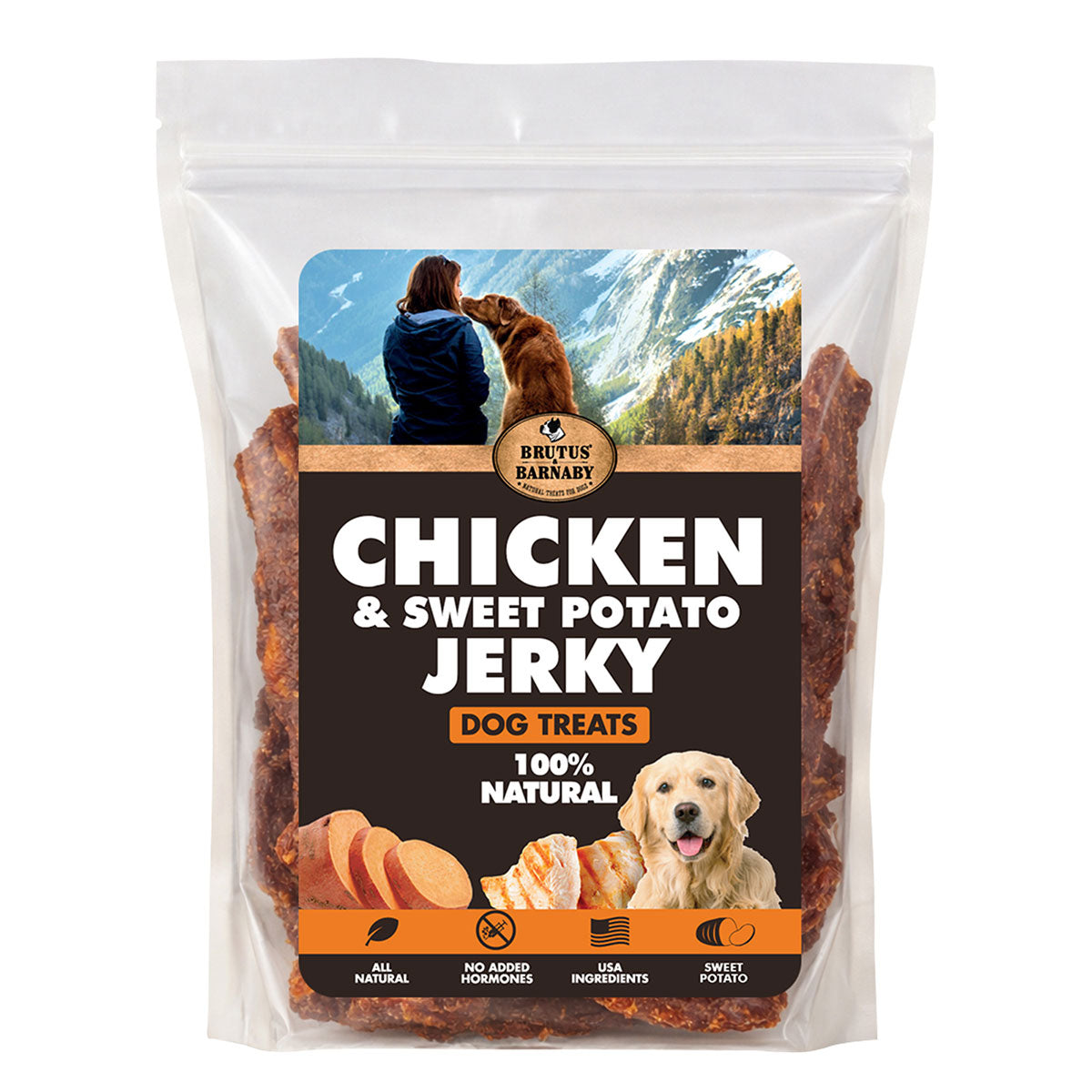
Chicken & Sweet Potato Jerky for Dogs | Easy-to-Tear Treats
A flexible jerky-style option that can be torn into small pieces before the walk and saved for the hardest successful moments.
What Not to Do When Your Dog Refuses Food Outside
The goal is to make outdoor learning clearer and safer, not to win a contest against the environment.
Avoid
Do Instead
Do not turn hunger into the training plan. It may be useful to avoid practicing immediately after a large meal, but your dog still needs their complete diet and any veterinary feeding schedule.
When Treat Refusal May Need Veterinary or Professional Help
Refusing treats only in one distracting setting is different from a sudden appetite change everywhere. Contact your veterinarian when your dog stops taking familiar food at home too, particularly when the change appears with other symptoms.
A Simple Seven-Day Outdoor Focus Plan
Progress depends on the dog, so repeat a day whenever the next step causes food refusal or stress. The numbers are a structure, not a deadline.
Helpful External Resources
These veterinary and animal-welfare resources explain reward-based training, distraction levels, stress signals, gradual exposure, and when food refusal may indicate that a dog is struggling.
AVSAB — Humane Dog Training Position Statement Evidence-based guidance supporting reward-based methods for dog training and behavior work. VCA Animal Hospitals — Fear of Places in Dogs Why exposure should be gradual and how refusing treats can signal that the situation is too intense. American Kennel Club — Duration, Distance, and Distraction A practical explanation of increasing one training challenge at a time. RSPCA — Dog Training and Reward-Based Learning Guidance on beginning in quiet environments, minimizing distractions, and using rewards the individual dog values.Dogs Refusing Treats Outside: Common Questions
Why will my dog eat treats at home but not on walks?
The outside environment may be more distracting or stressful than home. Your dog may need more distance from activity, an easier task, shorter sessions, or a more motivating reward.
Does refusing treats mean my dog is over threshold?
It can be one sign that the situation is too intense, especially when refusal appears with freezing, panting, a tucked tail, escape attempts, frantic scanning, or inability to respond. Food refusal alone does not identify the cause, so assess the full context.
Should I use higher-value treats outside?
Yes, when your dog is relaxed enough to eat and the environment is appropriately difficult. Lower the distraction level first, then use a reward your dog finds especially motivating for harder successful behaviors.
What is the best treat for a dog that ignores food on walks?
There is no universal best treat. Test soft training treats, small beef lung pieces, and pre-torn jerky at home, then build a personal reward ladder based on what your dog chooses quickly and can eat comfortably.
Should I skip my dog's meal before training?
Do not withhold necessary food simply to force motivation. You may avoid training immediately after a large meal when appropriate, but protect your dog's complete diet and follow any veterinary feeding schedule.
Can I train outside without food?
Yes. Sniffing, moving forward, play, praise, and distance from a trigger can all function as rewards when the dog values them. Reward-based training means using a desirable consequence, not necessarily food every time.
How long should outdoor training sessions be?
Keep them short enough that your dog finishes while still able to engage. For a dog struggling outside, one or two successful minutes near the doorway may be more useful than a long session in a busy park.
When should I call a veterinarian?
Call your veterinarian when treat refusal becomes a sudden general appetite change, happens at home as well as outside, or appears with vomiting, diarrhea, pain, drooling, weakness, unusual tiredness, or another concerning change.
Make the Environment Easier Before Making the Reward Bigger
When a dog refuses treats outside, the most useful response is not to push harder. Find the last location where your dog can still eat and think, reward very small successes, and build outward gradually.
Outdoor focus grows one successful step at a time: quieter location, easier behavior, timely reward, and a dog who still feels safe enough to learn.
Everyday Bites, Higher-Value Protein, and a Special Reserve
Start with soft Training Treats for easy repetitions, bring Beef Lung Bites for stronger motivation, and keep tiny Chicken Jerky pieces ready for the hardest successful moments.
Disclaimer: This article is for general educational purposes only and does not replace veterinary, nutritional, behavioral, diagnostic, or emergency advice. Treat refusal can occur because of distraction, stress, fear, fullness, reward preference, pain, illness, dental discomfort, medication effects, or other causes. Contact your veterinarian if your dog has a sudden appetite change, refuses normal meals or treats in familiar settings, or develops vomiting, diarrhea, drooling, weakness, unusual tiredness, pain, breathing difficulty, or another concerning sign. Dogs with persistent fear, aggression, panic, or reactivity may need an individualized plan from a veterinarian, veterinary behaviorist, or qualified reward-based behavior professional. Every dog has different dietary needs, allergies, ingredient tolerances, calorie requirements, and training preferences. Treats should not replace a complete and balanced diet. Use small portions, count all training rewards within the daily treat allowance, provide fresh water, and supervise treat use. Product ingredients, nutrition information, pack sizes, packaging, and availability may change, so always review the current product page and packaging before feeding.