



Can You Leave a Dog Alone With a Chew? Crate and Unsupervised Chewing Safety
A long-lasting chew can keep a dog happily occupied while you work nearby. That does not mean the same chew should be left in a crate when you go to the store, fall asleep, or cannot step in immediately. Edible chews change shape, texture, and size throughout the session, so the supervision plan matters as much as the product.
The question is not only, “Is this a good chew?” It is also, “What does my dog do with it after five, fifteen, or thirty minutes—and will anyone be close enough to respond if that behavior changes?”
Do not leave your dog alone with an edible chew such as a bully stick, beef cheek roll, collagen stick, cow ear, or pig ear. Offer edible chews only when an attentive adult can observe the entire session, notice changes in chewing behavior, and remove the chew before it becomes small enough to swallow. A crate does not remove choking, tooth, guarding, or intestinal-obstruction risk. For alone time, discuss suitable enrichment with your veterinarian or trainer and use only items that have been carefully tested with your individual dog under supervision first.
What Counts as Real Supervision?
Supervision means you are close enough, attentive enough, and free enough to intervene before a dangerous piece is swallowed. Simply being in the same home is not always enough.
A useful test: if your dog began coughing, bit off a large piece, or tried to swallow the final end right now, could you physically reach them within seconds? If not, save the edible chew for another time.
Why a Chew Becomes Different During the Session
Dog parents often judge a chew by how it looks when it leaves the bag. Safety decisions need to account for what it becomes after repeated biting, saliva, pulling, and softening.
The final section may fit fully inside the mouth even when the starting chew was appropriately large.
A dog may suddenly tear, fold, or swallow a section that was firm earlier in the session.
Excitement, interruption, another pet, or reaching the final piece can change how the dog handles the chew.
Long-lasting does not mean risk-free. A chew lasting longer gives you a longer supervised activity; it does not make the chew suitable for unattended use.
A Crate Does Not Make an Edible Chew Safer
Crates are valuable management and training tools, but the walls of a crate cannot prevent a dog from biting off a large piece, swallowing a softened end, damaging a tooth, or becoming distressed.
Confinement can also make access harder during an emergency. A panicked dog may move, guard the chew, or become difficult to remove through a crate door.
The crate can be a designated chew station
You may give an edible chew in an open or secured crate while sitting close enough to monitor and intervene.
Closing the door does not control the chew
Do not use an edible chew as a substitute for crate training, separation support, or a safe departure plan.
Edible Chews and Alone-Time Enrichment Are Different Categories
A product can be appropriate for supervised chewing without being appropriate for unattended crate time. Evaluate each item by its intended use and your dog's proven behavior with it.
No item is automatically safe for every dog. Ask your veterinarian or qualified trainer to help choose an alone-time setup for dogs with pica, destructive chewing, separation anxiety, dental disease, or a history of swallowing objects.
Learn Your Dog's Chewing Style During Supervised Trials
Every new chew should begin as an observation session. Do not assume success with one texture predicts success with another.
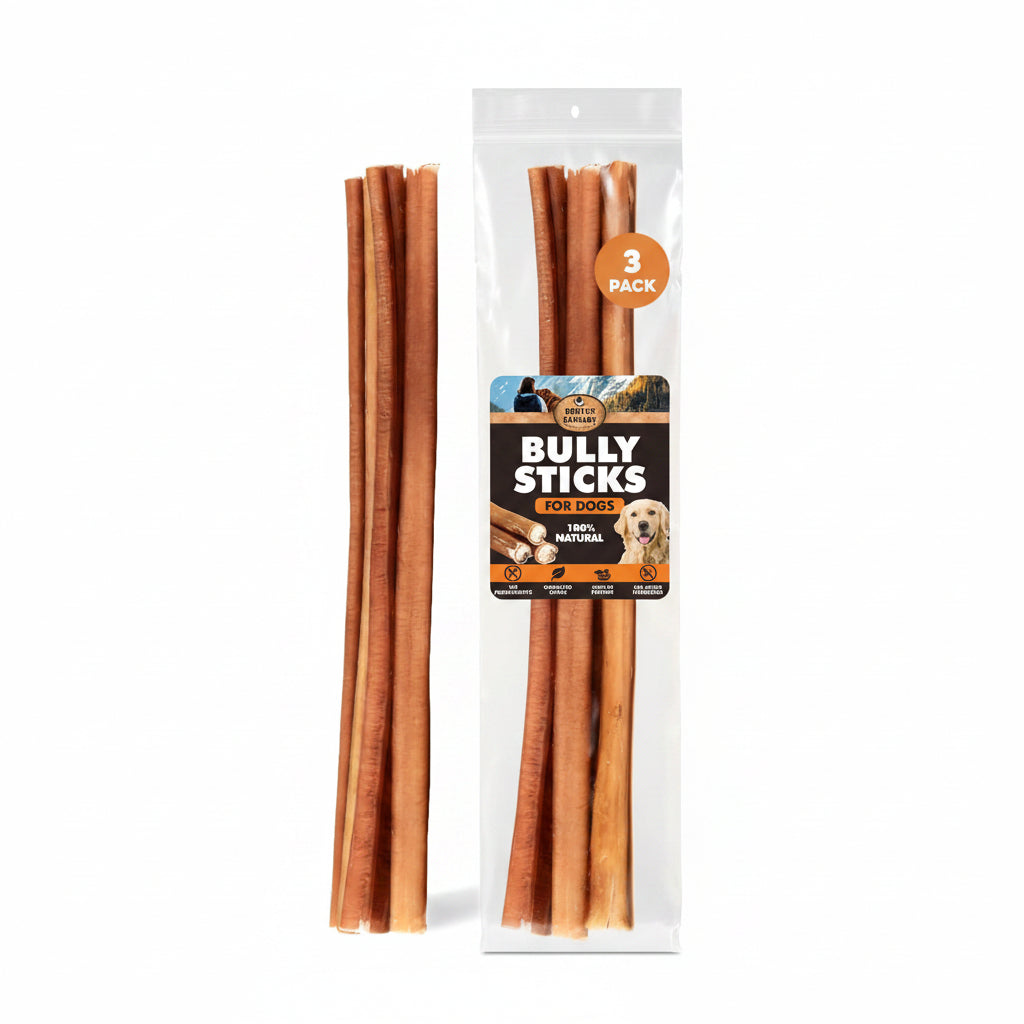
12 Inch Bully Sticks for Dogs | Extra-Thick Rawhide-Free Chews
A longer starting format for medium and large dogs that enjoy focused chew sessions while an adult monitors chewing speed and the final end.
Remove the Chew Before the Final End Becomes the Risk
Many dogs chew carefully for most of the session and then try to swallow the remaining piece. Plan the trade before that moment.
Read our dedicated guide to dogs swallowing chews whole for a more detailed gulping-prevention routine.
Trade the Chew Instead of Chasing or Grabbing
Removing a high-value chew abruptly can create conflict. Teach the trade skill with low-stakes objects before you need it during a real chew session.
For the complete skill progression, see our guide to teaching leave it, drop it, and trade-up.
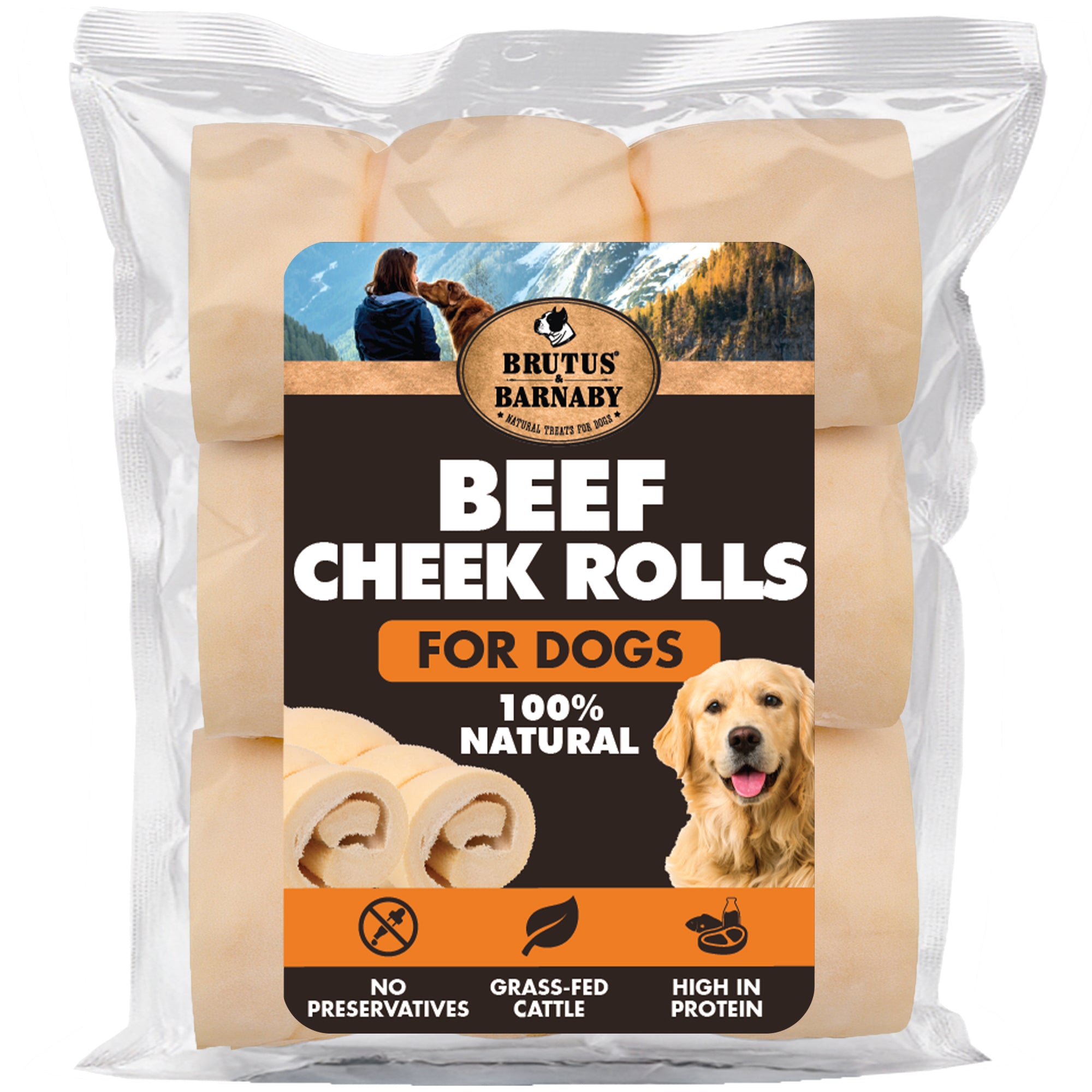
Beef Cheek Rolls for Dogs | Long-Lasting Rawhide-Free Chews
A substantial beef-cheek chew for medium, large, and strong chewers when you have time to watch how the roll softens and changes.
Dogs Who Need an Even More Conservative Chew Plan
Every dog benefits from supervision, but some dogs need shorter sessions, different textures, veterinary input, or no edible chews at all.
Multi-dog households can also use our dedicated guide to safer chew time with more than one dog.
A Chew Does Not Treat Separation Anxiety
A relaxed dog may enjoy enrichment before or during a short absence. A dog with separation-related distress may ignore food, chew frantically, destroy the crate, drool, vocalize, eliminate, or attempt escape.
Leaving a valuable edible chew with an anxious dog can add risk because chewing behavior may become faster or less predictable. It can also hide the early part of the distress without treating the underlying problem.
Dog settles after normal enrichment
The dog can eat, rest, play, and recover normally without repeated panic or escape behavior.
Behavior escalates after departure
Persistent vocalizing, escape attempts, drooling, destruction near exits, elimination, or refusing food needs professional assessment.
Use cameras for assessment, not emergency prevention. Video can help a veterinarian or behavior professional see what happens after you leave, but it does not make an edible chew supervised.
Build a Safer Departure Routine Without Relying on an Edible Chew
Alone-time safety begins before the door closes. The routine should meet the dog's needs while removing items the dog has shown they may destroy or swallow.
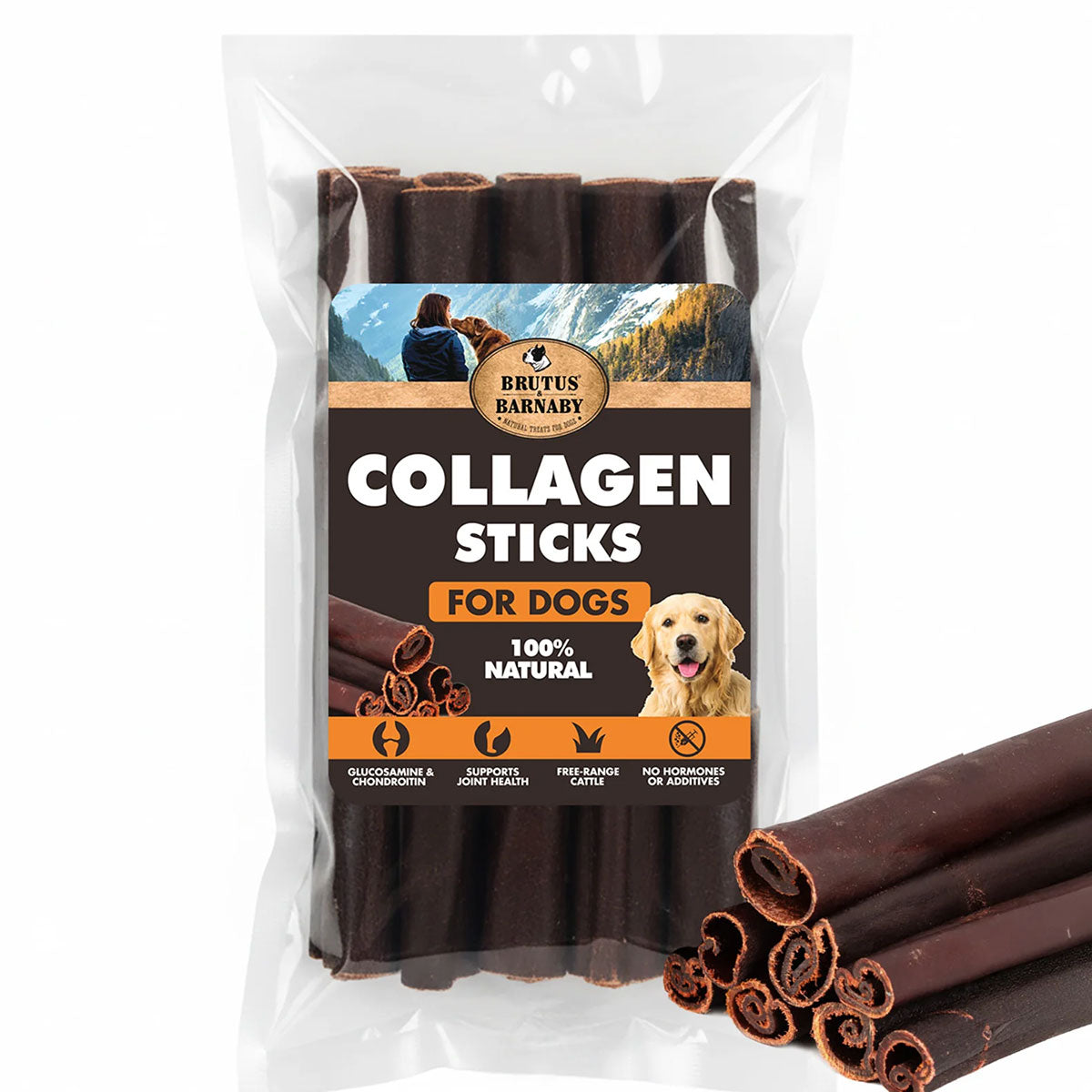
Beef Collagen Sticks for Dogs | Long-Lasting Rawhide-Free Chews
Six-inch collagen sticks for a planned chew session in which you can watch the stick soften, shorten, and form end pieces.
Choking and Intestinal Obstruction Are Different Emergencies
Choking blocks the airway and may become life-threatening within minutes. An intestinal obstruction happens after material is swallowed and becomes lodged in the digestive tract. Signs may appear later.
Do not wait for every symptom. If your dog swallows a large chew piece, has breathing difficulty, repeatedly vomits, seems painful, or becomes unusually tired, contact a veterinary professional immediately.
What to Do If Your Dog Swallows a Large Chew Piece
The Supervised Chew Checklist
For a complete product-sizing framework, read our dog chew size guide and our guide to avoiding choking hazards with dog chews.
Helpful Chew, Crate, and Emergency Resources
These veterinary, university, and pet-safety resources explain chew selection, crate-item testing, gastrointestinal obstruction, and choking warning signs.
AKC — How to Choose Edible Dog Chews Guidance on matching size, hardness, durability, and chew type to the individual dog's chewing style. AKC — Crate Training and In-Crate Activities Why new crate toys should be supervised first and selected for the dog's size and destruction style. Cornell University — GI Foreign-Body Obstruction in Dogs Clinical signs, prevention, and why prompt veterinary care matters when swallowed material becomes lodged. American Red Cross — Dog Choking Signs and First Aid Emergency warning signs and first-aid education for an airway obstruction.Leaving Dogs With Chews: Common Questions
Can I leave my dog alone with a bully stick?
No. Monitor bully sticks from start to finish and remove the remaining end before it becomes small enough to swallow. Power chewers may also bite off larger pieces earlier in the session.
Can I leave a beef cheek roll in my dog's crate?
Do not leave an edible beef cheek roll in a crate while the dog is unattended. It can soften, loosen, or become a smaller swallowable piece as chewing continues.
Are collagen sticks safe when I am sleeping?
No edible chew should be left with a dog while you sleep. You cannot monitor changes in size, texture, chewing speed, or breathing closely enough to intervene immediately.
Does a pet camera count as supervising a chew?
No. A camera can show you what is happening, but it cannot remove a dangerous piece or provide immediate hands-on help. Use cameras to assess alone-time behavior, not to justify unattended edible chewing.
What can I safely leave in my dog's crate?
There is no universal item that is safe for every dog. Ask your veterinarian or trainer, choose the correct size and material, and test any toy repeatedly under supervision before considering it for alone time. Remove bedding or toys the dog shreds or ingests.
When should I take a chew away?
Remove it before the piece can fit fully in the mouth, whenever large chunks loosen, if the dog starts gulping, or if you see coughing, gagging, mouth pain, bleeding, guarding, vomiting, or discomfort.
What should I do if my dog swallows a chew end?
Check breathing and contact your veterinarian or emergency hospital with the dog's weight, product, estimated piece size, timing, and symptoms. Do not induce vomiting unless a veterinary professional instructs you to do so.
Can a chew help a dog with separation anxiety?
A chew does not treat separation anxiety. Dogs in distress may refuse food or chew frantically. Persistent vocalizing, escape attempts, drooling, destruction, elimination, or panic should be discussed with your veterinarian and a qualified behavior professional.
Save Edible Chews for the Times You Can Truly Watch
Bully sticks, beef cheek rolls, collagen sticks, and ears can create satisfying supervised chew sessions. They should not become unattended crate activities simply because they are natural, digestible, large, or long-lasting.
The safest long-lasting chew is still a supervised chew: the right dog, the right size, the right session, and an attentive person close enough to act.
Choose the Format That Fits Your Dog—Then Stay Close
Pick 12 Inch Bully Sticks for a longer starting format, Beef Cheek Rolls for substantial chewing, or Collagen Sticks for a six-inch chew session. Every option should be sized, introduced, and monitored for your individual dog.
Disclaimer: This article is for general educational purposes only and does not replace veterinary, nutritional, dental, behavioral, crate-training, first-aid, diagnostic, or emergency advice. No chew, toy, crate item, or enrichment product is risk-free or appropriate for every dog. Suitability depends on age, size, weight, teeth, medical history, diet, allergies, ingredient tolerance, chewing strength, swallowing behavior, pica, guarding, anxiety, and previous product use. Brutus & Barnaby edible chews should be offered only under active adult supervision. Choose an appropriate starting size, provide fresh water, separate pets during valuable chew sessions, and remove pieces before they become small enough to swallow. Do not leave edible chews with a dog while you are away, sleeping, or unable to intervene immediately. Contact your veterinarian before offering chews to puppies, senior dogs, dogs with dental disease, restricted diets, digestive disease, previous obstruction, pica, or swallowing problems. Difficulty breathing, gasping, blue or pale gums, collapse, repeated vomiting, appetite loss, abdominal pain, diarrhea, straining, and unusual lethargy require urgent veterinary guidance. Do not induce vomiting or perform first-aid procedures unless directed by a veterinarian or you have appropriate pet first-aid training. Product ingredients, nutrition information, pack sizes, packaging, and availability may change, so always review the current product page and packaging before feeding.