



How to Teach Your Dog the “Leave It” Command
“Leave It” is one of the most useful safety cues your dog can learn — and high-value rewards make the training faster, clearer, and more reliable.
Teaching your dog the “Leave It” command is one of the most important safety skills you can build. It is not just a trick — it can help prevent your dog from grabbing toxic food, dangerous objects on walks, or household items they should not have.
Whether you are teaching a new puppy or an adult dog, the best method is positive reinforcement. The goal is simple: your dog learns that ignoring one tempting item leads to a better reward from you.
High-value rewards like Training Treats, Chicken Jerky, and small pieces of Bully Bites make the lesson clearer because your dog has a strong reason to disengage and look back at you.
What Is the “Leave It” Cue for Dogs?
The “Leave It” command tells your dog to disengage from whatever has their attention — food, a toy, a dangerous object, another animal, or something on the ground — and look back to you instead. It is a fundamental impulse-control exercise.
The training works by creating a clear trade: your dog ignores a lower-value item, such as kibble, and earns a much better reward from you. Over time, your dog learns that leaving tempting things alone is the behavior that pays.
Preventing the Grab
Releasing the Item
Simple difference: “Leave It” means do not pick it up. “Drop It” means release what is already in your mouth.
Essential Supplies for “Leave It” Training
Before you begin, gather your tools. You need two distinct reward levels: a low-value lure your dog must learn to ignore and a high-value reward your dog gets from you for making the right choice.

Training Treats – Peanut Butter Banana
A soft, easy-to-repeat reward for building impulse control, attention, and early “Leave It” success.
- Great for training rewards
- Soft, quick-to-eat texture
- Easy to repeat often
- Useful for impulse control
5-Step Guide: How to Teach “Leave It” to Your Dog
Teach “Leave It” in phases. Do not rush. Your dog should be successful at one step before moving to the next.
Step 1: The Covered Hand
Place a low-value treat in your palm and close your hand into a fist. Hold your fist near your dog’s nose and say “Leave It.” Your dog may lick, sniff, or paw. Stay quiet and keep your fist closed. The instant your dog backs away or stops trying, say “Yes!” and reward from your other hand with a better treat.
Step 2: On the Floor, Still Covered
Place the low-value treat on the floor and cover it completely with your hand. Say “Leave It.” Wait for your dog to stop sniffing or nudging your hand. When they back away, reward from your other hand with the high-value treat.
Step 3: Uncovered Treat Practice
Place the low-value treat on the floor and say “Leave It.” Slowly uncover it. Be ready to cover it again if your dog lunges. If your dog holds back or looks at you, immediately reward from your hand. The reward needs to be faster and better than grabbing the lure.
Step 4: Add Distance and Duration
Once your dog can resist the visible treat for a few seconds, start adding distance and duration. Say “Leave It,” take one step back, and reward if your dog stays away from the item. Slowly increase how long your dog waits and how far you move.
Step 5: Proof the Command
Proofing means practicing in more distracting environments. Start in a quiet room, then practice in your yard, then on leash walks. Use controlled setups first before expecting your dog to ignore real-world temptations.
Key point: the reward always comes from you, not from the item on the floor. Your dog is learning that ignoring temptation leads to a better payout.
Best Treats for “Leave It” Training
The high-value reward must be more exciting than the item your dog is leaving. If your dog is ignoring you, your reward may not be strong enough, the item may be too tempting, or you may be moving too fast.
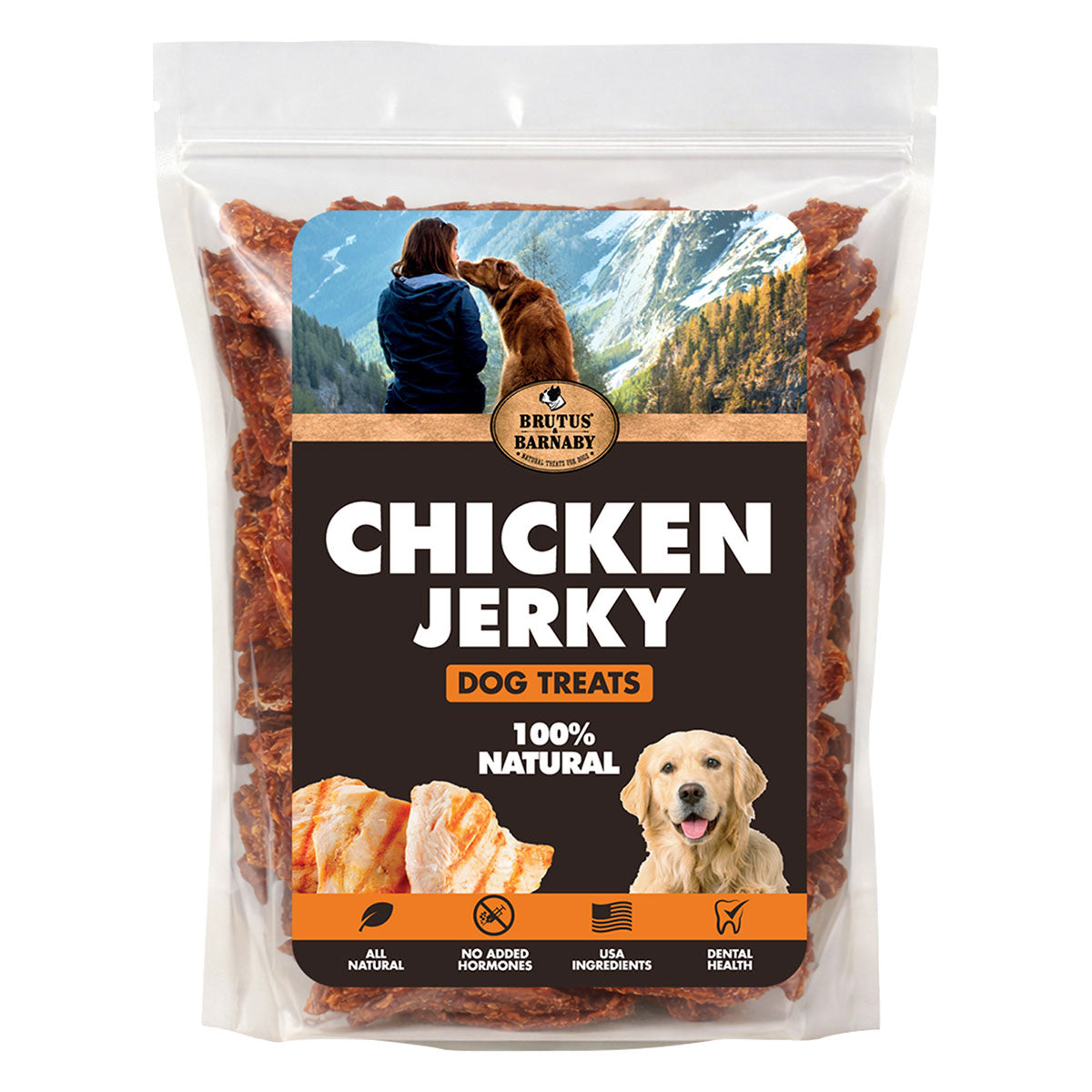
Chicken Jerky
A lean, aromatic reward that can be broken into small pieces for difficult “Leave It” sessions.
Shop Chicken Jerky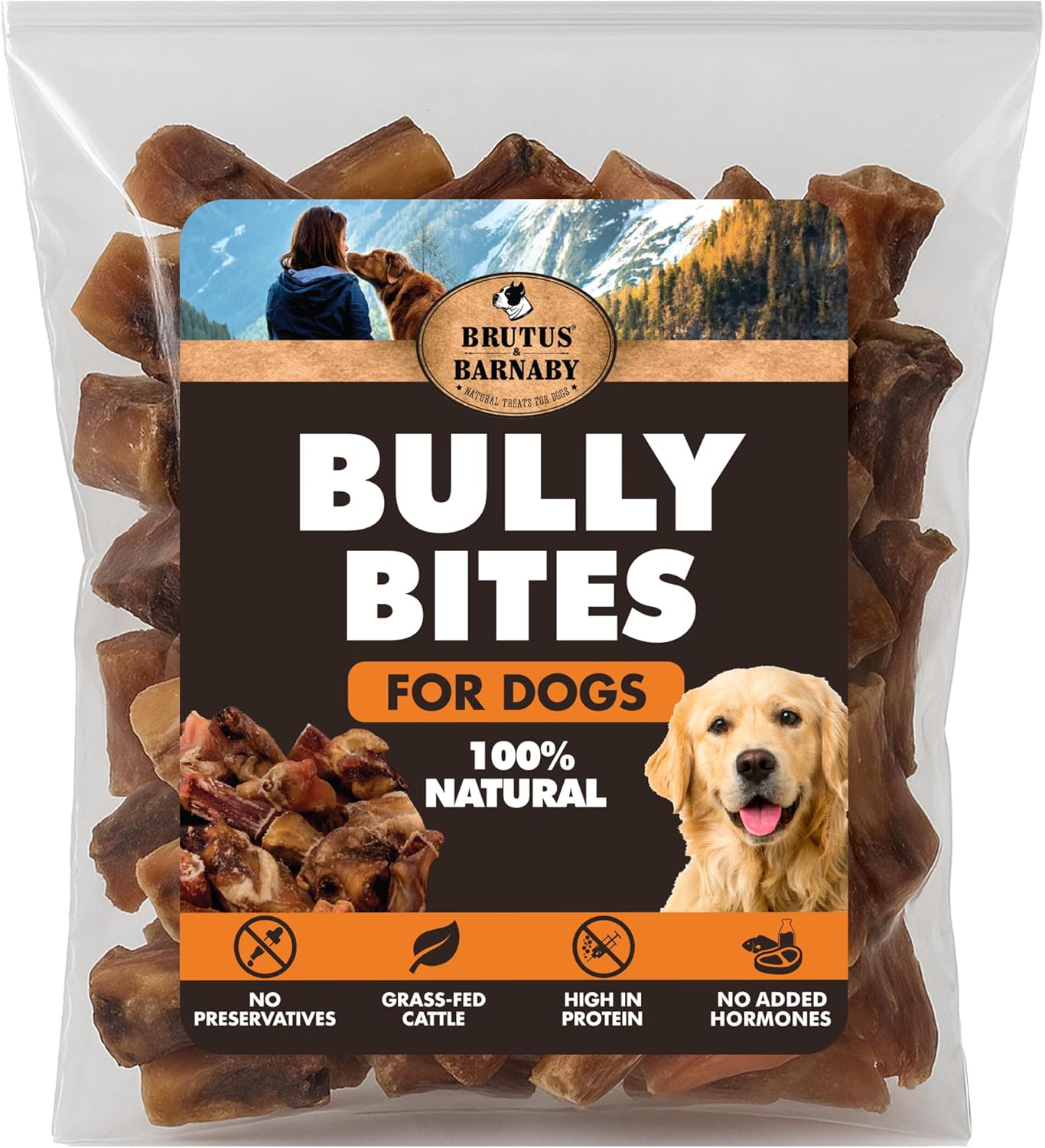
Bully Bites
Irresistible reward pieces for dogs who need extra motivation during harder impulse-control practice.
Shop Bully Bites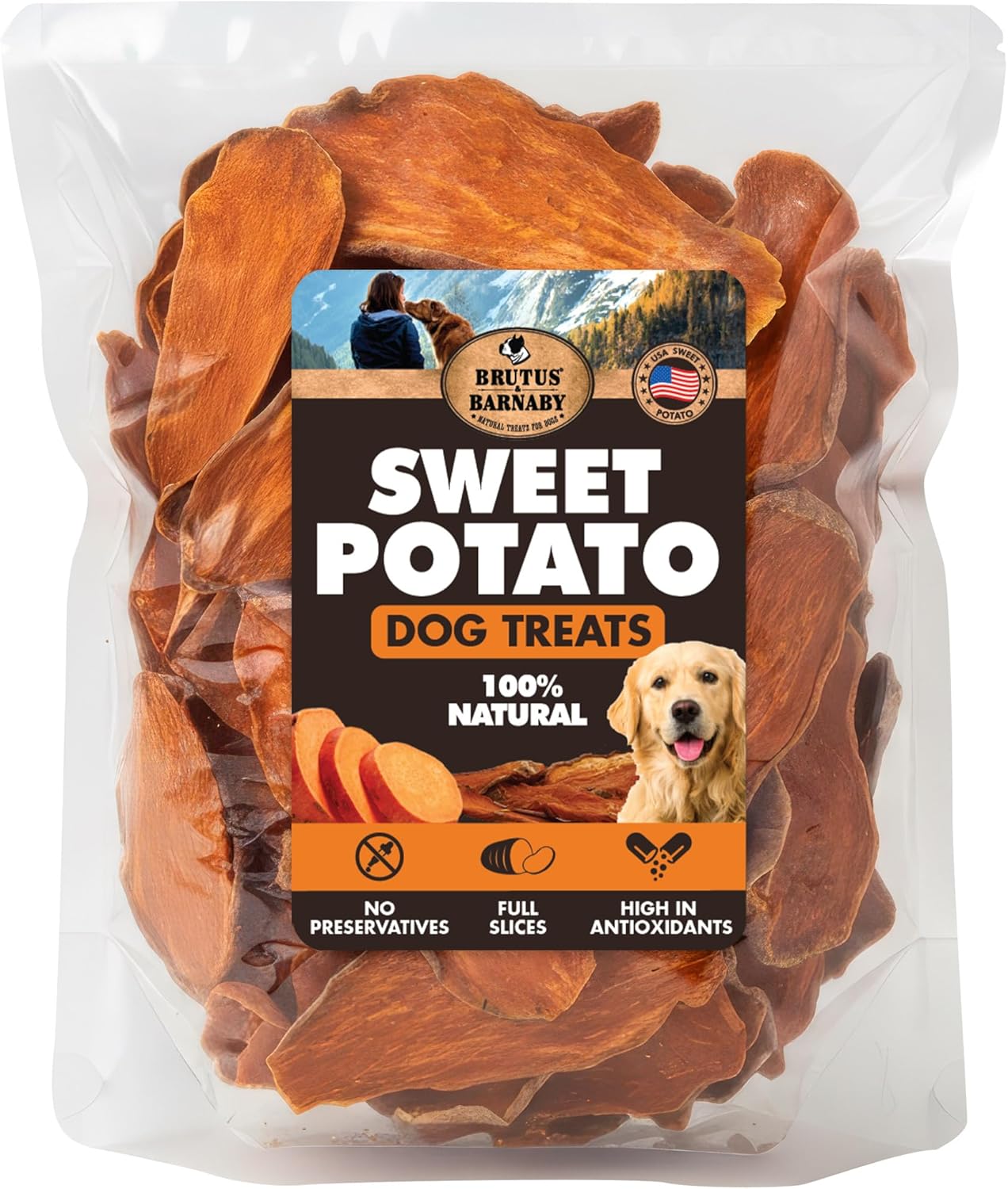
Sweet Potato Slices
Use small pieces as controlled practice items or gentle rewards once your dog understands the basics.
- Gentle digestion
- Simple sweet potato treat
- Good for proofing practice
- Easy to portion smaller
Proofing “Leave It” in Real Life
Once your dog understands the cue indoors, start proofing it around more realistic distractions. Begin with controlled setups, then slowly move into harder environments like the yard, sidewalk, or a quiet park.
Practice with different low-value items first, then slowly increase difficulty. You can use kibble, toys, dropped treats, or supervised setups with more exciting items like Cow Ears. Always keep your dog on leash during outdoor proofing so they cannot self-reward by grabbing the item.
Training tip: if your dog fails, the setup is too hard. Make the lure less exciting, increase distance, or go back to a covered item.
Frequently Asked Questions
Final Thoughts
Teaching “Leave It” takes patience, timing, and positive reinforcement, but the result is a safer, more reliable dog. Keep sessions short, make the reward worth it, and move through the steps gradually.
Start in an easy environment, reward every correct choice, and slowly build toward real-world distractions. With consistency, your dog learns that ignoring temptation is not a loss — it is the path to something better from you.
Ready to Train? Stock Up on Rewards
Explore soft training treats, high-value jerky, bully bites, and simple rewards that help make impulse-control training easier.
Shop Training Treats
```