



Spring Allergies: Choosing Treats That Won’t Trigger Sensitivities
Spring pollen can make itchy dogs even more uncomfortable. Choosing simple, clean treats helps reduce extra dietary irritation while you manage environmental triggers.
As flowers bloom and pollen fills the air, many dog owners notice their pets start itching, scratching, licking paws, or developing red, irritated skin. Springtime is peak season for environmental allergies, but flare-ups can become even more confusing when food sensitivities are also involved.
Understanding the difference between environmental triggers and food sensitivities is the key to keeping your dog more comfortable. Treats matter because fillers, multiple proteins, artificial colors, or unknown ingredients can make it harder to identify what is actually causing the problem.
The goal during allergy season is not to “treat” allergies with snacks. The goal is to keep treat time simple, clean, and predictable so your dog’s diet is not adding extra irritation while you manage pollen, dust, grass, and other environmental triggers.
Are Dog Allergies Worse in Spring?
Yes, many dogs experience worse allergy symptoms in spring and fall because seasonal allergens like tree pollen, grasses, weeds, and mold spores are more active. These environmental allergies are often called atopy and can cause itching, paw licking, face rubbing, ear irritation, and skin redness.
Managing spring allergies usually requires a multi-step routine: wiping paws after walks, bathing with a gentle soothing shampoo, washing bedding regularly, reducing pollen exposure, and speaking with your veterinarian about medications or supplements when symptoms are persistent.
Environmental Allergies
Why Treat Simplicity Helps
Key point: clean treats do not cure allergies, but they can help avoid adding extra dietary variables during a season when your dog’s immune system may already be reacting.
Identifying the Allergy Culprits: Food vs. Environment
Many owners confuse environmental symptoms with food allergies because the skin reactions can look similar. Dogs with environmental allergies may itch, lick, rub, or develop ear problems. Dogs with food sensitivities may show skin signs too, but digestive symptoms like vomiting, diarrhea, gas, or stool changes can also appear.
The ideal treat strategy during spring is to keep ingredients simple. This helps reduce potential food irritants while you and your veterinarian determine whether your dog is dealing with environmental allergies, food sensitivities, or both.
What Treats Can You Give a Dog With Allergies?
When dealing with a dog prone to sensitivities, the simpler the ingredients, the better. Prioritize single-ingredient treats or limited-ingredient options so you can avoid unnecessary fillers, artificial colors, flavorings, and unknown ingredients.
1. Single-Protein Jerky and Chews
If your dog is not sensitive to a specific protein, single-protein treats can be a cleaner option than multi-ingredient snacks. For example, Chicken Jerky is made from chicken breast and can work well for dogs who tolerate chicken.
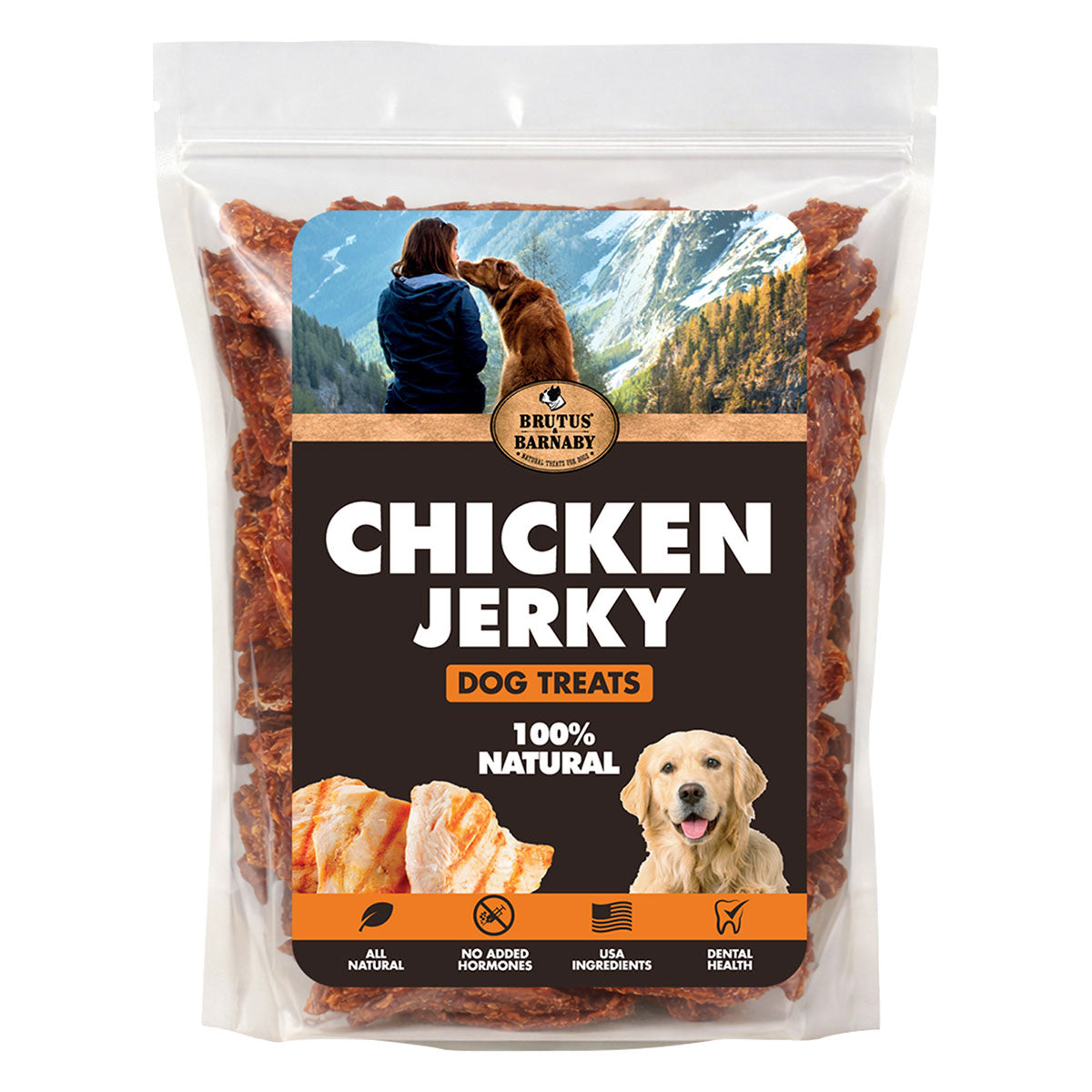
Chicken Jerky
A lean, single-protein treat for dogs who tolerate chicken and need a simple reward without extra fillers.
- Single-protein option
- Lean chicken reward
- Easy to break smaller
- Great for simple treat routines
2. Simple Natural Chews
Single-ingredient chews like Cow Ears or Beef Lung Bites can be helpful for dogs who do well with beef and need a simple chew or reward. They also make it easier to avoid long ingredient panels full of hidden additives.
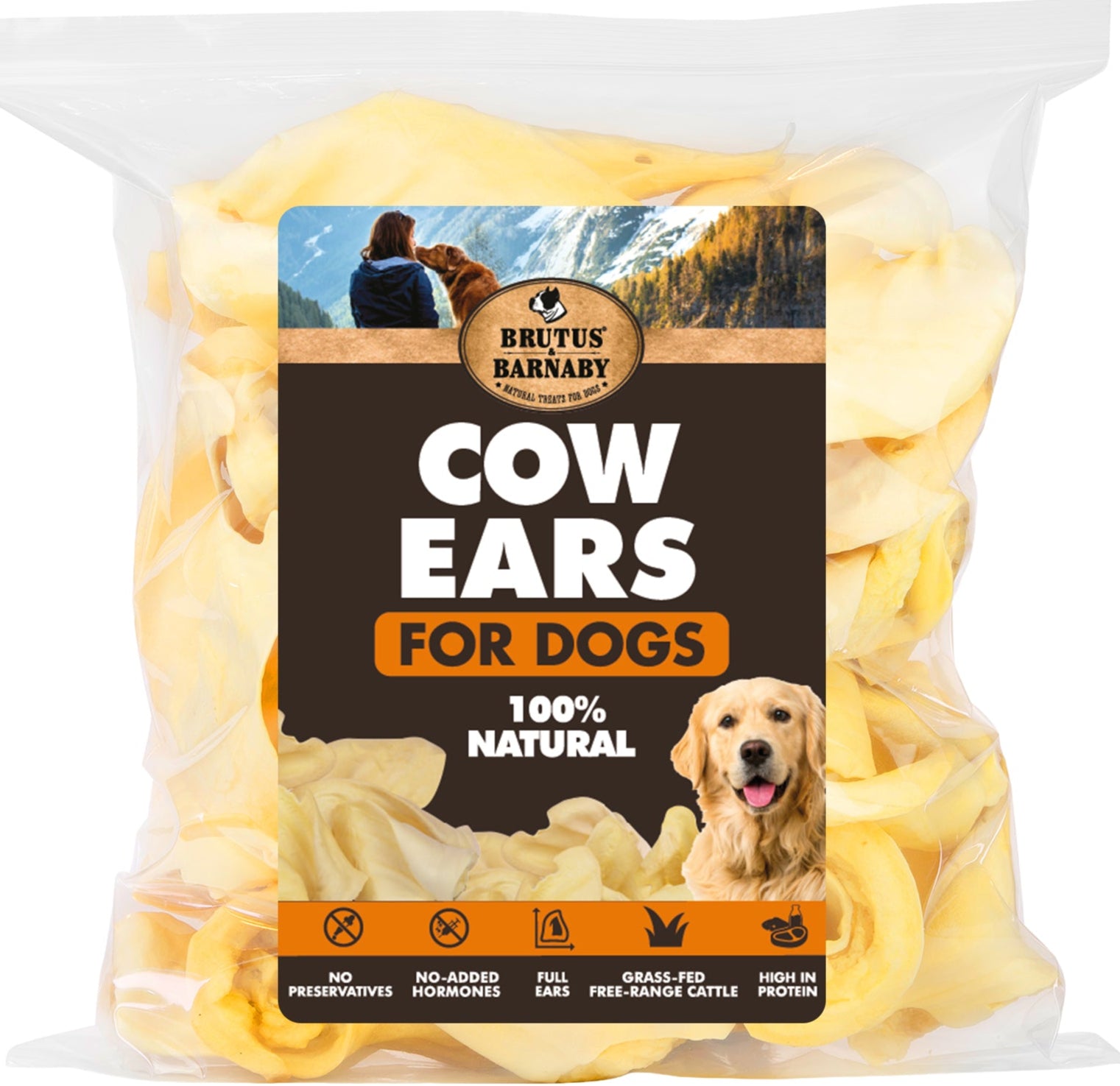
Cow Ears
A simple natural chew for dogs who tolerate beef and need chewing satisfaction without complicated ingredients.
Shop Cow Ears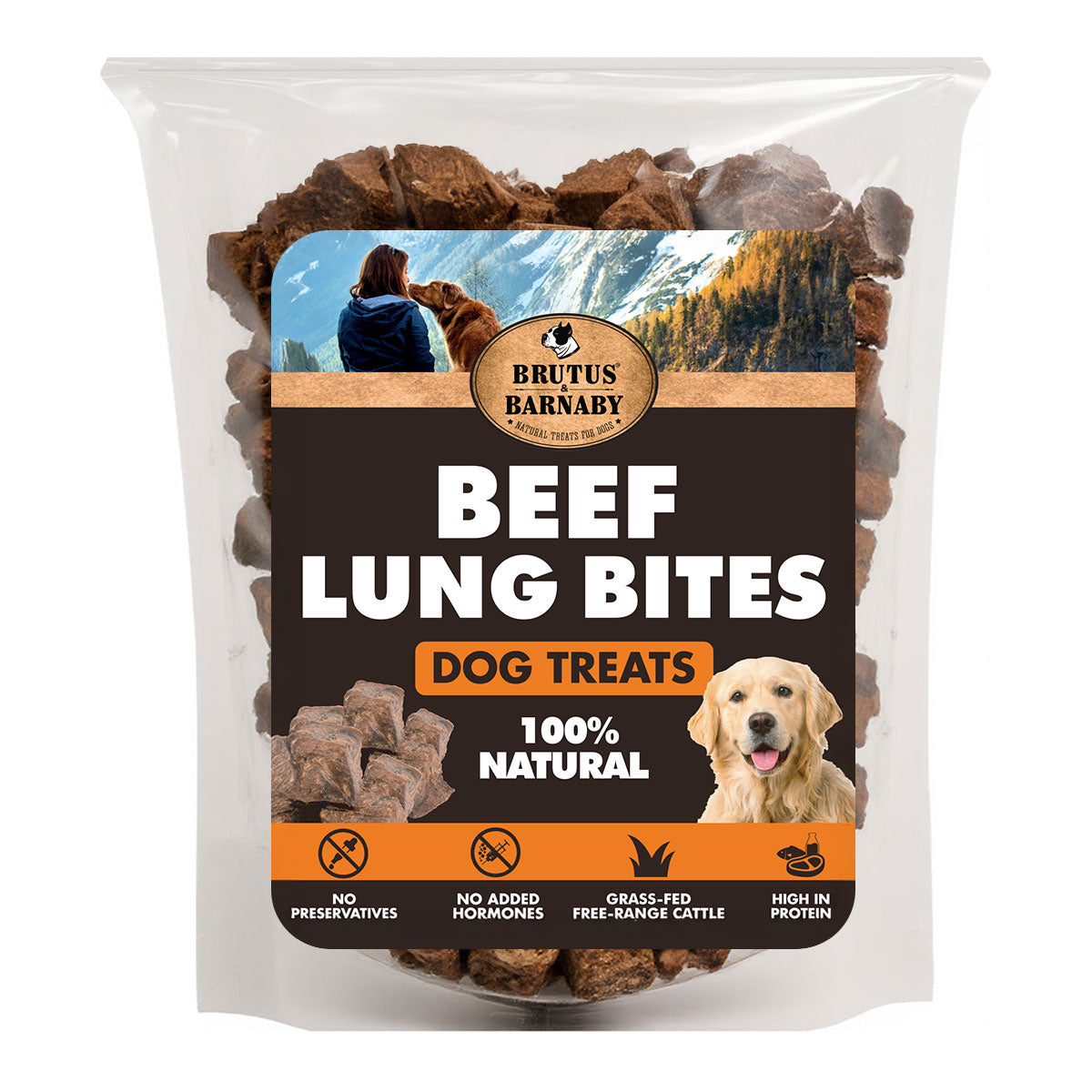
Beef Lung Bites
A light, airy reward for dogs who tolerate beef and need an easy-to-portion treat.
Shop Beef Lung BitesPlant-Based Options for Dogs With Protein Sensitivities
For dogs with known meat protein sensitivities, plant-based options may be a useful part of a clean treat routine. Sweet potato treats are often a simple choice because they avoid common meat proteins while providing a fiber-forward snack.
Sweet Potato Slices, Sweet Potato Fries, and vegan Training Treats can all be helpful options when you need treats that are easy to understand and easy to rotate carefully.
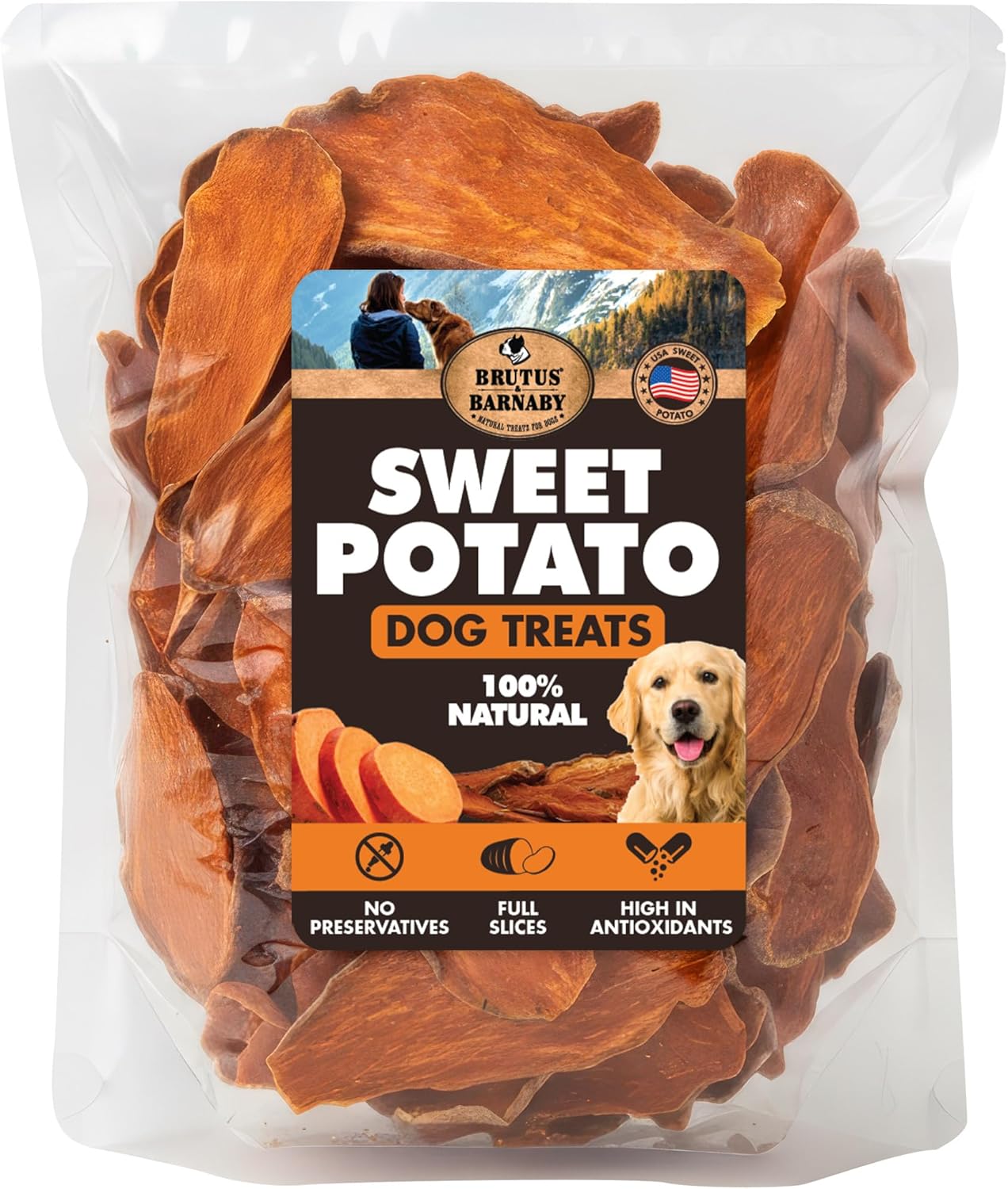
Sweet Potato Slices
A simple plant-based treat for dogs who need a meat-free snack during a sensitivity-focused routine.
- Plant-based treat option
- Gentle digestion
- Fiber-forward snack
- Good for simple treat routines

Sweet Potato Fries
A simple sweet potato option for dogs who need a cleaner snack rotation.
Shop Sweet Potato Fries
Peanut Butter Banana Training Treats
A vegan training reward for dogs who need a meat-free option during training.
Shop Training TreatsWhat Is the Best Natural Antihistamine for Dogs?
There is no single treat that acts like an antihistamine for dogs. If your dog is itchy, red, licking, or uncomfortable, your veterinarian can help determine whether antihistamines, prescription allergy medication, omega-3 support, medicated shampoos, or other treatments are appropriate.
From a diet perspective, the best natural support is often simplicity: avoid adding artificial ingredients, fillers, or unnecessary proteins while your dog is flaring. Some dogs may also benefit from vet-approved omega-3 fatty acids, but supplements should be chosen with veterinary guidance.
Important: do not use treats as allergy medicine. Clean treats can support a simpler diet, but itchy skin and recurring ear issues deserve veterinary guidance.
Best Food and Treat Strategy for Skin Allergies and Yeast Issues
Allergies and yeast issues can be connected because ongoing inflammation, licking, moisture, and scratching may compromise the skin barrier. However, yeast infections require proper veterinary diagnosis and treatment. Diet alone may not resolve them.
For dogs with suspected food sensitivities, veterinarians may recommend a limited-ingredient diet or elimination trial. In that kind of routine, treats must be controlled carefully. Simple single-ingredient chews like Beef Cheek Rolls can fit a simplified treat strategy only if that protein is allowed in the dog’s diet plan.
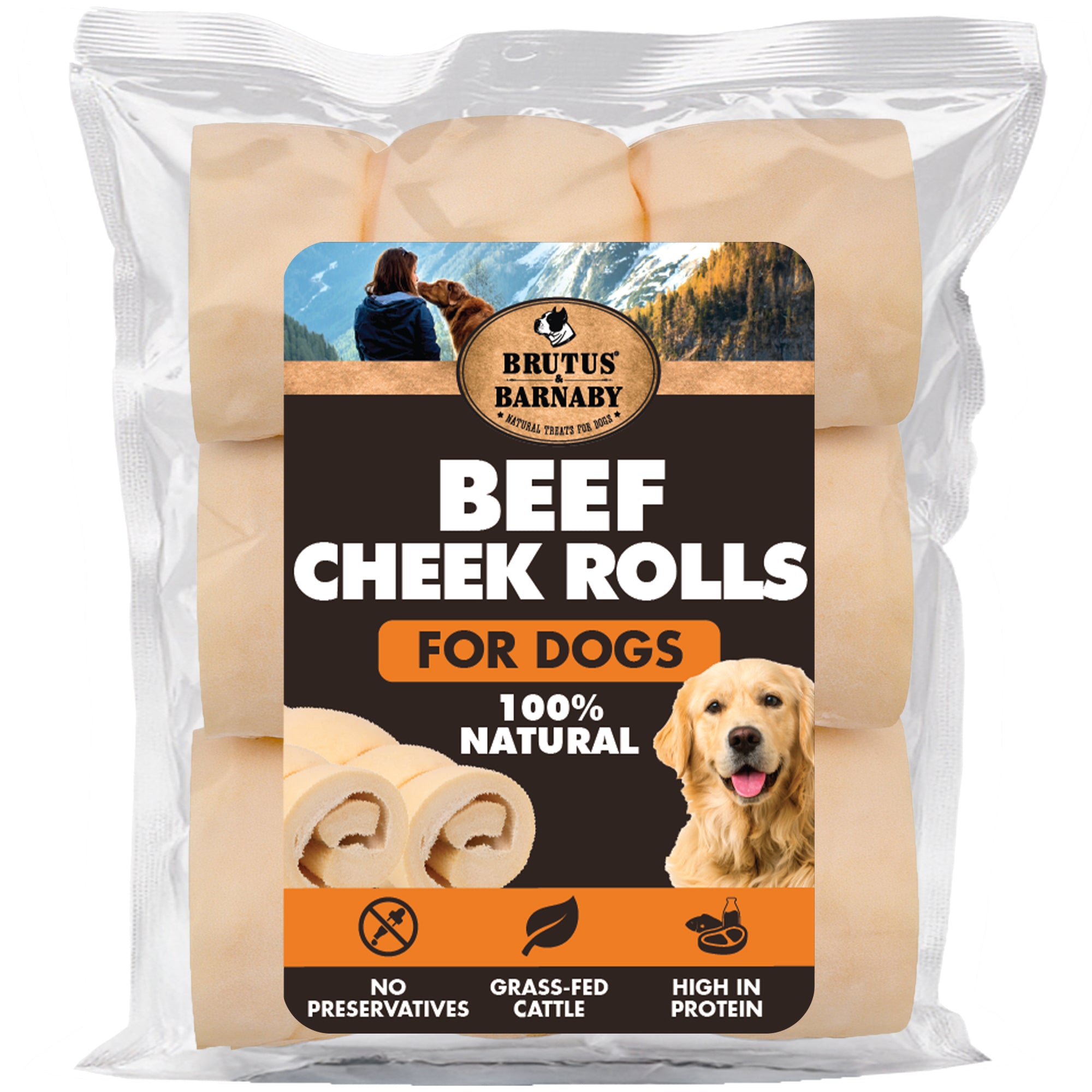
Beef Cheek Rolls
A long-lasting chew for dogs who tolerate beef and need a simple, satisfying treat option without a complicated ingredient list.
- Long chew time
- Rawhide-free option
- Simple chew routine
- Great for strong chewers
Quick Tips for Managing Spring Allergies
Clean chews like Pig Ears or Natural Bully Sticks may work for dogs who tolerate those proteins. The important part is choosing treats that match your dog’s individual sensitivity profile.
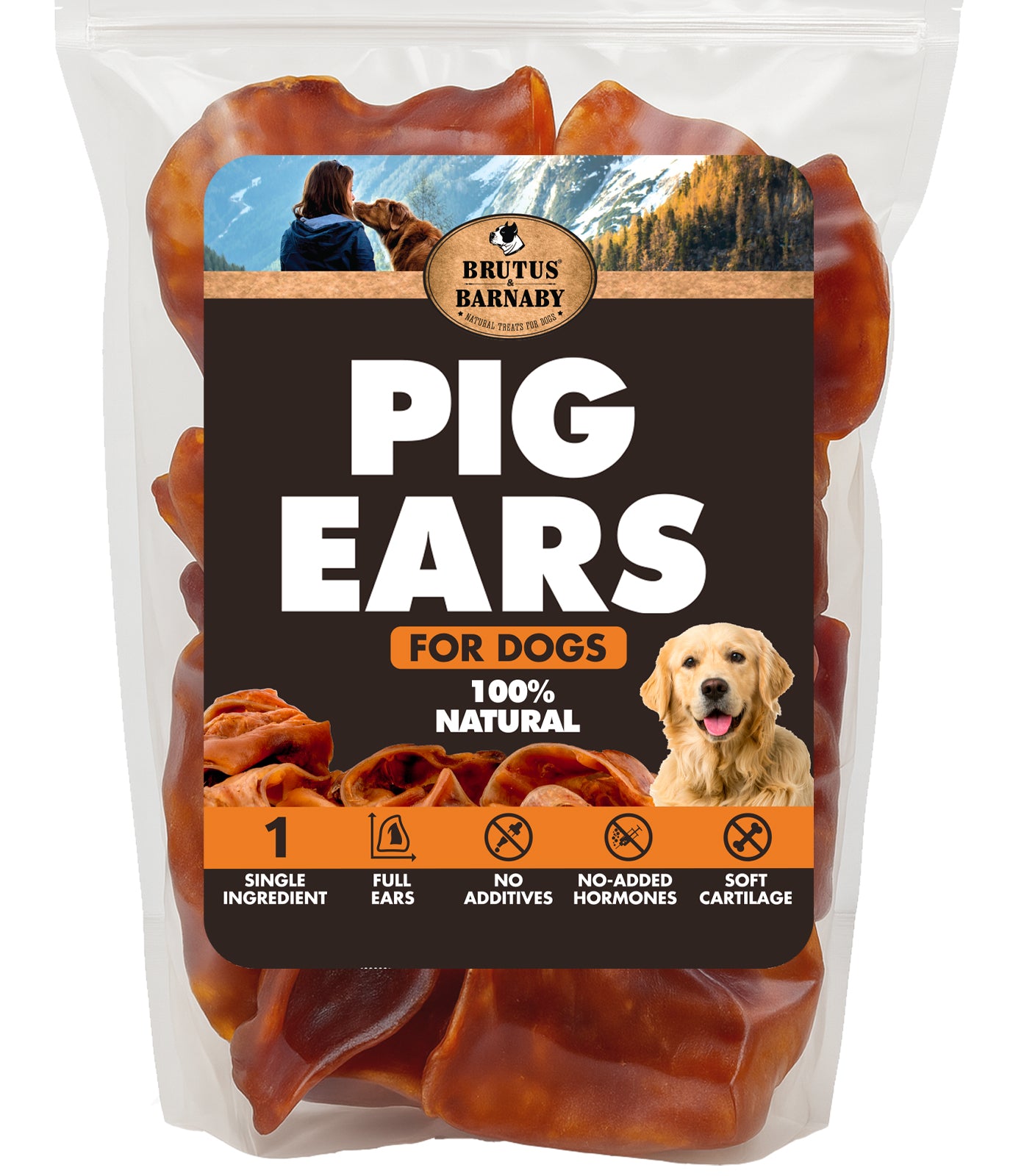
Pig Ears
A satisfying chew for dogs who tolerate pork and need a simple chewing option.
Shop Pig Ears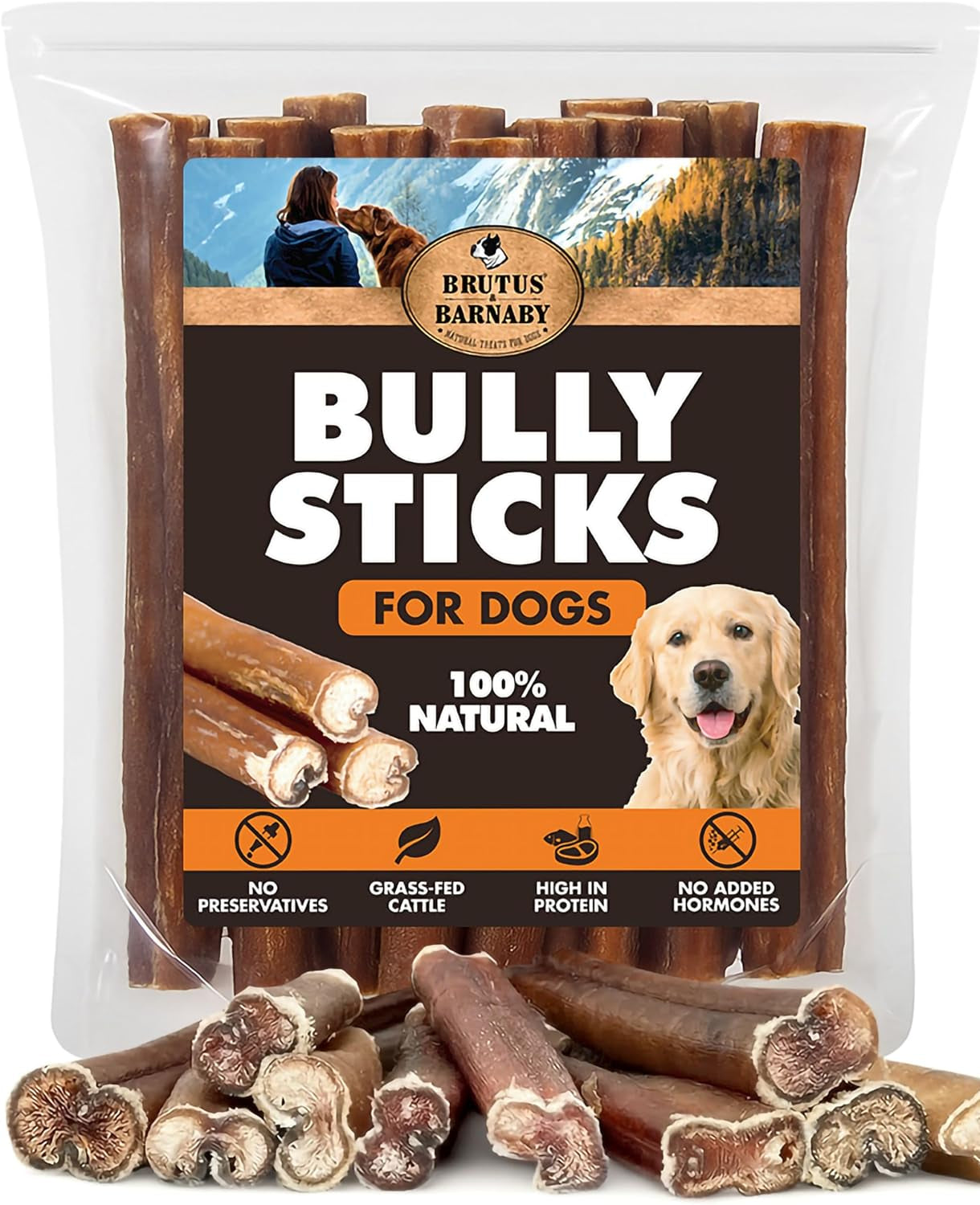
Natural Bully Sticks
A single-ingredient, long-lasting chew for dogs who tolerate beef-based chews well.
Shop Bully SticksFrequently Asked Questions
Final Thoughts
This spring, keep your dog’s treat time simple and safe. By choosing single-ingredient or limited-ingredient treats, you reduce the risk of adding extra dietary confusion while managing environmental triggers like pollen and grass.
The best allergy-season treat strategy is simple: know your dog’s triggers, choose clean rewards, introduce one new item at a time, and work with your veterinarian if itching, ear issues, digestive upset, or skin irritation continue.
Stop the Guesswork: Shop Cleaner Treats
Explore simple treats and chews that make it easier to support a clean, sensitivity-aware routine during allergy season.
Shop Clean Dog Treats
```