



Redirecting Destructive Chewing with Safe Chews
Chewing is normal. Destructive chewing happens when dogs do not have the right outlet, routine, or enrichment to satisfy that natural need.
Chewing is one of the most natural behaviors for dogs. It relieves stress, burns mental energy, supports dental health, and helps dogs self-soothe. Problems arise when chewing shifts from appropriate outlets to furniture, shoes, walls, or anything within reach.
If your dog is destroying things, chewing obsessively, or suddenly targeting objects they never touched before, the issue is rarely “bad behavior.” More often, it is a sign of boredom, unmet needs, stress, teething, adolescence, or a change in routine.
The solution is not to stop chewing. The solution is to redirect chewing safely and intentionally so your dog learns what is satisfying, allowed, and worth choosing again.
Why Dogs Become Destructive Chewers
Destructive chewing usually points to one of a few root causes. Boredom is the most common, especially in intelligent or high-energy breeds. Labradors, Huskies, and working breeds often chew excessively when their physical or mental needs are not fully met.
Puppies also experience a natural destructive phase during teething and adolescence, when chewing helps relieve discomfort and explore the world. Adult dogs that suddenly start chewing may be responding to stress, schedule changes, anxiety, or a lack of enrichment.
Why Dogs Destroy Things
Redirect, Don’t Punish
Core idea: chewing itself is not the problem. The problem is the dog choosing the wrong outlet because the right outlet is not available, rewarding, or consistent enough.
Could My Dog Be Chewing Out of Boredom?
Yes — and it is extremely common. A bored dog will create their own entertainment, and chewing is one of the easiest ways to do that. Dogs that seem “obsessed” with chewing are often under-stimulated rather than misbehaving.
Providing long-lasting, engaging chews gives bored dogs a constructive outlet. Options like Natural Bully Sticks are especially effective because they keep dogs mentally occupied while satisfying the instinct to chew.
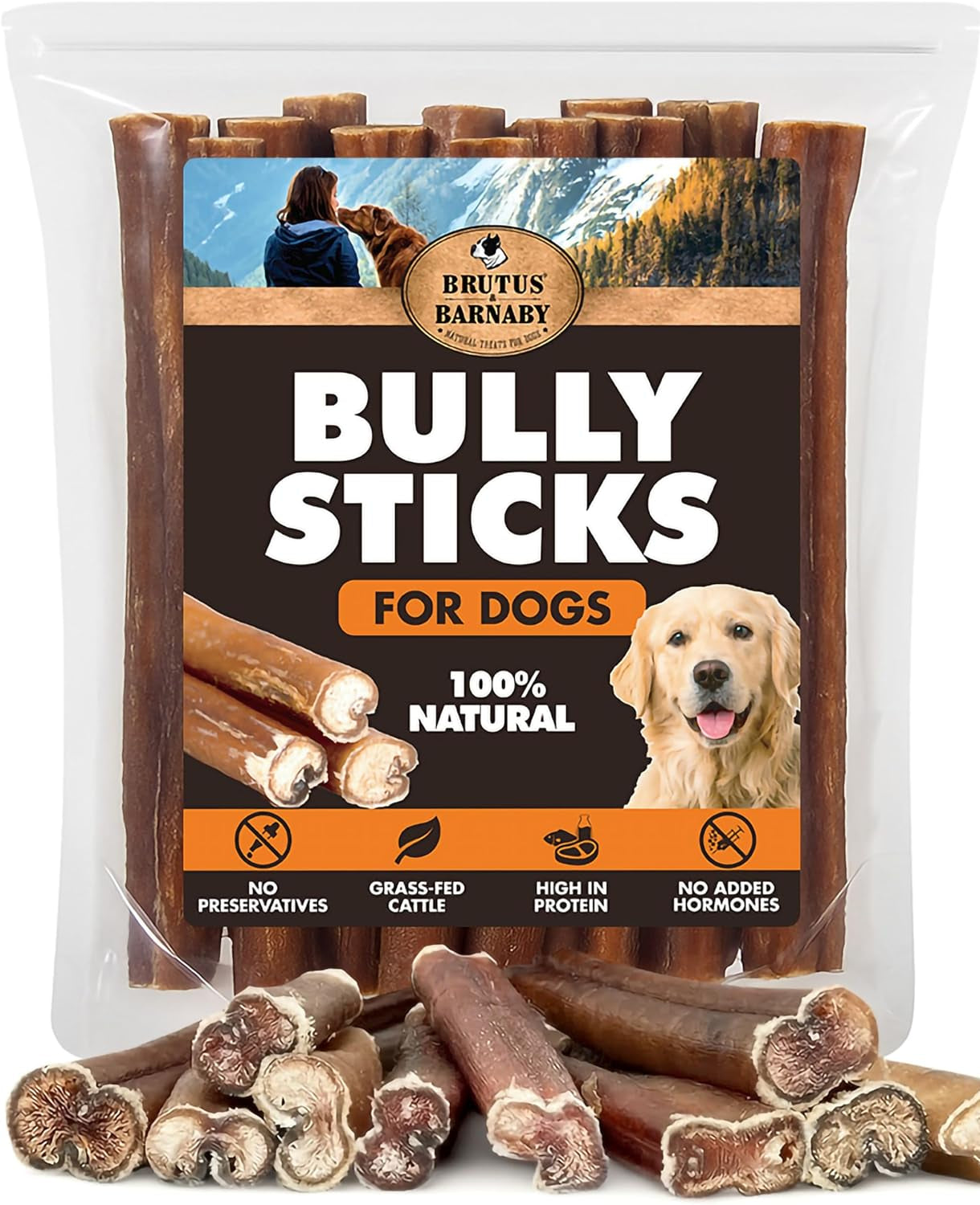
Natural Bully Sticks
A long-lasting chew for dogs who need a focused outlet instead of looking for furniture, shoes, or household items to destroy.
- Long chew time
- Keeps dogs busy
- Rawhide-free option
- Great for chewing routines
What Is the Safest Thing for a Dog to Chew On?
The safest dog chews strike a balance between durability and digestibility. Chews that are too hard can crack teeth, while overly soft chews may disappear too quickly and fail to redirect behavior.
Natural, digestible chews that soften as the dog chews are often a better choice than hard bones, antlers, or hooves. Beef Collagen Sticks are a strong example, offering long-lasting engagement without the extreme hardness of traditional bones.
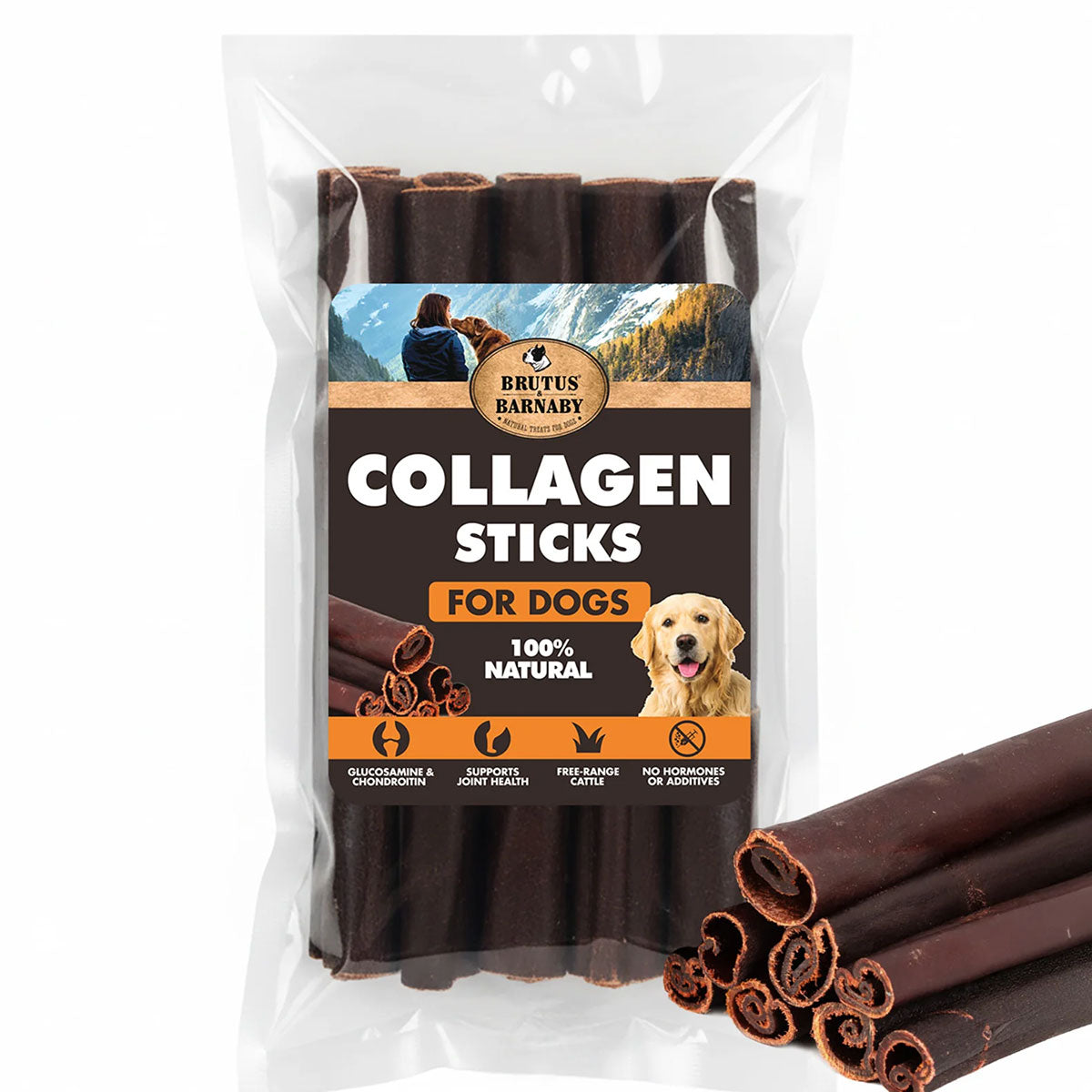
Beef Collagen Sticks
A rawhide-free chew for dogs who need longer chew time and a safer alternative to extremely hard chew options.
- Long chew time
- Rawhide-free option
- Great for strong chewers
- Supports chewing satisfaction
What Is the Safest Dog Chew for Aggressive Chewers?
Aggressive chewers need chews that can withstand strong jaws without being dangerous. These dogs often destroy toys quickly and move on to furniture when nothing satisfies them.
Thicker, tougher natural chews like Beef Cheek Rolls provide extended chewing sessions while remaining a digestible, rawhide-free option. They are especially helpful for dogs that need serious chewing time to relax.

Beef Cheek Rolls
A long-lasting chew for dogs who need serious chew time, strong enrichment, and a satisfying rawhide-free outlet.
- Long chew time
- Keeps dogs busy
- Rawhide-free option
- Great for strong chewers
Safety rule: aggressive chewers still need supervision. Remove any chew once it becomes small enough to swallow or if your dog tries to gulp large pieces.
How to Teach Dogs Not to Chew Furniture
Teaching a dog not to chew furniture starts with clarity and consistency. Dogs do not automatically know what is off-limits. They learn through repetition, redirection, and reinforcement.
When your dog chooses an appropriate chew, quietly reinforce that decision. When they grab something they should not, calmly redirect them to an approved option instead of reacting emotionally. Over time, dogs learn which items consistently satisfy their chewing needs.
Appealing alternatives like Pig Ears and Cow Ears increase the likelihood your dog will make the right choice without constant correction.
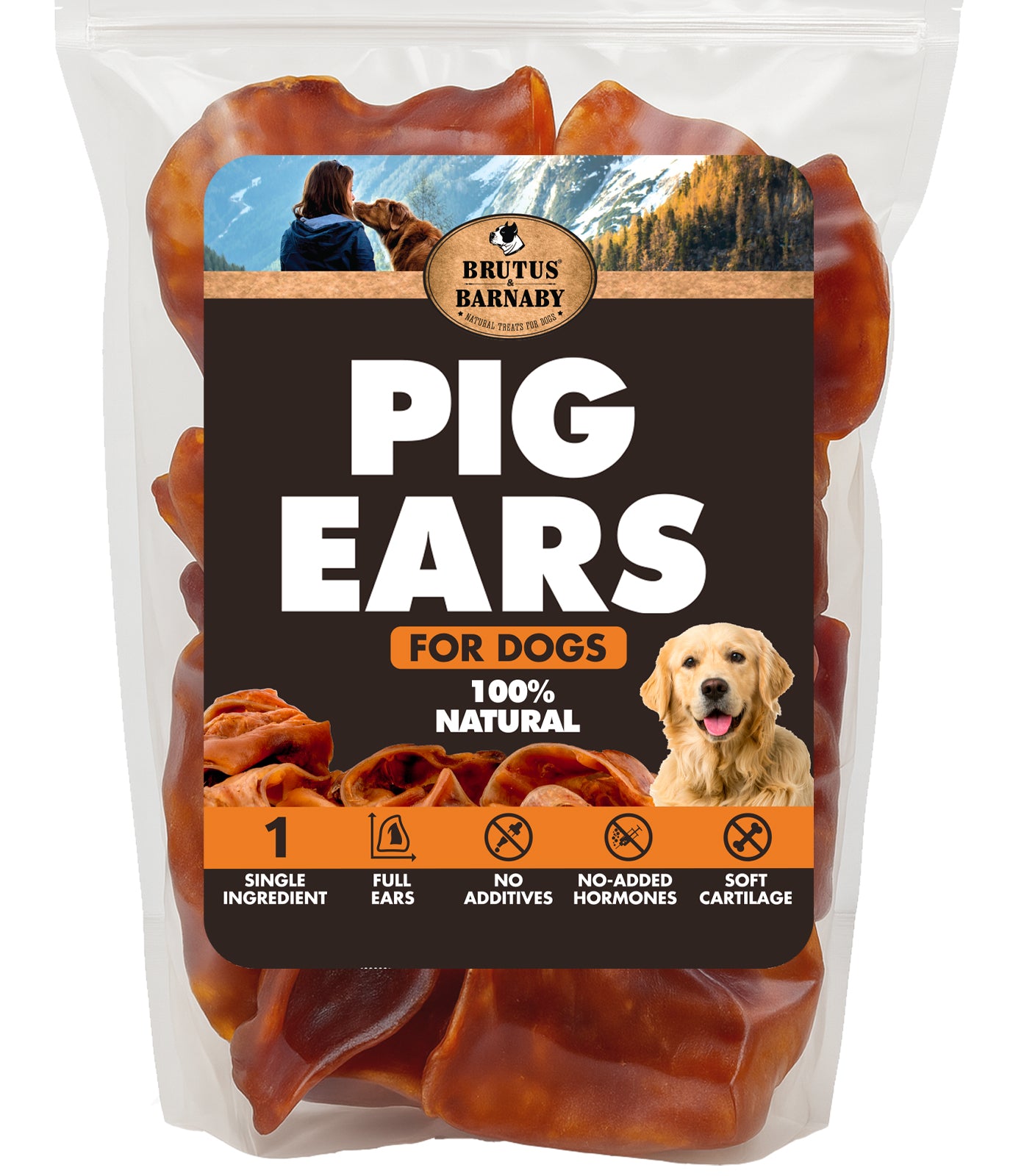
Pig Ears
A crunchy, satisfying chew to redirect dogs away from furniture and household items.
Shop Pig Ears
Cow Ears
A lighter natural chew for dogs who need chewing satisfaction without a very dense chew.
Shop Cow EarsDog Obsessed With Chewing: What It Really Means
When a dog appears fixated on chewing, it often signals that chewing is meeting an unmet need. This is especially common in Labradors and Huskies, breeds that require both physical exercise and mental engagement.
Chewing works best as part of a structured routine. After walks, training, or play sessions, offering a satisfying chew helps dogs settle instead of roaming the house looking for something to destroy. Long-lasting options like Beef Gullet Sticks are well-suited for this purpose.
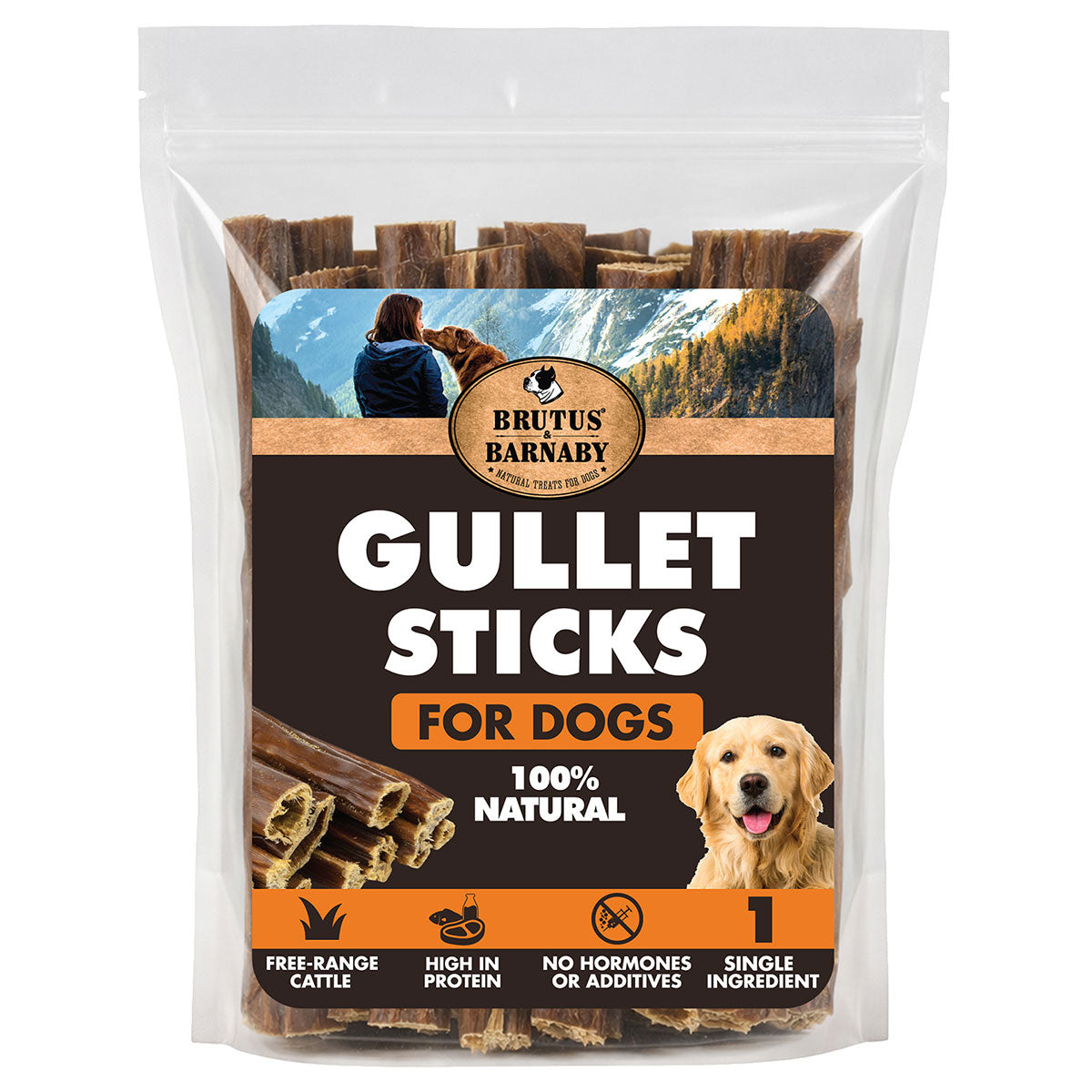
Beef Gullet Sticks
A moderate chew option for dogs who need a satisfying outlet after walks, training, play, or high-energy moments.
- Moderate chew texture
- High-value beef flavor
- Good routine chew option
- Great for supervised chewing
Key point: a dog obsessed with chewing usually needs more structure, enrichment, exercise, and approved chew outlets — not more punishment.
The Destructive Puppy Phase
Puppies chew more intensely during teething and adolescence. This phase usually improves as adult teeth come in and impulse control develops, but only if puppies are consistently guided toward appropriate chews.
Puppies that are given safe chewing outlets early are far less likely to develop destructive habits later. Without guidance, puppies often carry inappropriate chewing patterns into adulthood.
Puppy note: very young puppies need softer, age-appropriate options. Avoid dense chews until your puppy is old enough, supervised, and able to chew safely.
Dog Suddenly Chewing Everything
When a dog suddenly starts chewing objects they previously ignored, it is often due to stress, boredom, or a change in routine. New schedules, less exercise, household changes, anxiety, or fewer enrichment opportunities can all trigger a spike in chewing behavior.
In these cases, increasing enrichment and offering high-quality chews often works faster than correction alone. If the chewing change is sudden and paired with appetite changes, vomiting, lethargy, pain, or unusual behavior, check with your veterinarian.
When Will a Dog Stop Chewing on Everything?
Most dogs do not simply grow out of chewing. They stop destructive chewing when their needs are met consistently and boundaries are clear.
Dogs that receive enough exercise, mental stimulation, supervision, and safe chewing outlets naturally reduce destructive behavior over time. Chewing itself never disappears — it just becomes appropriate.
Frequently Asked Questions
Final Thoughts
If your dog is destroying furniture, obsessively chewing, or suddenly acting destructively, the solution is not punishment. The solution is safe redirection, enrichment, consistency, and the right chew outlets.
Providing the right chews — such as Natural Bully Sticks, Beef Collagen Sticks, Beef Cheek Rolls, Pig Ears, Cow Ears, and Beef Gullet Sticks — allows dogs to satisfy natural instincts while protecting your home. A dog with appropriate chewing outlets is calmer, more fulfilled, and far less destructive.
Redirect Destructive Chewing the Natural Way
Explore long-lasting chews, rawhide-free options, and natural dog treats that help satisfy chewing instincts while protecting your home.
Shop Natural Dog Chews
```