



When and How to Fade Treats in Training
Treats build strong behaviors at the start. Fading them the right way helps your dog keep listening without needing food visible every time.
Treats are one of the most effective tools in dog and puppy training. They help dogs learn faster, stay motivated, and build positive associations with training. But sooner or later, almost every dog owner asks the same question: how do I fade treats without my dog ignoring me?
The answer is not to stop rewards suddenly. The answer is to fade treats gradually and strategically. When done correctly, treat fading strengthens behavior instead of weakening it.
This guide explains exactly when and how to fade treats in training, whether you are working with a puppy, an adult dog, a new behavior, or a skill your dog already knows well.
Why Treats Are Essential at the Start
Treats are most important during the learning phase. They tell your dog, “Yes, that’s exactly what I wanted.” Removing them too early is one of the most common training mistakes and often causes dogs to stop responding consistently.
During early training, your dog is still building the connection between the cue, the behavior, and the outcome. High-value, easy-to-deliver rewards like Training Treats – Sweet Potato & Chicken help build a strong foundation before fading begins.
During the Learning Phase
Removing Food Too Early

Training Treats – Sweet Potato & Chicken
A soft, easy-to-repeat reward for building new behaviors before you begin reducing food rewards.
- Great for training rewards
- Easy to repeat often
- Soft, quick-to-eat texture
- Good for puppy and adult training
When to Start Fading Treats in Dog Training
You can begin fading treats once your dog clearly understands the behavior. A practical rule is to wait until your dog responds correctly about 80–90% of the time, including when reasonable distractions are present.
For puppies, this stage may take longer because focus, impulse control, and emotional regulation are still developing. High-value rewards like Beef Meat Sticks broken into tiny pieces can help while behaviors are still being reinforced frequently.
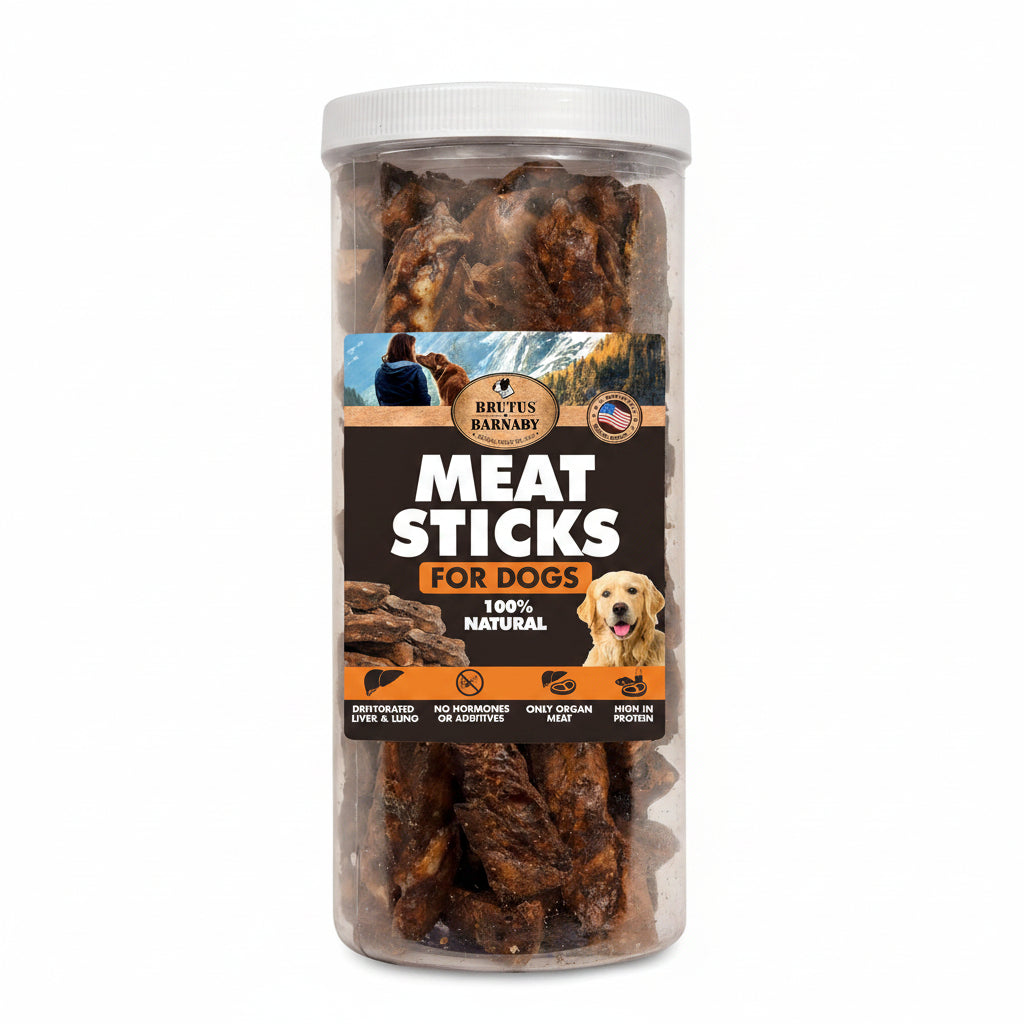
Beef Meat Sticks
A high-motivation reward that can be broken into tiny pieces when your dog needs extra incentive around distractions.
- High-value reward
- Great for distractions
- Hearty beef flavor
- Easy to portion smaller
When to Stop Using Treats for Puppy Training
You do not actually “stop” using treats. You reduce how often food is used as the reward. Young puppies, especially those under six months, still benefit from frequent food rewards because focus, confidence, and emotional regulation are still developing.
Treats remain especially important during key developmental stages, including the 7-7-7 rule for dogs: the first 7 days are about decompression, the next 7 weeks are about learning routines, and the next 7 months are about building confidence.
Puppy rule: fade treats slower with puppies. Food rewards help build trust, focus, confidence, and consistency.
What Is the 10-10-10 Rule for Puppy Training?
The 10-10-10 rule is a simple guideline used by many trainers to decide when a behavior is ready for treat fading. If your puppy can perform a behavior correctly in at least 10 repetitions, across 10 different sessions, in 10 different environments, then the behavior is usually strong enough to begin reducing food rewards.
Until then, continuing to use small, high-value rewards helps prevent regression. If the behavior falls apart when you change rooms, go outside, or add distractions, it is not ready for full treat fading yet.
How to Fade Treats the Right Way
The most effective way to fade treats is by switching from constant reinforcement to variable reinforcement. This means your dog never knows exactly when the food reward is coming, which can actually make the behavior stronger.
Key point: fading treats does not mean rewards disappear. It means rewards become less predictable and more varied.
Using Chews to Support Treat Fading
As food rewards become less frequent, enrichment becomes more important. Long-lasting chews can help satisfy your dog mentally and emotionally, especially after training sessions. This gives your dog a calm outlet while food rewards are becoming less frequent during cue practice.
Options like Natural Bully Sticks or Beef Collagen Sticks provide a calming outlet and help prevent frustration during this transition phase.
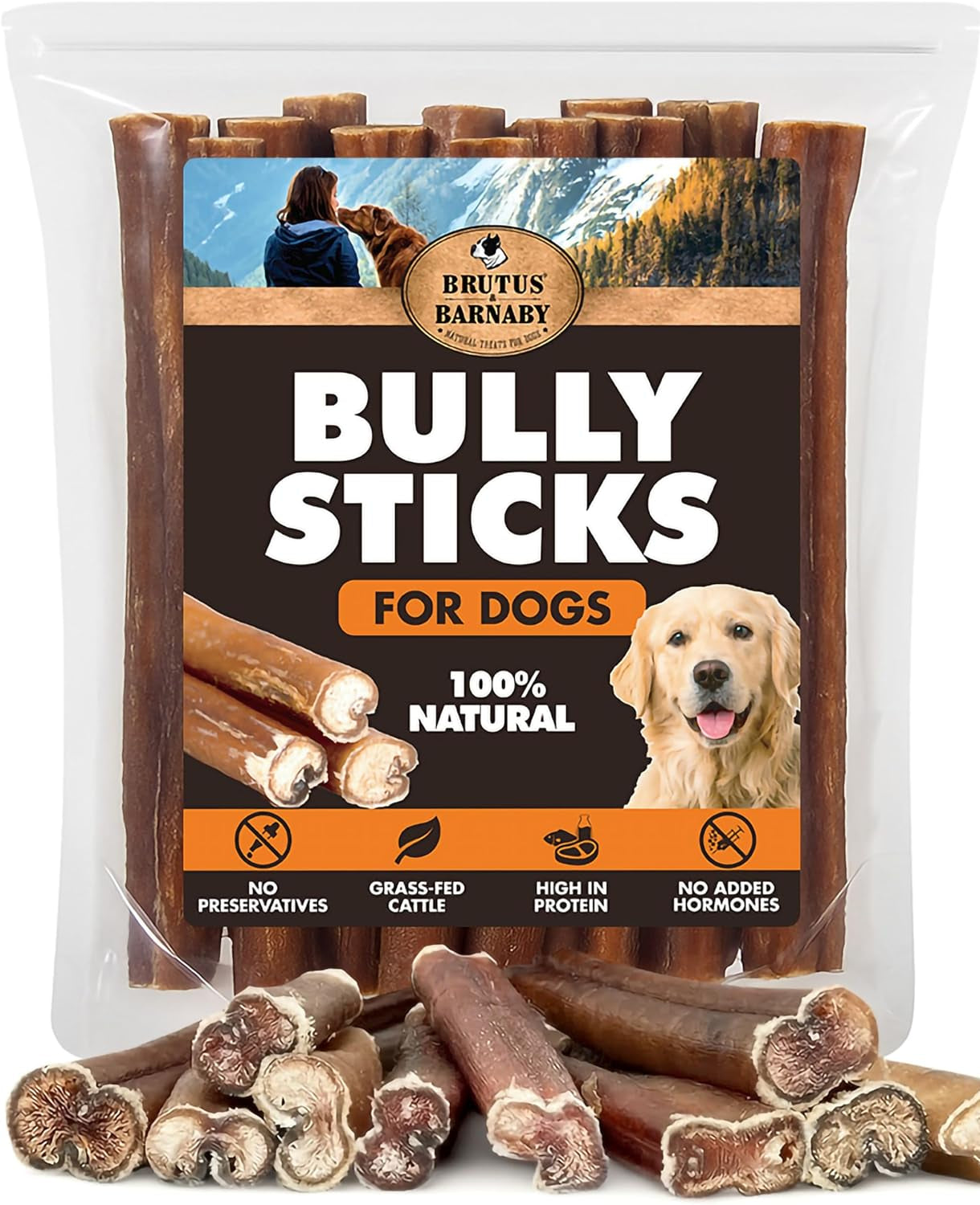
Natural Bully Sticks
A long-lasting chew for dogs who need a calm, focused activity after training.
Shop Bully Sticks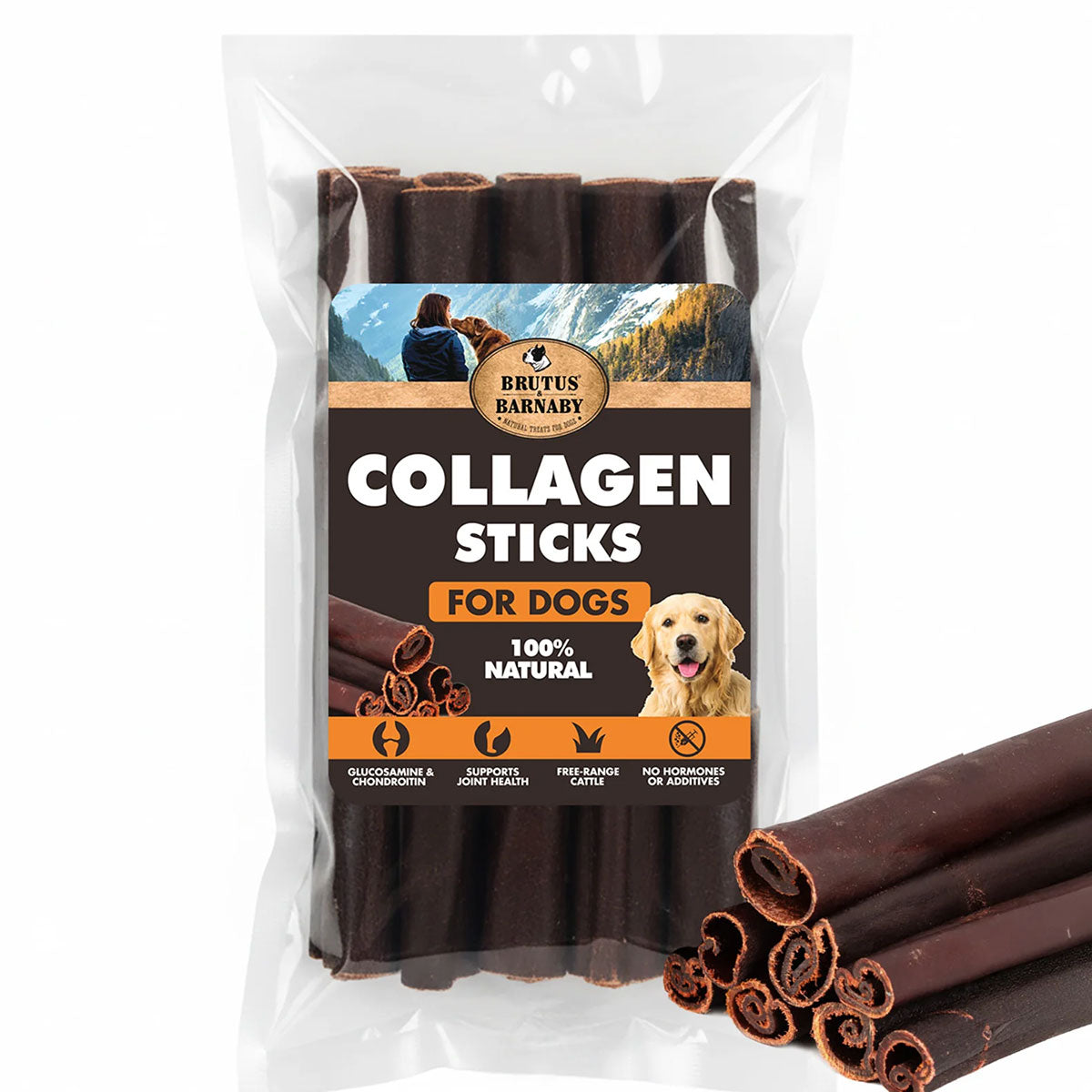
Beef Collagen Sticks
A longer-lasting chew that helps support calm enrichment between training sessions.
Shop Collagen SticksCommon Mistakes When Fading Treats
One common mistake is removing treats all at once. This often causes dogs to stop responding because the reinforcement disappears too quickly. Another mistake is using low-value rewards too early. Even when fading, occasional high-value rewards can re-energize training and reinforce strong responses.
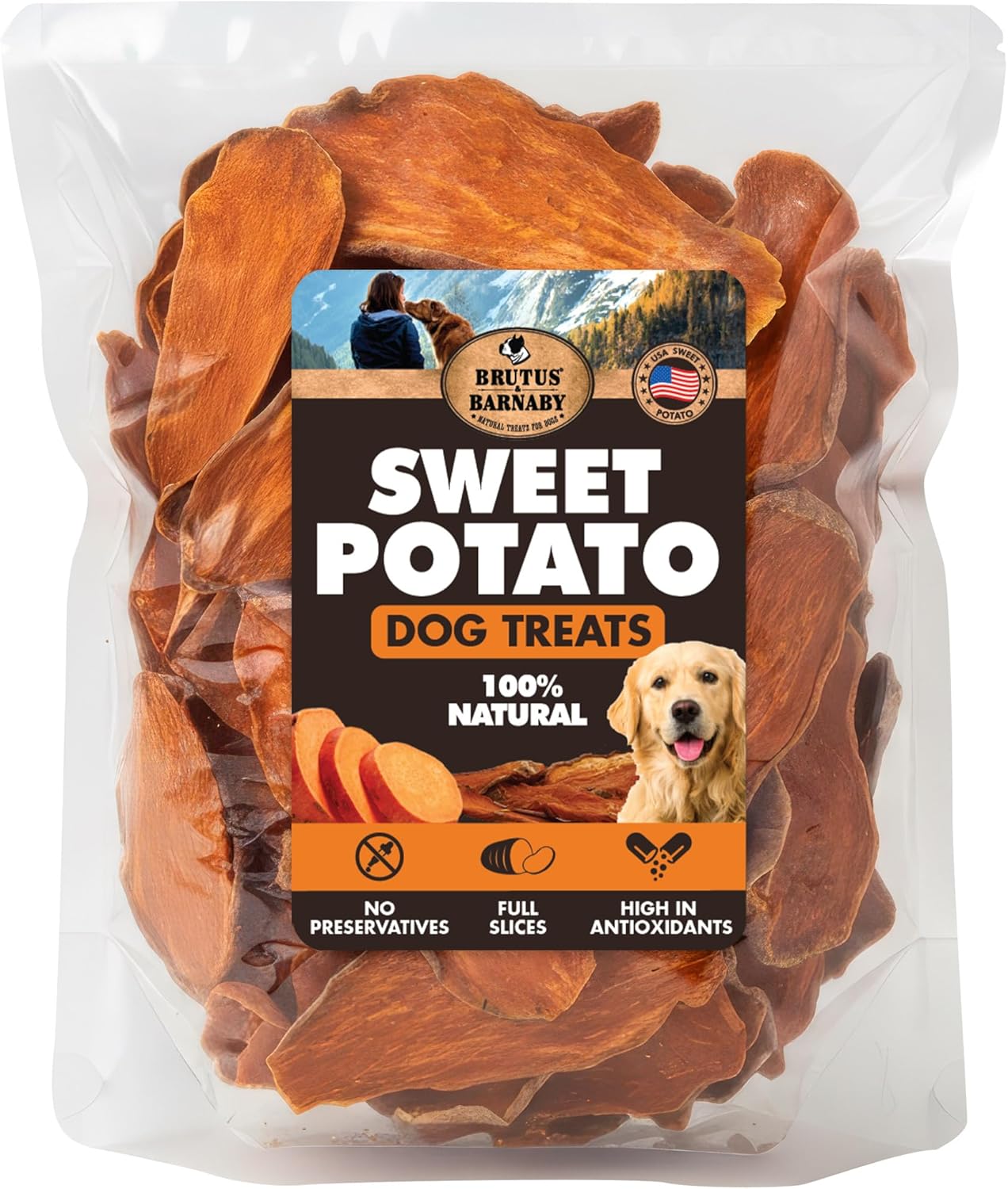
Sweet Potato Slices
A simple treat option to rotate into training, enrichment, and occasional reward moments as food rewards become less frequent.
- Gentle digestion
- Simple sweet potato treat
- Good for enrichment games
- Easy to portion smaller
Frequently Asked Questions
Final Thoughts
Fading treats is not about taking rewards away. It is about teaching your dog that good behavior still pays, just not every single time. When done gradually, treat fading creates reliable, confident dogs who respond because they understand the behavior, not just because food is visible.
Patience, consistency, and the right rewards make all the difference. Build the behavior first, fade slowly, and keep rewarding excellent choices so your dog stays motivated for the long term.
Build a Smarter Training Routine
Explore training treats, high-value rewards, and long-lasting chews that help support consistent dog training without overfeeding.
Shop Training Treats & Chews
```