



Building Puppy Confidence with the Right Treats
Confident puppies are built through safe exposure, calm routines, and high-value rewards that make new experiences feel positive.
Raising a confident, well-adjusted puppy starts early — and the right treats play a huge role. Whether you’re socializing a young puppy, helping them overcome fear, or building positive associations with the world, high-value, puppy-safe treats make training faster and more effective.
Confidence is not about forcing a puppy into scary situations. It is about giving them controlled, positive experiences and rewarding curiosity, calm behavior, and trust. The right treat helps your puppy learn, “new things are safe, and staying calm pays.”
In this guide, we’ll cover how to boost a puppy’s confidence, what the 7-7-7 rule means, how to socialize a puppy safely, what treats motivate dogs the most, and which puppy treats work best for training — including puppies under 3 months.
How to Boost a Puppy’s Confidence
Confidence grows when puppies repeatedly experience new things without fear. The goal is to make every new experience feel safe, rewarding, and manageable. That means short sessions, soft rewards, and no pressure to interact before your puppy is ready.
Reward New Experiences
Do Not Flood the Puppy
Pairing new experiences with high-value treats teaches your puppy that the world is a good place. Soft, easy-to-chew rewards like Training Treats – Sweet Potato & Chicken are ideal for early confidence work because they are gentle on young teeth and quick to eat.

Training Treats – Sweet Potato & Chicken
A soft, easy-to-repeat reward for puppy socialization, confidence work, calm behavior, and short training sessions.
- Great for training rewards
- Soft puppy-friendly texture
- Easy to repeat often
- Good for confidence building
What Is the 7-7-7 Rule for Dogs?
The 7-7-7 rule is a simple way to understand how puppies and newly adopted dogs adjust to new environments: around 7 days to decompress, 7 weeks to learn routines, and 7 months to feel fully confident.
During these phases, treats help reinforce calm behavior, positive reactions to new stimuli, and trust with their handler. Using motivating but healthy rewards during this time can speed up emotional development and make routines feel more predictable.
What Is the Best Way to Socialize a Puppy?
The best way to socialize a puppy is through controlled exposure plus rewards. That means short, positive outings; calm introductions to people and dogs; exposure to everyday sounds; and rewarding curiosity instead of forcing interaction.
Each positive moment should be paired with a treat your puppy truly loves. Many trainers use soft or aromatic rewards broken into tiny pieces for socialization because the puppy can eat quickly and stay engaged with the environment.
Socialization rule: exposure should feel safe. If your puppy freezes, hides, refuses food, or tries to escape, create more distance and make the situation easier.
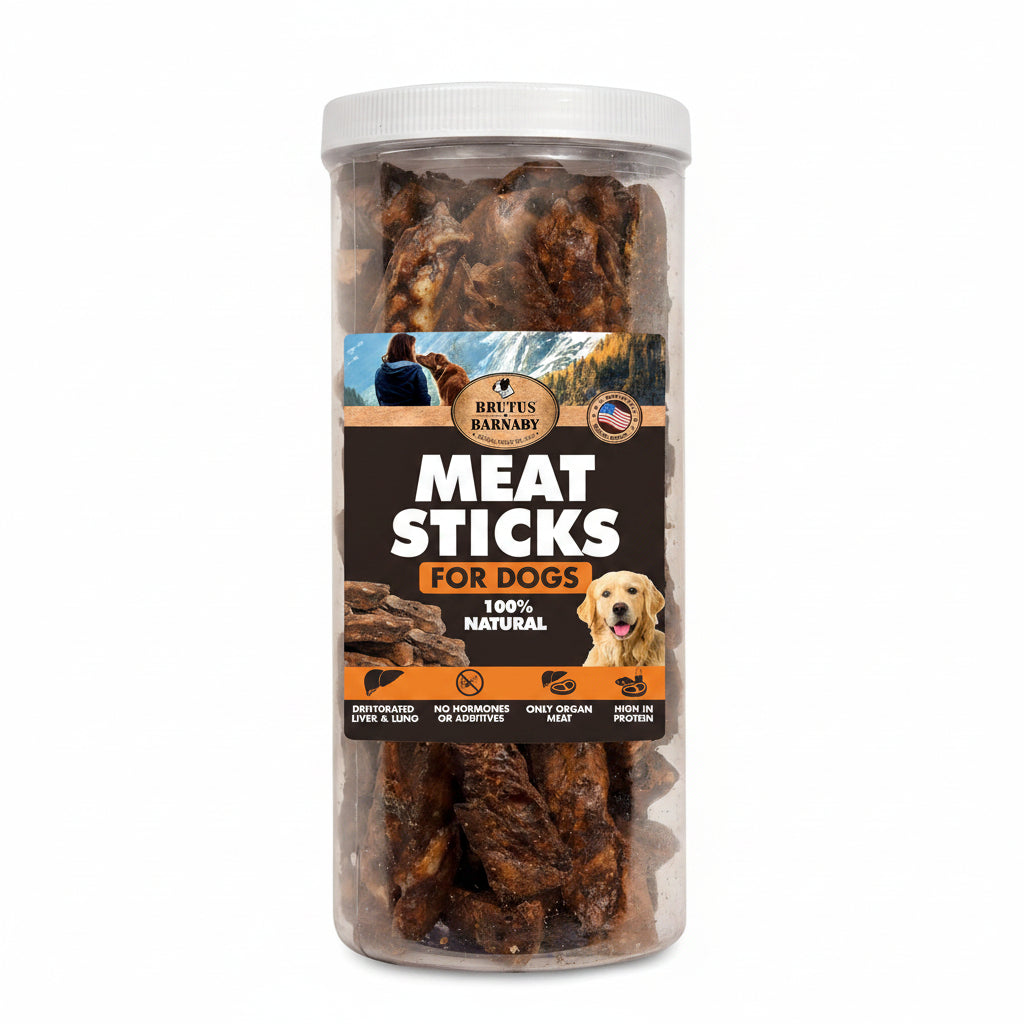
Beef Meat Sticks
A high-value, aromatic reward that can be broken into tiny pieces for older puppies who need extra motivation around new people, places, or sounds.
- High-value reward
- Great for distractions
- Hearty beef flavor
- Easy to portion smaller
What Treats Motivate Dogs the Most?
Dogs are usually most motivated by treats that are smelly, soft or easy to chew, protein-rich, and saved for training instead of being available all the time. For puppies, treats should also be easy to digest, free from unnecessary additives, and given in very small amounts.
Good puppy-friendly examples include Training Treats and Sweet Potato Slices broken into smaller pieces. These options are useful because they are motivating while still being manageable for short, frequent sessions.
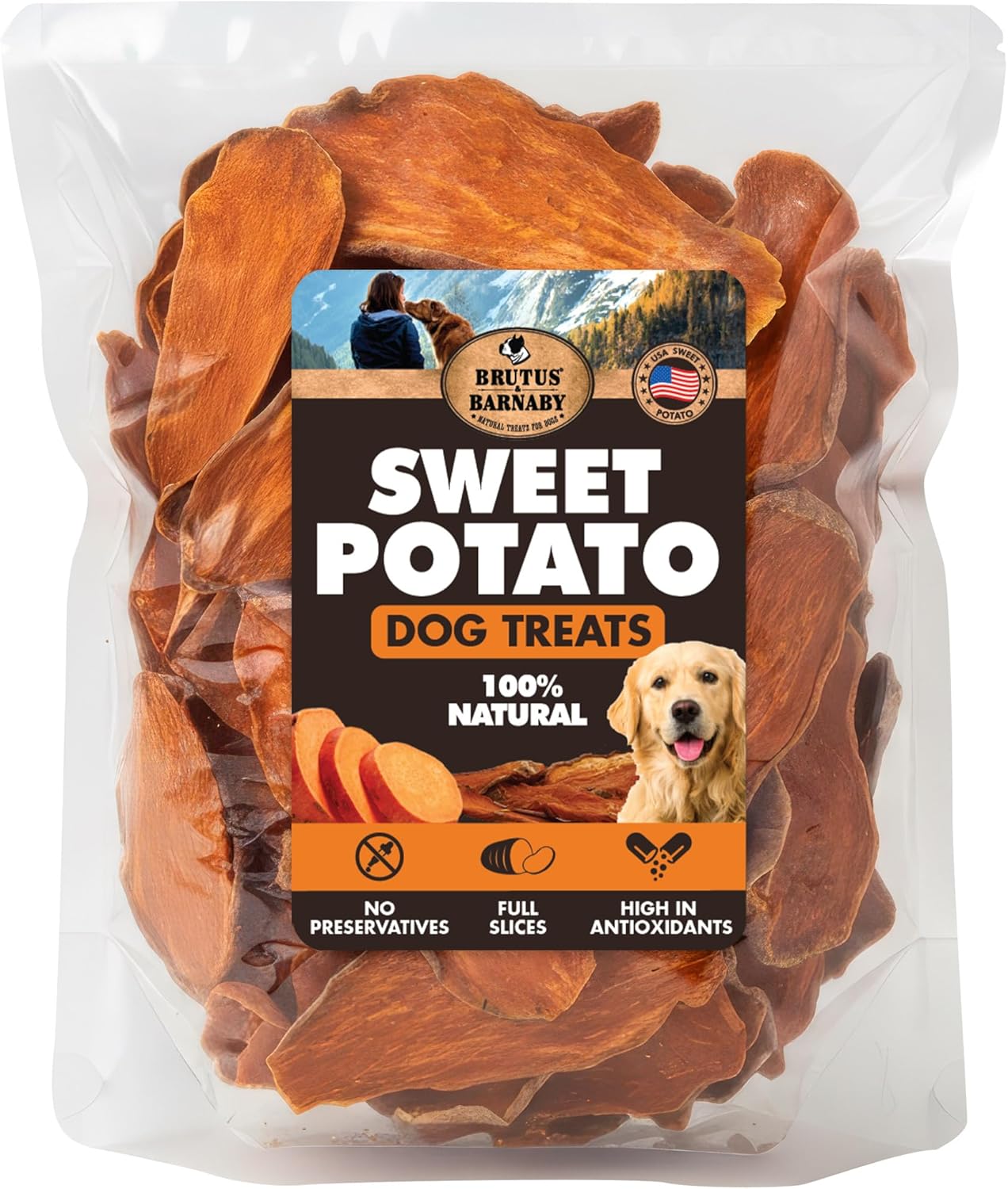
Sweet Potato Slices
A simple sweet potato treat that can be broken into smaller pieces for gentle puppy rewards, sniff games, and confidence-building enrichment.
- Gentle digestion
- Simple sweet potato treat
- Good for enrichment games
- Easy to portion smaller
High-Value Dog Treats: Store-Bought vs Homemade
Homemade treats can work, but they often lack consistent sizing, long shelf life, and portability. Store-bought, single-ingredient or limited-ingredient treats are usually more convenient for training because you can portion them quickly and use them consistently.
Soft, breakable options like Training Treats or thin pieces of Beef Meat Sticks allow for rapid reinforcement without overfeeding. For very young puppies, keep portions tiny and focus on soft, easy-to-chew rewards.
Treats for Puppies Under 3 Months
Very young puppies need soft textures, tiny portions, and simple ingredients. Avoid hard chews at this stage. Focus instead on soft training treats and thin, breakable rewards that do not stress baby teeth or sensitive gums.
Puppy safety tip: for puppies under 3 months, skip dense chews and use only soft, tiny rewards. Introduce firmer chews later and always supervise.
Once your puppy is older and teething settles, you can slowly introduce gentle chews like Beef Collagen Sticks or Beef Gullet Sticks for supervised enrichment, based on your puppy’s size, chewing style, and tolerance.
Best Healthy Puppy Treats for Training
Healthy puppy treats should support digestion, avoid unnecessary fillers, and be easy to portion for frequent rewards. They should reinforce calm behavior, confidence, and focus without compromising nutrition.
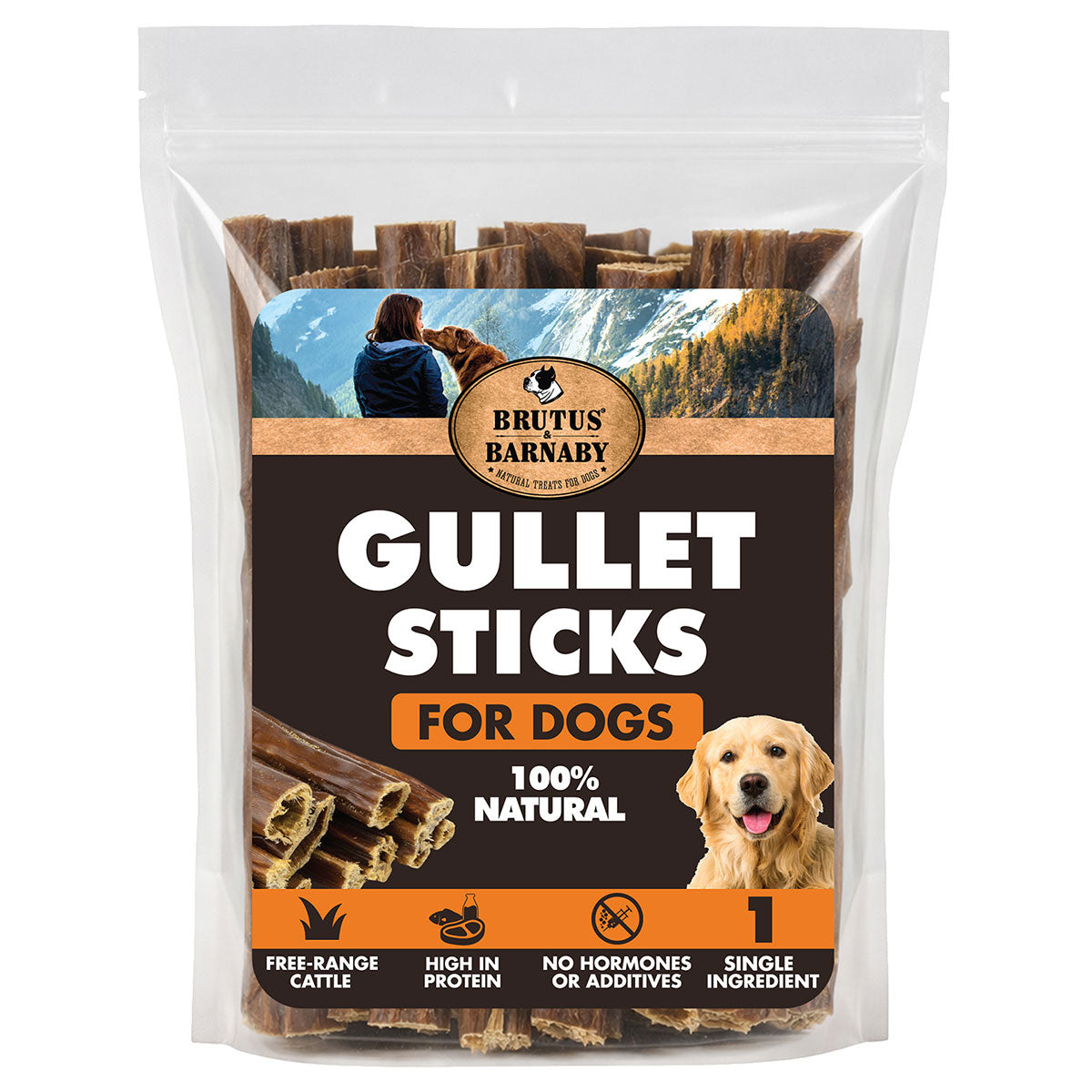
Beef Gullet Sticks
A moderate chew option for older puppies ready for supervised chewing enrichment.
Shop Gullet Sticks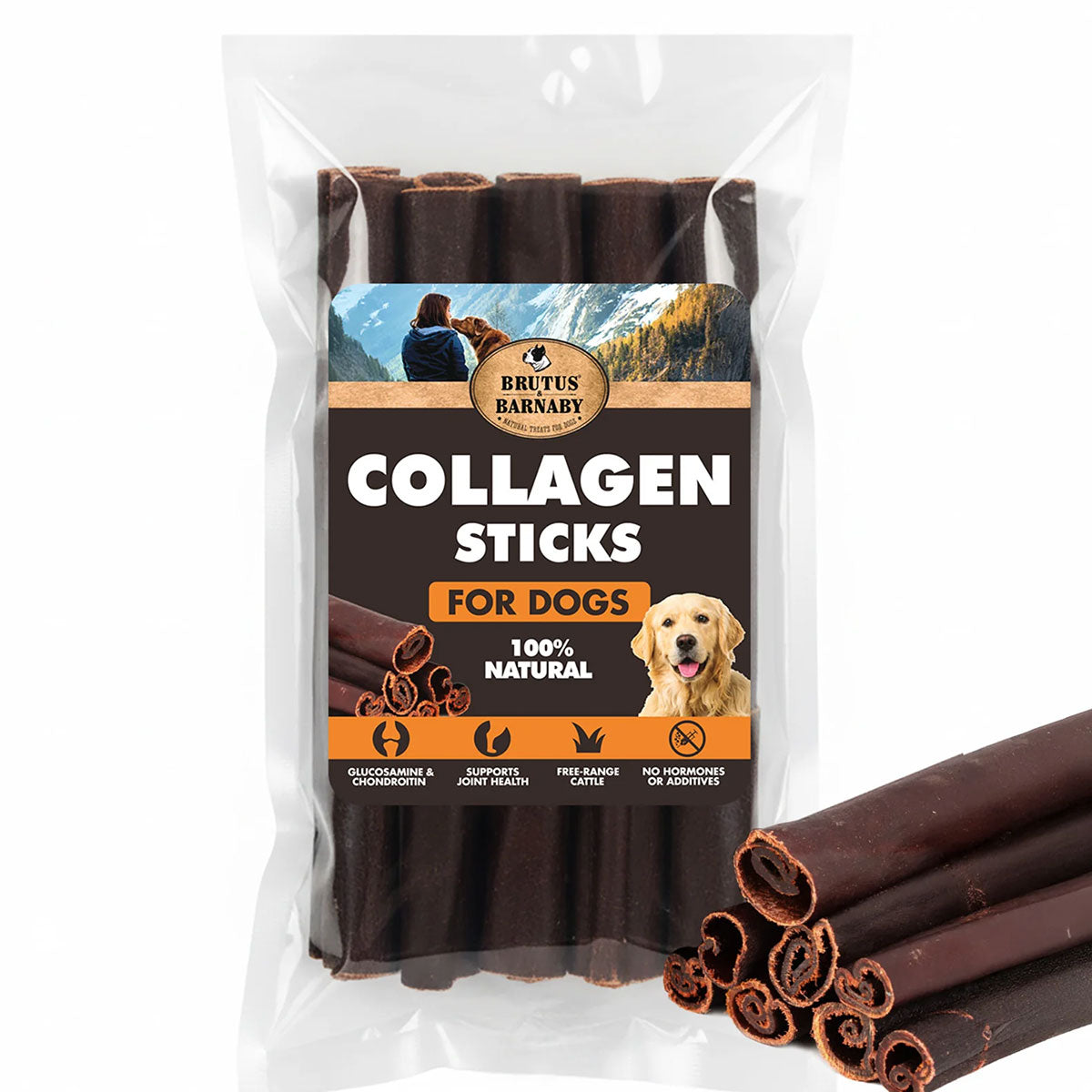
Beef Collagen Sticks
A longer-lasting chew to introduce later when your puppy is ready for firmer enrichment.
Shop Collagen SticksKey point: use soft, tiny rewards for early puppy training. Save chews for supervised enrichment once your puppy is older and ready.
Frequently Asked Questions
Final Tips for Puppy Confidence & Socialization
- Keep sessions short and positive.
- Never force interaction.
- Reward curiosity and calm behavior.
- Use high-value treats for training moments.
- Keep rewards small so you can repeat often.
- Consistency matters more than quantity.
With patience, proper socialization, and the right treats, your puppy can grow into a confident, well-balanced adult dog. The goal is simple: make the world feel safe, make calm behavior rewarding, and build trust one small experience at a time.
Build a Better Puppy Training Routine
Explore soft training rewards, simple sweet potato treats, and supervised chews for older puppies who are ready for enrichment.
Shop Puppy Training Treats
```