



Training Quiet Behavior: Using Treats to Stop Barking & Whining
Excessive barking and whining can feel overwhelming, but reward-based training can teach your dog that calm, quiet behavior is what gets paid.
Excessive barking and whining can make your home feel chaotic — especially when your dog barks at everything that passes by, whines in the crate, cries at night, or barks nonstop for attention.
The good news: with reward-based training and the right treats, you can teach your dog to relax and be quiet on cue. The goal is not to punish noise. The goal is to make quiet behavior more rewarding than barking.
In this guide, you’ll learn how to train a dog to stop barking and whining using treats, how to reinforce quiet behavior, how to handle crate barking and nighttime whining, and which treat types work best for fast training results.
Why Dogs Bark and Whine
Before you can fix barking or whining, you need to understand why it is happening. Most barking falls into a few common categories: alert barking, attention-seeking barking, crate barking, separation whining, or nighttime restlessness.
Why Dogs Make Noise
Accidentally Rewarding Barking
Core idea: dogs repeat what gets rewarded. If barking gets attention, barking grows. If quiet gets rewarded, quiet grows.
The Core Approach: Reward Quiet, Not Noise
Punishing barking rarely works long-term because it does not teach your dog what to do instead. A better strategy is to reward calm and quiet behavior so your dog begins choosing that behavior on their own.
To do this effectively, use small, high-value training treats your dog cares about more than the distraction. Small pieces help you repeat the exercise often without overfeeding.

Training Treats – Sweet Potato & Chicken
A soft, easy-to-repeat reward for marking quiet moments, calm behavior, crate training, and focused training sessions.
- Great for training rewards
- Easy to repeat often
- High-value motivation
- Good for calm behavior practice
Step-by-Step: How to Train “Quiet” Using Treats
Step 1: Capture Silence
Start by rewarding any short moment of quiet, even 1–2 seconds. Wait for your dog to pause barking or whining. The instant they are quiet, say “Yes!” or click if using a clicker, then give a small treat.
Step 2: Add the Cue “Quiet”
Once your dog is offering pauses more often, wait for a quiet moment, calmly say “Quiet,” and immediately treat. Repeat many times so the dog associates the word with the state of being calm and silent.
Step 3: Interrupt → Quiet → Reward
If your dog is in full bark mode, interrupt by calling their name or tossing a treat gently on the floor away from the window or door. When they turn toward you and stop barking, mark and treat. Then add the “Quiet” cue as they are calm.
“Being quiet makes good things happen.”

Beef Meat Sticks
A strong, aromatic reward for tougher training moments when your dog needs extra motivation around big distractions.
- High-value reward
- Great for distractions
- Hearty beef flavor
- Easy to portion smaller
How to Stop Barking in Common Situations
1. “My Dog Barks at Everything That Passes By”
This is classic alert barking at windows, doors, or the yard. Use the “Look at That” game: when your dog sees a trigger, mark with “Yes!” before they explode into barking, then give a treat. You are teaching your dog that seeing the trigger predicts food, not a fight.
You can also manage the environment by closing curtains, using frosted film on lower windows, or moving furniture so your dog cannot constantly patrol the window.
2. Crate Barking When You Leave
Crate barking is usually frustration or anxiety-based. Make the crate a calm, rewarding place by feeding surprise treats in the crate when your dog is quiet, starting with very short crate sessions, and building duration gradually.
For crate settling, use long-lasting chews only during crate time so the dog learns: “Crate = my favorite thing to chew.” Good options include bully sticks, collagen sticks, cow ears, pig ears, and gullet sticks, depending on your dog’s chewing style and tolerance.

Natural Bully Sticks
A long-lasting chew option for dogs who need a calm, focused activity during crate practice or quiet time.
- Long chew time
- Keeps dogs busy
- Rawhide-free option
- Good for crate routines
3. Attention Barking or Whining
If your dog is barking or whining for attention, do not scold, talk, or look at them. Any reaction can still count as attention. Instead, ignore the noise completely, then reward the first tiny moment of silence.
The moment your dog stops, even for half a second, calmly say “Yes,” walk over, and reward with a treat. Over time, increase the duration of quiet required before the reward.
4. Nighttime Barking & Whining
Night barking is often linked to under-exercise, boredom, anxiety, or inconsistent bedtime rules. Build a quiet-night routine with exercise and mental enrichment earlier in the evening, a calm bedtime pattern, and a long-lasting chew when appropriate.
Avoid turning nighttime whining into a habit by not starting play at 2 a.m. If a genuine potty break is needed, keep the response brief, boring, and predictable.
How to Stop Dog Barking in the House
Barking in the house is usually a mix of boredom, habit, and triggers. Start by managing triggers: limit access to “bark zones” like front windows and use background noise such as a fan or white noise machine to reduce outside sounds.
Next, enrich your dog’s day. A mentally tired dog is usually a quieter dog. Try sniff games with kibble or Sweet Potato Slices hidden around the room, short training sessions, and calm mat work.

Sweet Potato Slices
A simple, plant-based treat for sniff games, calm enrichment, and rewarding relaxed behavior around the house.
- Great for enrichment games
- Gentle digestion
- Simple sweet potato treat
- Good for treat rotation
Reward Calm on the Mat or Bed
Every time your dog chooses to lie down calmly, quietly walk over and drop a tiny treat between their paws. You are shaping a dog who sees relaxing as the best job in the house.
Long-Lasting Chews for Crate and Bedtime Routines
For crate practice and bedtime, long-lasting chews can help dogs settle because they give the dog a calm job. Choose the right chew based on size, chewing strength, and digestive tolerance, and always supervise until you know how your dog handles it.
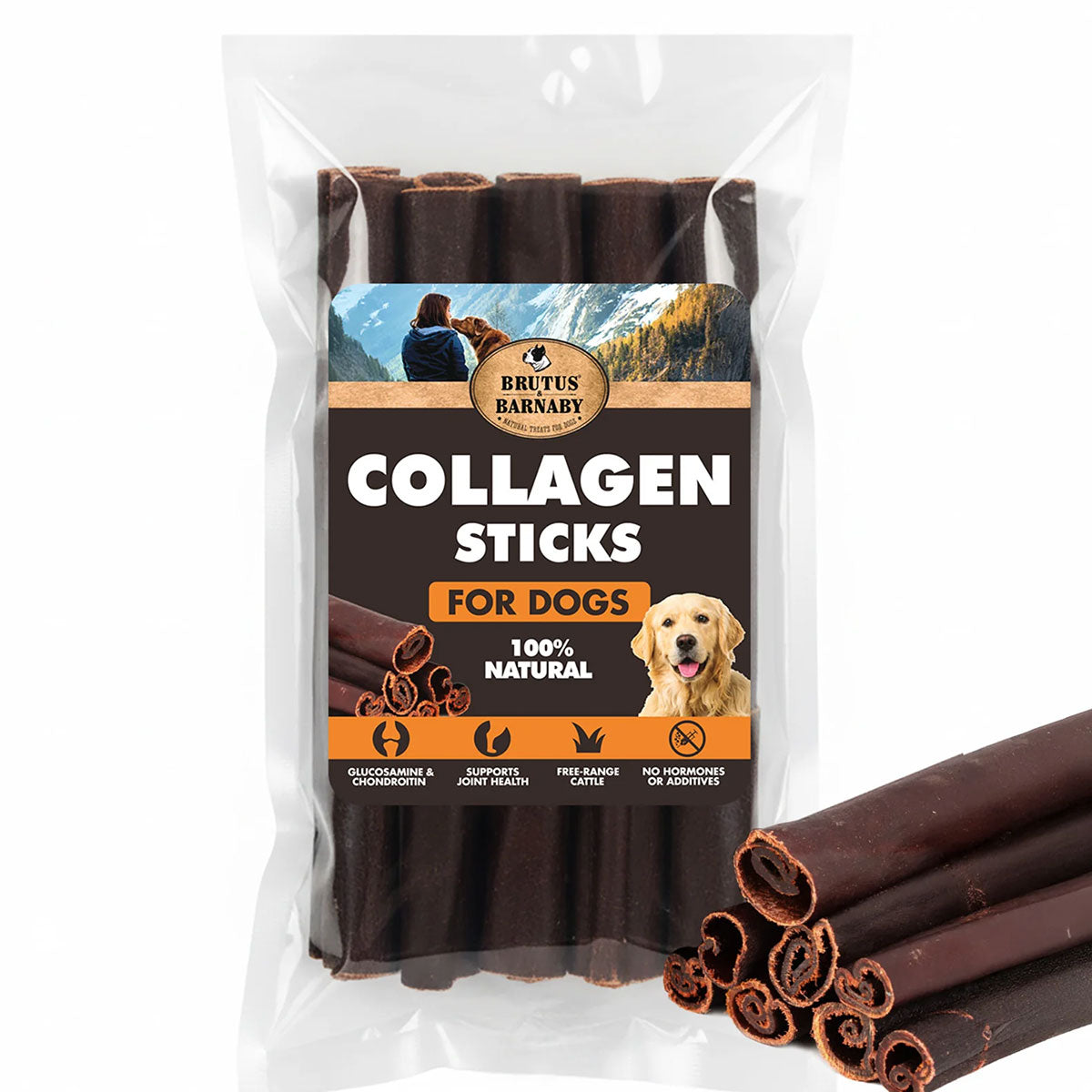
Beef Collagen Sticks
A longer-lasting chew for dogs who need a focused activity during calm routines.
Shop Collagen Sticks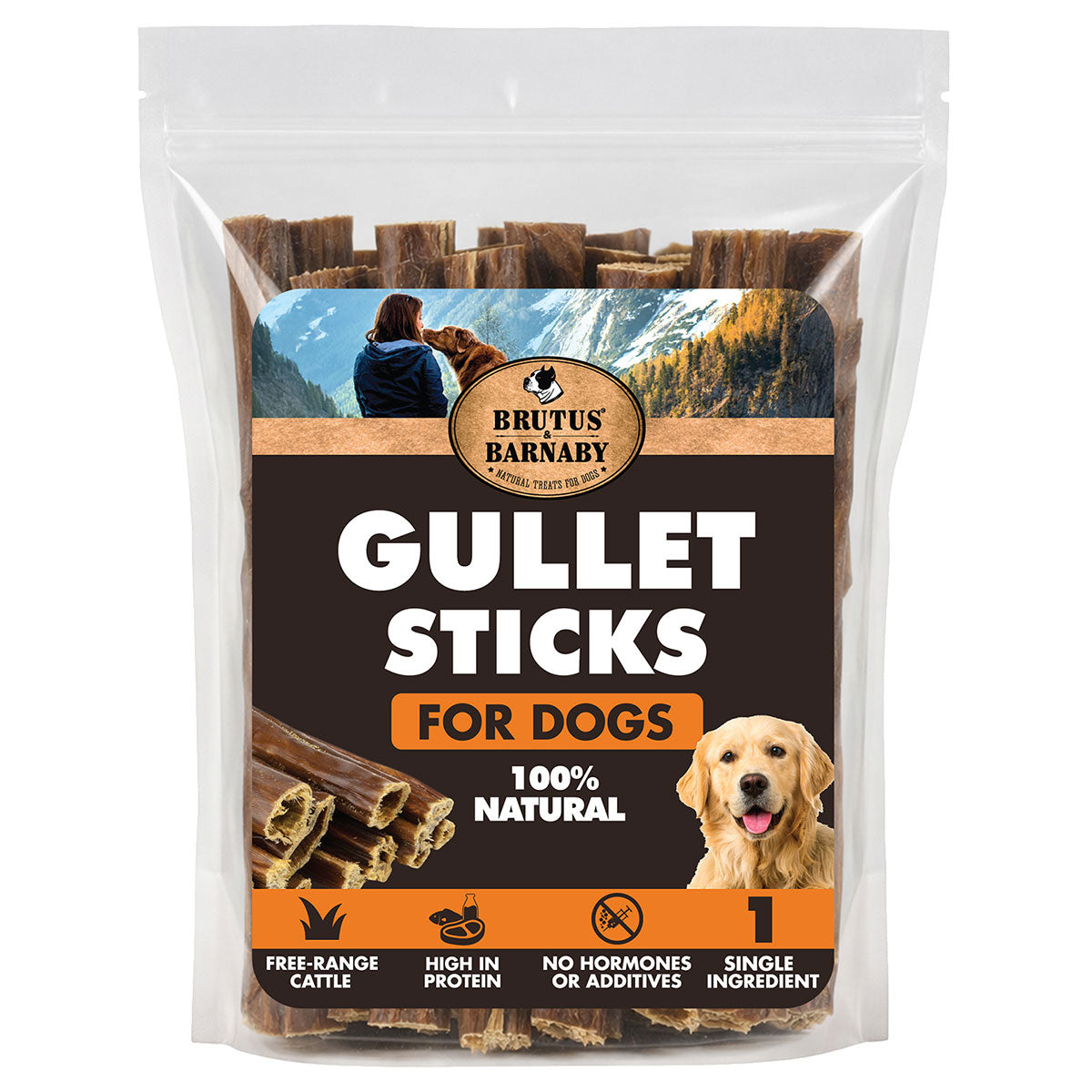
Beef Gullet Sticks
A moderate chew option for dogs who need chewing satisfaction without a very dense chew.
Shop Gullet SticksIf You Feel Like “Nothing Works”
If you have felt like, “I’ve tried everything and my dog won’t stop barking,” the issue is usually one of four things: the treats were not high-value enough, the timing was late, training was not consistent across family members, or the dog’s physical and mental needs were not fully met.
Key point: reward quiet far more than you correct barking. Calm behavior grows when it becomes the behavior that pays.
Frequently Asked Questions
Final Takeaways
- Reward quiet far more than you correct barking.
- Use small, high-value treats so you can repeat training without overfeeding.
- Manage the environment with less access to triggers and more enrichment.
- Build strong routines for crate time, bedtime, and calm time.
- Be patient and consistent — dogs absolutely can learn to be calm and quiet.
The best barking plan combines training, timing, enrichment, and the right rewards. Once your dog learns that quiet behavior gets paid, calm starts to become the easier choice.
Build a Better Training Routine
Explore training treats, enrichment snacks, and long-lasting chews that help support calmer routines at home.
Shop Training Treats & Chews
```