



How Many Training Treats Per Session? A Practical Reward Guide
The goal is not to find one magic treat number. It is to prepare enough tiny rewards for the behaviors you plan to reinforce—without letting one short training session consume the rest of your dog's treat budget.
A dog can earn a surprising number of rewards in five minutes. That is exactly why counting whole treats is often the wrong approach: good training depends on tiny, well-timed rewards—not repeatedly handing over full-size snacks.
Prepare rewards based on planned repetitions—not a universal treat number
For a new behavior, you may reward nearly every correct repetition. If you plan eight good repetitions, prepare roughly enough tiny pieces for those eight successes, plus a few extras in case you need to reward an especially good response.
A short puppy practice session might need only a handful of tiny rewards, while recall work around distractions may use more valuable rewards. The right amount depends on reward size, session goal, skill difficulty, your dog's size, and the rest of the day's diet.
Stop Counting “Treats.” Start Counting Reward Pieces.
One commercial treat does not have to equal one training reward. During training, the useful unit is the reward piece: a small portion your dog can eat quickly before returning attention to you.
This distinction matters because two dog owners may both say they used “ten treats,” while one gave ten full-size snacks and the other divided two soft treats into ten tiny rewards. Those are very different amounts of food.
How many successes will I reward?
Decide how many useful repetitions you want, then prepare small rewards for those moments.
How many whole treats can I hand out?
Whole-treat counting ignores reward size, calorie density, your dog's size, and the rest of the day's food.
A Practical Starting Point for Different Training Sessions
The examples below are session-planning starting points, not universal feeding limits. Keep each reward appropriately small, and adjust the amount for your individual dog and the rest of the day's diet.
| Training Situation | Session Goal | Tiny Rewards to Prepare | Reward Pattern |
|---|---|---|---|
| Brand-new skill indoors | 6–10 clear repetitions | About 8–12 | Reward nearly every clear success |
| Known cue refresher | 8–15 repetitions | About 6–10 | Mix food with praise or play |
| Recall around distractions | 4–8 quality repetitions | About 8–15 | Reward every return; save extras for a jackpot |
| Puppy micro-session | 3–8 easy repetitions | About 5–10 | Keep rewards tiny and end while focus is good |
These examples assume small training-size reward pieces. A prepared reward count should never replace checking the product's feeding information, your dog's total diet, or veterinary guidance when needed.
Use Three Budgets Before You Fill the Treat Pouch
A useful session plan balances three different limits. Looking at only one can make training unnecessarily complicated—or cause the amount of food to creep upward without you noticing.
The Repetition Budget
How many useful attempts does this session actually need? Ten focused repetitions can be more productive than continuing until the treat pouch is empty.
The Daily Treat Budget
Training rewards still count as food. A morning session, afternoon walk, family handouts, and evening chew all contribute to the same day.
The Individual-Dog Budget
Watch appetite, stool quality, enthusiasm, body condition, age, size, and how your dog responds to the specific reward. Every dog handles extras differently.
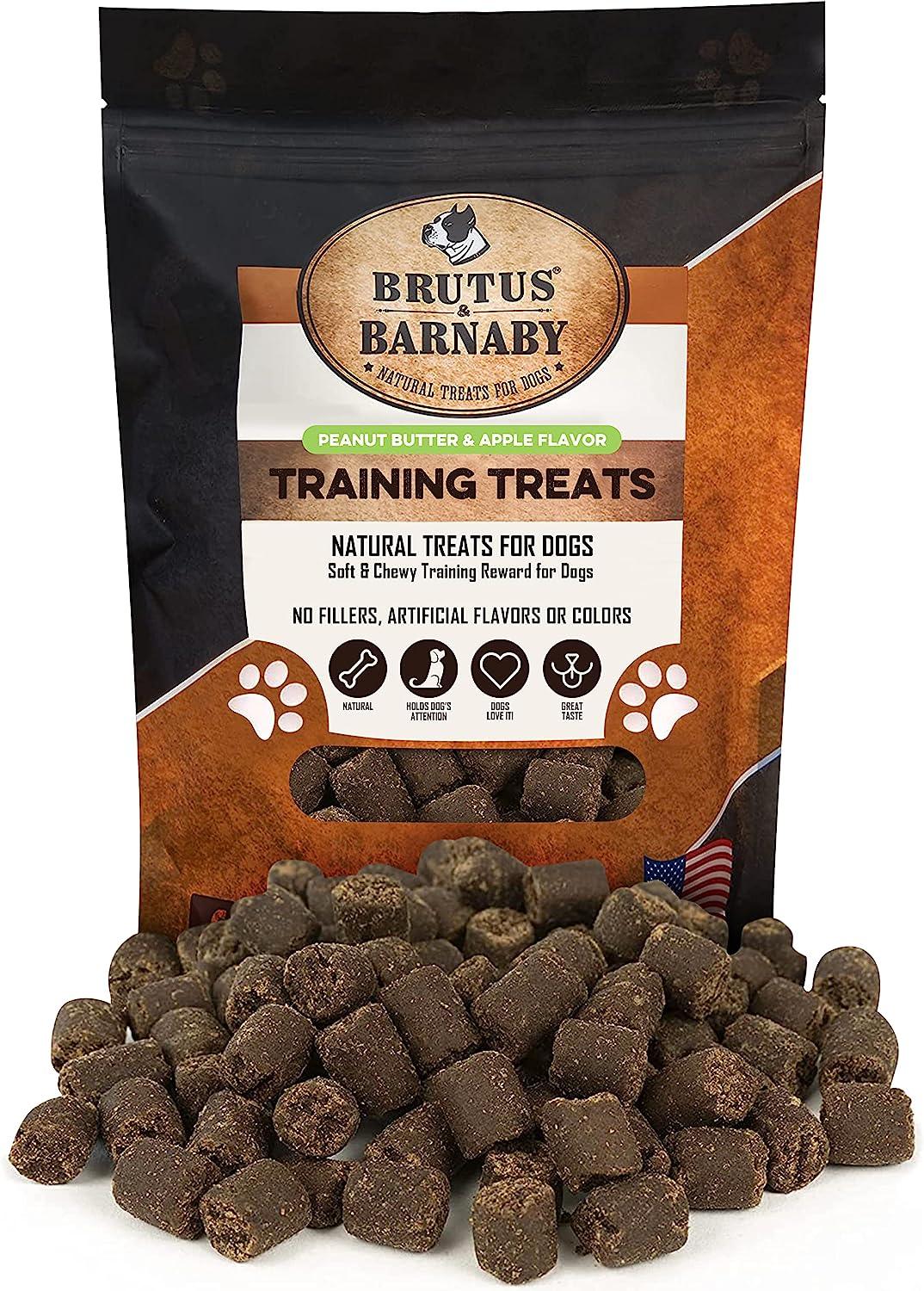
Training Treats for Dogs | Peanut Butter & Apple Soft Dog Treats
A soft training option for sessions where you want the dog to take the reward and get back to the next repetition without a long chewing break.
- Soft bites for quick rewarding
- Designed for frequent training moments
- Useful for puppy training
- Easy to plan into short practice sessions
Some Sessions Need More Rewards Than Others
Reward quantity should change with the difficulty of the lesson. A quiet living-room “sit” and an outdoor recall around squirrels do not require the same level of motivation.
A brand-new behavior
Frequent reinforcement helps make the connection clear. Prepare enough tiny pieces to reward most clean successes during a short session rather than expecting the dog to work for long stretches before getting anything.
A behavior your dog already knows
Once a behavior is reliable, every correct response may not need food forever. VCA notes that intermittent reinforcement can be introduced for strong behaviors, while praise, play, toys, and other rewards can also be part of the reinforcement mix.
Recall and high-distraction practice
Difficult environments often justify a more valuable reward. Instead of performing dozens of low-quality repetitions, aim for fewer good responses and make successful returns worth it.
Puppy training
Keep the session especially short. Prepare a small number of tiny pieces, reward clear wins, and stop before the puppy is mentally finished. Another short session later is often easier to manage than one long session packed with rewards.
- The behavior is brand new
- Distractions are unusually difficult
- You are practicing recall
- You plan more correct repetitions
- The session goal is very small
- The behavior is already reliable
- You are mixing food with play or praise
- Your dog has already had many extras that day
The Session Number Still Has to Fit the Full Day
A training session does not exist in isolation. VCA advises keeping calories from treats within about 10% of a dog's total calorie intake and suggests setting aside the day's treat allowance so it is easier to see how much has already been used.
That does not mean every dog should receive the same number of pieces. A tiny dog, a large active dog, a growing puppy, and a dog on a veterinarian-managed diet can have very different needs.
Measure the training portion before the first session
Put the amount you plan to use for training that day into a separate container. Each session comes from that container. When it is running low, you immediately know the rest of the day's reward plan needs to adjust.
Some owners also use part of the dog's normal meal as lower-value training rewards. That can be useful for easy practice, while more motivating treats can be reserved for harder work. Avoid making major diet adjustments without appropriate veterinary guidance.
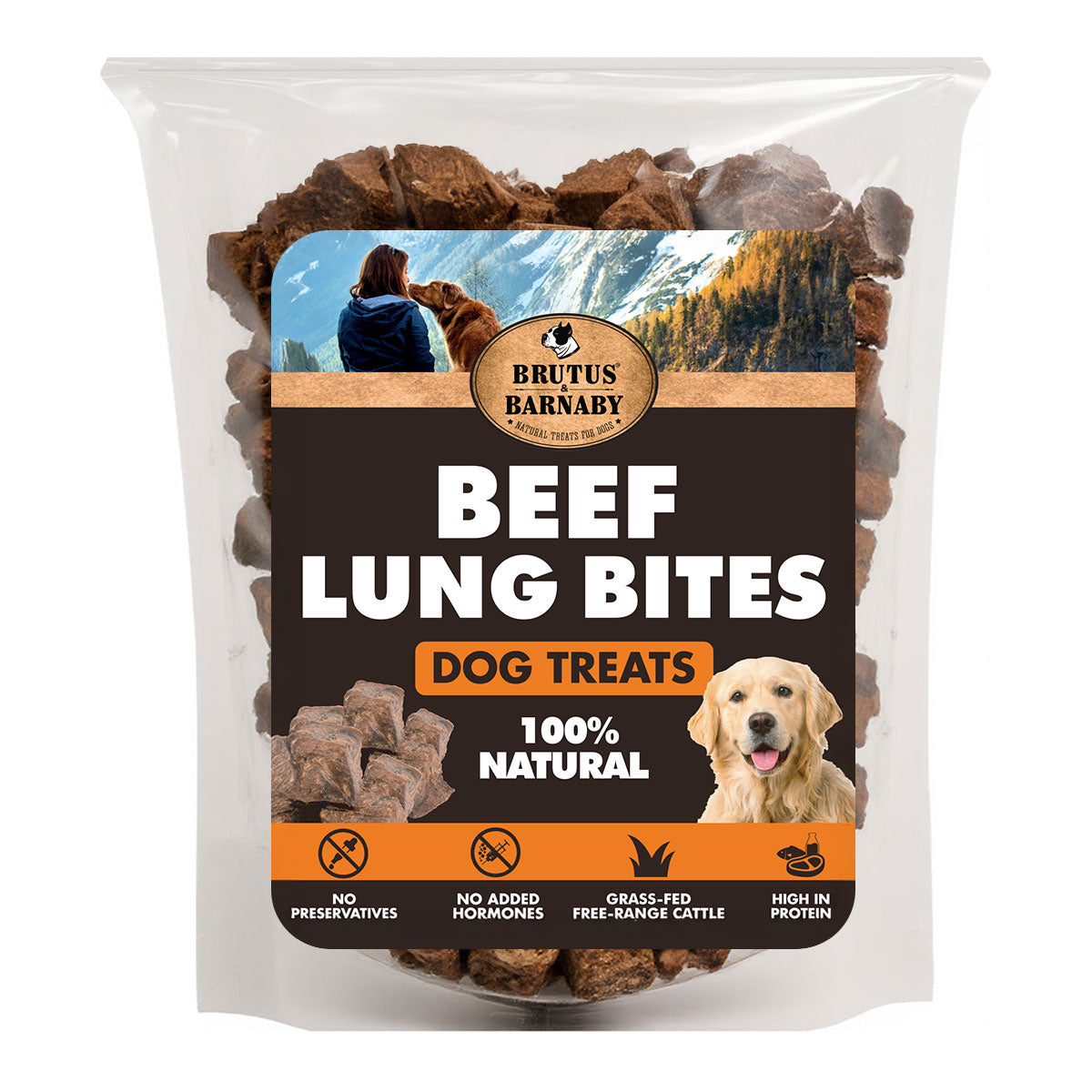
Beef Lung Bites for Dogs | High-Protein Crunchy Training Treats
A meaty reward option to keep in reserve for moments when easy, everyday rewards are not motivating enough.
- Crunchy bites with a meaty reward profile
- Made for training and rewarding
- Useful for higher-value moments
- Can be planned into more challenging sessions
Your Treat Pouch Does Not Have to Be Empty Before the Session Ends
One of the easiest mistakes is continuing simply because rewards are still available. End the session based on training quality and your dog's response—not the number of pieces left.
- Your dog is still engaged
- Responses remain clear
- The reward is swallowed easily
- You are still working toward a defined goal
- Focus is clearly fading
- Your dog is becoming frantic about the food
- Performance is getting worse
- You have completed the planned repetitions
Also watch what happens after training. Repeated digestive upset, vomiting, significant appetite changes, or other concerning symptoms deserve veterinary attention rather than simply switching reward counts on your own.
The 5-Step Treat-Pouch Routine
Use this before a session when you want a repeatable system instead of guessing as you go.
Related Training and Treat Guides
Need help choosing the reward itself? Start with our guide to the best dog training treats for different types of learning.
For the bigger daily picture, read how many treats a dog can have per day.
When the problem is digestive tolerance rather than session planning, see why some dogs get loose poop after training treats.
Helpful External Resources
These veterinary and behavior resources provide additional guidance on reward-based training, using food effectively, and keeping treats within the bigger nutrition picture.
Useful guidance on food rewards, treat calories, daily planning, and moving toward intermittent reinforcement.
Practical reward-based training guidance from the American Veterinary Society of Animal Behavior.
Additional expert context on why rewarding desired behavior matters during learning.
A practical example of using positive reinforcement to reward the behaviors you want during real-world training.
Training Treat Quantity FAQs
How many training treats should I give in one session?
There is no universal number. Plan the session around the number of successful repetitions you want to reinforce, prepare tiny reward pieces, and make sure the total fits your dog's overall daily diet. A short session may need only a handful, while difficult recall practice may use more.
Can I give my dog a treat after every repetition?
For a brand-new behavior, frequent rewards can help make the lesson clear. Once the behavior becomes reliable, food may be used less predictably and mixed with praise, play, toys, or other rewards depending on the dog and the situation.
How many treats can a puppy have during training?
Puppy needs vary by age, size, diet, and the specific treat. Keep training sessions short, use very small reward pieces, and account for every extra in the puppy's overall diet. Ask your veterinarian for individualized feeding guidance when needed.
Should I use kibble instead of training treats?
Kibble from the dog's regular meal may work for easy practice when the dog finds it motivating. More difficult situations may need a higher-value reward. Many owners use a mix rather than relying on one option for every task.
What is a jackpot reward in dog training?
A jackpot is a noticeably better reward for an especially strong response. That may mean several tiny pieces delivered one after another or a more valuable food reward. It should feel special rather than becoming the default after every easy repetition.
Can too many training treats cause loose stool?
Too many extras, unusually rich foods, large reward pieces, or introducing a new treat can affect some dogs' digestion. Reduce the guesswork by tracking what was given and how the dog responded. Persistent diarrhea, vomiting, lethargy, or other concerning symptoms require veterinary advice.
Do training treats count toward my dog's daily calories?
Yes. Training rewards are still part of the day's food intake. Consider the treats used during practice alongside other snacks, chews, table extras, and the dog's regular diet.
When should I stop using treats for a behavior my dog already knows?
You do not necessarily have to stop food rewards completely. As a behavior becomes reliable, you may gradually vary when food appears and use other meaningful rewards too. Keep paying well when the task becomes unusually difficult or important.
Plan the reps, prep tiny rewards, and stop before “one more treat” becomes the session plan
There is no perfect training-treat number for every dog. A better system is to decide what you are practicing, count the successes you plan to reward, prepare appropriately small pieces, and keep the session inside the bigger daily food picture.
The best training-treat number is the smallest amount that keeps your dog motivated, your timing clear, and the full day's diet balanced.
Match the Reward to the Difficulty
Keep a soft, easy-to-deliver reward ready for frequent practice and a more motivating meaty option for the moments when the challenge gets harder.
This article is for educational purposes and is not a substitute for veterinary advice. Every dog is different, and treats should be appropriate for the individual dog's size, age, diet, health needs, and digestive tolerance. Account for training rewards within the dog's overall diet, follow product feeding guidance, supervise as appropriate, and consult your veterinarian about health concerns or individualized nutrition needs.