



Top 7 Gentle Chews for Puppies: Safe Options That Support Teething
Navigate the puppy teething stage safely with vet-informed advice on gentle, digestible chews that soothe sore gums without risking delicate puppy teeth.
Puppy teething can be a challenging phase for both young dogs and their pet parents. Between 3 and 7 months of age, puppies lose their razor-sharp baby teeth to make room for adult dentition. The accompanying inflammation creates an intense urge to chew on anything within reach—from furniture legs to shoes. Providing safe, gentle chews is essential for satisfying this instinct, relieving gum pressure, and establishing healthy chew habits early.
Developing teeth and jaws cannot withstand ultra-hard materials like bones or deer antlers. A safe puppy chew should yield slightly under thumb pressure or soften gradually with saliva to prevent dental fractures.
Why Gentle Teething Options Matter for Developing Puppies
A puppy’s jaw architecture and adult teeth are still hardening. Hard synthetic bones or brittle items can cause painful slab fractures, micro-cracks, or intestinal blockages if swallowed in large chunks. Choosing single-ingredient, highly digestible natural options provides natural relief without compromising safety.
1. Soothes Inflammation naturally
Continuous pressure from chewing massage tender gums, helping release endorphins that naturally alleviate teething discomfort and stress.
2. Digestibility & Gentle Digestion
Young digestive tracts are sensitive. Single-ingredient protein options break down smoothly in gastric juice, reducing the risk of stomach upset.
The Top 7 Gentle Chews for Teething Puppies
Here are 7 top options for puppies during their teething transition, ranked by texture, digestibility, and safety profile.
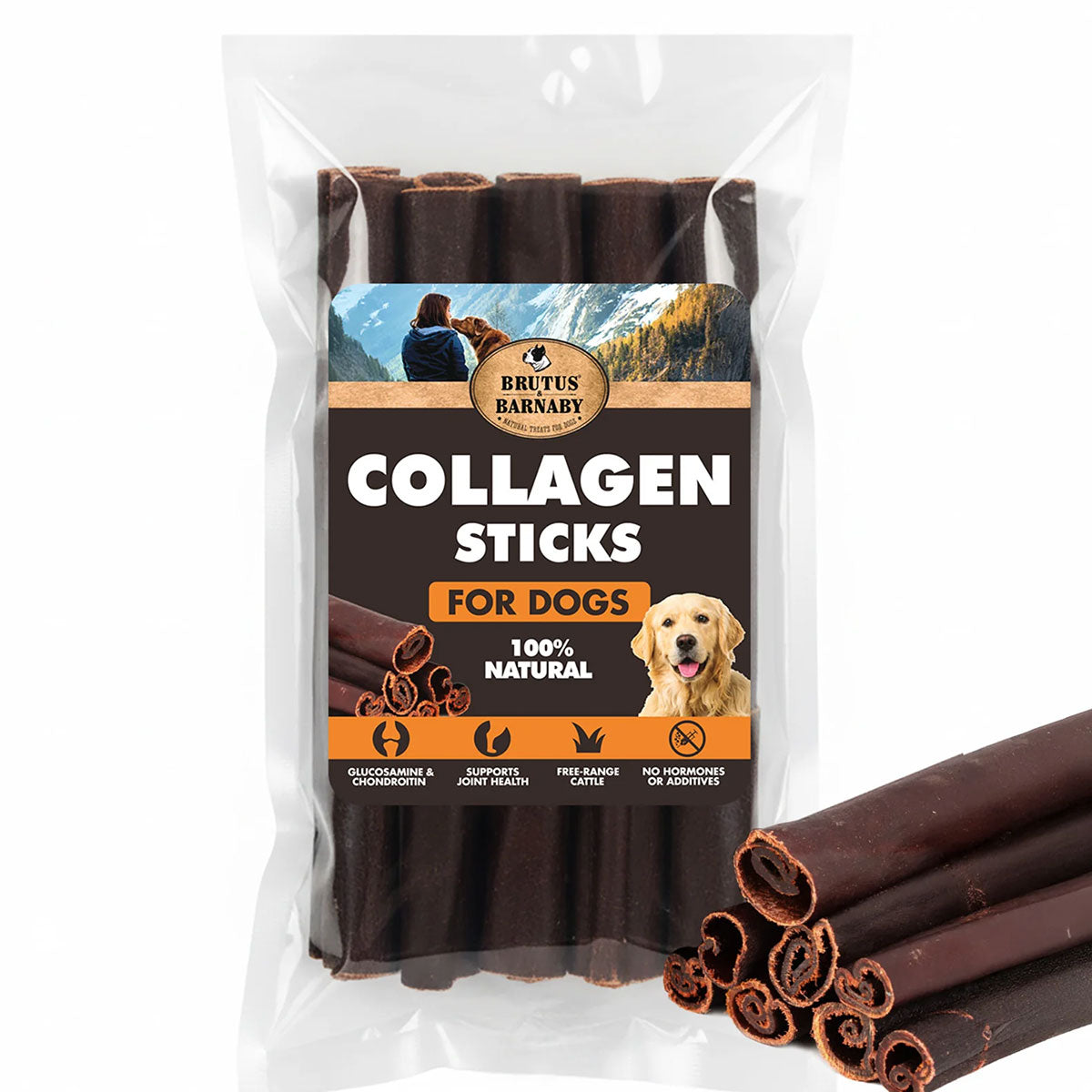
1. Beef Collagen Sticks
Made from the nutrient-rich corium layer of beef hide, collagen sticks soften smoothly as your puppy chews. They support developing joints while providing long-lasting, safe chewing engagement.
Shop Beef Collagen Sticks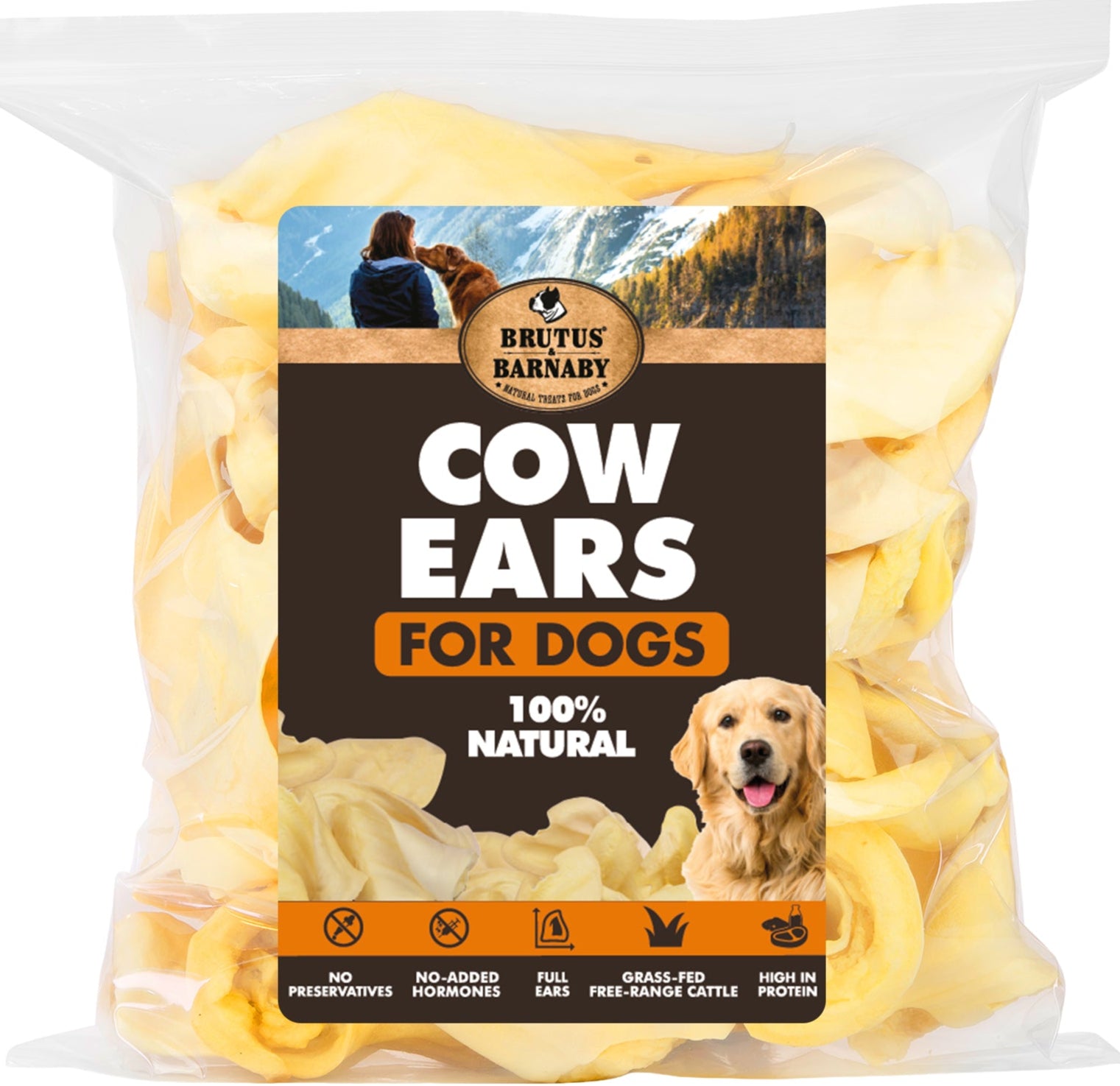
2. Natural Cow Ears
Naturally lower in fat than pig ears, cow ears feature a flexible cartilage texture that massages sore puppy gums gently without fragmenting into sharp pieces.
Shop Natural Cow Ears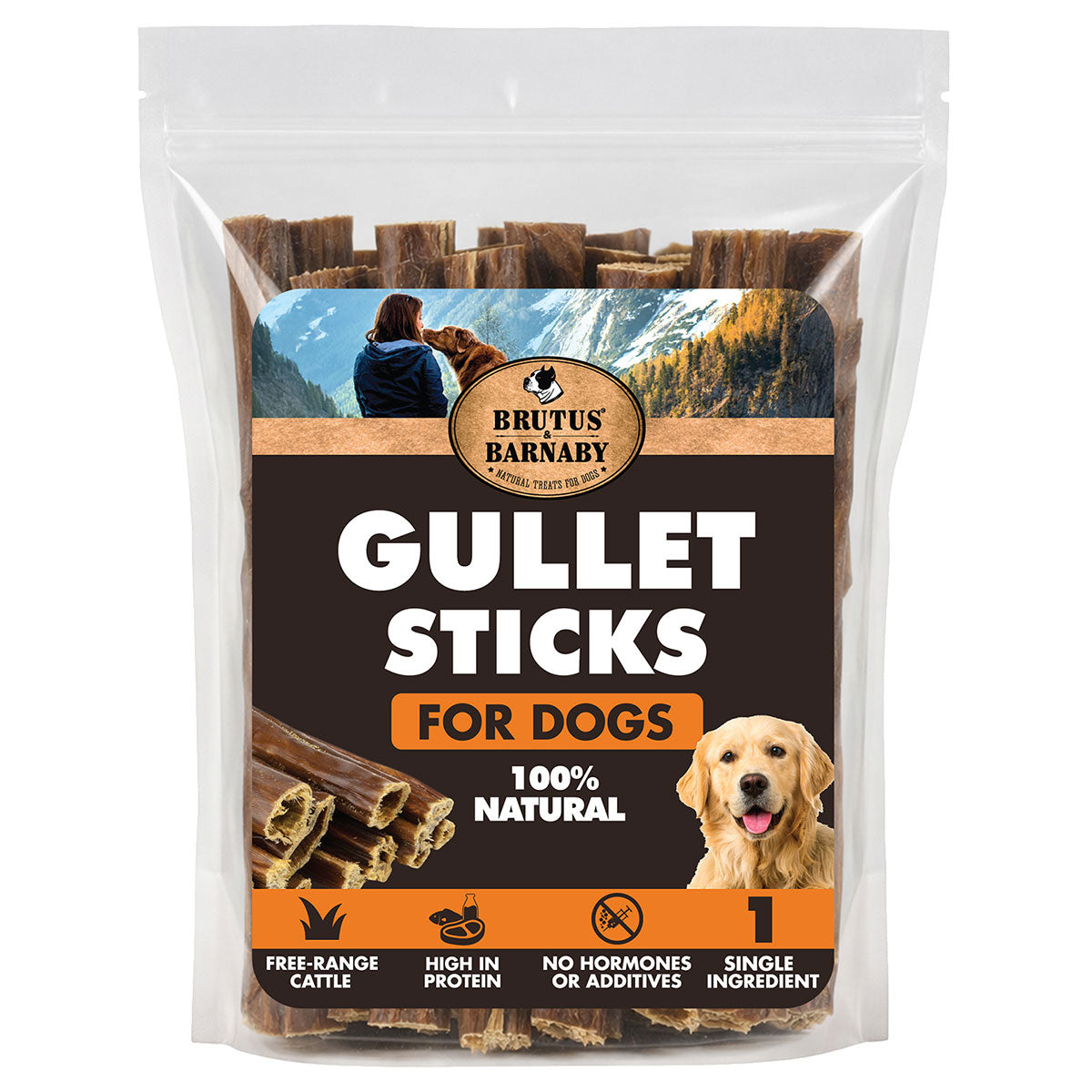
3. Beef Gullet Sticks
Hollow and naturally lighter in density than muscle meat chews, gullet sticks yield easily to puppy teeth while delivering natural glucosamine for growing joints.
Shop Beef Gullet Sticks
4. Beef Lung Filets
Porous and light. Can be snapped into soft rewards for crate training and early teething distraction.
Shop Beef Lung →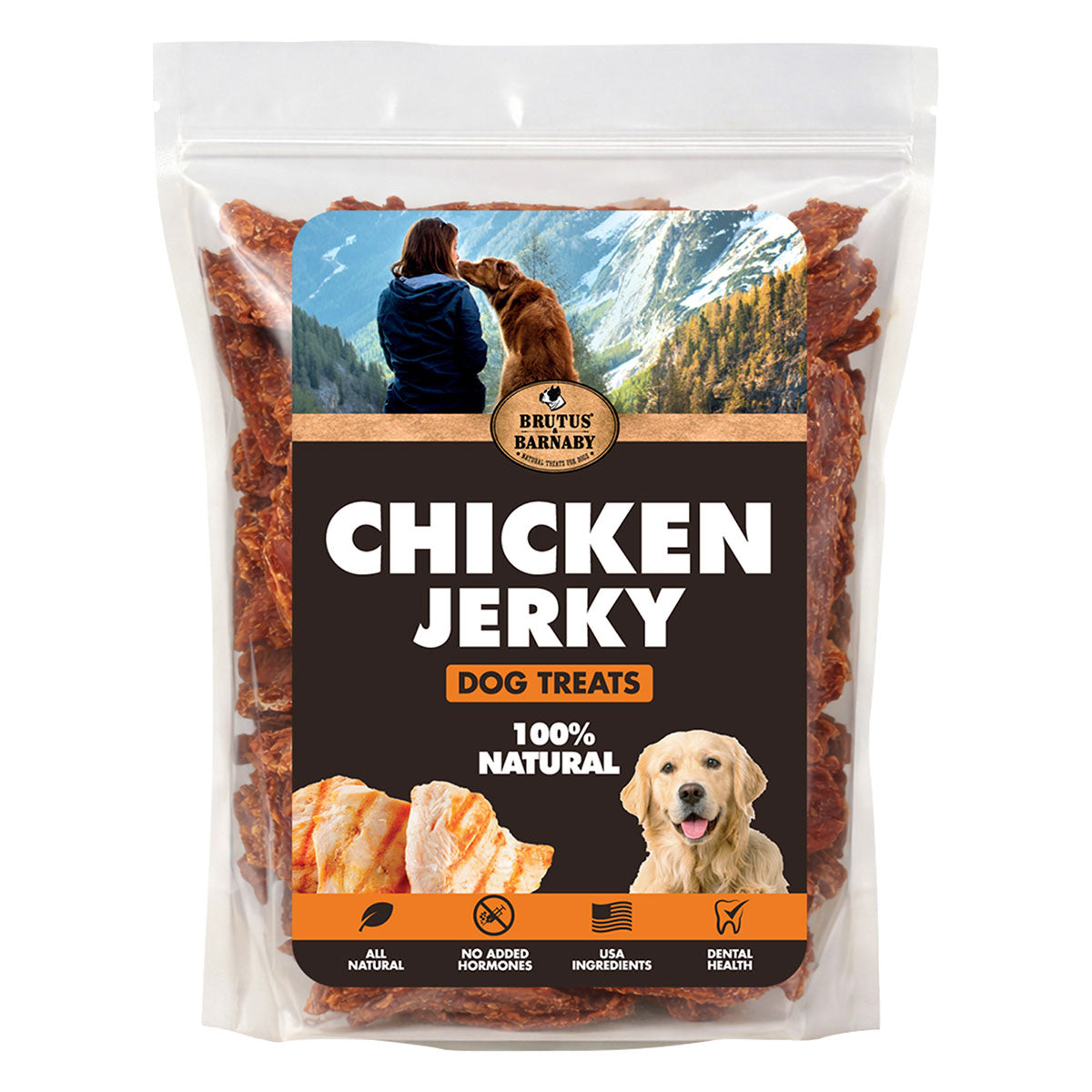
5. USA Chicken Jerky
Pliable breast meat jerky that offers a pliable texture for puppies ready for mild chewing challenges.
Shop Chicken Jerky →
6. Vegan PB & Banana Bites
Soft, bite-sized baked rewards designed for puppies on delicate or protein-sensitive diets.
Shop Vegan Treats →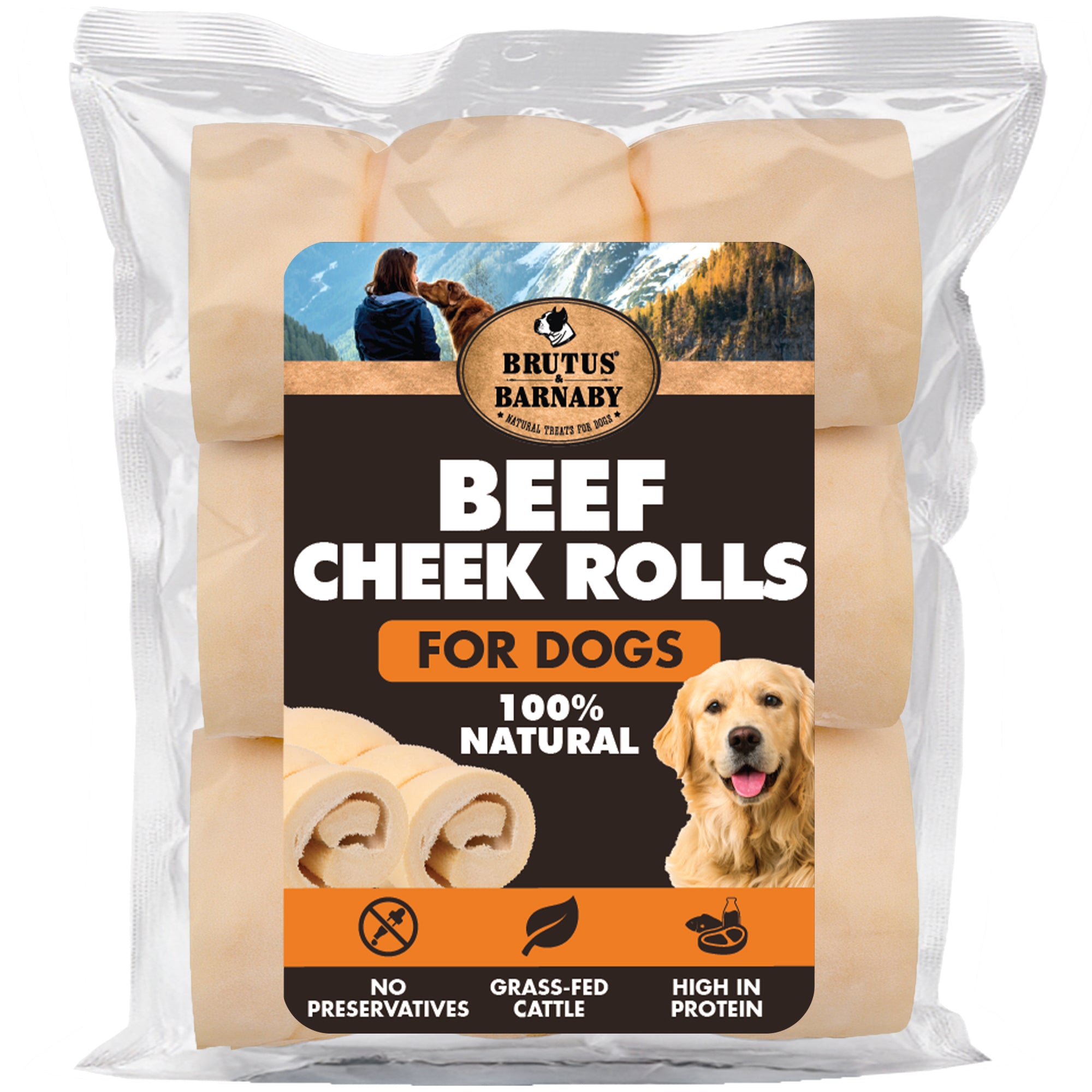
7. Beef Cheek Rolls
For older puppies (6+ months) needing a longer chew that softens progressively with saliva.
Shop Beef Cheek Rolls →Comparing Puppy Chew Types: Hardness vs. Digestibility
| Chew Type | Texture Profile | Digestibility | Recommended Age |
|---|---|---|---|
| Beef Collagen Sticks | Pliable, softens with chew | Very High | 12+ Weeks |
| Cow Ears | Flexible cartilage | High | 12+ Weeks |
| Beef Gullet Sticks | Lightly crunchy to soft | Very High | 10+ Weeks |
| Beef Cheek Rolls | Dense, slow-softening | High | 6+ Months |
Safety Best Practices for Puppy Chewing
Always Supervise Active Sessions
Never leave a puppy unmonitored with any chew. Remove small nub ends before they become gulping hazards.
Time-Limit Chew Sessions
Limit chew sessions to 15–20 minutes at a time. This prevents jaw fatigue and avoids introducing too much rich protein into a young stomach at once.
Provide Hydration Access
Saliva breakdown is key to softening natural chews. Ensure your puppy has constant access to clean drinking water.
Veterinary Guidance on Puppy Oral Health
Leading organizations like the American Veterinary Dental College (AVDC) and WSAVA emphasize that dental safety starts early:
- The Thumbnail Test: If a chew item is too hard to indent with your fingernail, it may be too hard for primary (baby) teeth.
- Calorie Accounting: Chews count toward daily intake. Monitor treats to ensure complete feed balances are maintained.
- Gradual Rotation: Introduce one new protein type at a time to monitor stool quality and stomach tolerance.
Frequently Asked Questions About Puppy Chews & Teething
Most puppies can safely begin enjoying gentle single-ingredient chews like collagen or gullet sticks around 10 to 12 weeks of age, once they are fully weaned onto solid food.
Yes, but under supervision. Thinner or medium bully sticks can be offered to puppies over 12 weeks, provided chew sessions are timed so they do not consume too much protein in one sitting.
Traditional rawhide is often processed with heavy chemicals and swells in the stomach, creating intestinal blockage risks. Natural collagen and unbleached options offer safer alternatives.
Use the thumbnail test: press your thumbnail firmly into the chew. If it leaves a slight mark or has slight give, it is generally safe for developing teeth.
Yes. Providing an appropriate, high-value chew redirects destructive biting behavior toward a safe outlet, teaching healthy lifelong chew habits.
Fully digestible single-ingredient chews break down naturally in stomach acids. Monitor your puppy for normal eating and bowel movements, and contact your vet if lethargy or vomiting occurs.
Support Safe & Healthy Teething Habits
Explore our collection of single-ingredient, highly digestible chews crafted to keep your puppy satisfied and safe throughout their teething journey.
Shop Puppy-Safe Natural ChewsDisclaimer: The information provided in this article is for educational purposes only and is not a substitute for professional veterinary advice, diagnosis, or treatment. Always supervise your pet during chew sessions and consult your veterinarian with questions regarding your dog's oral health.