



Beef Lung Dog Treats: High-Protein Rewards for Training & Weight Management
Discover why single-ingredient dehydrated beef lung is the ultimate low-calorie, high-value reward for dog training, sensitive stomachs, and weight control.
Finding the perfect reward for your dog often feels like a balancing act. High-value treats like cheese or hot dogs grab their attention during intense training, but they carry heavy calories and high fat levels. Standard crunchy biscuits are lower in fat, but many dogs find them uninspiring—and filled with unnecessary carbohydrates. Enter single-ingredient dehydrated beef lung: a naturally light, high-protein treat that bridges the gap between high motivation and healthy weight management.
Beef lung features a porous, puffed cellular structure. This allows it to deliver rich, beefy aroma and high protein content at a fraction of the calorie density of muscle meats or organ meats like liver.
What Makes Beef Lung Ideal for Weight Management and Training?
Obesity is one of the most common health challenges facing companion dogs today. According to veterinary studies, keeping dogs at a lean body condition score can extend their life expectancy and reduce strain on their joints. However, cutting out treats entirely during behavioral training is rarely practical.
1. High Value & Irresistible Aroma
Dehydrated lung retains intense savory smell and flavor, making it a "Grade-A" reward for high-distraction environments like leash walking or agility classes.
2. Low Calorie & Low Fat
Because lung tissue is naturally expanded and light, a piece of beef lung provides fewer calories per square inch than dense muscle beef jerky or liver bites.

Brutus & Barnaby All-Natural Beef Lung Bites & Filets
Single-ingredient, slow-dehydrated beef lung with zero additives, preservatives, or artificial chemicals. Easy to snap into micro-bites for rapid training sessions.
Shop Beef Lung FiletsNutritional Breakdown: How Beef Lung Compares
To understand why beef lung works so well for weight-conscious pet parents, it helps to compare its profile directly to other popular single-ingredient meat chews and treats.
| Treat Category | Protein Level | Fat Content | Primary Use Case |
|---|---|---|---|
| Beef Lung Bites | High (~65-75%) | Low (~8-12%) | Rapid training, weight control, senior treats |
| Beef Liver | High (~60-70%) | Moderate (~10-15%) | High-value training (limit portions due to Vit A) |
| Chicken Jerky | Very High (~75%+) | Low (~3-5%) | High-protein snack, moderate chew duration |
| Bully Sticks | High (~80%) | Low-Moderate (~5-9%) | Long-lasting heavy chewing |
How to Incorporate Beef Lung into Daily Dog Training
Effective dog training relies on rapid timing and minimal delay between command execution and reward delivery. Here is how to optimize beef lung for daily training exercises:
Break into Micro-Bites
Because dehydrated lung has a slightly crisp, dry texture, you can easily snap large filets into pea-sized bits. Small pieces prevent your dog from filling up quickly and keep their focus sharp.
Use for High-Distraction Environments
Reserve beef lung for challenging commands such as recall ("come"), loose-leash walking past other dogs, or reactive training where high aroma is mandatory to break focus.
Balance the 10% Treat Rule
Always adhere to veterinary guidelines: treats should make up no more than 10% of your dog's daily caloric intake. Using low-calorie treats like lung makes staying under that threshold much easier.
Exploring Variety: Complementary Low-Fat & High-Protein Chews
While beef lung is unbeatable for fast-paced training, dogs also need longer-lasting chews for mental enrichment and dental hygiene. Rotating different natural beef and poultry options ensures complete satisfaction without introducing junk fillers.
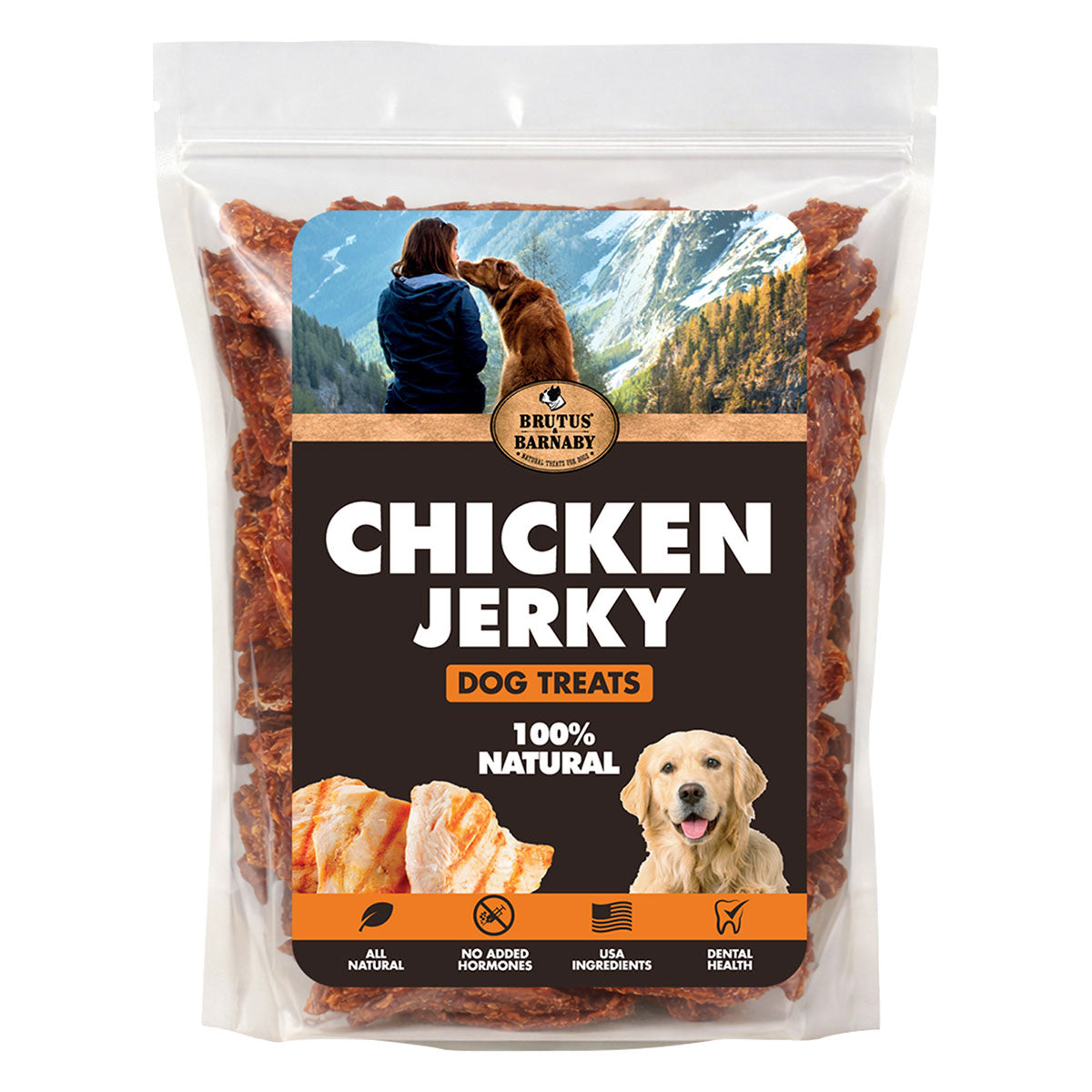
100% USA Chicken Jerky
Lean breast meat offering rich protein with minimal fat content.
Learn More →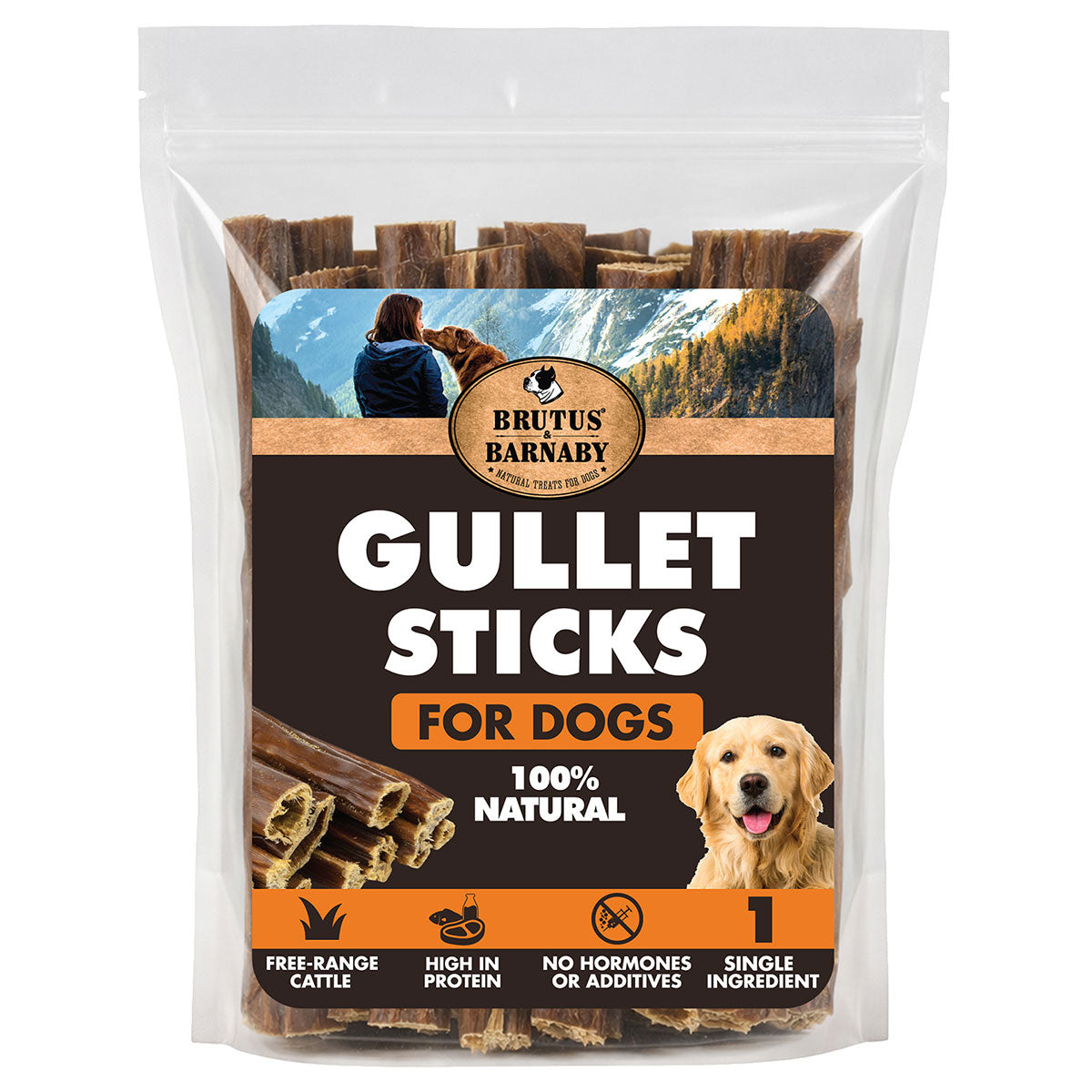

Vegan PB & Banana Treats
Plant-based, bite-sized option ideal for protein-restricted diets.
Learn More →Veterinary Safety & Feeding Guidelines
According to guidelines from veterinary organizations such as the World Small Animal Veterinary Association (WSAVA) and the FDA Center for Veterinary Medicine, all chews and treats must be managed carefully:
- Supervision: Always observe your dog when introducing any new chew or treat to ensure proper chewing before swallowing.
- Fresh Water: High-protein dehydrated treats increase thirst; keep fresh water accessible at all times.
- Gradual Introduction: Introduce organ meats and new protein sources slowly over 3-5 days to avoid digestive upset in dogs with sensitive stomach histories.
Frequently Asked Questions About Beef Lung Treats
Yes. Beef lung is naturally lean and low in fat. Its light, airy structure means a single bite contains fewer calories than traditional meat jerkies or dense liver treats, making it ideal for calorie-restricted diets.
Absolutely. Dehydrated beef lung has a softer texture than hard bones or heavy chews, making it easy on developing puppy teeth and gentle for senior dogs with dental sensitivity or missing teeth.
While both are highly palatable single-ingredient organ meats, liver is significantly denser and richer in Vitamin A. Liver must be fed in small quantities to prevent digestive looseness or vitamin excess. Beef lung is lighter, lower in calories, and can be given more frequently during training.
Beef lung has a natural meat smell that dogs find irresistible, but high-quality dehydration reduces excessive odor for pet parents compared to raw or wet organ meats.
Yes. Because pure beef lung contains only one ingredient—100% beef—it avoids artificial preservatives, grain fillers, and chemical additives that frequently trigger food intolerances.
When stored in a cool, dry place in an airtight bag, dehydrated beef lung maintains fresh taste and quality for several months without refrigeration.
Give Your Dog High-Value Rewards Without the Calories
Elevate your training sessions with pure, single-ingredient beef lung bites and long-lasting natural chews crafted with care by Brutus & Barnaby.
Explore All Natural Dog TreatsDisclaimer: The information provided in this article is for educational purposes only and is not a substitute for professional veterinary advice, diagnosis, or treatment. Always consult your veterinarian regarding your dog’s specific dietary needs and health conditions.