



Long-Lasting Dog Chews for Large Dogs: Size, Durability & Safety
A large dog needs more than a chew labeled “large.” The right fit depends on length, thickness, texture, chewing behavior, dental condition, and how quickly the chew becomes small enough to swallow.
A chew can be long-lasting without being a good match. If it is too small, too hard, easy to break into chunks, or offered without supervision, extra durability does not make it safer.
Choose long-lasting dog chews for large dogs by fit and behavior, not body weight alone. Start with a chew that cannot fit fully inside your dog’s mouth, offers enough length to hold and remove, and has a thickness your dog gnaws rather than cracks apart. Watch the entire session, remove loose or swallowable pieces, provide fresh water, and stop if your dog bites down hard enough to stress the teeth. No edible chew is risk-free, and no fixed chewing time works for every dog.
Why “For Large Dogs” Is Only a Starting Point
Two large dogs can handle the same chew very differently. One may scrape and soften it slowly. Another may clamp down, split it, or try to swallow the end. Age, missing or damaged teeth, jaw strength, food-guarding behavior, digestive history, and prior experience with edible chews all affect the decision.
That is why a package size or breed label should never replace observation. Treat the first session with any new chew as a fit test. Your goal is a controlled chew that stays manageable as its shape changes—not an object your dog can finish as quickly as possible.
Body size tells you
- How much room the dog has to hold a chew
- Whether a short piece may fit fully in the mouth
- A useful starting point for length and diameter
Behavior tells you
- Whether the dog gnaws, crushes, tears, or gulps
- How fast the chew becomes a swallowable remainder
- How closely and how long the session should be managed
How to Choose Long-Lasting Dog Chews for Large Dogs
Use four fit checks together. None is enough on its own, and natural chews can vary somewhat in shape and density from piece to piece.
Length and thickness solve different problems: length helps with grip and removal; thickness affects how easily a strong dog can bite through. A long, thin chew may be less durable than a shorter, thicker one.
Durability Does Not Mean Maximum Hardness
Owners often equate a harder chew with a longer-lasting chew. That shortcut can create a dental tradeoff. VCA advises choosing chew items that are not so hard that they can stress or fracture teeth and recommends supervision when a dog is biting down forcefully or removing chunks.
For an edible chew, durability is better understood as the interaction between material, thickness, moisture, shape, and the dog’s technique. A steady gnawer may spend longer on a moderately firm chew than a crusher who snaps a harder item into sections.
If your dog has worn, loose, cracked, or missing teeth; a history of oral pain; or recent dental work, ask your veterinarian what textures are appropriate before offering a durable chew. Stop the session if chewing suddenly becomes one-sided, the dog drops the chew repeatedly, paws at the mouth, or seems painful.
Choose the Format That Matches the Chewer
These options serve different routines. Neither has a guaranteed chew time, and neither is appropriate for unsupervised use.
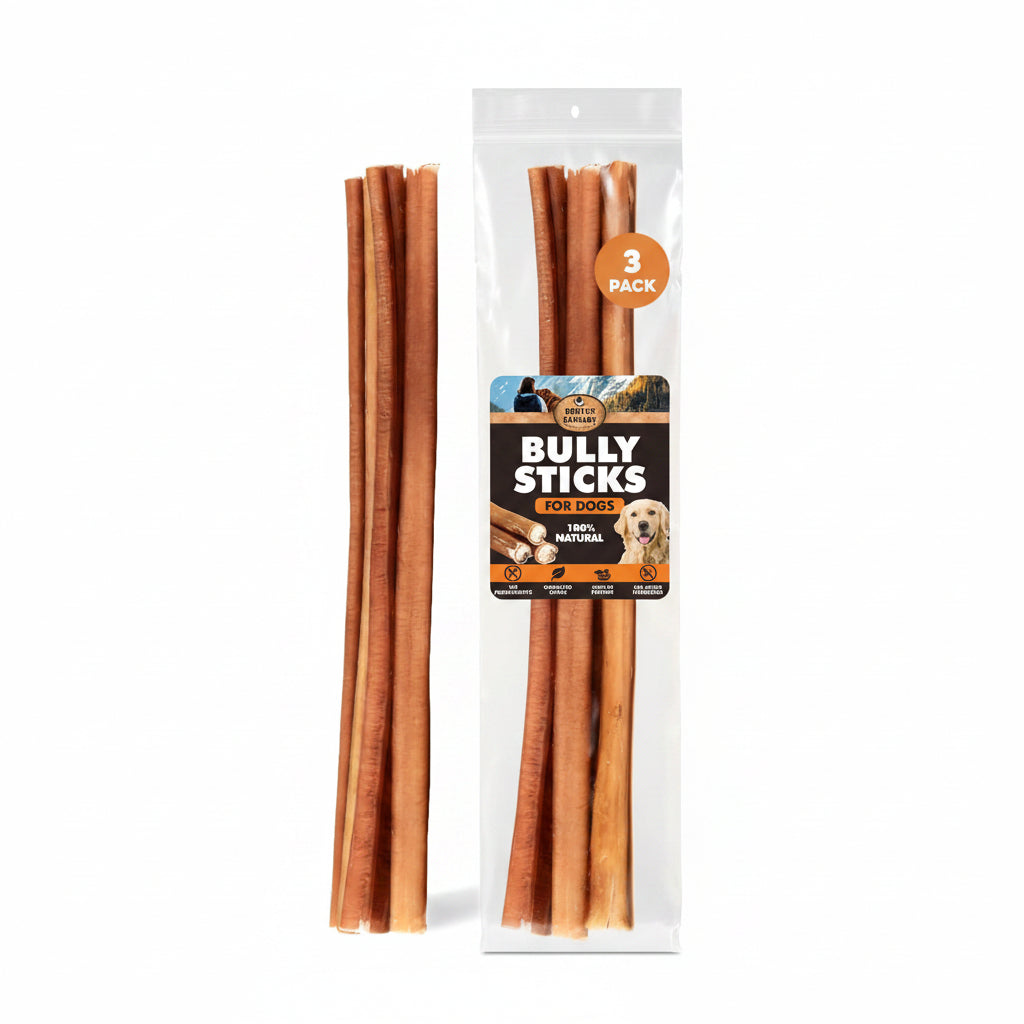
12-Inch Bully Sticks
The live product page lists these as 12-inch, extra-thick, single-ingredient beef chews intended for medium dogs, large dogs, and strong chewers.
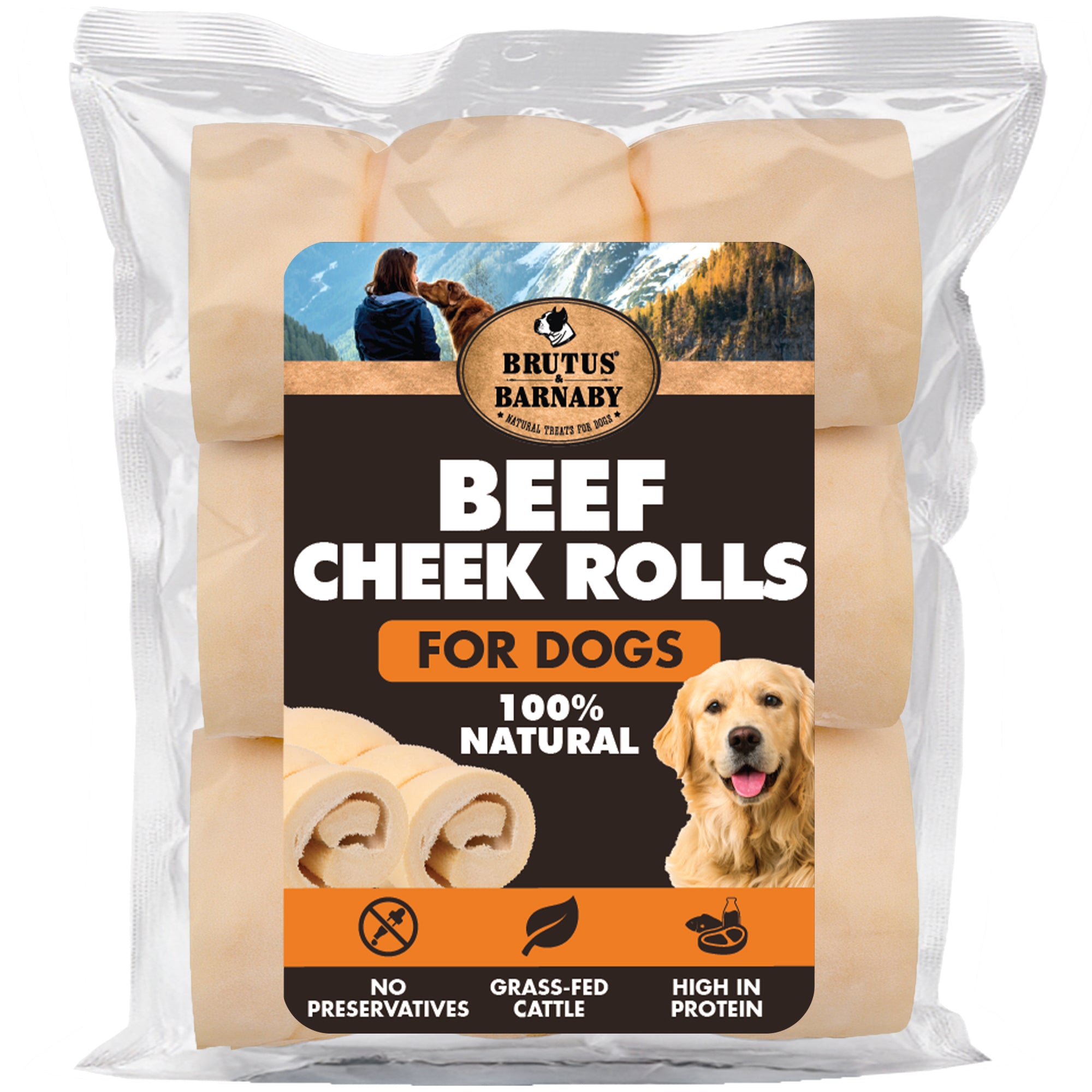
Original Beef Cheek Rolls
The live product page offers original 10–12-inch variants and lists natural beef cheek as the single ingredient. The rolled shape can suit large dogs that settle into steady, supervised gnawing.
Run a Supervised First-Session Test
Do not assume a new chew will behave like the last bag or another product. Use a short, fully observed introduction to learn how the individual dog handles it.
Fresh water should be available. If you plan to save a partially used edible chew, follow the product’s storage directions and discard it if it becomes dirty, damaged, or otherwise unsuitable. For more detail on why chews should not be left with an unattended dog, see the chew and crate safety guide.
Know When the Chew Is Finished
A chew is finished when it is no longer safe to manage—not only when it is completely eaten. Removal timing depends on the dog and the changing shape of the chew.
- Remove it when the remainder could fit fully in the mouth or be swallowed whole.
- Stop if the chew breaks into large chunks, develops sharp edges, or becomes difficult to hold.
- Discard pieces that are dirty, spoiled, or damaged; do not rely on appearance alone if storage instructions were not followed.
- End the session if your dog becomes frantic, guards the item, or resists safe removal. Ask a qualified behavior professional for help rather than reaching into a tense dog’s mouth.
Do not use a stopwatch as a safety rule. Ten minutes may be uneventful for one dog and long enough for another to reduce a chew to a hazardous piece. The condition of the chew and the dog’s behavior matter more than a universal time limit.
Portions, Calories & Gradual Introduction
A long chew is not automatically one serving. The amount consumed during the session counts as food, even if part of the item is saved for later. WSAVA advises keeping treats below 10% of a dog’s daily calorie intake so they do not displace a complete and balanced diet.
Large size also does not create unlimited calorie room. Daily energy needs vary with body condition, activity, age, neuter status, health, and the main diet. If you need a precise portion, ask your veterinary team to help calculate a suitable treat allowance and use the current package or manufacturer information for calories.
Introduce a new chew gradually and change one variable at a time. Offer a manageable amount, observe stool, appetite, and comfort, and stop if the chew does not agree with your dog. Dogs with food allergies, pancreatitis history, gastrointestinal disease, kidney disease, or a veterinary-prescribed diet need individualized guidance before a new animal-based chew is added.
When to Contact a Veterinarian
If your dog appears to be choking, cannot breathe normally, collapses, or has blue or gray gums, seek emergency veterinary care immediately.
Merck Veterinary Manual lists gagging, regurgitation, excessive drooling, difficulty swallowing, and repeated attempts to swallow among signs of an esophageal foreign body. Vomiting, loss of appetite, lethargy, abdominal pain or swelling, diarrhea, dehydration, or straining can occur with gastrointestinal obstruction.
Call a veterinarian or emergency clinic promptly if you saw your dog swallow a large piece or if any of these signs develop after chewing. Early assessment matters; do not wait for a suspected obstruction to “pass” without professional direction.
Need Help Choosing Bully Stick Length?
Read the detailed 6-inch vs. 12-inch bully stick guide for a closer look at how length changes grip, handling, and the point at which the remaining piece becomes swallowable.
Helpful External Resources
These veterinary resources support the sizing, dental-safety, supervision, treat-portion, and emergency guidance in this article.
VCA Animal Hospitals — Choosing a Chew Toy Guidance on size, hardness, damage, swallowed pieces, and supervision. WSAVA — Feeding Treats to Your Dog Treat-calorie limits, appropriate size and shape, medical considerations, and supervision. Merck Veterinary Manual — Esophageal Foreign Bodies Clinical signs and why lodged objects require prompt veterinary attention.Long-Lasting Chews for Large Dogs: Common Questions
What makes a dog chew long-lasting?
Duration depends on the chew’s material, thickness, density, moisture, and shape plus the dog’s jaw strength and technique. “Long-lasting” is relative; no product can promise the same number of minutes for every dog.
How big should a chew be for a large dog?
There is no universal measurement. As a starting safety screen, the intact chew should be too large to fit fully in the dog’s mouth and long enough to hold and remove. Reassess continuously as the chew gets smaller.
Are harder chews better for heavy chewers?
Not automatically. Excessive hardness can increase dental risk, while some strong dogs simply crack hard items into chunks. Choose a texture appropriate for the individual dog’s teeth and chewing behavior, and ask a veterinarian if dental health is uncertain.
Are 12-inch bully sticks suitable for large dogs?
They may be appropriate when the thickness, texture, and length match the individual dog and the session is actively supervised. A 12-inch format offers more handling length, but it still must be removed before the remainder becomes swallowable.
How long should a large dog chew?
Use the chew’s condition and your dog’s behavior instead of one fixed time. End the session when pieces loosen, the chew becomes difficult to grasp, the remainder could be swallowed, or the dog begins crushing or gulping.
Can a large dog be left alone with an edible chew?
No. Size does not remove choking, swallowing, dental, or obstruction risks. Stay close enough to observe the chew and intervene, and remove it before leaving the room, house, or dog unattended in a crate.
How often can large dogs have long-lasting chews?
Frequency depends on the calories and amount consumed, the main diet, health, digestive tolerance, and all other treats. Keep total treats below 10% of daily calories unless your veterinary team directs otherwise.
The Best Fit Stays Large, Manageable, and Supervised
For large dogs, the right chew is not simply the biggest or hardest option. It is the one whose size, thickness, and texture match the dog’s mouth, teeth, and chewing behavior throughout the session.
Fit first. Observe continuously. Let the individual dog—not the label—show you whether the chew works.
Disclaimer: This article provides general educational information and is not veterinary, nutrition, dental, emergency, or behavior advice. No edible chew is risk-free, and no exact chew duration, serving size, or frequency works for every dog. Suitability depends on age, size, dental condition, diet, health, allergies, ingredient tolerance, and chewing behavior. Introduce new chews gradually, use manageable portions, provide fresh water, and supervise continuously. Stop use and contact a veterinarian if your dog shows pain, persistent vomiting or diarrhea, appetite changes, unusual tiredness, gagging, repeated swallowing, abdominal discomfort, or another concerning reaction. Seek emergency care for breathing difficulty, collapse, blue or gray gums, or suspected choking. Product ingredients, sizes, packaging, and availability may change; review the current product page and package before feeding.