



Pet Safety & Healthy Chewing
How to Choose Long Lasting Chews for Small Breed Dogs Without Choking Hazards
A complete, vet-informed guide to finding safe, highly digestible, and durable chews tailored specifically to tiny jaws and unique chewing styles.
Small dogs have massive personalities, but when it comes to long-lasting chews, their physical limits require extra caution. Finding a chew that occupies a Yorkie, Frenchie, or Dachshund for more than five minutes without presenting a dangerous choking hazard or causing a dental fracture can feel like a balancing act.
To make the right choice, pet parents must understand jaw mechanics, chew density, and ingredient digestibility. This guide covers the science of safe small-breed chewing, potential red flags to avoid, and the best natural options available today.
The Small Dog Chew Dilemma: Big Energy, Small Mouths
Small breed dogs experience higher bite force per square inch relative to their jaw size than many larger dogs realize. Combined with overcrowded teeth—a common anatomical trait in toy breeds—their mouths trap food particles easily, making chewing a vital component of natural oral hygiene.
However, small dogs face distinct risks when chewing:
- Narrow Esophagus: A swallowed chunk that would easily pass in a Golden Retriever can obstruct a Chihuahua’s throat or esophagus instantly.
- High Risk of Tooth Fractures: Ultra-hard items (like synthetic nylon, hooves, or dense antlers) can easily break delicate premolars.
- Fast Consumption of Excess Calories: Small dogs require far fewer daily calories; overly rich chews can rapidly lead to weight gain or digestive upset.
Comparing Chew Types for Small Dogs
| Chew Category | Digestibility | Durability | Choking Risk Level |
|---|---|---|---|
| Natural Beef Collagen Sticks | Very High | High | Low (Softens with saliva) |
| Beef Cheek Rolls | High | Very High | Low to Moderate |
| Natural Cow Ears | High | Moderate | Low |
| Standard Bully Sticks | High | High | Moderate (End piece risk) |
| Synthetic Nylon Bones | Zero (Non-digestible) | Extremely High | High (Dental fracture risk) |
4-Step Protocol for Safe Small-Breed Chewing
The Thumb-Nail Test
Press your thumbnail firmly into the chew. If the material offers no yield whatsoever, it is hard enough to potentially fracture your small dog's teeth. Safe long-lasting chews soften slowly as your dog's saliva works into the fibers.
Size Up, Never Down
Always choose a chew slightly larger than what you think your small dog needs. Larger chews force dogs to gnaw slowly at the edges rather than trying to fit the entire object into their mouth.
Use Safety Holders for Stick-Style Chews
When feeding straight chews like bully sticks or collagen sticks, use a safety holder device or secure the end to prevent aggressive chewers from gulping down the final 1 to 2-inch nub.
Active Supervision Every Time
Never leave a dog unattended with a natural chew. Remove any softened, broken, or small swallowed-sized pieces immediately.
Top Recommended Natural Chews for Small Dogs
Here are single-ingredient and fully digestible options tailored for small-breed safety and entertainment:
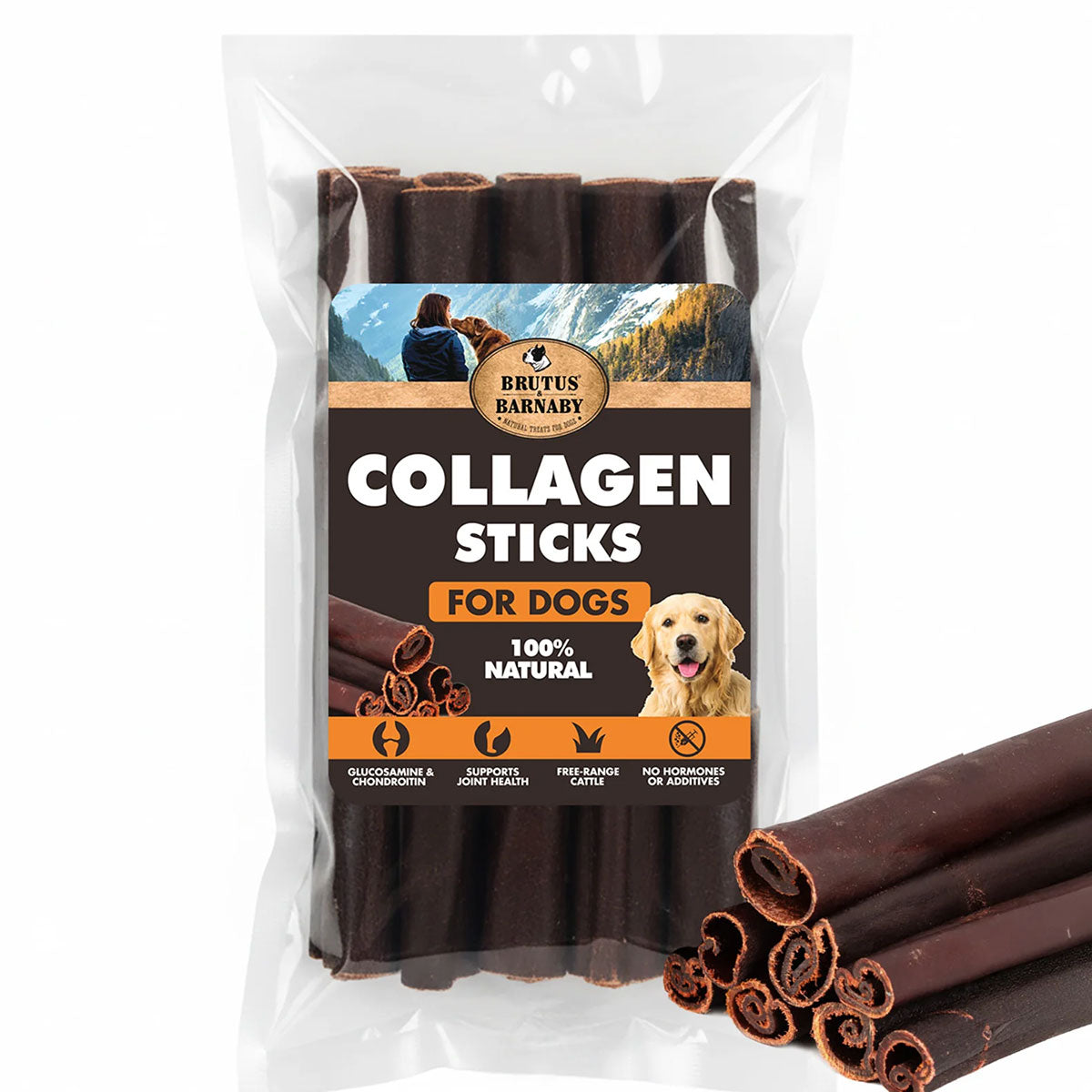
Beef Collagen Sticks
Rich in structural proteins to support joint and skin health while offering a pliable, long-lasting chew experience.
Shop Collagen Sticks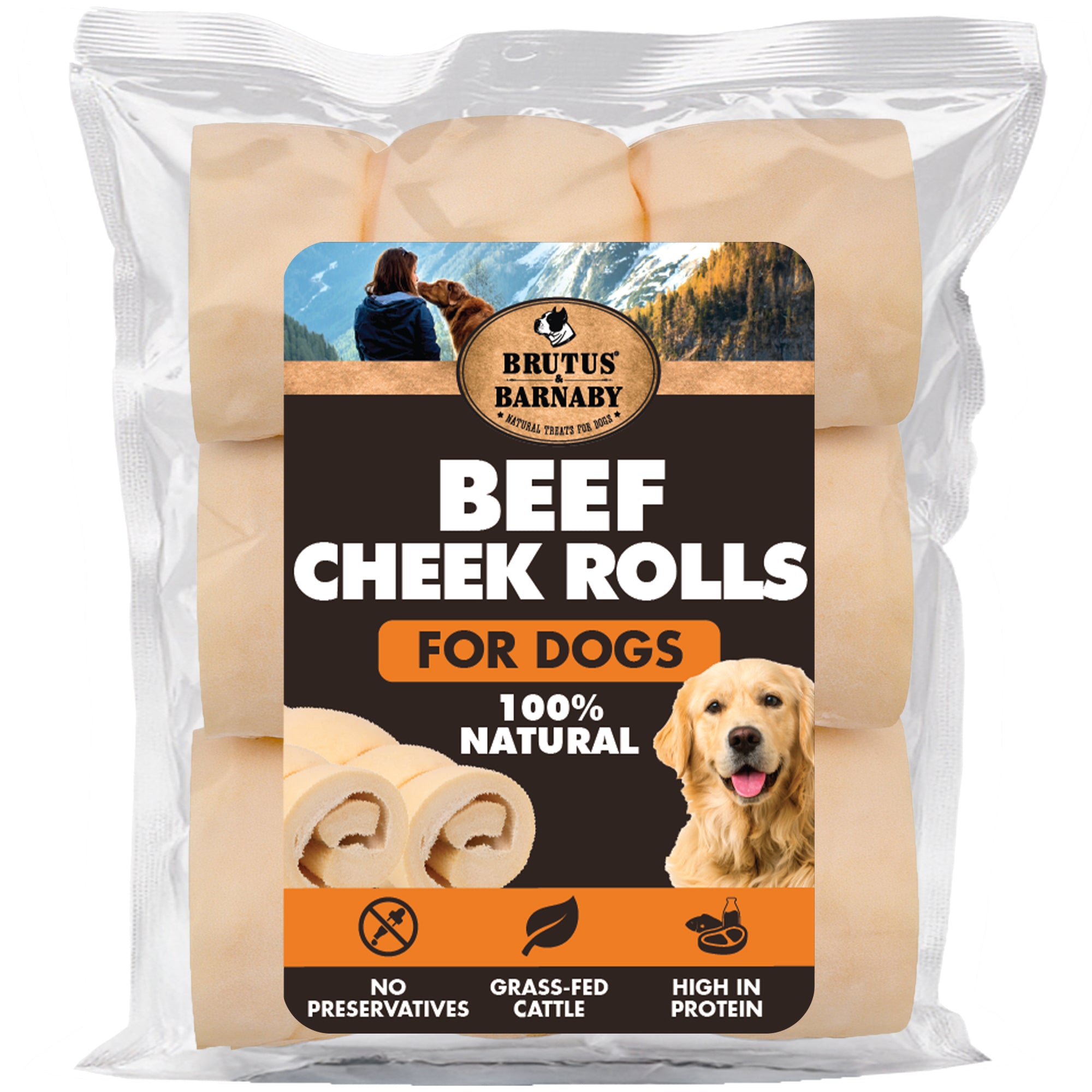
Beef Cheek Rolls
Naturally puffy and fibrous. They expand and soften with saliva, making them extremely tough yet safe for small jaws.
Shop Beef Cheek Rolls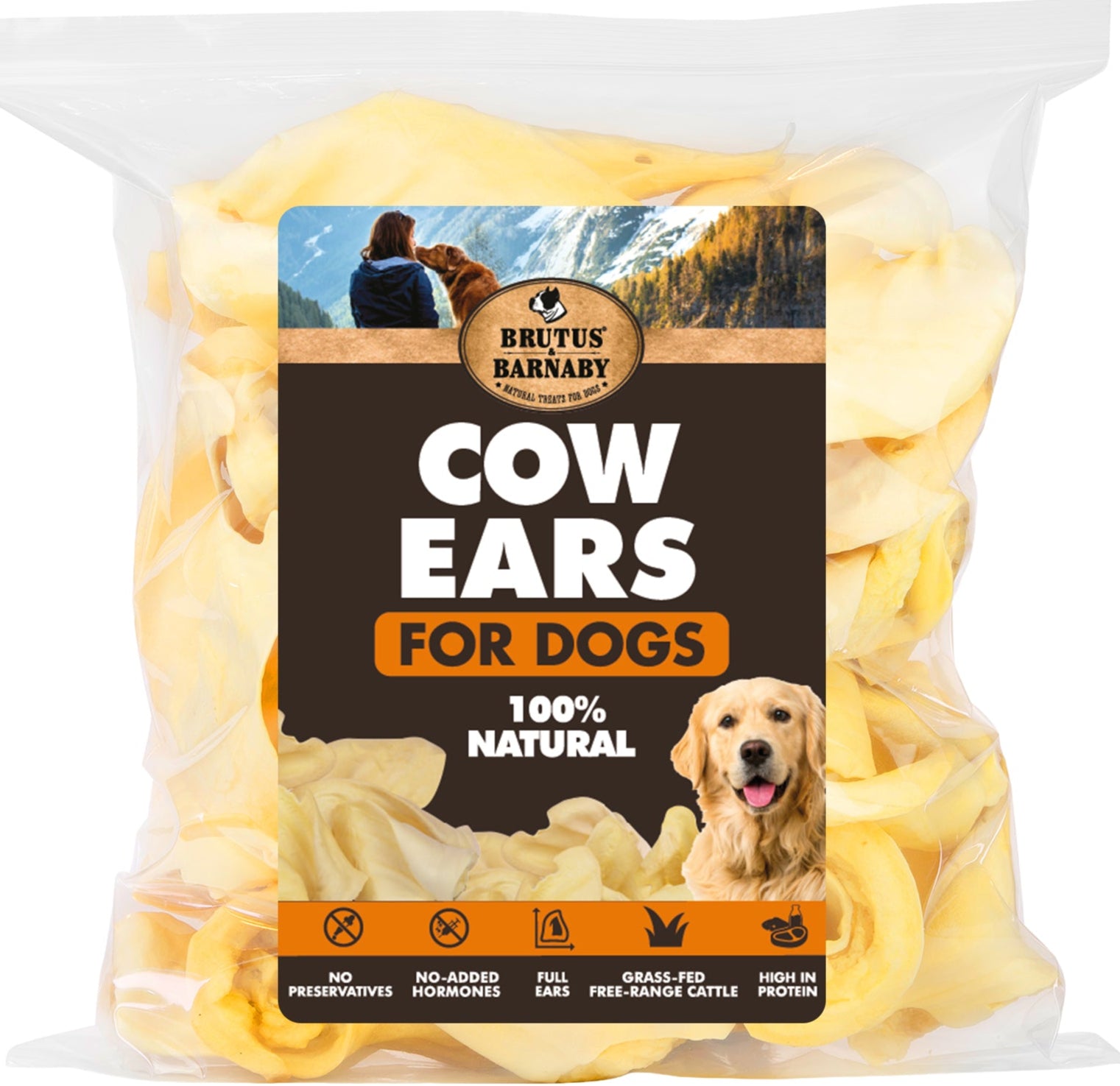
Natural Cow Ears
Low in fat, fully digestible, and highly satisfying. A lighter alternative to heavy rawhides.
Shop Cow EarsLooking for Lighter Treats or Quick Reward Sessions?
For shorter chewing sessions or sensitive stomach days, lighter alternatives keep small dogs engaged without overtaxing their digestion:
- Beef Gullet Sticks: Naturally rich in glucosamine, lighter than bully sticks, and easy on small digestive tracts.
- Beef Lung Bites & Filets: Crispy, single-ingredient rewards that snap easily into smaller portions.
- 100% USA Chicken Jerky: Lean, high-protein treat strips made from solid breast meat.
- Vegan Peanut Butter & Banana Treats: Plant-based rewards perfect for gentle rewards during training.
Veterinary & Regulatory Safety Guidance
According to guidelines from the World Small Animal Veterinary Association (WSAVA) and global veterinary dental societies, dog owners should avoid bone-hard items that lack flexibility. Gastrointestinal blockages and tooth fractures remain among the top emergency room visits for small dogs. Selecting fully digestible, natural animal-tissue chews (such as unbleached beef cheek or high-grade collagen) dramatically reduces these emergency risks when combined with active owner oversight.
Frequently Asked Questions
Are bully sticks safe for small breed puppies?
Yes, provided the puppy has its full set of adult teeth or strong adult-stage milk teeth (typically 12–16 weeks+). Always choose an appropriately sized stick and supervise closely to prevent gulping.
Why should I avoid traditional rawhide for my small dog?
Traditional rawhide is often processed with harsh chemical baths and is highly indigestible. When swallowed in large pieces, rawhide swells in the stomach, creating a high risk for life-threatening intestinal blockages.
How long should I let my small dog chew at one time?
Chewing sessions of 15 to 30 minutes are ideal. This prevents jaw fatigue, controls excess calorie intake, and prevents GI upset from consuming too much rich protein at once.
What is the difference between Collagen Sticks and Bully Sticks?
Collagen sticks come from the inner dermis layer of cattle hide and are rich in joint-supporting collagen. They tend to last slightly longer and produce less odor than traditional bully sticks while remaining fully digestible.
What should I do if my dog swallows a chew piece whole?
If your dog appears to be choking, coughing, or struggling to breathe, seek immediate emergency veterinary care. If they swallowed a small piece of a fully digestible chew (like collagen or cheek), monitor them closely over the next 24-48 hours for lethargy, vomiting, or loss of appetite.
Can long-lasting chews replace daily tooth brushing?
While natural chews significantly help reduce plaque and tartar build-up through mechanical abrasion, they work best as a supplement to regular brushing and professional veterinary oral care.
Give Your Small Dog a Safe, Long-Lasting Chew They’ll Love
Protecting your small dog's teeth and stomach doesn't mean skipping chew time. Explore Brutus & Barnaby’s selection of 100% natural, single-ingredient, highly digestible dog chews engineered for safety and maximum enjoyment.
Shop Safe Small Dog ChewsDisclaimer: This content is for educational purposes only and does not substitute for professional veterinary advice, diagnosis, or treatment. Always consult your veterinarian before introducing new treats or chews to your pet's diet, especially if your dog has existing health conditions or dental issues.