



Chicken vs. Sweet Potato Training Treats: Comparing Ingredients, Texture and Reward Value
Chicken and sweet potato treats can both reward good behavior, but their ingredients, textures, and appeal differ. Learn which treats work best for training sessions, how to compare labels, and when combining both flavors makes sense.
Quick answer: Chicken treats are often appealing for training because their meaty flavor and aroma can motivate food-focused dogs. Sweet potato treats provide a plant-based alternative with naturally occurring carbohydrates and fiber. However, ingredient type alone does not determine training effectiveness. Softness, portion size, calorie content, and your dog's individual preferences matter more. A soft chicken-and-sweet-potato training treat can combine both flavors in a convenient reward format.
Chicken vs. Sweet Potato Training Treats: What Actually Matters?
Training rewards need to accomplish two things: motivate your dog and allow you to reward behaviors promptly. A treat that takes several seconds to chew may interrupt rapid repetitions, even if your dog loves the flavor.
Chicken-based rewards usually emphasize animal protein, while sweet potato-based treats feature a carbohydrate-rich vegetable. Some recipes combine both. For guidance on selecting manageable rewards, see our training treats for small dogs article.
Simple rule: choose a treat your dog genuinely enjoys, can eat comfortably, and can finish quickly. Save especially exciting rewards for challenging behaviors and use smaller, familiar rewards for routine practice.
Chicken vs. Sweet Potato Dog Treats: Side-by-Side
Both ingredients can fit into reward-based training. The most important differences involve the complete recipe, finished texture, and how your dog responds during practice.
These are general tendencies, not guarantees. A soft sweet potato training bite may work better than a large piece of chicken jerky during fast-paced practice. The American Kennel Club's training treat guide emphasizes small rewards that dogs can eat quickly.
Chicken-Based Rewards for Motivating Training Sessions
Chicken flavors may be especially useful when your dog needs additional motivation to respond around distractions. Choose a format that matches the pace of your session, rather than assuming every meaty treat is suitable for repeated rewards.

Training Treats for Dogs | Sweet Potato & Chicken Soft Dog Treats
Soft training treats combining sweet potato and chicken flavors in an easy-to-offer format. A practical choice for teaching commands, practicing recall, and rewarding everyday good behavior.
- Soft bites for quick training rewards
- Combines chicken and sweet potato flavors
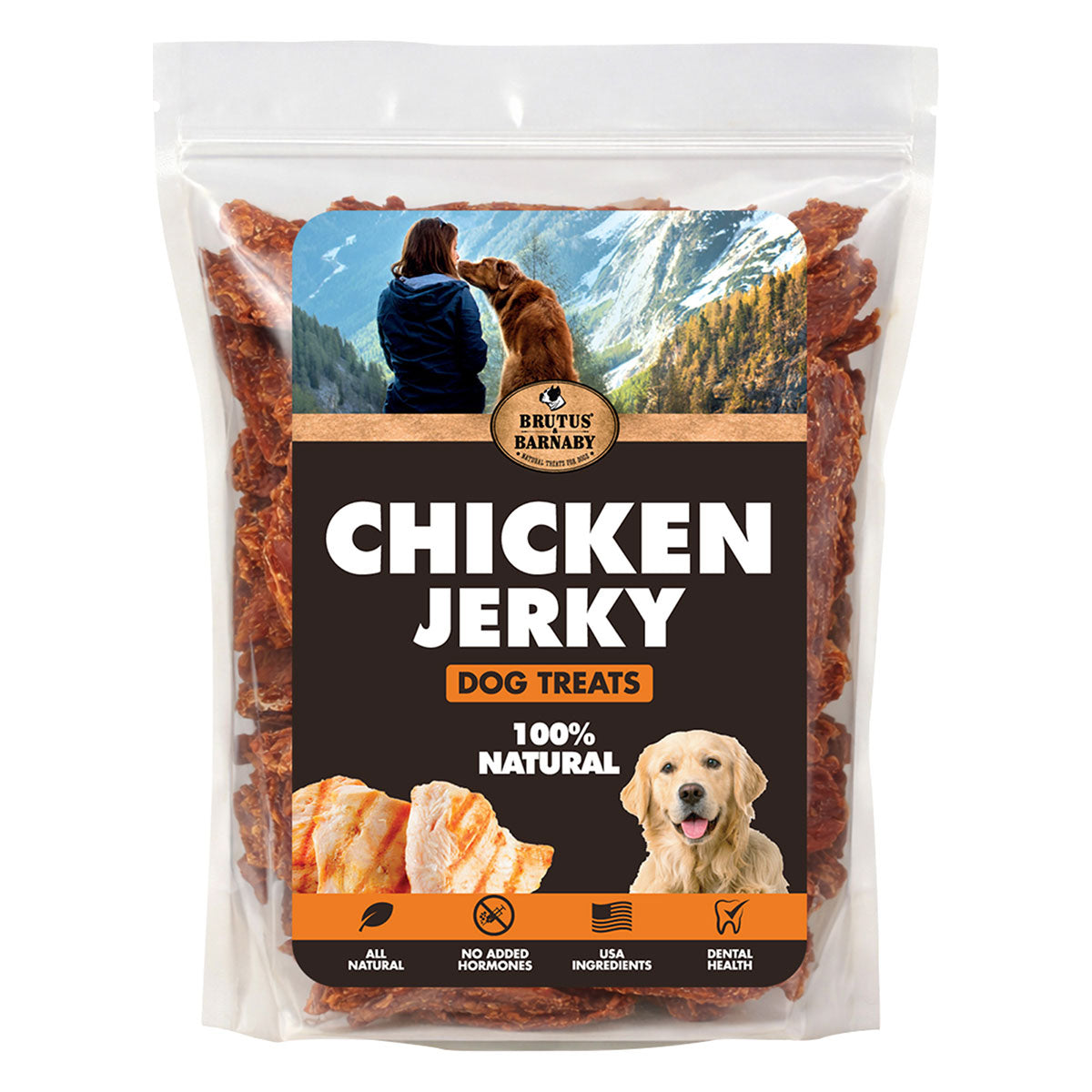
Chicken Breast Jerky
A chicken-focused jerky treat for dogs that enjoy savory rewards. Offer appropriately sized pieces during supervised practice or reserve it for particularly successful training moments.
- Chicken breast meat-based treat
- Useful as an occasional high-interest reward
When Sweet Potato Treats Make More Sense
Sweet potato treats offer a different flavor profile from chicken. Their naturally occurring carbohydrates and fiber can be part of a varied treat selection, although processing, added ingredients, and moisture content influence the final product. Firmer dried pieces are generally better suited to occasional rewards than rapid-fire training.
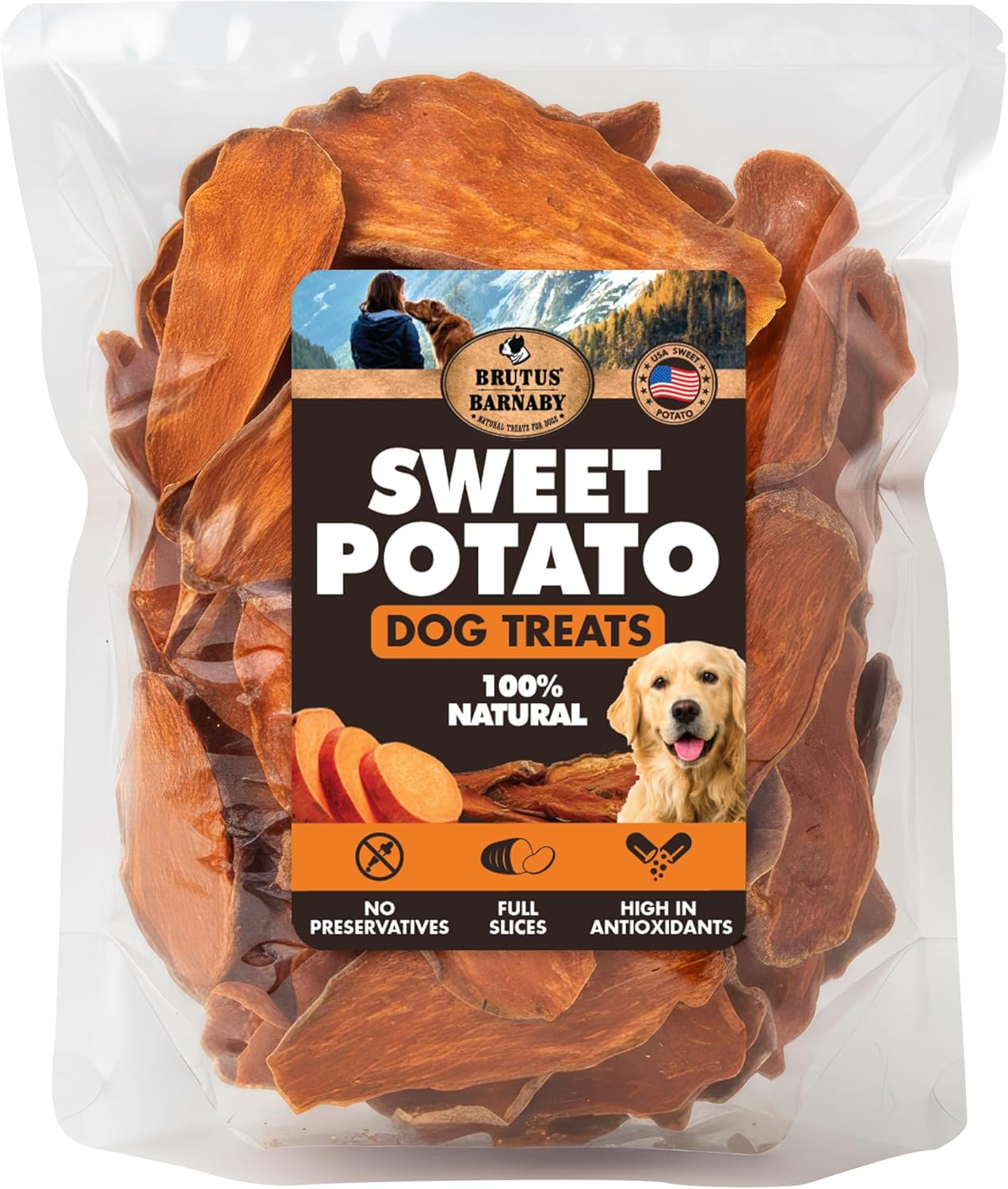
Sweet Potato Slices
A firm, naturally sweet vegetable-based treat for dogs that enjoy a more substantial snack. Better suited to relaxed reward moments than continuous, fast-paced training repetitions.
- Vegetable-based alternative to meaty treats
- Firm texture for slower reward moments
Chicken Treats May Be Better If...
- Your dog strongly prefers savory flavors
- You need a more motivating reward
- Your dog tolerates chicken ingredients
Sweet Potato Treats May Be Better If...
- Your dog enjoys vegetable-based snacks
- You want additional flavor variety
- You prefer a slower reward moment
Texture, Ingredients and Calories Matter More Than Flavor Alone
A soft chicken-and-sweet-potato training bite may be easier to use during repeated commands than either a firm dried sweet potato slice or a chewy jerky strip. Regardless of flavor, offer pieces appropriate for your dog's size and ability to chew. Do not assume that every product featuring sweet potato is free from animal ingredients or that every chicken product contains only chicken.
Read the complete ingredient list and calorie information before choosing a new reward. Dogs with known food allergies, sensitive digestion, or prescribed diets may require additional care. Introduce unfamiliar treats gradually, and count all rewards toward the daily food allowance. The right training treat should be motivating without displacing balanced meals.
How to Choose the Right Training Treat for Each Situation
Instead of choosing one reward for every situation, match the treat to the behavior and environment. Your dog's preferences should guide the final choice. Reward value can change when distractions increase or when a particular flavor becomes too familiar.
Reward value is individual. Some dogs work enthusiastically for small pieces of their usual food, while others prefer something different. You can test two suitable treats during easy exercises and observe which produces consistent, comfortable responses. Avoid repeatedly increasing treat size simply to hold your dog's attention.
VCA Animal Hospitals recommends keeping treats within approximately 10% of a dog's daily calorie intake, with the remainder coming from a complete and balanced diet. Review its guidance on treats and daily calories when planning repeated training sessions.
Safety note: supervise treat consumption, use appropriately sized pieces, and avoid offering firm or large pieces to dogs that struggle to chew them safely. Introduce new ingredients gradually, provide fresh water, and contact your veterinarian if an unfamiliar treat causes concerning reactions.
Frequently Asked Questions
Make Every Training Reward Count
Give your dog a reward worth working for. Explore soft sweet potato and chicken training treats that bring together familiar flavors in a convenient format for practicing commands, encouraging focus, and celebrating everyday progress.
Shop Training Treats