

How to Choose Dog Treats for Puzzle Toys and Snuffle Mats: Size, Texture and Cleanup
The right treats make puzzle toys and snuffle mats more enjoyable without creating unnecessary mess. Learn how to compare treat size, texture, ingredients, and cleanup needs so your dog can enjoy rewarding enrichment activities.
Quick Answer: The best dog treats for puzzle toys and snuffle mats are appropriately sized, easy to retrieve, and compatible with the toy's design. Small, dry, nonsticky pieces usually work best for snuffle mats and treat-dispensing puzzles. Soft treats can work in accessible compartments, while crumbly or oily treats may require additional cleanup. Always account for treat calories, supervise play, and choose pieces your dog can safely eat.
Why Treat Size and Texture Matter for Dog Enrichment
Puzzle toys and snuffle mats encourage dogs to work for food through sniffing, searching, and problem-solving. However, not every treat works equally well. Oversized pieces can become trapped inside dispensers, while sticky rewards can cling to fabric or narrow compartments.
Choosing the right texture makes enrichment easier to manage. For additional guidance, explore our articles on different dog treat textures and using treats effectively during dog training.
Simple rule: choose small, relatively dry treats for snuffle mats and narrow dispensers. Use soft, easy-to-handle pieces in accessible puzzle compartments, and reserve larger chews for separate supervised chewing activities.
Best Dog Treat Textures for Puzzle Toys and Snuffle Mats
Use this practical comparison to match common treat textures with your dog's enrichment activity.
Dry treats are often easier to handle, but the toy's instructions should determine which foods are appropriate. A treat that works in an open puzzle tray may not pass through a narrow dispensing hole. Test a small amount before filling the entire toy.
Best Training Treats for Dog Puzzle Toys
Training treats can be practical enrichment rewards because their small format makes portion planning easier. Choose pieces that fit your specific puzzle without becoming wedged inside.

Training Treats – Sweet Potato & Chicken
A convenient training reward for filling accessible puzzle compartments. The small treat format supports manageable portions while giving dogs something appealing to find during supervised enrichment sessions.
- Convenient for repeated puzzle rewards
- Check fit and texture before loading
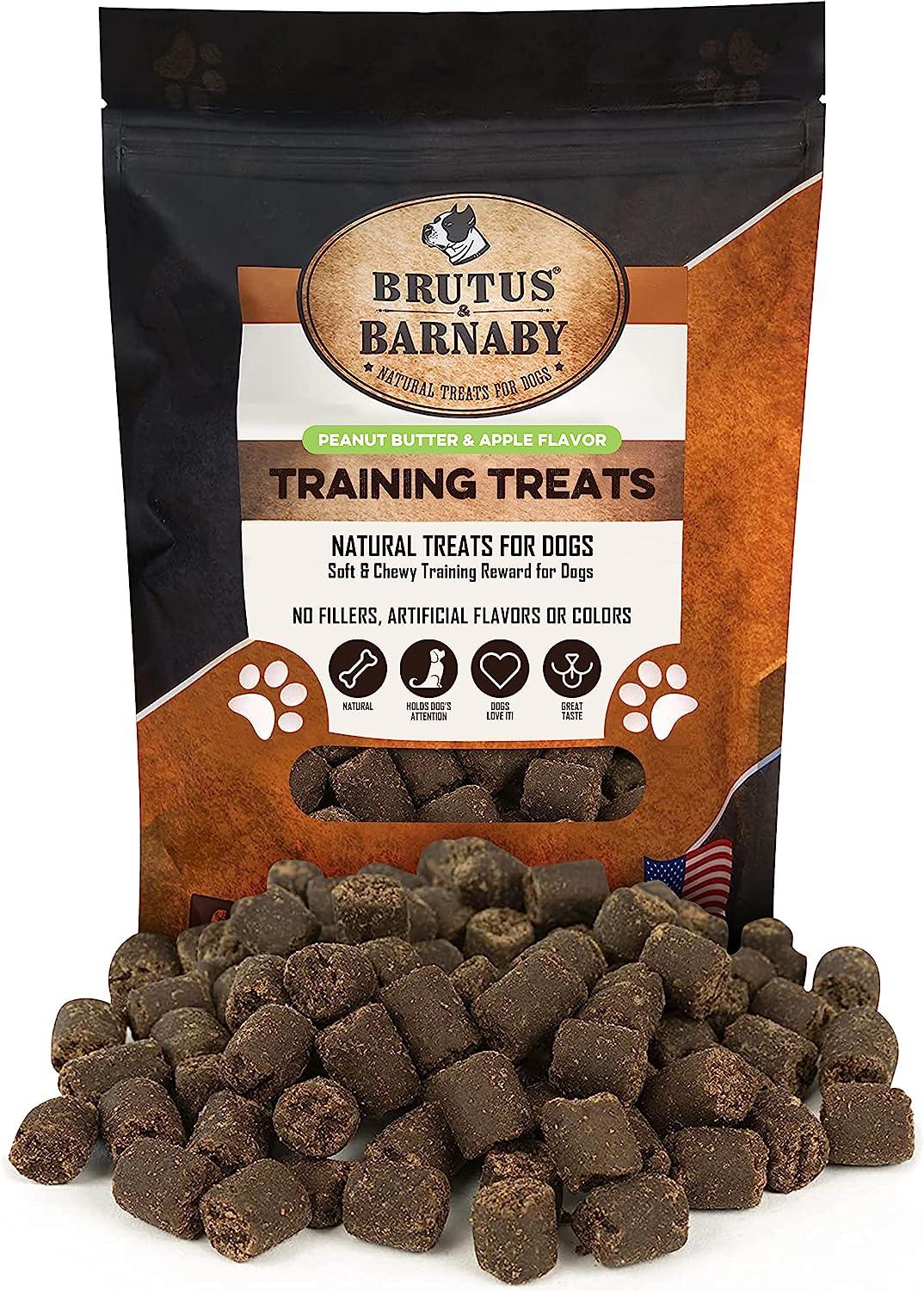
Training Treats – Peanut Butter & Apple
A plant-based flavored training treat that offers variety for puzzle activities. Use appropriately sized pieces in easy-to-access compartments and check the toy for remaining residue afterward.
- Peanut butter and apple flavor combination
- Useful for rotating enrichment rewards
Choosing Treats for Snuffle Mats and Scent Games
Snuffle mats contain fabric folds that encourage dogs to search with their noses. Small dry food pieces are usually the easiest option because they can be scattered throughout the material without adding moisture. Breakable meat treats may also work when pieces are not sharp, sticky, or difficult to retrieve.
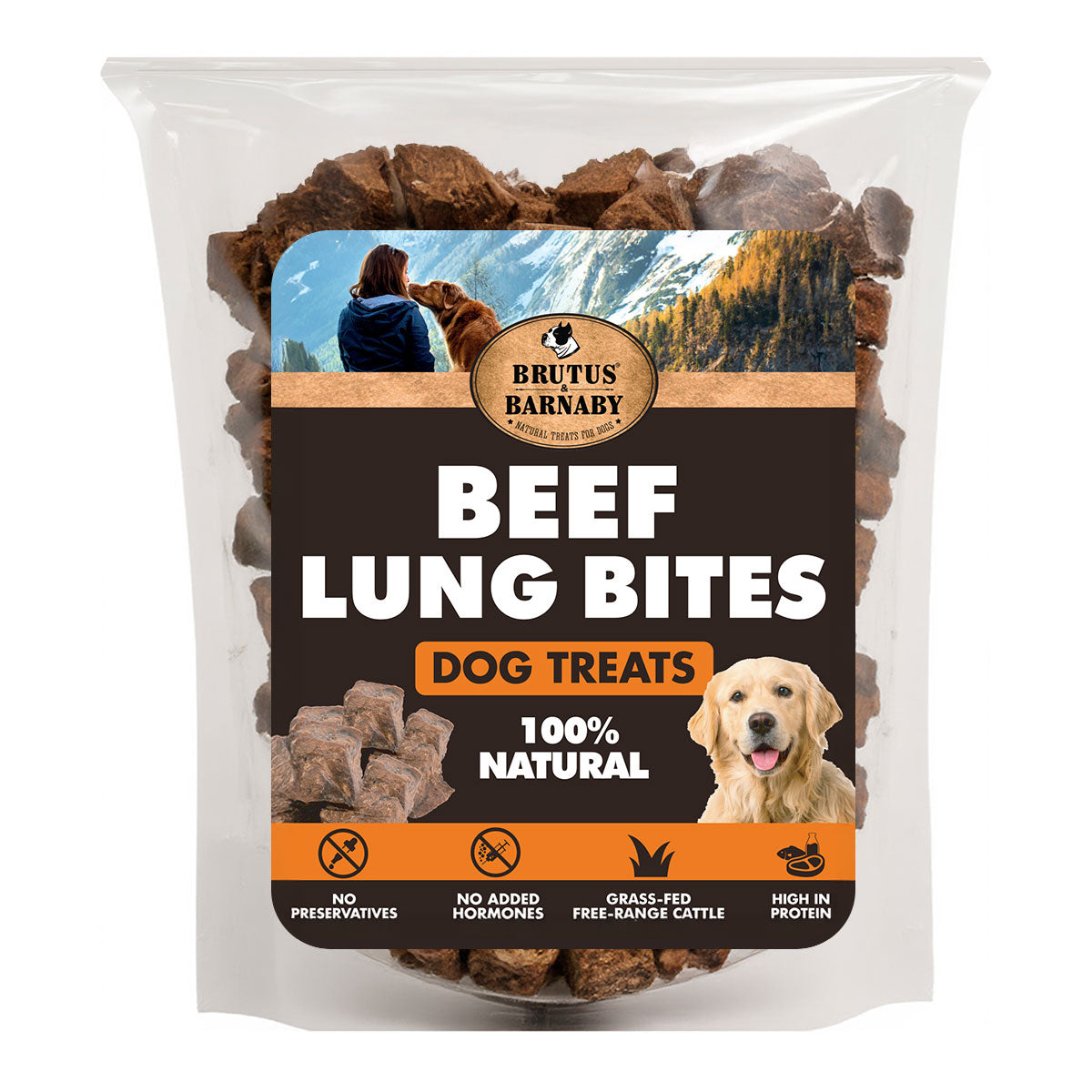
Beef Lung Bites
A beef-based reward option for dogs who enjoy meaty treats. Select suitably small pieces for accessible snuffle mat folds, and remove crumbs after each enrichment session.
- Meaty option for scent-based rewards
- Portion to suit the mat and your dog
Snuffle Mats Work Best With...
- Small, dry food pieces
- Treats that do not cling to fabric
- Portions hidden in accessible folds
Puzzle Toys Work Best With...
- Pieces that fit the compartments
- Textures approved for the toy
- Rewards that release without force
Important Considerations: Treat Size, Calories and Cleanup
Start with your dog's size and eating habits rather than choosing the smallest possible pieces automatically. Rewards should be easy to eat individually and should not encourage gulping. Avoid forcing treats into narrow openings, and never modify a toy in ways that create loose or swallowable parts. Supervise your dog, especially when introducing a new enrichment activity.
Remember that every treat contributes calories, even when hidden inside a toy. VCA Animal Hospitals explains that treats should generally represent no more than 10% of daily calories. Set aside part of your dog's regular food for enrichment when appropriate, rather than continually adding extra snacks.
Cleanup matters, too. Shake crumbs from snuffle mats, inspect fabric folds for trapped food, and wash according to the manufacturer's instructions. Clean puzzle compartments after use, particularly when treats leave moisture or oily residue. Dry washable items completely before storing them to help prevent unwanted odors and moisture buildup.
A Practical Guide to Filling Dog Puzzle Toys
Start with simple setups before making the activity more challenging. The goal is to encourage comfortable searching and problem-solving, not to frustrate your dog or make food impossible to retrieve.
Safety note: supervise enrichment activities, inspect toys and mats for damaged components, and remove the activity if your dog begins tearing or swallowing the material. Choose food sizes that match your dog's chewing and swallowing abilities, and follow the toy manufacturer's guidance.
Frequently Asked Questions
Make Every Enrichment Session More Rewarding
Find natural training treats and meaty rewards for your dog's favorite enrichment activities. Choose suitable sizes, keep portions manageable, and make puzzle time an enjoyable part of your dog's routine.
Shop Natural Training Treats