



How to Use Dog Treats for Place Training: Teaching Your Dog to Settle on a Mat
Place training teaches your dog to go to a designated mat or bed and relax there. Learn how to use small dog treats, positive reinforcement, and simple training steps to build a reliable settling routine without overfeeding.
Quick Answer: To use dog treats for place training, begin by rewarding your dog for approaching and stepping onto a mat. Gradually reward all four paws on the mat, then relaxed sitting or lying down. Deliver small treats directly on the mat, introduce a consistent cue such as "place," and build duration slowly. Keep sessions short, reward calm behavior, and use a clear release word when the exercise ends.
What Is Place Training for Dogs?
Place training teaches your dog to move to a specific location, such as a mat, bed, or designated resting area, when given a cue. The goal is to help your dog understand where to settle while you cook, work, welcome visitors, or enjoy a quiet moment at home.
The most effective approach rewards voluntary behavior rather than forcing your dog to remain in position. Our dog training tips guide explains the importance of consistent rewards, while our dog treat reward ladder helps you choose appropriate rewards for different training situations.
Simple rule: Reward your dog for choosing the mat, remaining comfortably on it, and showing relaxed behavior. Increase the difficulty gradually, and always use a clear release cue so your dog understands when the exercise has finished.
Choosing the Best Dog Treats for Place Training
The right training reward should encourage your dog without interrupting the calm behavior you want to reinforce. Small, easy-to-chew pieces are generally more practical than large snacks or long-lasting chews during the early learning stages.
| Treat Type | Best Training Use | Practical Consideration |
|---|---|---|
| Small soft training treats | Frequent rewards for stepping onto the mat. | Choose manageable pieces that are quick to eat. |
| Regular kibble | Everyday practice in familiar surroundings. | Use part of the dog's measured daily food. |
| Small meaty treat pieces | More motivating rewards when learning is difficult. | Break into suitable pieces when safe to do so. |
| Crunchy treats | Occasional rewards for dogs that enjoy crunch. | Consider chewing time and crumbs on the mat. |
| Long-lasting chews | Separate supervised enrichment after training. | Not ideal for rapid, repeated training rewards. |
Treat value depends on your dog's individual preferences. A familiar reward may work well in a quiet room, while a more appealing treat may be helpful when practicing around mild distractions. Reward calmness with quiet delivery rather than excited praise that interrupts settling.
Small Treats for Teaching Your Dog to Settle
Brutus & Barnaby offers soft training treats that fit naturally into short positive-reinforcement sessions. Choose a flavor your dog enjoys, offer appropriately sized portions, and place rewards directly on the mat to reinforce the location.

Training Treats for Dogs | Peanut Butter & Banana Soft Dog Treats
Soft peanut butter and banana training treats offer a convenient reward for reinforcing early mat interactions, relaxed sitting, and successful responses to your dog's place cue.
- Soft bites for quick reward delivery
- Useful for repeated positive reinforcement

Training Treats for Dogs | Sweet Potato & Chicken Soft Dog Treats
These soft sweet potato and chicken training treats provide another reward option for practicing mat placement, building duration, and reinforcing quiet responses during short training sessions.
- Soft texture for quick training rewards
- Convenient for frequent reward-based practice
How to Teach Your Dog to Go to Their Mat
Begin in a quiet room with a comfortable, nonslip mat large enough for your dog to lie on naturally. Place it on the floor and allow your dog to investigate. Reward interest in the mat, then gradually wait for more complete interactions before delivering the next treat.
Once your dog willingly steps onto the mat with all four paws, reward that behavior several times. Introduce the word "place" when your dog is reliably performing the action. Gradually encourage sitting or lying down, reward relaxed positions, and introduce a release cue such as "free" before inviting your dog away.
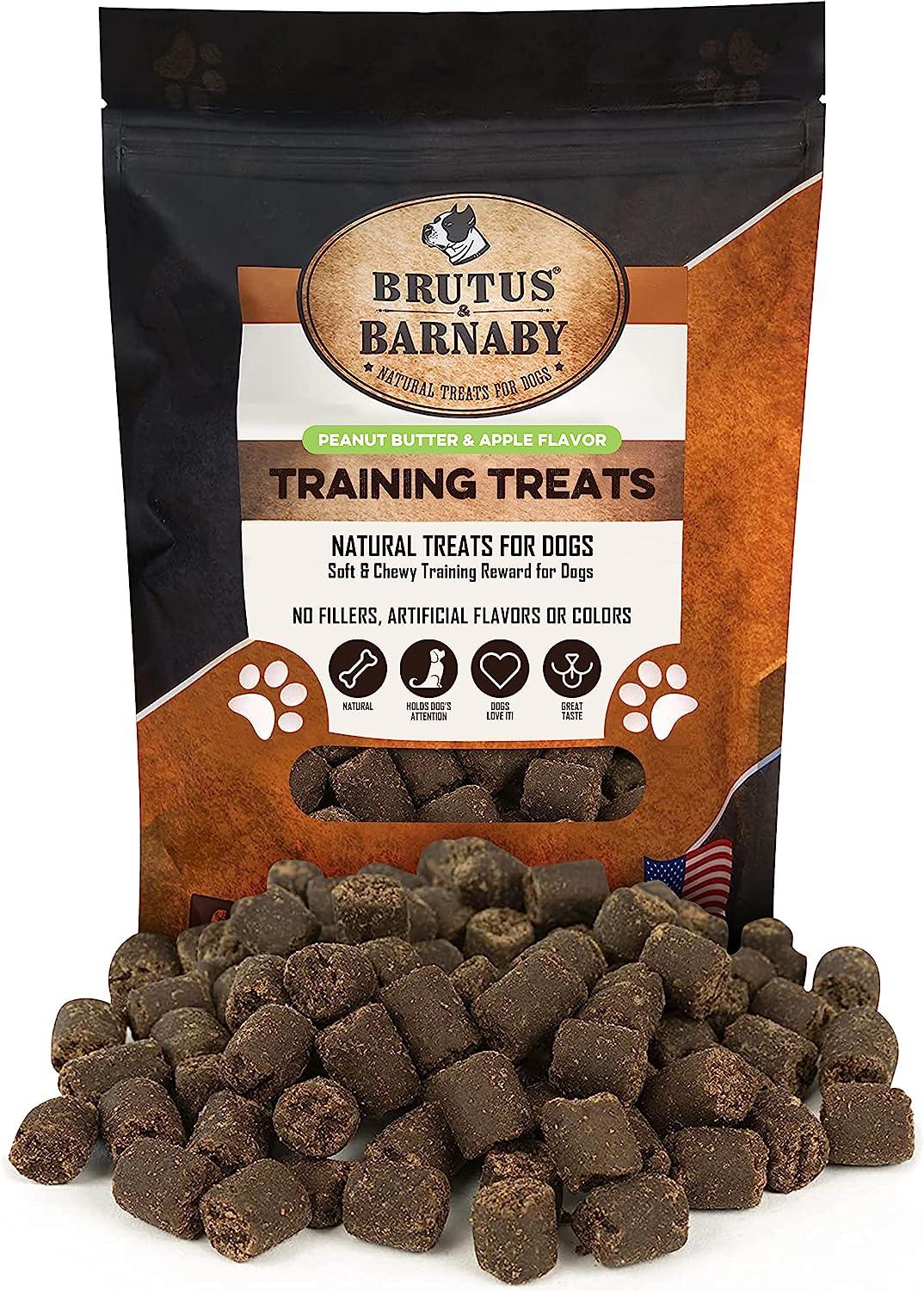
Training Treats for Dogs | Peanut Butter & Apple Soft Dog Treats
Peanut butter and apple soft training treats offer another flavor choice for reinforcing voluntary mat visits and practicing the place cue during positive, low-distraction training sessions.
- Soft pieces suitable for quick rewards
- Alternative flavor for reward variety
Helpful Training Habits
- Reward directly on the mat to reinforce the location.
- Practice in a quiet area before adding distractions.
- Use the same place and release cues consistently.
Common Mistakes to Avoid
- Expecting long periods of settling immediately.
- Repeating commands when the dog is confused.
- Forcing the dog to remain on the mat.
As your dog becomes comfortable with the exercise, reward moments of genuine relaxation, such as lying quietly with loose body posture. The American Kennel Club's place-training guide offers additional guidance on building the behavior through gradual reinforcement.
How Often Should You Reward Your Dog During Place Training?
In the beginning, reward successful interactions frequently enough that your dog understands what earns a treat. This may mean rewarding a paw on the mat, then all four paws, followed by a brief sit or down. Once the behavior becomes reliable, gradually increase the time between rewards while keeping the experience positive.
Avoid increasing distance, duration, and distractions simultaneously. If your dog repeatedly leaves the mat, make the exercise easier. Return to a shorter duration, reduce background activity, and reward success before asking for more.
Training treats count toward your dog's daily calorie intake. As a general guideline, treats and other supplemental foods should provide no more than about 10% of daily calories. You can also use measured portions of regular kibble when appropriate. Read VCA Animal Hospitals' guidance on using food rewards for training for additional feeding considerations.
Never use the mat as punishment or physically hold your dog in place. If settling is especially difficult because of fear, distress, discomfort, or persistent restlessness, consider guidance from your veterinarian or a qualified reward-based trainer.
A Simple Step-by-Step Place Training Routine
The following progression can help you build a place-training routine without rushing your dog. Move forward based on your dog's understanding rather than following a rigid daily schedule. Repeat earlier steps whenever the exercise becomes too difficult.
| Training Stage | What to Reward | When to Progress |
|---|---|---|
| 01 — Explore | Looking at, sniffing, or stepping onto the mat. | When your dog approaches willingly. |
| 02 — Go to Place | All four paws on the mat after a cue. | When the response is consistent. |
| 03 — Settle | Comfortable sitting, lying down, or relaxing. | When brief calm periods become reliable. |
| 04 — Build Duration | Remaining relaxed through slightly longer intervals. | When your dog succeeds without distress. |
Important training note: Keep the mat comfortable and the exercise voluntary. Use appropriately sized treats, supervise feeding, and provide fresh water. Avoid leaving your dog unattended with chews or using food to force prolonged settling. Stop the session if your dog appears distressed, uncomfortable, or frustrated.
Frequently Asked Questions
Begin by rewarding your dog for approaching and stepping onto a designated mat. Gradually reward all four paws on the mat, introduce a consistent place cue, and reinforce comfortable sitting or lying down. Build duration slowly and use a clear release word to end each repetition.
Small, soft, easy-to-chew treats are often useful because they allow quick, quiet reward delivery. Regular kibble may also work for dogs motivated by their usual food. Choose rewards your dog enjoys and adjust portions to fit their individual calorie needs.
Learning time varies with your dog's age, experience, environment, and individual temperament. Some dogs understand stepping onto a mat quickly but need additional practice to remain relaxed. Focus on short successful sessions rather than expecting a particular result within a fixed number of days.
Reduce the difficulty of the exercise. Reward shorter periods on the mat, remove distractions, and ensure the resting surface is comfortable. Avoid scolding or physically returning your dog. Consistent reinforcement and gradual increases in duration can help build understanding.
You can gradually reduce how frequently food rewards are given once the behavior is reliable. Continue reinforcing successful settling with occasional treats, quiet praise, or other rewards your dog values. Avoid removing reinforcement suddenly, especially when introducing new environments or distractions.
Make Every Small Training Win Count
Build a positive place-training routine with soft training treats from Brutus & Barnaby. Reward small steps, practice consistently, and help your dog learn that settling on their mat can be a comfortable, rewarding experience.
Shop Dog Training Treats