


Why Does My Dog Eat Treats but Ignore Kibble? Common Reasons and Feeding Tips
If your dog happily accepts snacks but walks away from their regular food, there may be more going on than picky eating. Learn common reasons for kibble refusal, when to call your veterinarian, and practical ways to make mealtimes more consistent.
Quick answer: Dogs may prefer treats because they smell stronger, taste more exciting, or arrive as a reward. They may also be full from snacks, dislike their kibble’s texture, or have learned that waiting brings something better. However, suddenly refusing meals can signal dental pain, nausea, or another health problem. If appetite changes unexpectedly, prioritize veterinary advice rather than assuming your dog is just being stubborn.
Why Does My Dog Eat Treats but Ignore Kibble?
Treats often deliver more concentrated aromas and a different texture than dry dog food. A dog that eats a few savory bites may still turn down a full bowl of kibble, especially after frequent handouts or a large snack. Food storage, stale kibble, anxiety around the bowl, and changes in routine can also affect willingness to eat.
Start by noticing when the problem began, whether your dog is losing weight, and what happens when you offer a usual meal. For more guidance, see VCA’s advice on feeding picky dogs and NC State Veterinary Hospital’s picky-eater tips. Both emphasize ruling out medical problems before treating refusal as a habit.
Simple rule: Make complete, balanced dog food the foundation of the diet. Use treats and toppers sparingly, never as an automatic replacement each time your dog skips kibble.
Common Reasons a Dog Refuses Kibble but Eats Treats
Use these clues to identify possible causes. No single sign can confirm the reason, and a new or persistent appetite change deserves a veterinary check.
A dog still taking a favorite treat is not proof they feel well. Dental discomfort and digestive problems can change what textures and portions they tolerate. If the behavior is new, escalating, or accompanied by symptoms, contact your veterinarian.
Use Small Food Toppers to Make Kibble More Appealing
A small, measured topper can add aroma without replacing the nutrients your dog needs from complete and balanced food. Mix it thoroughly into kibble rather than sprinkling a large pile on top, and include topper calories in the day’s total.

Beef Liver Food Topper
A savory beef liver topper that can bring a more interesting aroma to a regular meal. Begin with a small amount mixed into your dog’s usual kibble.
- Mix into regular kibble
- Use measured, modest portions
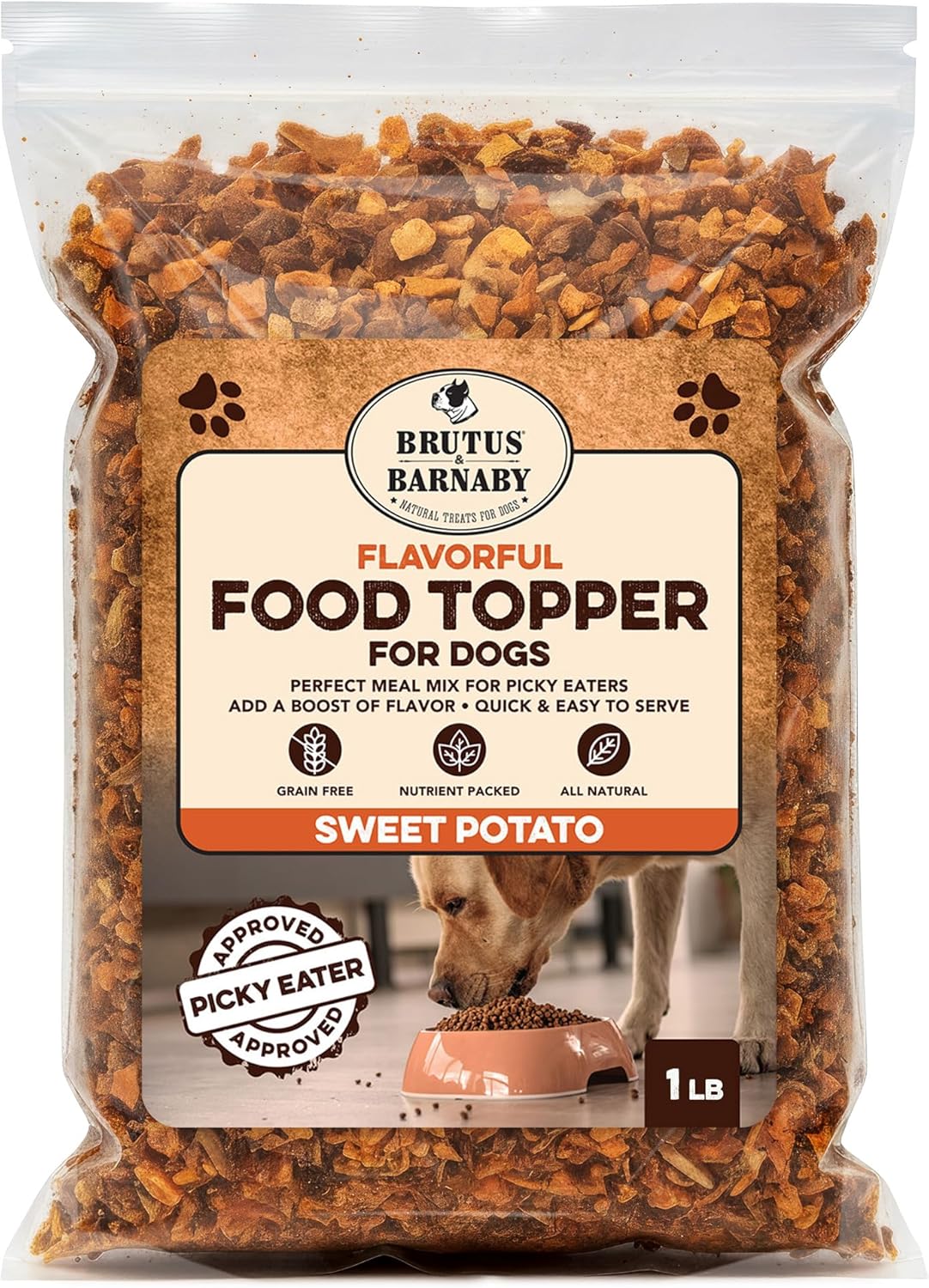
Sweet Potato Food Topper
A sweet potato-based option for dogs that respond to different flavors. Use it as a light meal enhancement, not a replacement for a balanced diet.
- Try a light, even coating
- Introduce gradually and watch stools
How to Use Treats Without Ruining Your Dog’s Appetite
Reserve most rewards for training or after a successful meal. If your dog enjoys food puzzles, you can also use part of their measured kibble portion in a simple enrichment feeder. An intentional routine helps separate meals from snacks.

Sweet Potato & Chicken Training Treats
These convenient training bites can support short reward sessions. Keep pieces small and include them in your dog’s daily treat allowance so they do not crowd out meals.
- Save for brief training rewards
- Count toward the daily treat budget
Helpful Feeding Habits
- Serve meals at consistent times
- Feed in a quiet place
- Measure snacks and kibble
Habits Worth Avoiding
- Offering treats instead of missed meals
- Repeatedly changing foods each day
- Leaving tempting extras out all day
When Kibble Refusal May Be More Than Picky Eating
If your dog suddenly stops eating their normal meals, watch for vomiting, diarrhea, fatigue, drooling, pawing at the mouth, trouble chewing, or unexpected weight changes. Dogs with dental pain sometimes accept small or soft treats while rejecting hard kibble. Treat acceptance does not rule out illness.
Contact your veterinarian promptly for sudden or persistent refusal, particularly in puppies, seniors, dogs with health conditions, or dogs showing other symptoms. VCA’s veterinary feeding guide recommends checking for underlying medical problems first. Do not attempt to solve a potentially medical appetite problem by withholding food or cycling through increasingly rich treats.
A Simple Plan for Getting Back to Regular Meals
Once your veterinarian has ruled out a health concern, focus on predictable meals and appropriate portions. The WSAVA treat-feeding guide recommends treats make up no more than 10% of daily calories; that allowance also includes extras used as toppers.
Important: Do not use a wait-it-out approach for puppies, dogs with diabetes or other medical needs, or pets showing illness. Ask your veterinarian about any sudden refusal, prolonged lack of eating, or change in behavior. Keep water available.
Frequently Asked Questions
Make Mealtime More Inviting, One Small Step at a Time
Regular, balanced meals come first. When your dog needs a little extra aroma, consider a small measured food topper alongside a consistent feeding routine and veterinary guidance for any concerning appetite changes.
Shop Dog Food Topper