



Beef Cheek Rolls vs Bully Sticks: Digestibility, Duration & Safety Compared
Choosing the right natural chew involves balancing chew duration, digestive safety, caloric density, and dental benefits. This guide breaks down the science behind beef cheek rolls and bully sticks so you can make an informed choice for your dog.
Finding a natural, long-lasting chew that keeps your dog engaged without causing digestive distress or dental fractures can be a challenge. While traditional rawhide has largely fallen out of favor due to chemical processing and severe bowel blockage risks, single-ingredient beef chews have taken center stage. Among the most popular options are Beef Cheek Rolls and Bully Sticks.
Both options offer single-ingredient, highly digestible alternatives to rawhide, but they differ significantly in texture, chew longevity, calorie density, and price point. Understanding these key differences allows you to match the right chew to your dog’s chewing style, size, and dietary requirements.
Quick Takeaway: Fiber vs. Pure Muscle Protein
Beef Cheek Rolls are made from thick, collagen-rich dermal tissue that softens into a gelatinous texture as dogs chew, offering exceptional longevity and lower calories. Bully Sticks are dense muscle tissue (pizzle) that provides intense flavor and high protein, ideal for power chewers needing moderate-to-long chew sessions.
What Are Beef Cheek Rolls?
Beef cheek rolls are crafted from the thick skin layer of a cow's cheek (bovine cheek meat). Unlike rawhide—which uses the inner lining of chemically treated livestock hides—beef cheek is rich in naturally occurring collagen and elastin. During processing, the cheek layer is cleaned, rolled tightly, and slowly oven-dried without harsh chemicals, preservatives, or bleaching agents.
- Softening Action: As your dog chews, saliva steadily breaks down the cheek tissue, turning it soft and pliable rather than producing sharp, rubbery shards.
- Low Fat Content: Naturally lean, beef cheek provides a lighter alternative for dogs monitoring calorie intake.
- Rich in Collagen: Supports joint health, skin elasticity, and coat sheen.
What Are Bully Sticks?
Bully sticks are made from a single ingredient: 100% high-protein beef muscle (specifically, bull pizzle). The muscle is cleaned, stretched, braided or straightened, and dehydrated or slow-roasted. Because bully sticks consist entirely of dense muscle fibers, they offer rich flavor that appeals to almost every dog.
- Complete Animal Protein: Highly bioavailable protein source rich in amino acids.
- Dental Scraping Action: The dense muscle fibers act like natural floss, helping scrape away soft plaque and tartar as the dog chews down.
- 100% Fully Digestible: Breaks down cleanly in the stomach gastric juices without leaving stubborn remnants.
Head-to-Head: Comparing 4 Key Chew Performance Factors
When evaluating chews for safety and suitability, veterinarians and dog trainers look at four primary categories:
Digestibility & Gastric Breakdown
Both options are dramatically safer than rawhide. Bully sticks digest quickly because they are pure muscle meat. Beef cheek rolls digest easily as well; their collagen fibers dissolve into smooth gel-like particles upon contact with gastric acid, minimizing foreign body risks.
Chew Duration & Longevity
Beef cheek rolls generally last longer for medium-to-large power chewers due to their thick, multi-layered rolled construction. Bully sticks provide solid chew time (20–60 minutes depending on stick thickness and dog size), but powerful chewers may finish standard bully sticks faster than a 10-inch cheek roll.
Caloric Density & Weight Management
Bully sticks are protein-dense and carry higher caloric density per ounce. Beef cheek rolls are naturally lower in calories and fat relative to their size, making them a preferable option for larger dogs on weight-conscious diets.
Dental & Physical Safety
Both chews carry a low risk of tooth fractures compared to antlers, synthetic nylon toys, or cooked bones. However, all chews present a potential choking risk if swallowed whole when reduced to small end-stubs. Always supervise your dog and remove small remnants.
Side-by-Side Direct Comparison
Use this breakdown to select the best option based on your dog's specific needs:
| Feature | Beef Cheek Rolls | Bully Sticks (12-Inch) |
|---|---|---|
| Primary Source Material | 100% Bovine Cheek Dermal Tissue | 100% Beef Muscle (Bull Pizzle) |
| Digestibility Rating | High (Gels upon hydration) | Very High (Pure muscle meat) |
| Relative Duration | Extremely Long-Lasting | Moderate to Long-Lasting |
| Caloric / Protein Profile | Leaner protein, high natural collagen | High protein, higher caloric density |
| Ideal Dog Size | Medium, Large, and Extra-Large breeds | All sizes (Puppies, Small, Medium, Large) |
| Texture Under Saliva | Softens into pliable, chewable layers | Fibers expand and soften for dental flossing |
Top Recommended Natural Chews
Explore our single-ingredient, chemical-free beef chews for safe enrichment and health support:
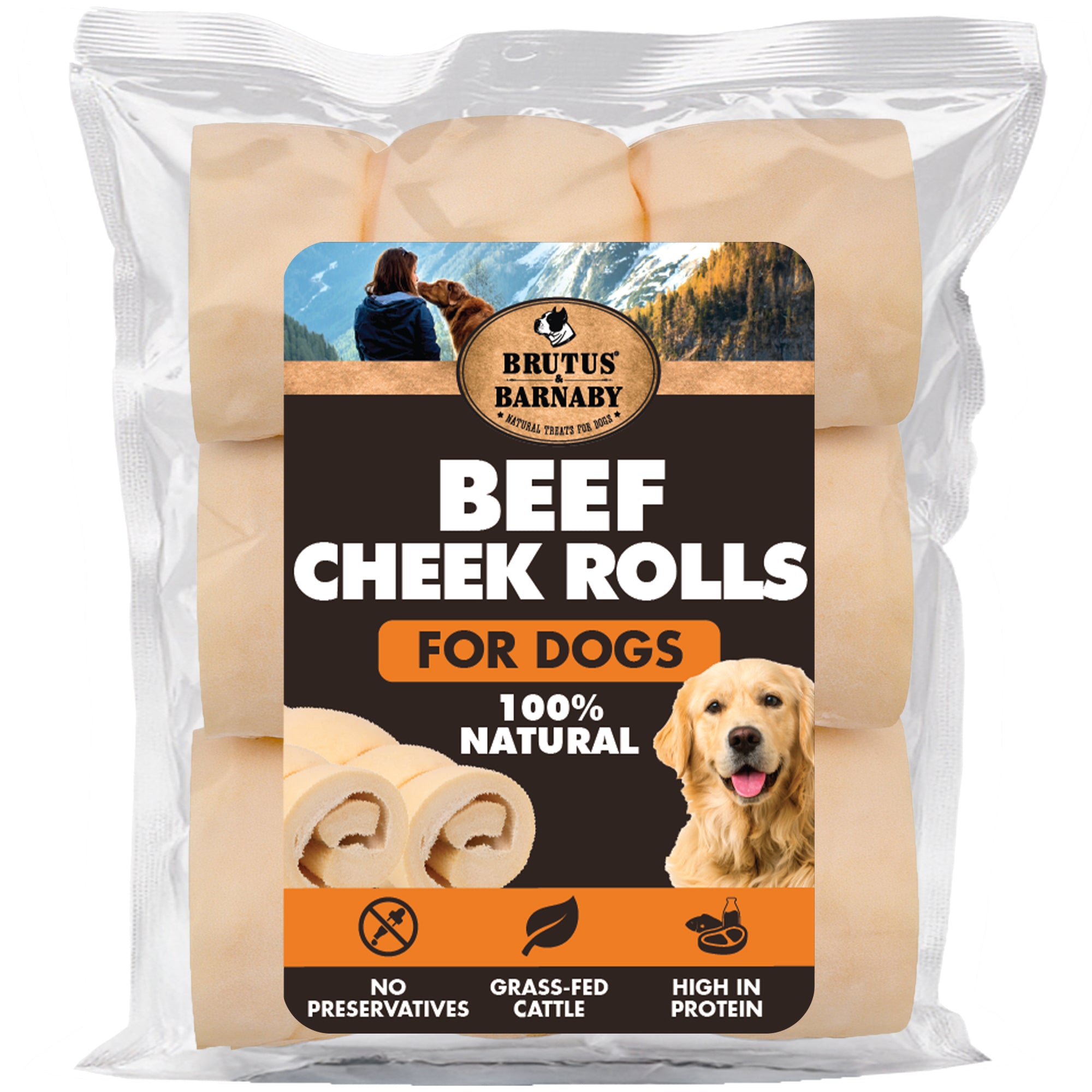
Premium Beef Cheek Rolls
Thick, collagen-dense beef cheek rolled for maximum longevity. A chemical-free, low-calorie alternative to rawhide for enthusiastic chewers.
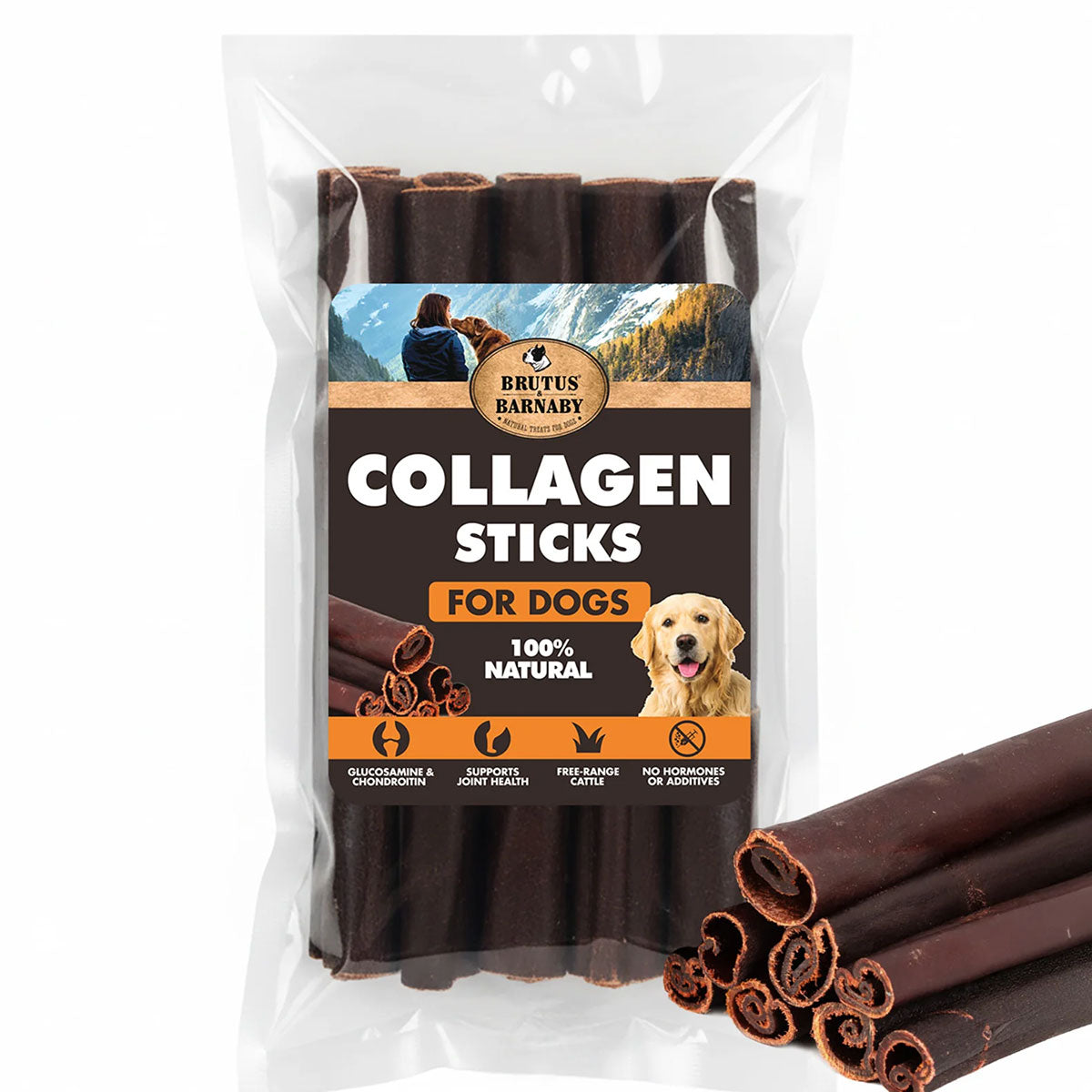
Beef Collagen Sticks
Sourced from the inner collagen layer of beef hide, providing structural joint support, mobility aid, and long-lasting chewing satisfaction.
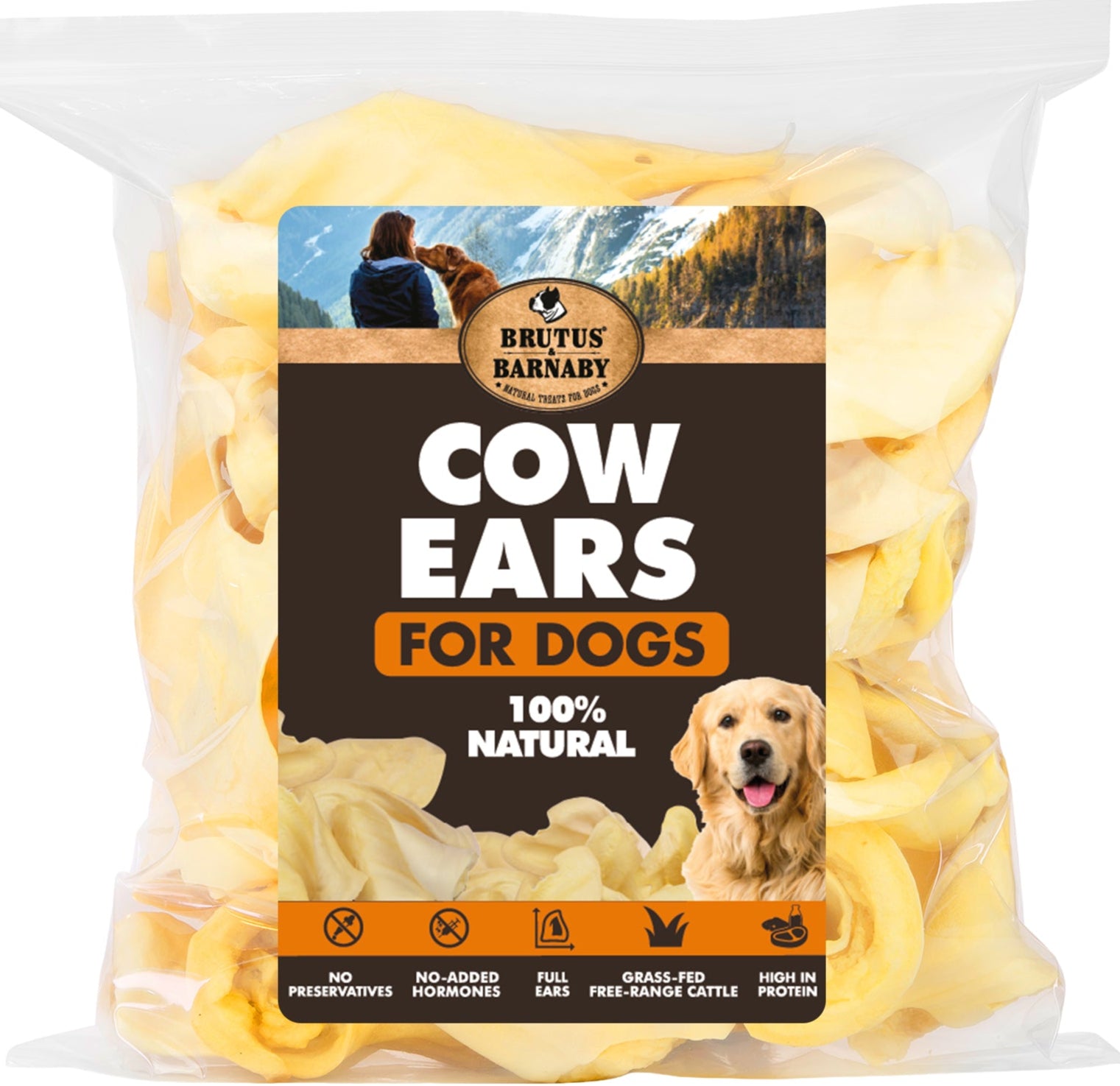
Natural Cow Ears
Light, low-fat alternative chews that deliver satisfying crunch and gentle dental cleaning without added fat.
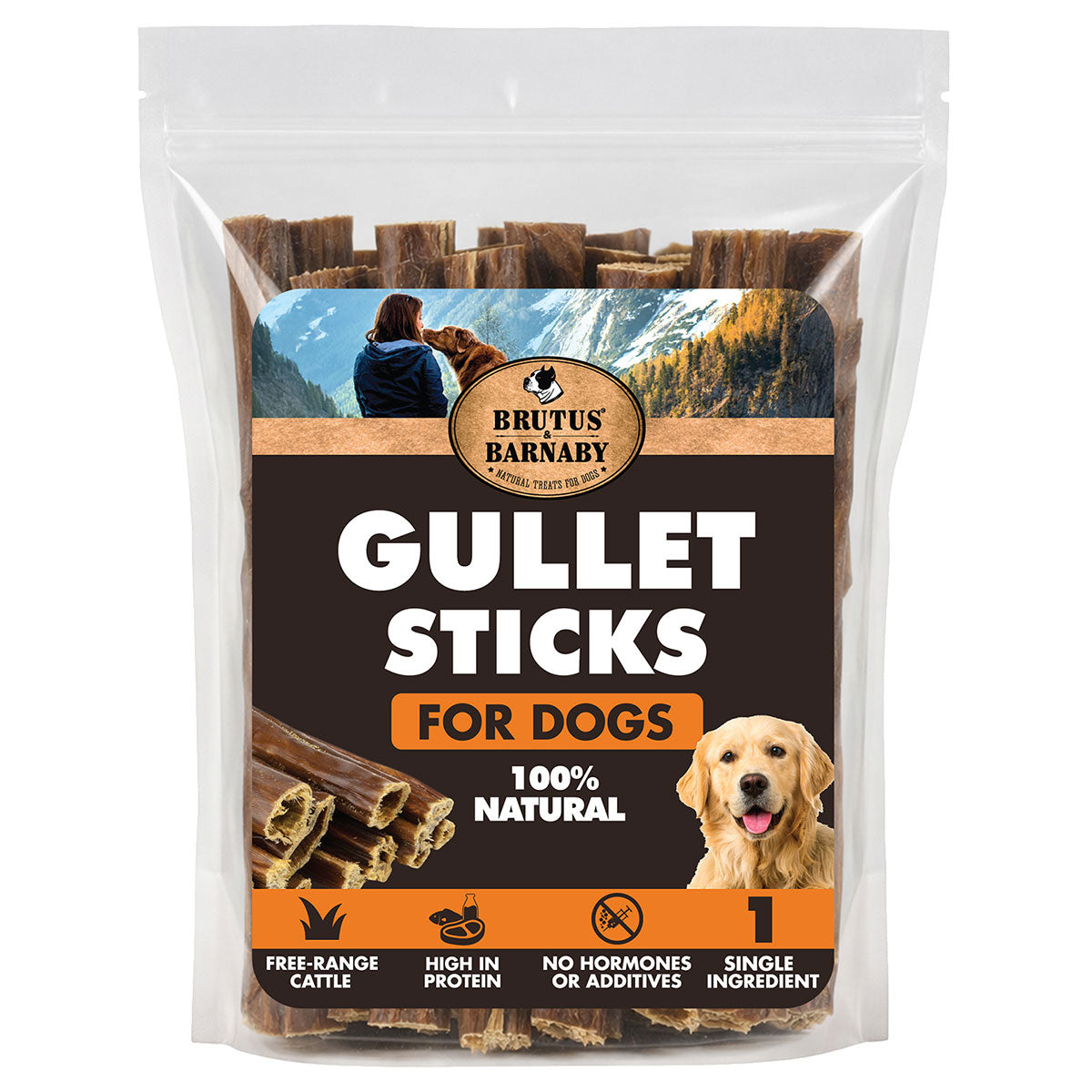
Beef Gullet Sticks
Naturally rich in chondroitin and glucosamine. Easier to break down, making them ideal for seniors, puppies, or lighter chewers.

Beef Lung Filets
Crunchy, high-protein reward treats easily broken into smaller training bites. Excellent for quick rewards between chews.
Veterinary Guidance on Safe Chewing
Veterinary authorities, including the Cornell University College of Veterinary Medicine and WSAVA nutrition panels, highlight three golden rules for natural chews:
- Supervise Every Session: Always observe your dog while they enjoy long-lasting chews to step in if they attempt to swallow large end pieces.
- Mind the Calorie Budget: Factor natural chews into your dog’s total daily caloric allowance to prevent unwanted weight gain.
- Select Quality Sourcing: Choose single-ingredient chews free from synthetic preservatives, chemical washes, or artificial flavor coatings.
Frequently Asked Questions (FAQ)
Are beef cheek rolls safer than traditional rawhide?
Yes, significantly safer. Traditional rawhide is made from chemically processed inner animal hides that swell in the stomach and resist gastric breakdown. Beef cheek rolls come from digestible cheek tissue that softens thoroughly as your dog chews, breaking down safely in stomach acids.
Do beef cheek rolls stink or smell bad?
High-quality, oven-baked beef cheek rolls have minimal odor compared to bully sticks. Because they are slowly dehydrated without chemical additives or wet basting, they remain low-odor during chewing sessions.
Which chew lasts longer: a bully stick or a beef cheek roll?
For medium, large, and aggressive chewers, a beef cheek roll typically lasts longer due to its dense, rolled structure. Bully sticks offer an intense chew session, but aggressive chewers can often power through them faster than a thick cheek roll.
Can puppies chew on beef cheek rolls and bully sticks?
Yes, provided the puppy has adult teeth coming in (usually around 4–6 months) and is supervised. Bully sticks or thinner Beef Gullet Sticks are often better suited for younger puppies, while beef cheek rolls work well for teething adolescent dogs.
How often should I give my dog a bully stick or cheek roll?
Offering a long-lasting chew 2 to 3 times per week is a standard routine for enrichment and dental health. Adjust frequency based on your dog's activity level, weight management goals, and daily meal calories.
Are bully sticks high in fat?
Bully sticks are low in fat but high in protein and calories due to dense muscle tissue. Beef cheek rolls offer a lower overall caloric profile relative to their size, making them ideal for weight management.
What should I do when a chew gets down to a small nub?
When a bully stick or cheek roll is chewed down to a small end piece that could be swallowed whole, take it away immediately. You can use a chew safety holder to secure the end of bully sticks to prevent accidental gulping.
Can dogs with sensitive stomachs eat beef cheek rolls?
Most dogs tolerate single-ingredient beef cheek rolls well because they contain no chemical additives or artificial colouring's. However, if your dog has a known beef protein allergy, consider plant-based alternatives like Vegan Training Treats.
Find the Perfect Chew for Your Dog
Both beef cheek rolls and bully sticks provide safe, single-ingredient enrichment that supports dental hygiene and mental stimulation. Match the chew to your dog's size, chew style, and dietary needs for safe, satisfying chewing.
Explore Premium Beef Cheek RollsVeterinary Disclaimer: The information provided in this article is for educational and informational purposes only and does not constitute veterinary medical advice. Always supervise your dog when introducing new chews and consult your veterinarian if your dog has specific dietary restrictions, digestive sensitivities, or dental issues.