



Are Chicken Treats Safe for Dogs? Vet Guidelines & Best Single-Ingredient Picks
Chicken treats remain a staple in modern dog enrichment, but feeding them safely requires navigating key veterinary concerns from raw bacterial risks and splintering cooked bones to poultry allergies and sourcing quality. Here is what pet parents need to know.
When selecting the ideal rewards for your dog, chicken treats regularly top the list. Dogs naturally crave lean animal proteins, and chicken delivers high-quality amino acids necessary for muscle repair, healthy metabolic function, and sustained energy. However, despite their widespread popularity, veterinary health forums and pet communities frequently debate whether chicken treats are completely safe for daily consumption.
The short answer is yes—chicken treats are generally safe, highly nutritious, and exceptional for training. However, safety heavily depends on how the chicken is prepared, processed, and sourced. Understanding the subtle distinctions between safe dehydrating methods, raw meat risks, cooked bones, and protein sensitivities ensures your dog reaps the health benefits without unnecessary trips to the emergency clinic.
Key Safety Rule: Processing Method Matters
Never feed cooked chicken bones or unvetted imported jerky. Instead, look for 100% single-ingredient, USA-sourced oven-baked or dehydrated chicken treats that preserve nutrition while removing pathogenic risks.
Nutritional Benefits of Single-Ingredient Chicken Treats
Single-ingredient chicken treats offer pure, unadulterated nutrition without artificial fillers, binding agents, or synthetic preservatives. When made strictly from lean chicken breast meat, these rewards support several core aspects of canine biology:
- Lean, High-Yield Protein: Supports muscle tone, joint function, and skin cellular repair without adding excess dietary fat.
- Essential Amino Acids: Rich in lysine, leucine, and arginine, which facilitate healthy metabolic performance and hormone regulation.
- Naturally Low in Fat: Dehydrated chicken breast is ideal for dogs monitoring weight or needing low-fat dietary management under veterinary care.
- High Palatability: The rich natural aroma makes chicken jerky one of the most effective high-value rewards for training obedience or recall.
Common Hazards: Raw Bones, Splintering, and Bacterial Contamination
While chicken meat is inherently healthy, improper processing or preparation introduces real safety hazards. Veterinary professionals routinely emphasize three critical risks:
Cooked Bone Splintering
Cooking chicken bones removes their moisture, making them brittle. When chewed, cooked bones shatter into sharp fragments that can pierce a dog's esophagus, stomach lining, or intestines. Always choose bone-free chicken jerky or chews made from pure muscular meat.
Bacterial Pathogens (Salmonella & Listeria)
Raw chicken meat can harbor pathogens such as Salmonella and Listeria monocytogenes. While dogs have acidic stomachs built to process higher bacterial counts than humans, these pathogens still pose gastrointestinal risks to dogs and cross-contamination hazards to human households. Proper thermal dehydration eliminates these bacterial threats.
Sourcing & Contaminants in Imported Jerky
Historically, imported treats manufactured without strict regulatory oversight have been linked to severe health issues in pets. Sourcing 100% USA-made treats processed in regulated facilities ensures strict quality control and safety checks.
Chicken Treat Preparation Methods Compared
To help you choose the safest options, this table breaks down common forms of chicken rewards based on safety, veterinary recommendations, and suitability:
| Treat Form | Safety Rating | Primary Benefit | Key Concerns & Veterinary Notes |
|---|---|---|---|
| USA Single-Ingredient Dehydrated Jerky | High / Recommended | Pathogen-free, dense protein, no splinters | Gold standard reward. Must be sourced from trusted USA suppliers. |
| Home-Cooked Plain Chicken Breast | High | Moist, highly digestible, excellent for medicine | Perishable; must be cooked thoroughly without added oils or salt. |
| Raw Chicken Meat / Feet / Necks | Moderate / Caution | Natural bone density, raw enzymes | Carries raw bacterial risk (Salmonella) and choking hazards. Requires strict hygiene. |
| Cooked Chicken Bones (Wings/Legs) | Unsafe / Avoid | None (high hazard) | High risk of bone splintering, internal perforation, and intestinal blockages. |
Chicken Allergies & Protein Intolerances in Dogs
It surprises many dog owners to learn that chicken is one of the most common food allergens in canines. True food allergies are hyper-immune responses triggered by repeated exposure to specific protein structures. If your dog exhibits persistent itching, ear infections, paw licking, or digestive upset (such as chronic loose stool), they may have a chicken sensitivity.
If your vet suspects a chicken allergy or recommends an elimination diet, you do not have to compromise on reward quality. High-protein, single-ingredient beef chews or hypoallergenic vegan training bites provide superior alternative options.
Top Single-Ingredient Picks & Safe Alternatives
Whether you are seeking safe USA chicken jerky or single-ingredient alternative chews for sensitive dogs, these vetted options deliver pure, additive-free nutrition:
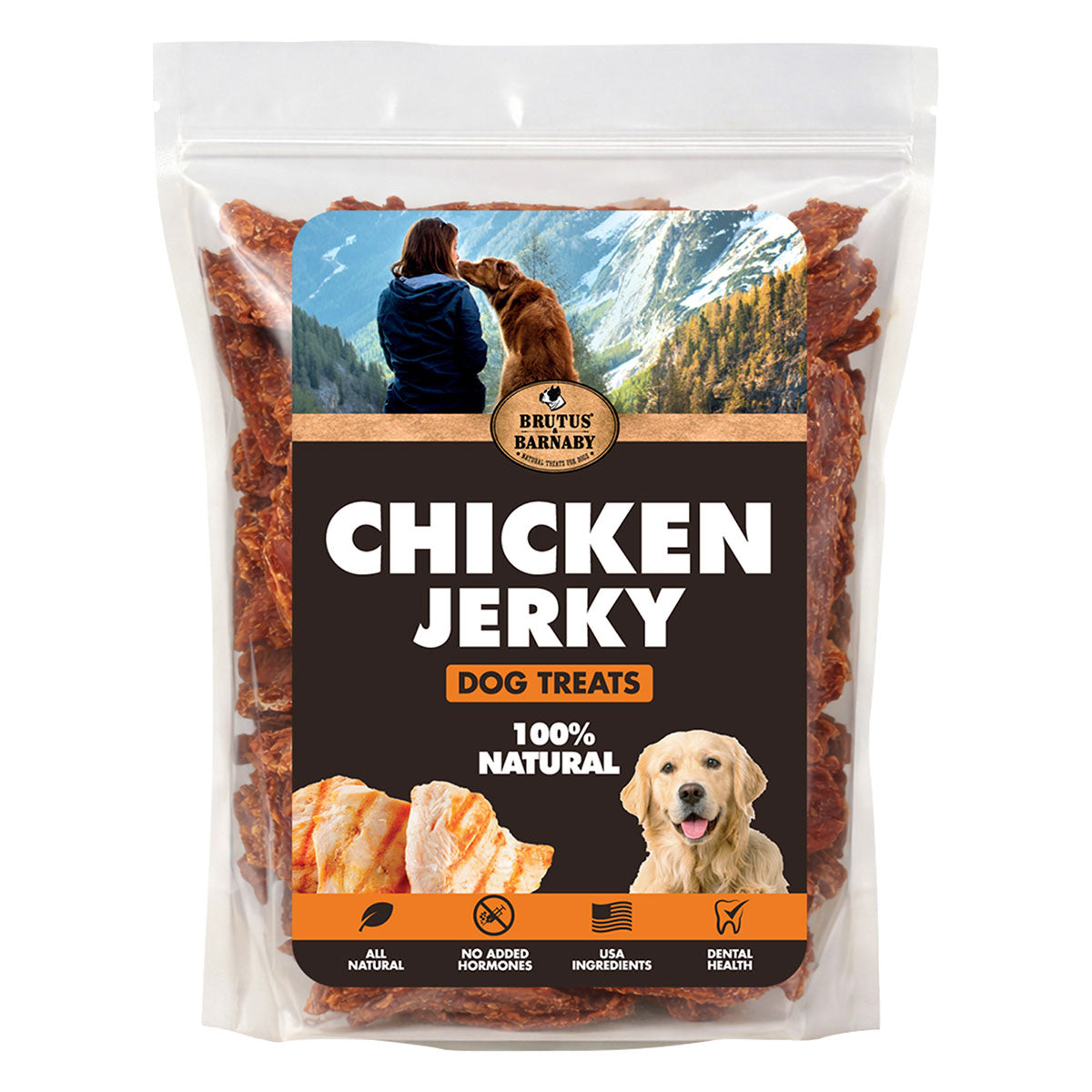
USA Chicken Jerky
Made from 100% USA chicken breast meat. Slowly dehydrated to eliminate pathogens while preserving natural flavor and lean protein without additives.
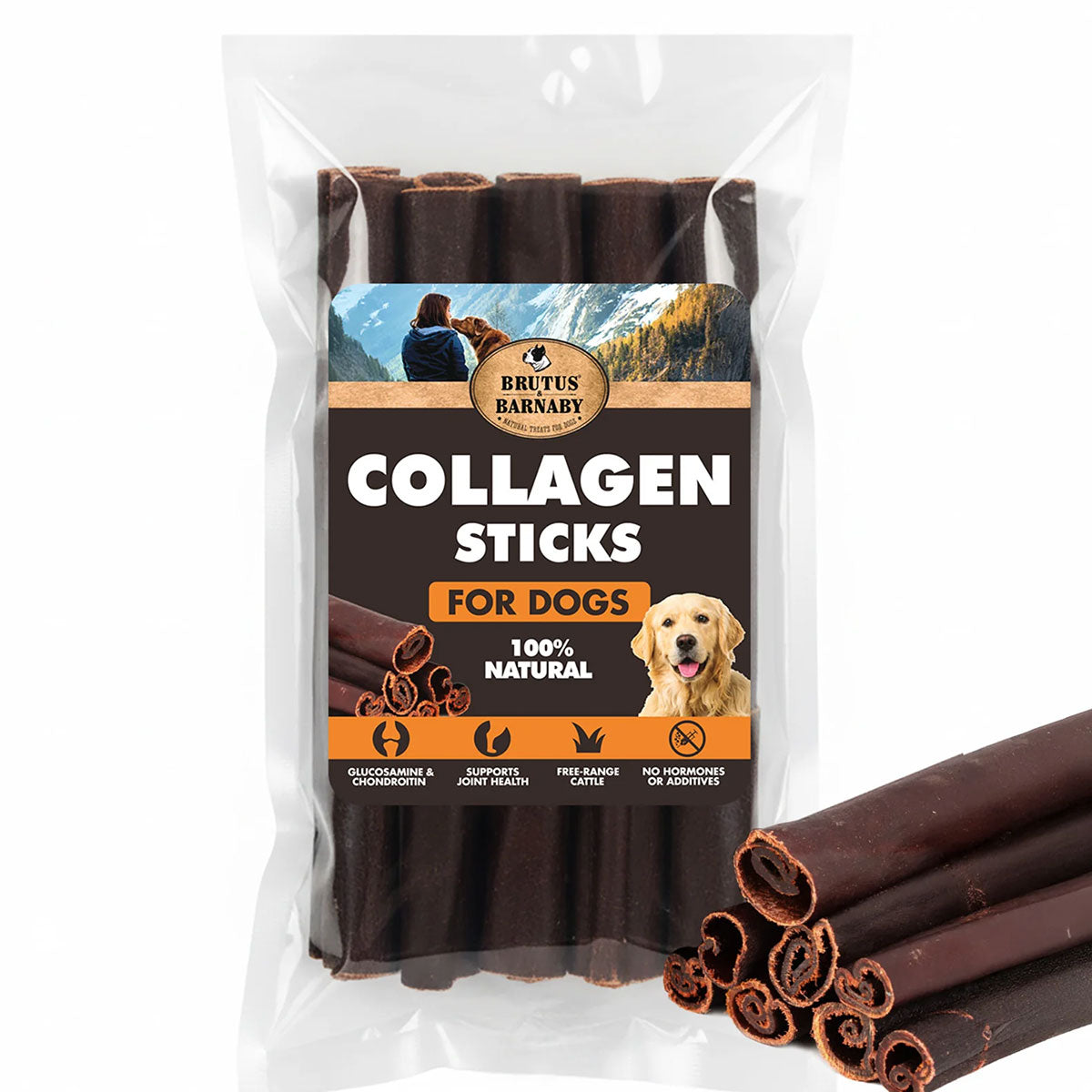
Beef Collagen Sticks
An ideal alternative chew for dogs with chicken sensitivities. Rich in natural collagen to support joint health, coat shine, and dental hygiene.
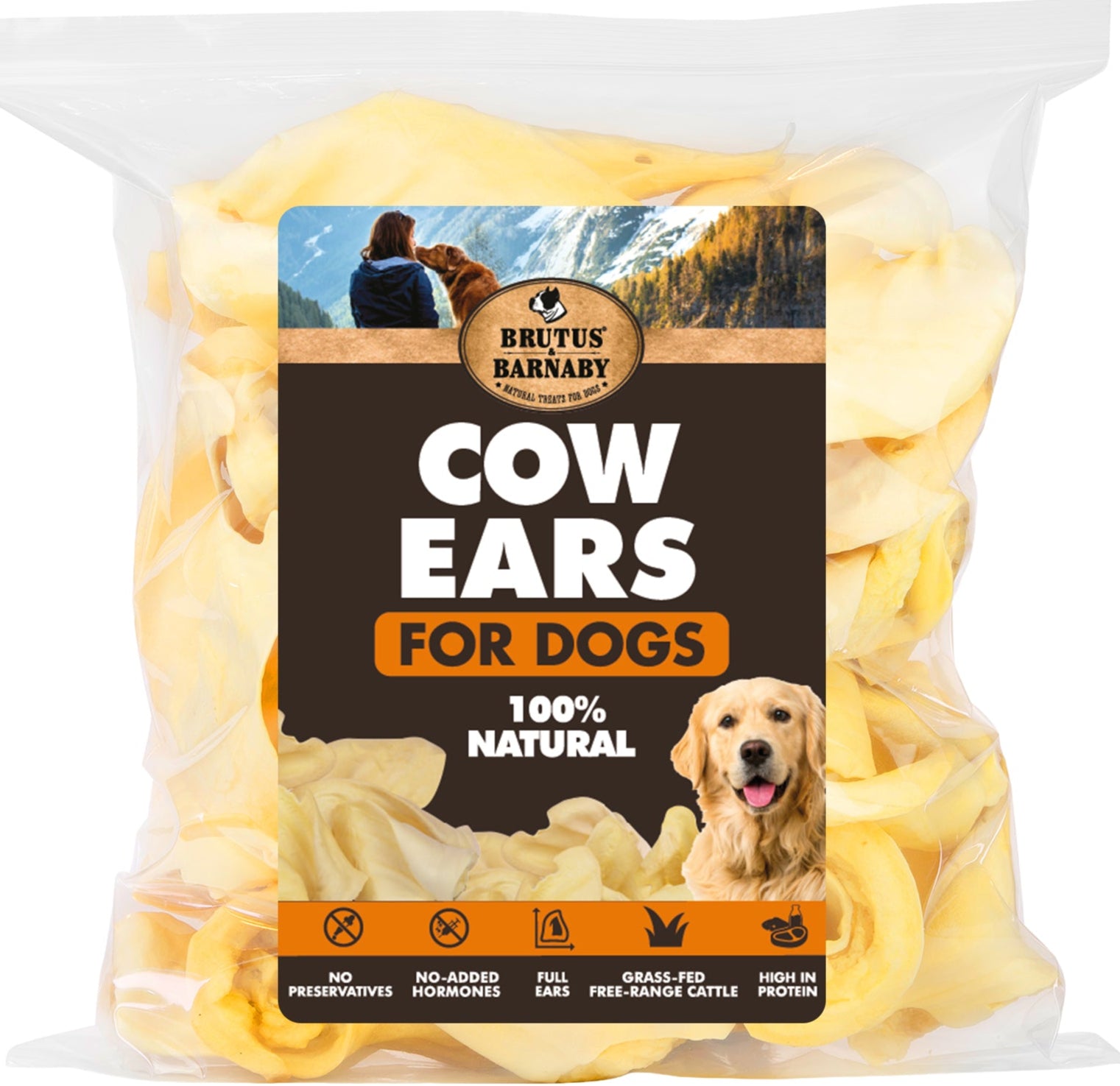
Natural Cow Ears
Low-fat, single-ingredient chews that provide long-lasting enrichment without heavy caloric overhead or poultry allergens.

Beef Lung Filets
Light, crunchy, single-ingredient beef protein treats easily broken into high-value training rewards for dogs of all sizes.

Vegan Training Treats
Hypoallergenic, bite-sized training treats combining real peanut butter and banana. Perfect for dogs with severe meat protein allergies.
Veterinary & Regulatory Guidance Snapshot
Leading veterinary clinical guidelines from institutions like the Cornell University College of Veterinary Medicine and the World Small Animal Veterinary Association (WSAVA) emphasize the following guidelines when feeding chicken or natural treats:
- The 10% Rule: Treats and chews should never exceed 10% of a dog's total daily caloric intake to prevent nutritional imbalances.
- Supervised Chewing: Always supervise your dog when introducing new dehydrated treats or chews to prevent gulping or choking.
- Zero Raw Bones: Avoid feeding poultry bones that have undergone thermal cooking, as they pose gastrointestinal risk.
Frequently Asked Questions (FAQ)
Are raw chicken treats safe for dogs?
Raw chicken treats carry potential risks of bacterial contamination such as Salmonella or E. coli. While a dog's digestive system is resilient, pathogens can still cause illness or spread to human family members through handling. Oven-baked or dehydrated single-ingredient chicken treats offer the nutritional benefits of raw meat without the bacterial hazards.
Can dogs be allergic to chicken treats?
Yes. Chicken is one of the most common dietary allergens in canines. Symptoms of a chicken allergy typically include itchy skin, chronic ear infections, paw chewing, or gastrointestinal issues like diarrhea. If your dog exhibits these signs, consult your veterinarian and consider swapping to single-ingredient beef or vegan treats.
Why are cooked chicken bones dangerous for dogs?
Cooking dries out poultry bones, causing them to break into sharp, jagged splinters when chewed. These sharp shards can cut a dog's mouth, puncture the esophagus or intestinal wall, or cause life-threatening internal blockages. Never feed cooked chicken bones to your dog.
How many chicken jerky treats can I give my dog daily?
Follow the standard veterinary 10% rule: treats should account for no more than 10% of your dog's daily calories, with the remaining 90% coming from balanced, complete dog food. Adjust treat quantities based on your dog's weight, activity level, and overall health goals.
What should I look for on a chicken treat label?
Look for a minimal ingredient list—ideally just 100% single-ingredient chicken breast meat—and explicit country-of-origin labels indicating USA sourcing and manufacturing. Avoid treats containing artificial preservatives, dyes, added sugars, excess sodium, or unspecified poultry meals.
Are chicken treats safe for puppies?
Yes, single-ingredient dehydrated chicken treats are generally safe for puppies once they are fully weaned and consuming solid food (around 8 weeks of age). Always break chicken jerky into age-appropriate, small bite-sized pieces and supervise puppy feeding closely.
Are chicken feet or necks safe for dogs to chew?
Dehydrated or raw chicken feet and necks contain soft cartilage and bones that some dog owners use for dental health. However, they still carry choking risks for aggressive chewers and bacterial considerations if raw. Always select fully dehydrated products and supervise chewing.
What are the best alternative treats if my dog can't eat chicken?
Great single-ingredient alternatives include beef chews such as Beef Collagen Sticks, Cow Ears, Bully Sticks, or plant-based options like Vegan Training Treats.
Simple Rules for Safe, Healthy Treating
Chicken treats are a fantastic, nutrient-dense reward when sourced responsibly and fed in moderation. Stick with 100% USA single-ingredient chicken jerky, avoid cooked bones, and switch to single-ingredient beef or vegan alternatives if your dog displays any signs of poultry sensitivity.
Explore USA Chicken Jerky TreatsVeterinary Disclaimer: The information provided in this article is for educational and informational purposes only and does not constitute veterinary medical advice. Always consult your veterinarian before introducing new treats or making significant changes to your dog's diet, especially if your dog has underlying health conditions, allergies, or gastrointestinal sensitivities.