



Ultimate Guide to Dog Training Treats: Healthy Low-Calorie Rewards for Puppy Training
Positive reinforcement relies on rapid, high-frequency rewards. Learn how to select low-calorie, nutrient-dense training treats that keep your puppy focused, motivated, and physically healthy without unwanted weight gain.
Positive reinforcement training is the most scientifically validated, effective method for shaping canine behaviour. Whether you are teaching a ten-week-old puppy basic obedience or working through reactive behaviour with an adult rescue, reward frequency is the single biggest engine of progress. In an active 15-minute training session, a dog might earn 30 to 50 individual rewards.
However, high-frequency reward training introduces a critical challenge: caloric overload and digestive distress. Feeding large, calorie-dense treats during daily repetitions can quickly lead to weight gain, nutritional imbalances, or soft stools. Finding high-value, highly digestible, low-calorie options is essential for long-term training success.
Your dog measures rewards by frequency and novelty, not physical volume. A bite-sized piece the size of a single pea triggers the exact same dopamine response in your dog's brain as a full-sized biscuit, but allows for dozens of repetitions without spoiling their appetite or exceeding daily calorie limits.
Understanding Reward Value: The Treat Hierarchy
Not all training scenarios demand the same level of motivation. Professional dog trainers organise rewards into a Treat Hierarchy based on environmental difficulty and task complexity. Matching the treat value to the distraction level keeps your pup engaged without over-stimulating them in quiet settings.
| Reward Level | Ideal Training Scenarios | Treat Characteristics | Recommended Examples |
|---|---|---|---|
| Low-Value Rewards | Low-distraction environments (living room, quiet hallway) for basic, established cues like "Sit" or "Down". | Standard kibble, light crunchy rewards, low aroma, under 2 calories per piece. | Daily kibble allotment or Vegan Training Treats. |
| Medium-Value Rewards | Backyard training, new trick acquisition, moderate distractions (distanced people or cars). | Semi-moist texture, savoury aroma, lean animal proteins, broken into tiny pieces. | Diced USA Chicken Jerky or small bites of Beef Gullet. |
| High-Value Rewards | High-distraction settings (busy parks, vet visits), emergency recall training, reactivity conditioning. | Strong pungent aroma, soft texture for instant swallowing, pure single-ingredient meats. | Crumbled Beef Lung Bites, freeze-dried liver, or small bits of boiled chicken. |
Key Criteria for the Perfect Training Treat
To keep training sessions fast-paced and effective, evaluate your treats using four essential criteria:
⏱️ Rapid Consumption Rate
A training treat should be consumed in under two seconds. If a dog has to stop and crunch a hard biscuit for 10 seconds, the momentum of your training session breaks, and the association between action and reward weakens.
🌱 Low-Calorie & High-Nutrient
Opt for treats with minimal fat and zero filler grains or artificial sugars. High-protein, single-ingredient options allow you to deliver intense flavor without empty calories that lead to weight gain.
✂️ Easy Breakability
Treats that can be quickly snapped or torn into pea-sized micro-rewards without crumbling into dust give you maximum control over portion size during long training walks or classes.
👃 High Olfactory Appeal
A dog's sense of smell is roughly 10,000 to 100,000 times more acute than a human's. Dehydrated or roasted natural meats emit intense scents that immediately capture focus amidst distractions.
Step-by-Step: The 10% Caloric Rule for Puppy Training
Puppies have rapid metabolic rates, but their stomach capacities are small and easily disrupted. Managing daily caloric intake during intense training requires basic math to ensure balanced growth:
Calculate Daily Caloric Needs
Consult your veterinarian or your puppy food's feeding guide to determine your pup's total daily Caloric Requirement (e.g., 400 kcal/day for a growing medium-breed puppy).
Apply the 10% Max Rule
Veterinary nutritionists advise that treats should never exceed 10% of a dog's total daily calories (e.g., maximum 40 kcal dedicated to training treats per day).
Break Treats into Micro-Morsels
Divide your treat allotment into tiny morsels. A single piece of dehydrated Beef Lung can easily be broken into 6–8 micro-rewards, giving you dozens of opportunities to reward good behavior.
Adjust Primary Meal Portions
If you conduct an extra-heavy training session, slightly reduce the meal portion in your puppy's food bowl that evening to offset the training rewards given throughout the day.
Featured Top Training Rewards for Puppies & Dogs
Selecting clean, single-ingredient treats made without synthetic preservatives or fillers protects your dog's gut health while providing maximum motivation:

Vegan Training Treats
Peanut butter and banana bite-sized treats designed specifically for high-frequency rewards and meat-sensitive stomach puppies.
Shop Training Treats
Beef Lung Bites / Filets
Light, airy, and ultra-high in protein. Extremely easy to tear into bite-sized micro-rewards for high-value training focus.
Shop Beef Lung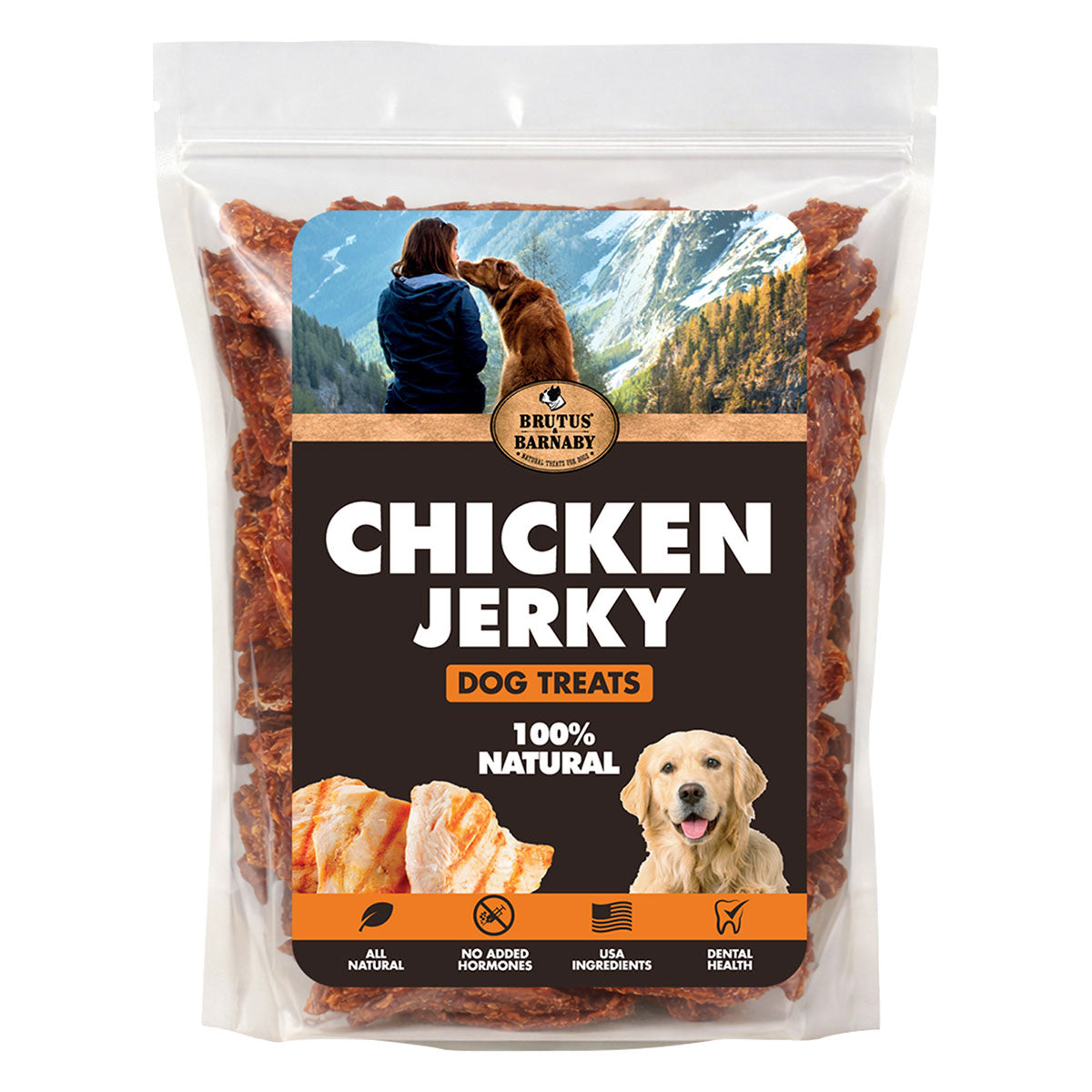
USA Chicken Jerky
100% lean chicken breast meat. Sliced thin so you can snap off lean, low-fat strips for medium-to-high value motivation.
Shop Chicken Jerky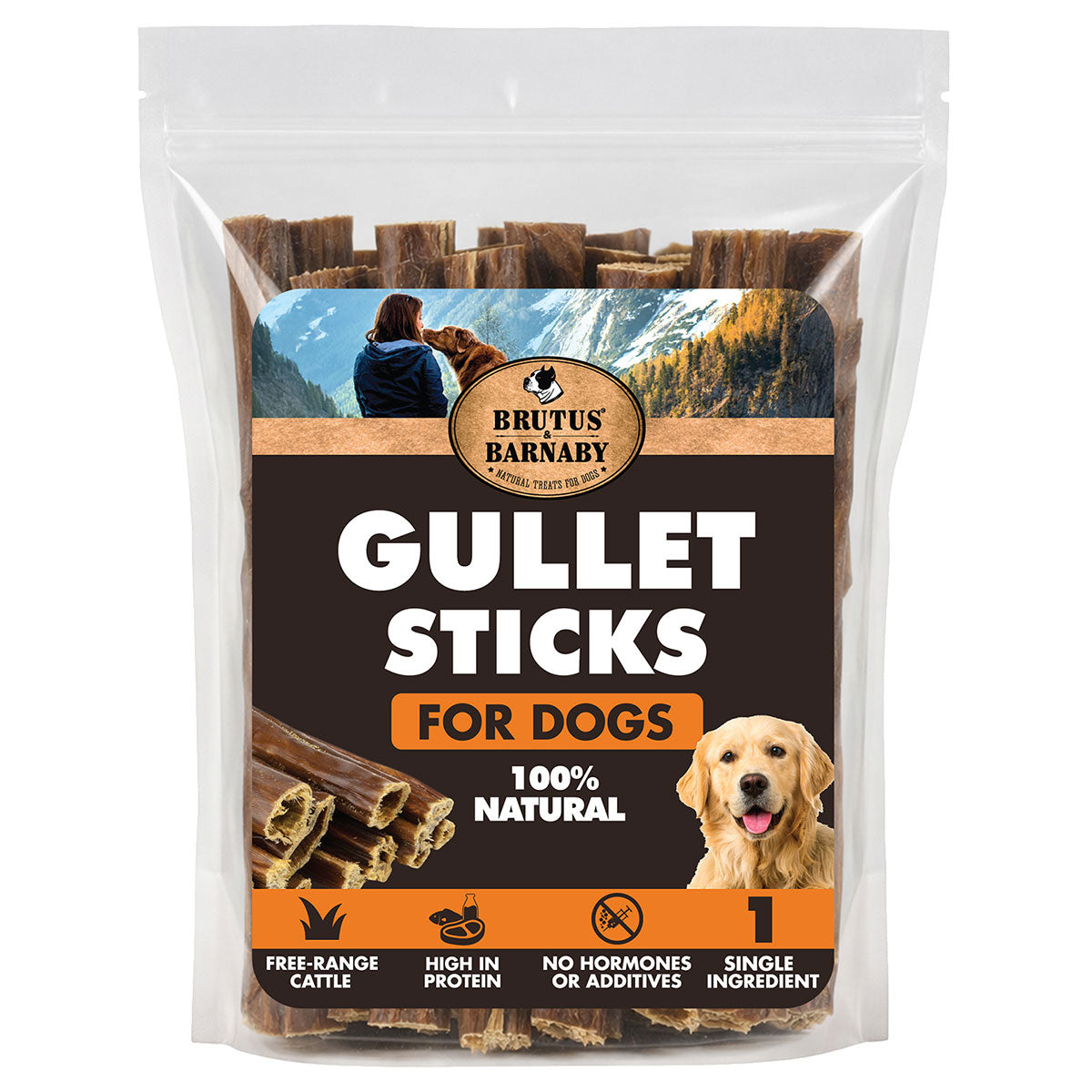
Beef Gullet Sticks
Naturally rich in glucosamine and easy to cut into rich, high-aroma training chips that keep puppies intently focused.
Shop Gullet SticksPost-Training Recovery & Calm-Down Chews
High-energy training sessions stimulate a puppy's central nervous system. Once training wraps up, transitioning your pup from active learning to a state of rest is critical for memory consolidation and stress reduction.
Offering a long-lasting, natural chew at the end of a session engages the lick-and-chew reflex, which releases calming neurotransmitters like dopamine and serotonin:
- Natural Cow Ears: Low in fat and light on the stomach, providing a soothing 15-to-20 minute cartilage chew session post-training.
- Beef Collagen Sticks: Highly digestible chews that support joint development in growing puppies while encouraging quiet, independent downtime.
- Beef Cheek Rolls: A durable option for strong chewers to release excess physical tension after mentally demanding tasks.
- 12-Inch Bully Sticks: A rich, high-protein reward reserved for major training milestones or crate-settling routines.
📋 Veterinary Guidance & Scientific Consensus
Leading animal behavior organizations, including the American Veterinary Society of Animal Behavior (AVSAB) and nutrition experts at Cornell University College of Veterinary Medicine, emphasize the following guidelines for treat-based training:
- Immediate Timing: Deliver the treat within 1 to 2 seconds of the desired behavior (or clicker marker) so your dog clearly connects the action with the reward.
- Avoid Over-Satiation: Use tiny treats so your puppy stays hungry and motivated throughout the session without feeling bloated.
- Check Ingredients: Avoid treats with artificial dyes (like Red 40), corn syrup, or high sodium, which offer zero nutrition and can cause digestive irritation.
Frequently Asked Questions
How many training treats can I give my puppy a day?
There is no exact fixed count, provided the total treats remain under 10% of your puppy's daily caloric requirement. By tearing low-calorie treats like Beef Lung or using tiny Vegan Training Treats, you can give 30 to 50 individual rewards per day without exceeding calorie goals.
At what age can puppies start receiving natural training treats?
Most puppies can begin receiving soft, single-ingredient training treats around 8 weeks of age when brought home. Introduce new protein sources gradually over several days to avoid upsetting their developing digestive system.
What if my puppy gets loose stools during training?
Soft stools usually indicate feeding too many treats too quickly or introducing multiple rich protein sources at once. Scale back reward frequency, switch to a single lean protein like USA Chicken Jerky, and break treats into smaller pieces.
Can I use standard dog food/kibble as training treats?
Yes. Using a portion of your puppy's measured daily kibble allotment for basic indoor training works well for low-distraction environments. However, for outdoor or complex tasks, step up to a higher-value, high-aroma natural treat.
Why are single-ingredient treats better for training?
Single-ingredient treats (like 100% beef lung or chicken breast) eliminate hidden fillers, artificial flavors, and excess chemical preservatives. They are easy on a puppy's gut and provide clear, uncompromised nutritional value.
How do I prevent my dog from only listening when I have treats?
Once a cue is well established, fade the visible treat by keeping it out of sight in a pouch or pocket until after the behavior is performed. Gradually transition from continuous reinforcement (a treat every time) to variable reinforcement (random rewards mixed with praise or play).
Fuel Your Puppy's Success with Healthy Training Rewards
Effective training starts with the right motivation. Explore Brutus & Barnaby's collection of clean, single-ingredient, low-calorie training treats designed to keep your puppy focused, healthy, and eager to learn.
Shop Natural Training Treats NowDisclaimer: This article is for informational purposes only and does not substitute professional veterinary advice or certified animal behaviorist consultation. Always monitor your dog during feeding and training sessions, ensure fresh drinking water is available, and adjust overall daily food intake to prevent overfeeding.