



Cow Ears vs. Pig Ears for Dogs: Which Natural Chew Is Safer & Healthier?
Natural chews are standard staples in millions of dog-friendly homes. However, when comparing cow ears to pig ears, subtle nutritional and structural differences can impact your dog's digestive system, weight management, and safety.
Natural single-ingredient chews have largely replaced synthetic chew toys and highly processed treats for dog owners who prioritize clean nutrition. Among the most popular options on pet store shelves are cow ears and pig ears. At first glance, both provide a satisfying, cartridge-rich chew that supports mental stimulation and dental hygiene.
However, when evaluated from a veterinary nutrition perspective, these two popular animal ear chews are vastly different. From drastic variations in fat content and caloric density to distinct structural safety concerns during active chewing, choosing between cow and pig ears requires understanding your dog's age, weight, digestive sensitivity, and chew style.
Cow ears are ultra-low in fat, lower in calories, and offer a tougher, longer-lasting texture, making them ideal for dogs on weight management plans, seniors, or dogs with sensitive stomachs. Pig ears are significantly higher in fat, softer to chew, and very palatable, but pose a notably higher risk for gastrointestinal upset, pancreatitis, and excess weight gain if overfed.
Nutritional Comparison: Fat, Protein, & Calories
The core difference between cow ears and pig ears lies in their macro-nutrient profile. Because cattle and pigs store adipose (fat) tissue differently along their outer hide and pinna, the resulting dehydrated chews carry radically different levels of dietary fat.
| Nutritional Metric (Approx.) | Natural Cow Ears | Traditional Pig Ears |
|---|---|---|
| Crude Protein | 75% – 85% | 50% – 65% |
| Crude Fat | 1.5% – 4% (Ultra-Low) | 20% – 35% (High Fat) |
| Caloric Density | ~40 to 60 kcal per ear | ~150 to 220+ kcal per ear |
| Main Structural Tissue | Dense Cartilage & Dense Collagen Hide | Thicker, Fatty Cartilage & Skin |
| Texture Profile | Firm, Fibrous, Low-Greasiness | Pliable, Soft, Oily/Greasy |
The Danger of Excess Fat: Pancreatitis & Digestive Distress
Dietary fat is a dense energy source, but excessive fat intake—especially in acute, single-dose treats like a greasy pig ear—can trigger acute pancreatitis in dogs. The pancreas produces enzymes to process digestive fats. When flooded with high-fat meals, the organ can become inflamed, leading to severe abdominal pain, vomiting, lethargy, and potential hospitalization.
Veterinarians frequently caution dog parents regarding pig ears for small breeds, senior dogs, or dogs with a history of digestive sensitivity. Natural Cow Ears offer a low-fat alternative, providing the cartilage chew experience with under 5% fat content.
🐮 Cow Ears Profile
- Low Fat: Minimal risk of dietary upset or runny stools.
- Weight-Friendly: Great for dogs on strict caloric limits.
- Longer Lasting: Fibrous cartilage breaks down slowly.
- Clean Handling: Leaves little to no greasy residue on carpet.
🐷 Pig Ears Profile
- High Palatability: Enticing flavor for picky eaters.
- Easier to Soften: Quicker chew for light or senior chewers.
- Calorie Dense: Requires strict portion control.
- Greasy Residue: Can leave oil marks on indoor surfaces.
Safety Assessment: Choking Hazards, Blockages, & Digestibility
Safety is a primary consideration when selecting natural single-ingredient dog chews. Both cow and pig ears are fully digestible animal tissues, unlike synthetic rawhides, which are heavily processed with chemicals and can expand in the stomach.
However, safety risks remain if an eager dog swallows large, unchewed fragments. Here is how they compare in structural safety and chew dynamics:
Texture Breakdown Under Saliva
As a dog chews a cow ear, saliva hydrates the natural cartilage and collagen fibers, turning the ear soft, pliable, and rubbery rather than brittle. Pig ears soften much faster due to their high fat content, which can allow power chewers to tear off large, slimy chunks quickly.
Choking & Intestinal Blockage Risk
Neither cow ears nor pig ears are prone to causing bowel obstructions in the way processed rawhide does, because stomach acid breaks down natural cartilage and hide. However, if a "gulping" dog swallows a large triangular piece whole, it can cause esophageal choking or temporary gastric discomfort.
Bacterial Safety & Quality Sourcing
In past years, public health advisories have highlighted Salmonella concerns associated with lower-quality, imported pig ears that underwent minimal processing standards. Choosing human-grade, oven-baked chews from reputable suppliers ensures rigorous safety checks and thermal processing.
Dental Health & Mental Enrichment Benefits
Chewing is a natural canine behavior that releases endorphins, reduces stress, and keeps dogs occupied. Beyond mental enrichment, natural ear chews support dental health in two ways:
- Mechanical Plaque Removal: As your dog's teeth sink into the firm cartilage of a cow ear, the abrasive action gently scrapes away soft plaque and tartar build-up along the gumline.
- Salivary Enzyme Stimulation: Prolonged chewing stimulates saliva production, which contains natural enzymes that help neutralize oral bacteria.
Because pig ears soften rapidly under saliva, they generally provide less mechanical scraping action compared to the denser cartilage structure of a cow ear.
Product Spotlight: Premium Natural Chews for Every Chewing Style
Match your dog's individual size, chewing intensity, and diet requirements with these carefully sourced single-ingredient options from Brutus & Barnaby:
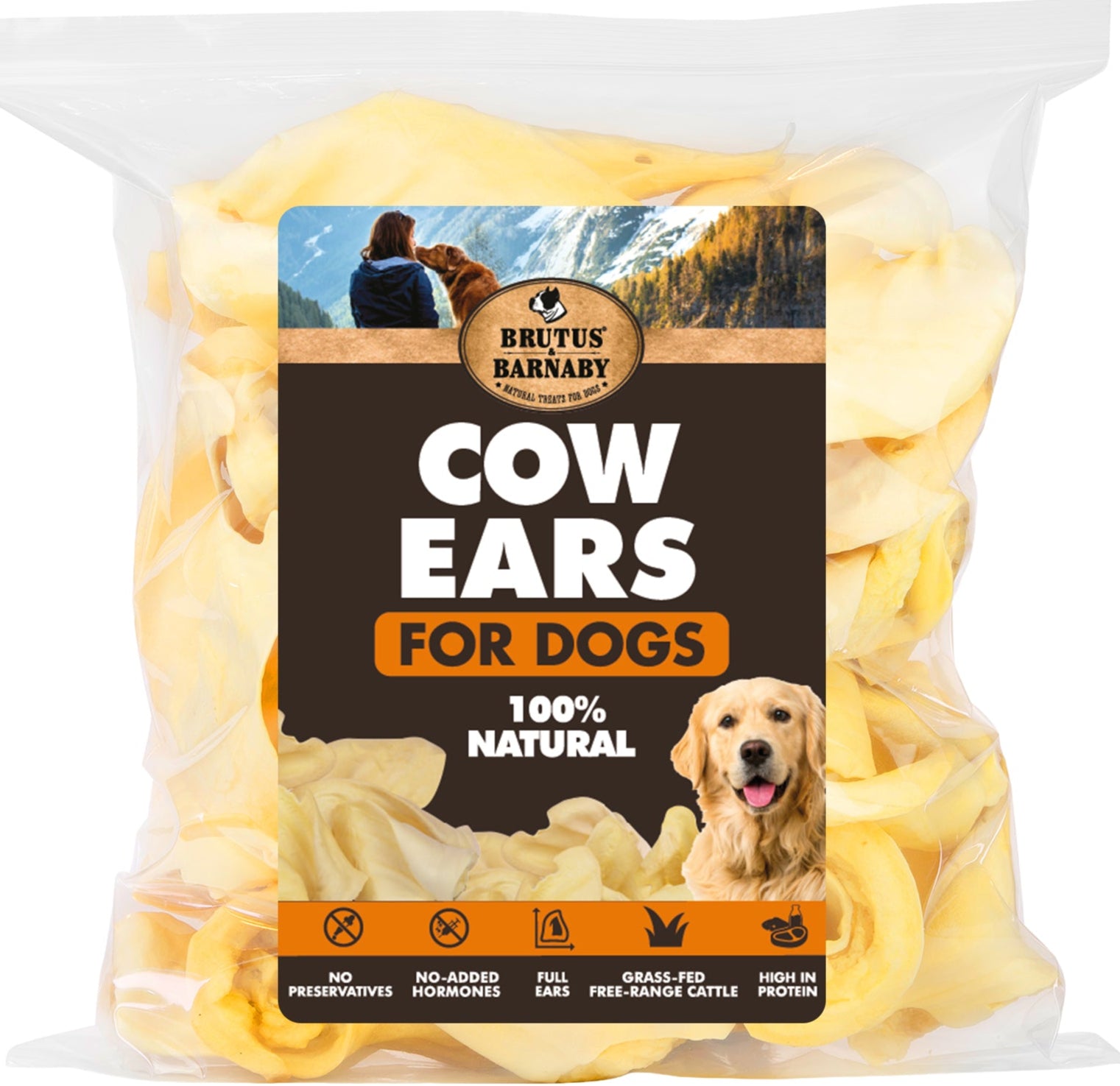
Natural Cow Ears
Thick, unbleached, low-fat cow ears. The gold standard for a healthy, long-lasting cartilage chew without excess calories.
Shop Cow Ears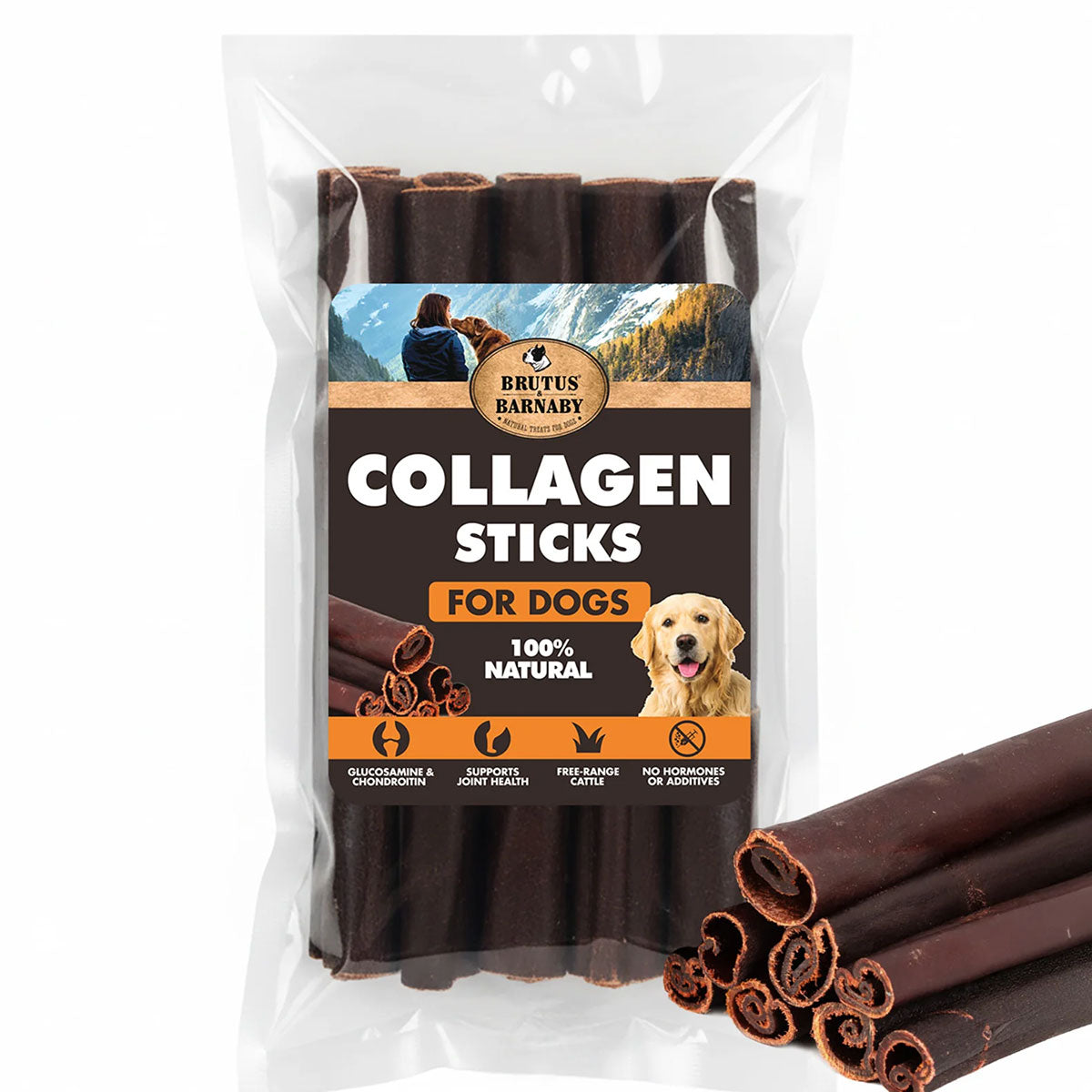
Beef Collagen Sticks
An alternative for power chewers needing joint, skin, and coat support. Highly digestible and long-lasting.
Shop Collagen Sticks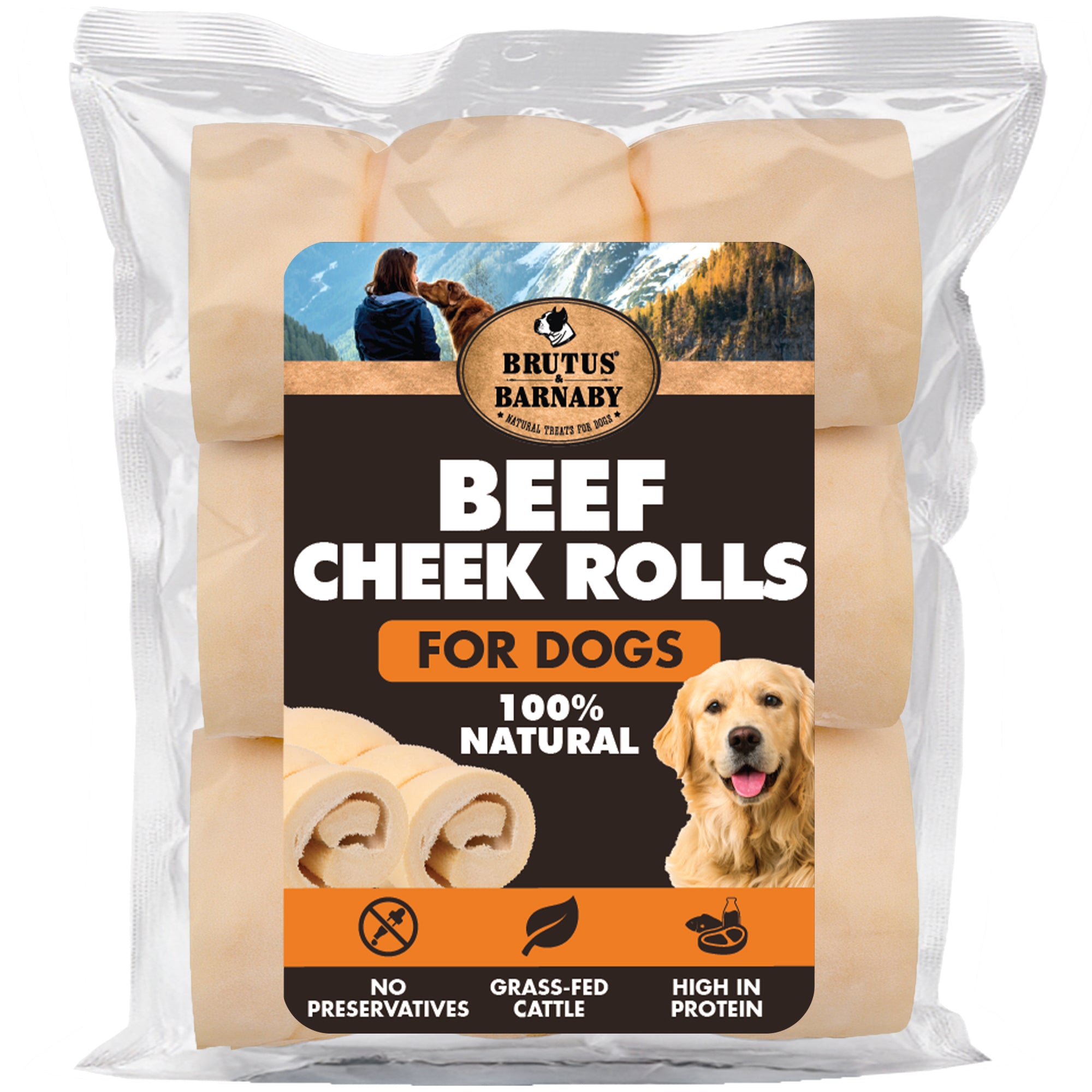
Beef Cheek Rolls
Naturally rich in collagen and thick enough to satisfy aggressive chewers without chemical processing.
Shop Cheek RollsAlternatives for Light Chewers & Sensitive Stomachs
If your dog is a puppy, a senior with fragile teeth, or requires a lighter snack during daily training, full-sized ear chews or thick collagen sticks may be too tough. Consider these lighter natural options:
- Beef Gullet Sticks: Naturally rich in chondroitin and glucosamine, these offer a softer chew that is gentler on senior teeth.
- Beef Lung Bites / Filets: Lightweight, airy, and easy to break into small pieces for high-value rewards.
- USA Chicken Jerky: Lean, high-protein breast meat sliced thin for a crisp reward.
- Vegan Training Treats (Peanut Butter & Banana): Plant-based option ideal for dogs managing meat-protein allergies.
📋 Veterinary Guidance & Safety Standards
Leading veterinary organizations, including the World Small Animal Veterinary Association (WSAVA) and academic veterinary health centers like Cornell University College of Veterinary Medicine, emphasize three golden rules for feeding natural chews:
- Always Supervise: Monitor your dog during chewing sessions to prevent swallowing large pieces whole.
- Account for Caloric Intake: Treats and chews should comprise no more than 10% of your dog's daily caloric intake to prevent nutritional imbalances.
- Practice Hygiene: Wash hands thoroughly after handling any natural animal product, and store chews in a dry, cool place.
Frequently Asked Questions
Are cow ears safer than pig ears for dogs?
In terms of digestive safety and metabolic health, cow ears are generally considered safer for most dogs. They contain a fraction of the fat found in pig ears (under 5% vs up to 35%), which dramatically lowers the risk of acute pancreatitis, diarrhea, and weight gain.
Can puppies chew on cow ears or pig ears?
Puppies over 12 weeks old can chew on cow ears under close supervision. Cow ears provide a helpful outlet for teething puppies. Pig ears are generally discouraged for young puppies due to their rich fat content, which can easily trigger loose stools and upset delicate puppy digestion.
How long does a cow ear usually last?
For small to medium-sized dogs, a cow ear can last anywhere from 20 minutes to several chew sessions. Moderate to strong chewers will usually consume a cow ear in 15 to 30 minutes, whereas pig ears are consumed much faster due to their softer tissue structure.
Do cow ears splinter like bones?
No. Cow ears consist of cartilage and skin collagen—they contain no bone. They do not splinter into sharp shards. Instead, they soften into a rubbery consistency under saliva as the dog chews.
How often can I give my dog a cow ear?
Most healthy adult dogs can enjoy 2 to 3 cow ears per week as part of a balanced diet. Always keep track of your dog's total daily calorie intake and ensure fresh water is available.
Are cow ears digestible for dogs with sensitive stomachs?
Yes, high-quality, single-ingredient cow ears are highly digestible. Because they lack artificial preservatives, heavy chemicals, and high fat levels, they are well-tolerated by dogs with sensitive GI tracts.
The Verdict: Cow Ears Win on Health, Safety & Cleanliness
While pig ears remain popular for their rich flavor, cow ears offer a superior combination of low-fat nutrition, minimal digestive risk, dental benefits, and long-lasting chewing enjoyment. Give your dog a clean, single-ingredient chew they will love.
Shop All-Natural Cow Ears NowDisclaimer: This article is for informational purposes only and is not a substitute for professional veterinary advice, diagnosis, or treatment. Always consult your veterinarian before introducing new chews or treats into your dog's diet, especially if your pet has pre-existing medical conditions or dietary sensitivities. Always supervise your dog while chewing.