
Soft Dog Chews for Dental Problems: Safe Choices

Posted by The B&B Wellness Team on

SENIOR DOG CARE

Soft Dog Chews for Dental Problems: Safe Choices

When your dog has dental issues, the right treat should be comfortable, easy to manage, and matched to their mouth health.

Sensitive Teeth Senior Dogs Gentle Treat Options

When your dog has dental problems, missing teeth, sensitive gums, or age-related mouth discomfort, treat texture matters just as much as ingredients.

Hard chews, bones, antlers, and overly dense treats can put too much pressure on weak teeth or sore gums. Softer, lighter, breakable, or no-chew options can help your dog still enjoy rewards without forcing them to bite down aggressively.

This guide explains what to look for, what to avoid, and which Brutus & Barnaby treats may fit dogs who need a gentler approach to chewing.


Why Dental Health Changes What Your Dog Needs

When dogs have dental disease, missing teeth, gum sensitivity, or a history of cracked teeth, they may not be able to handle the same chews they enjoyed before. A treat that used to be fine may now cause pain, avoidance, or risky chewing behavior.

For dogs with mouth discomfort, the goal is comfort first: choose treats that can be broken smaller, soften with moisture, crumble lightly, or mix into meals without requiring heavy bite force.

Better Direction

Look For Treats That Are

Light, airy, soft, or breakable
Easy to portion smaller
Made with simple ingredients
Matched to your dog’s current mouth health
Use Caution

Be Careful With

!Rock-hard bones, antlers, and hooves
!Dense chews your dog tries to crush
!Brittle treats that crack into sharp pieces
!Any chew your dog avoids, drops, or paws at

Simple rule: for dogs with dental problems, choose comfort first. A treat should be enjoyable, easy to manage, and gentle enough that your dog does not need to bite down aggressively.


Natural, Gentle Ingredients That Work

When your dog has sensitive teeth or irritated gums, ingredient quality matters just as much as texture. Simple, recognizable ingredients make it easier to understand what your dog is eating and how well they tolerate it.

What to Compare Better Choice for Dental Problems What to Be Careful With
Texture Soft, airy, chewy, or breakable options that do not require heavy bite force. Rock-hard bones, antlers, dense nylon chews, or brittle treats.
Best Use Senior dogs, missing teeth, sensitive gums, light chewers, or dogs who need easier treats. Treats marketed only as “long-lasting” without considering dental comfort.
Ingredient Quality Simple ingredients like beef lung, sweet potato, chicken, collagen, or food toppers. Artificial colors, added sugars, mystery by-products, and heavy binders.
Dental Comfort Encourages light chewing without forcing your dog to grind down on something painful. Chews your dog avoids, drops, paws at, or seems uncomfortable eating.

Best Brutus & Barnaby Options for Dogs with Dental Problems

These options fit different needs: light chewing, soft crunch, meal mixing, and supervised longer chew time. The right choice depends on your dog’s dental condition, chewing style, and comfort level.
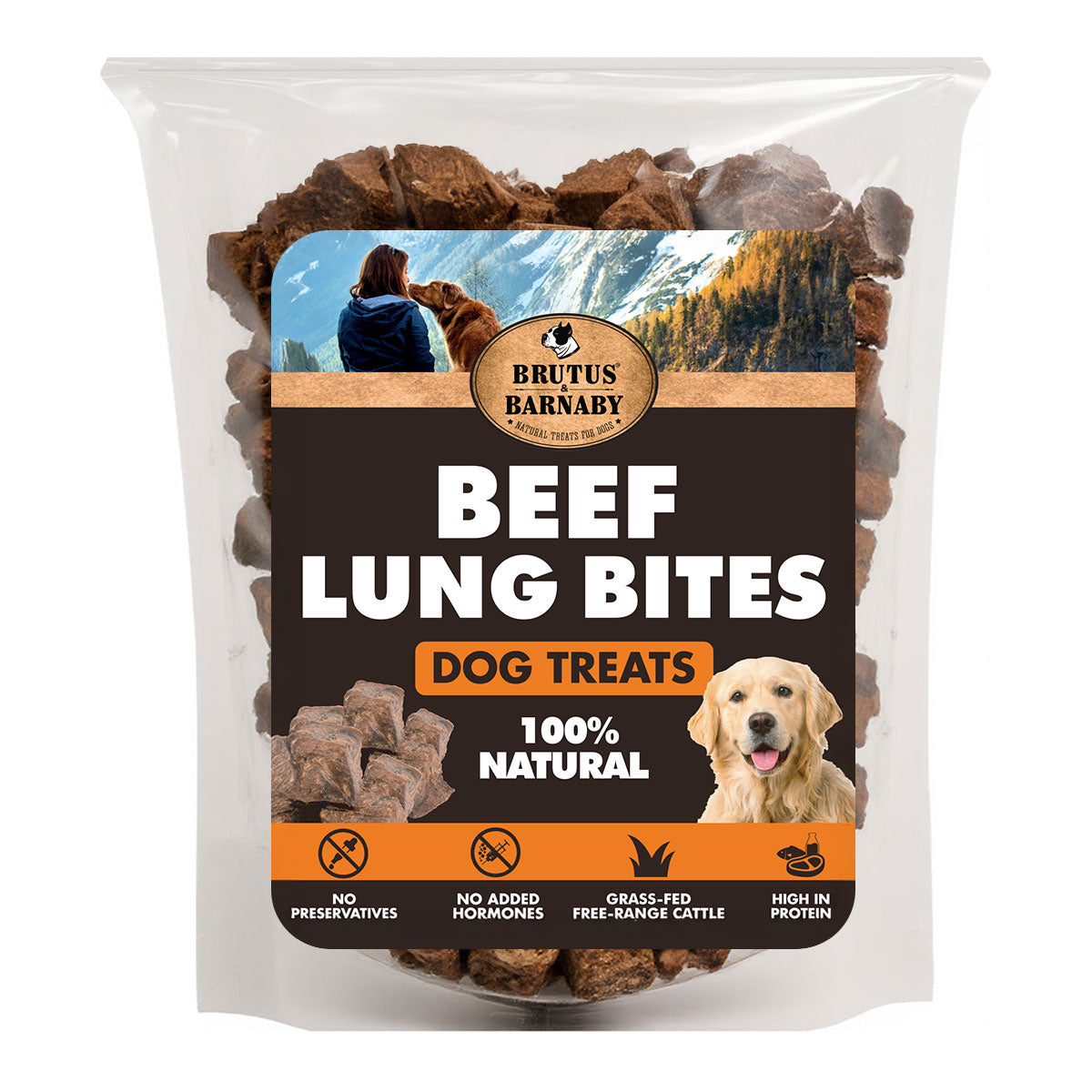
Brutus and Barnaby Beef Lung Bites for senior dogs with weaker teeth
Best Soft Crunch

Beef Lung Bites

Light, airy, and easy to break smaller, Beef Lung Bites are a strong fit for dogs who need a protein reward without heavy chewing.

  • Light, airy texture
  • Easy to portion smaller
  • Simple protein reward
  • Useful for senior dogs
Shop Beef Lung Bites
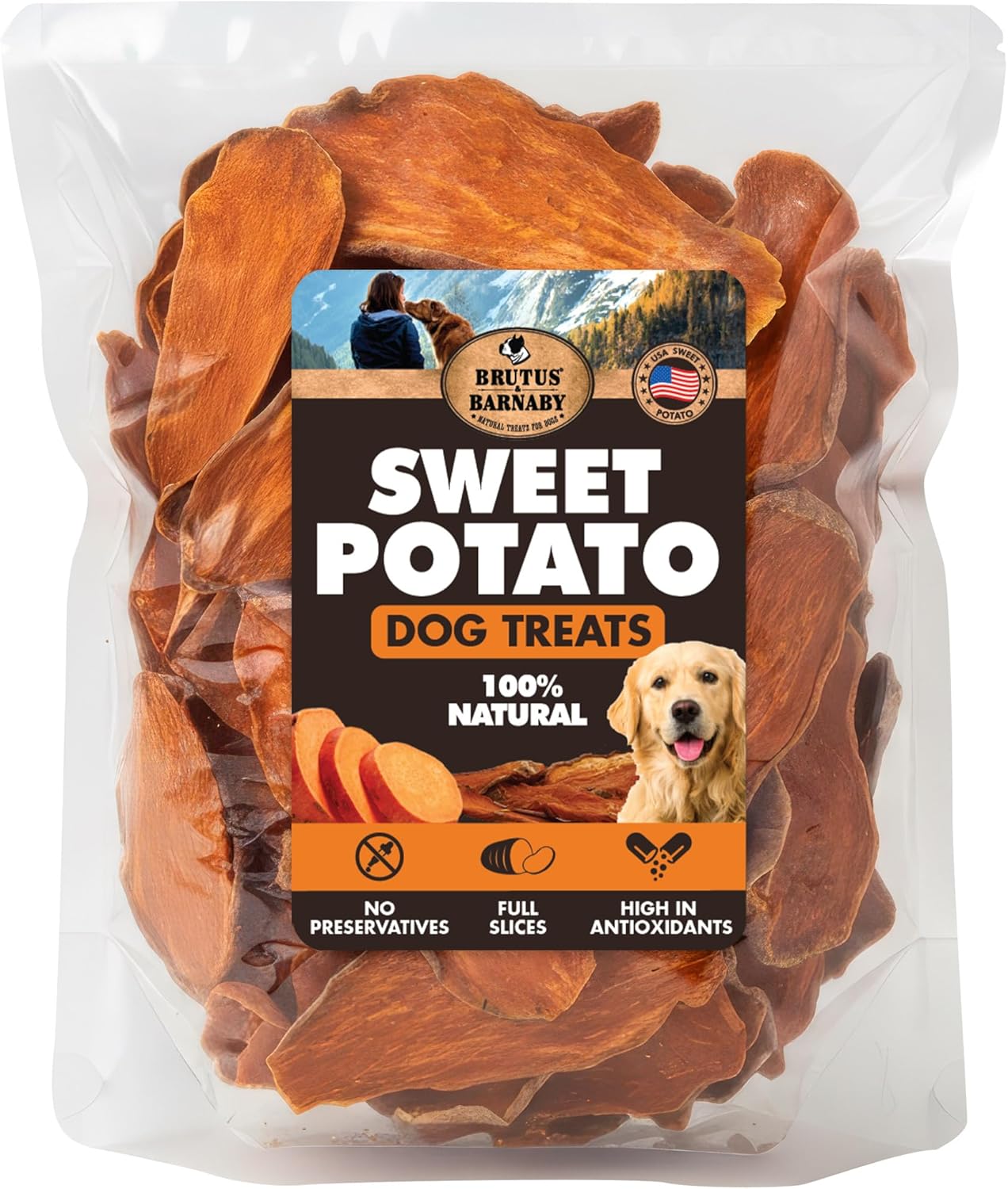
Brutus and Barnaby Sweet Potato Slices for dogs with sensitive teeth
Best Gentle Chew

Sweet Potato Slices

A simple plant-based treat option for dogs who need something gentler than dense meat chews.

  • Simple sweet potato treat
  • Gentle digestion
  • Fiber-forward snack
  • Easy to portion smaller
Shop Sweet Potato Slices
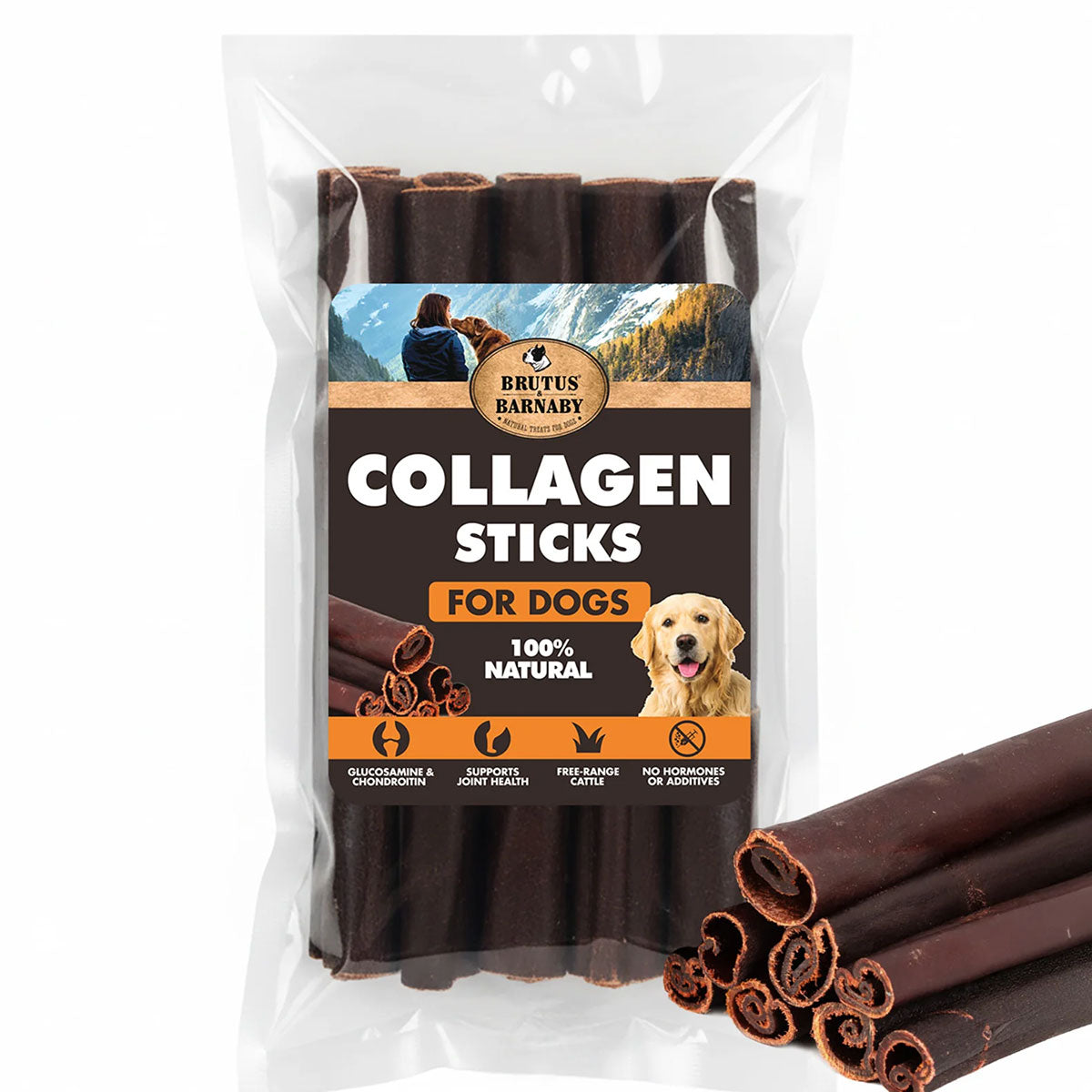
Brutus and Barnaby Beef Collagen Sticks for supervised chew time
Best Supervised Longer Chew

Beef Collagen Sticks

A rawhide-free chew option for dogs who can still chew comfortably and need a longer supervised session.

  • Rawhide-free chew
  • Best with supervision
  • For dogs who can still chew comfortably
  • Remove small end pieces
Shop Beef Collagen Sticks
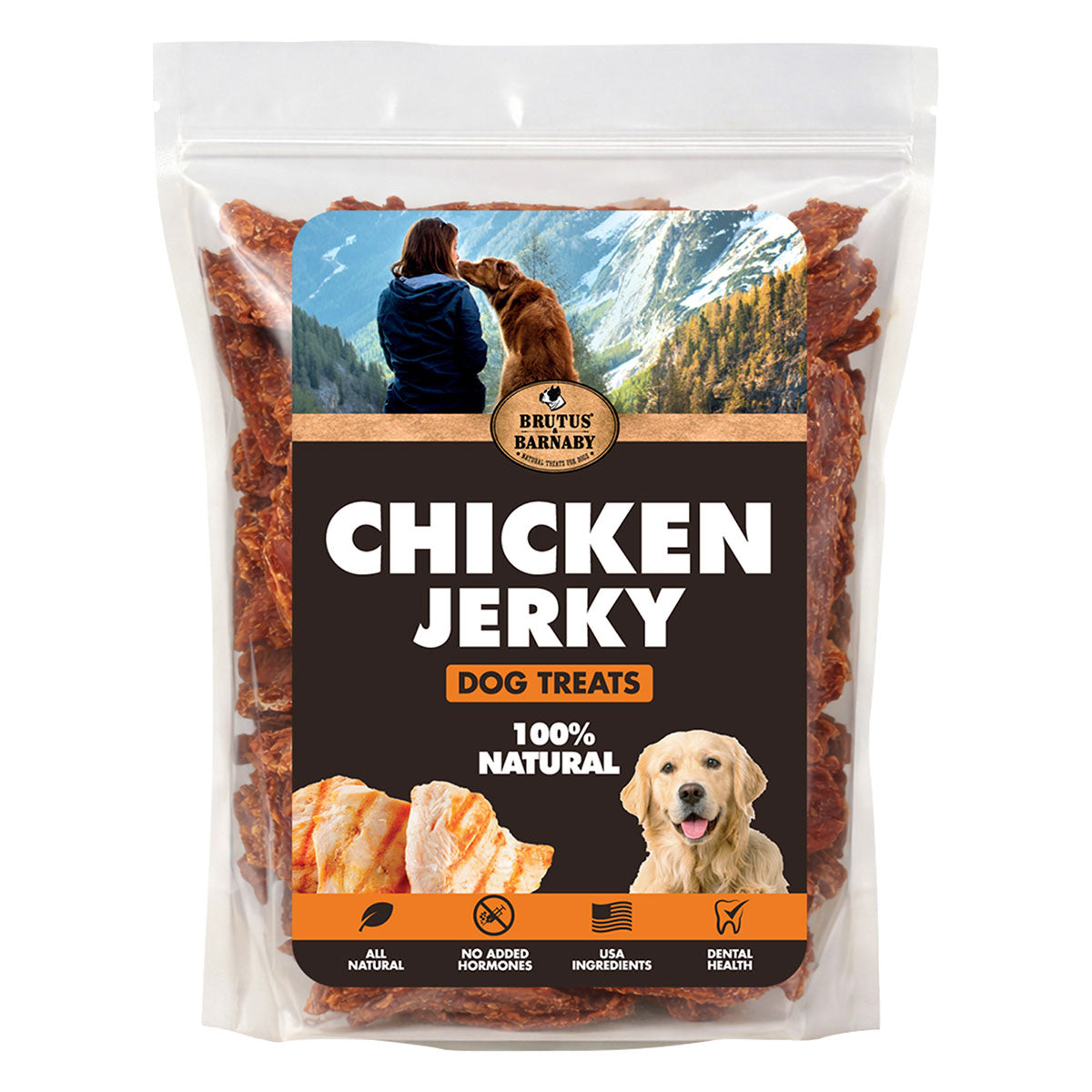
Brutus and Barnaby Chicken Jerky breakable dog treat
Best Breakable Protein Treat

Chicken Jerky

A lean protein reward that can be broken into smaller pieces for dogs who need easier treating.

  • Breakable protein treat
  • Great for smaller portions
  • High-value reward
  • Useful for controlled treating
Shop Chicken Jerky
Brutus and Barnaby Beef Liver Dog Food Topper for senior dogs
Best No-Chew Option

Beef Liver Dog Food Topper

Not a chew, but a helpful option for dogs who cannot comfortably chew and still need flavor, enrichment, and meal excitement.

  • No chewing required
  • Great for picky senior dogs
  • Mixes into meals
  • Helpful for soft food routines
Shop Beef Liver Topper

When a Longer Chew May Still Work

Some older dogs still chew confidently and do not have active dental pain. In those cases, a longer chew may still be appropriate if it is correctly sized, supervised, and removed before it becomes small enough to swallow.

For strong senior dogs, Beef Cheek Rolls may fit only if your dog can comfortably handle a firmer, more substantial chew. Dogs with painful teeth, weak teeth, missing teeth, or dental disease may need softer options instead.

Dental comfort rule: if your dog drops the chew, paws at their mouth, chews on one side, avoids the treat, or seems painful, stop and ask your veterinarian.

Frequently Asked Questions

QAre soft chews safe for dogs with missing teeth?
Soft, breakable, or no-chew options can be easier for many dogs with missing teeth, but the safest choice depends on your dog’s mouth health and chewing style. Supervise all treats and ask your veterinarian if your dog has pain or dental disease.
QCan soft chews help with bad breath related to dental disease?
Chews and treats do not treat dental disease. Bad breath can be a sign of dental infection, gum disease, or other health issues, so persistent odor should be checked by a veterinarian.
QHow do I know if a chew is too hard for my dog’s teeth?
A chew may be too hard if your dog tries to crush it, makes cracking sounds, drops it, paws at their mouth, or avoids chewing. Many pet dental professionals suggest avoiding chews you cannot dent with a thumbnail.
QWhat is the best no-chew treat for senior dogs?
A food topper can be a good option for dogs who cannot chew comfortably. Beef Liver Dog Food Topper mixes into meals and adds flavor without requiring chewing.
QAre there choking risks with soft chews?
Yes. Any treat can become a choking risk if it is too large, too small, swallowed whole, or used without supervision. Choose the right size, break treats smaller when needed, and supervise your dog.

The Bottom Line

Dogs with dental problems need treats that match their current mouth health. The best choices are often soft, airy, breakable, easy to portion, or mixable into food.

Beef Lung Bites, Sweet Potato Slices, Chicken Jerky, Beef Collagen Sticks, and Beef Liver Dog Food Topper can all fit different dental comfort needs. For dogs with pain, missing teeth, cracked teeth, or dental disease, ask your veterinarian which texture is safest.

Find a Gentler Treat Option

Shop soft-crunch treats, breakable rewards, food toppers, and supervised chews that fit your dog’s comfort level.

Shop Gentle Treat Options
Important Notice
Disclaimer: The information in this article is for general educational purposes only and does not constitute veterinary, medical, dental, nutritional, diagnostic, emergency, training, or product safety advice. Dental comfort and treat suitability depend on your dog’s age, size, breed, dental health, missing teeth, gum condition, chewing style, swallowing behavior, health status, allergies, digestion, and supervision. Treats and chews should be appropriately sized, introduced gradually, counted within daily calories, and offered under active supervision. Always provide fresh water, remove small pieces that may be swallowed, and contact a veterinarian if your dog shows mouth pain, broken teeth, bleeding, swelling, bad breath, pawing at the mouth, drooling, refusing food, chewing on one side, choking, vomiting, diarrhea, lethargy, excessive gulping, or suspected obstruction. Ask your veterinarian before offering chews to dogs with dental disease, loose teeth, oral pain, recent dental procedures, senior dogs with weak teeth, or dogs with a history of broken teeth. Brutus & Barnaby products and educational content are not intended to diagnose, treat, cure, or prevent any medical condition. Ingredient sourcing and product formulations are subject to change — always refer to current product packaging for the most accurate information. Keep all treats out of reach of children.


```