



Picky Eater Dog Chews: Zero-Waste Introduction Guide
If your picky pup turns their nose up at new chews, you are not alone — and it does not mean money wasted. The right introduction method can help your dog feel curious, confident, and ready to try something new.
If your dog has become a finicky chewer, you are not alone. Introducing new chews to a selective pup does not have to mean wasted money, frustration, or a pile of ignored treats. With the right approach and a little patience, you can help your picky eater discover chews they will actually love.
The goal is simple: start small, remove pressure, learn your dog’s true preferences, and only then buy more of what works. This guide shows you how to introduce new picky eater dog chews without wasting treats or forcing your dog into something they do not enjoy.
Zero-waste rule: do not judge a new chew from one sniff. Many picky dogs need several calm exposures before they decide a chew is worth trying.
Why Picky Dogs Reject New Chews
Understanding Your Picky Eater's Taste Preferences
Every dog is unique. Some pups are naturally cautious about new things, while others simply have not found their favorite texture or flavor yet. If you have a picky eater, rejection is not personal — it is your dog’s way of saying, “this is not quite right for me.”
Dogs can be sensitive to texture, hardness, smell, size, and even the way a chew feels in their mouth. A dog who turns down one type of chew might love another, and that is perfectly normal. Before you invest in a variety of picky eater dog chews, take time to observe what your dog already enjoys.
What Your Dog Likes
What Creates Waste
Your dog’s age, size, and chewing style all matter. A senior dog might need softer options, while a confident chewer may need something more durable. For deeper preference clues, read our guide on why dogs prefer certain chews and how to find your dog's favorite.
The Slow-Introduction Method That Actually Works
Throwing a new chew at a picky eater and hoping for the best usually leads to waste. Instead, introduce new chews the same way you would introduce a new food: slowly, calmly, and with no pressure.
Dogs sometimes need multiple exposures before they commit to a new chew. For step-by-step diet transition guidance, our guide on how to safely introduce new chews into your dog's diet is a helpful next read.
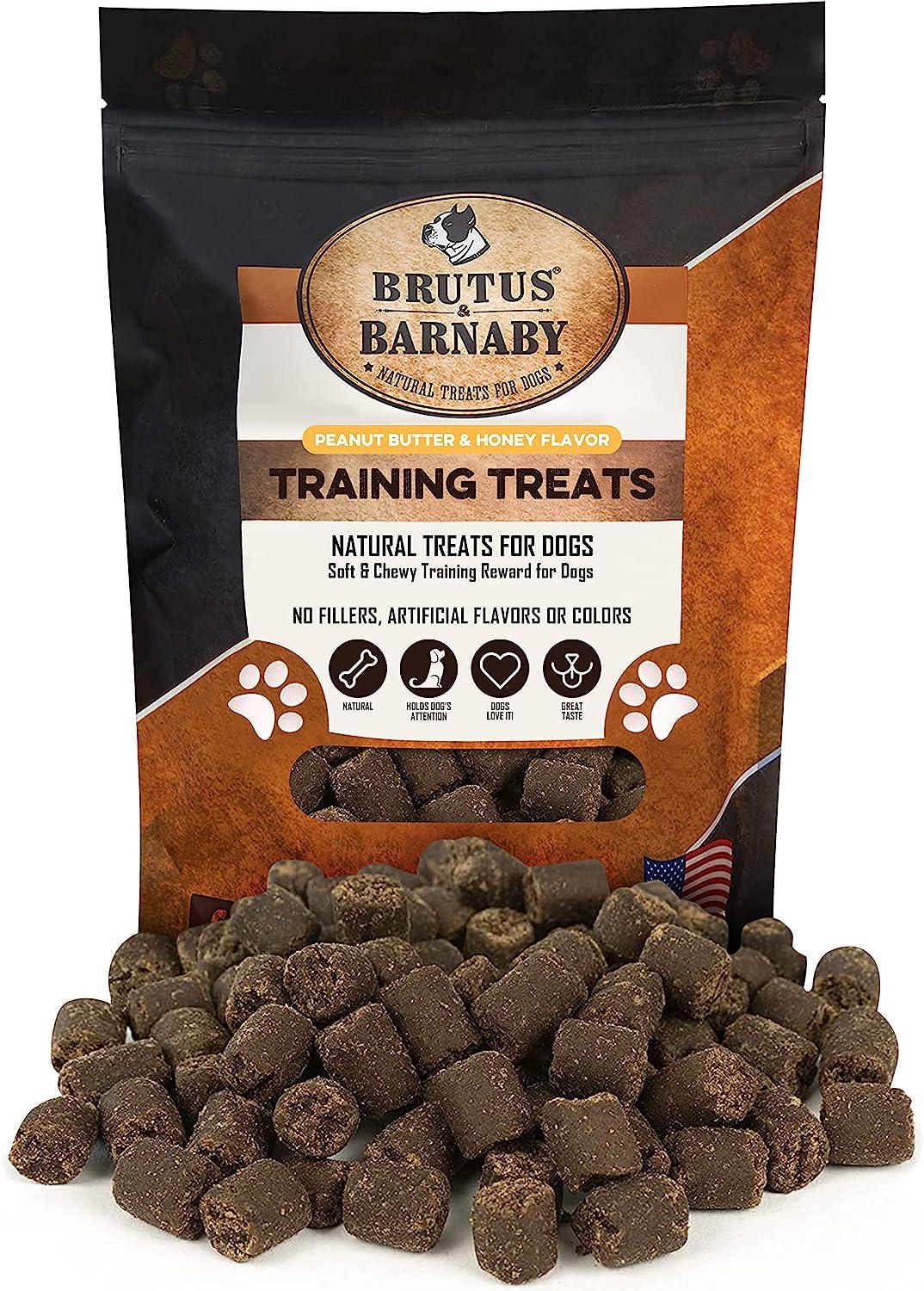
Peanut Butter & Honey Training Treats
A soft, easy starter treat for picky dogs who need a lower-pressure introduction before moving into longer chew sessions.
- Soft texture for easy acceptance
- Great for reward-based introductions
- Easy to portion into small wins
- Good for hesitant or cautious dogs
What Happens When Your Picky Dog Finds Their Perfect Match
The right chew does more than prevent waste. It gives your dog healthy enrichment, chewing satisfaction, and something they can look forward to.
Top Chews for Picky Eaters: Our Tried-and-True Favorites
For picky dogs, it helps to test different textures. Start with something easy and high-reward, then move toward chews that match your dog’s style: soft, crunchy, meaty, chewy, or longer-lasting.
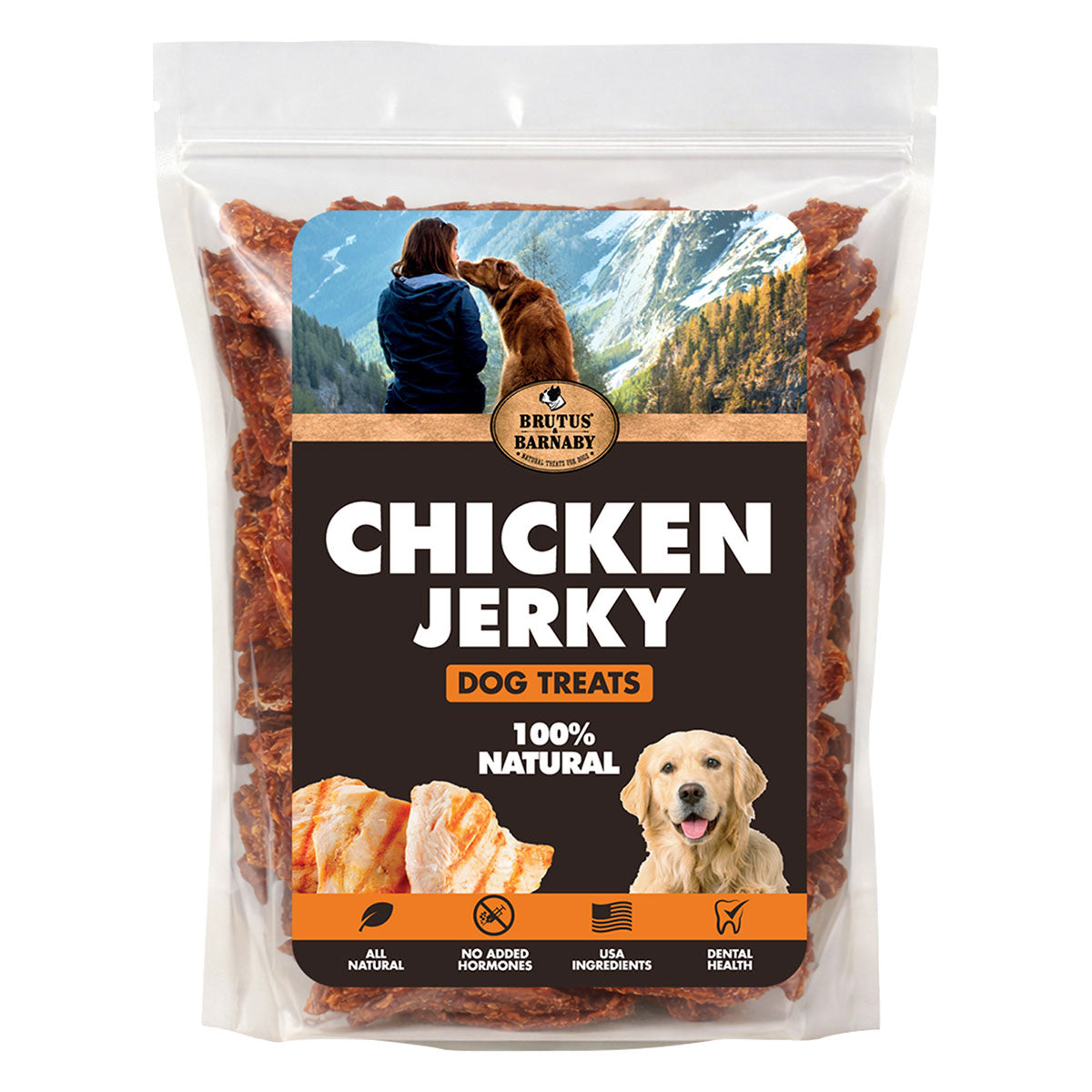
Chicken Jerky Dog Treats
A simple, meaty option for dogs who respond best to familiar protein smells and easy-to-understand treats.
- Strong meaty appeal
- Easy to portion smaller
- Great for testing protein preference
- Best for supervised treating
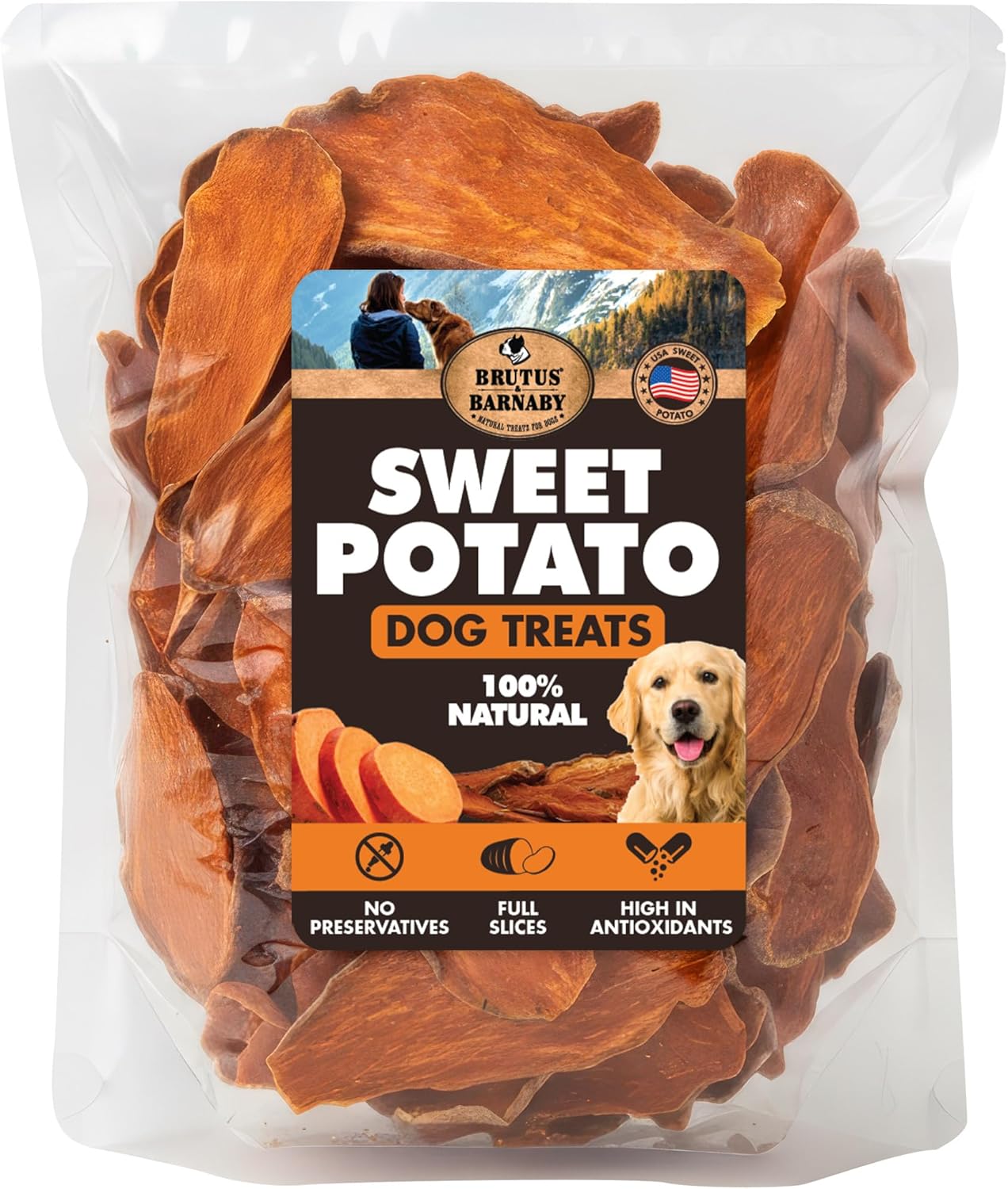
Sweet Potato Slices
A chewy, fiber-rich option for picky dogs who prefer gentler, plant-based treats or need something easier on the stomach.
- Chewy texture
- Simple plant-based option
- Good for sensitive stomachs
- Easy to offer in small pieces
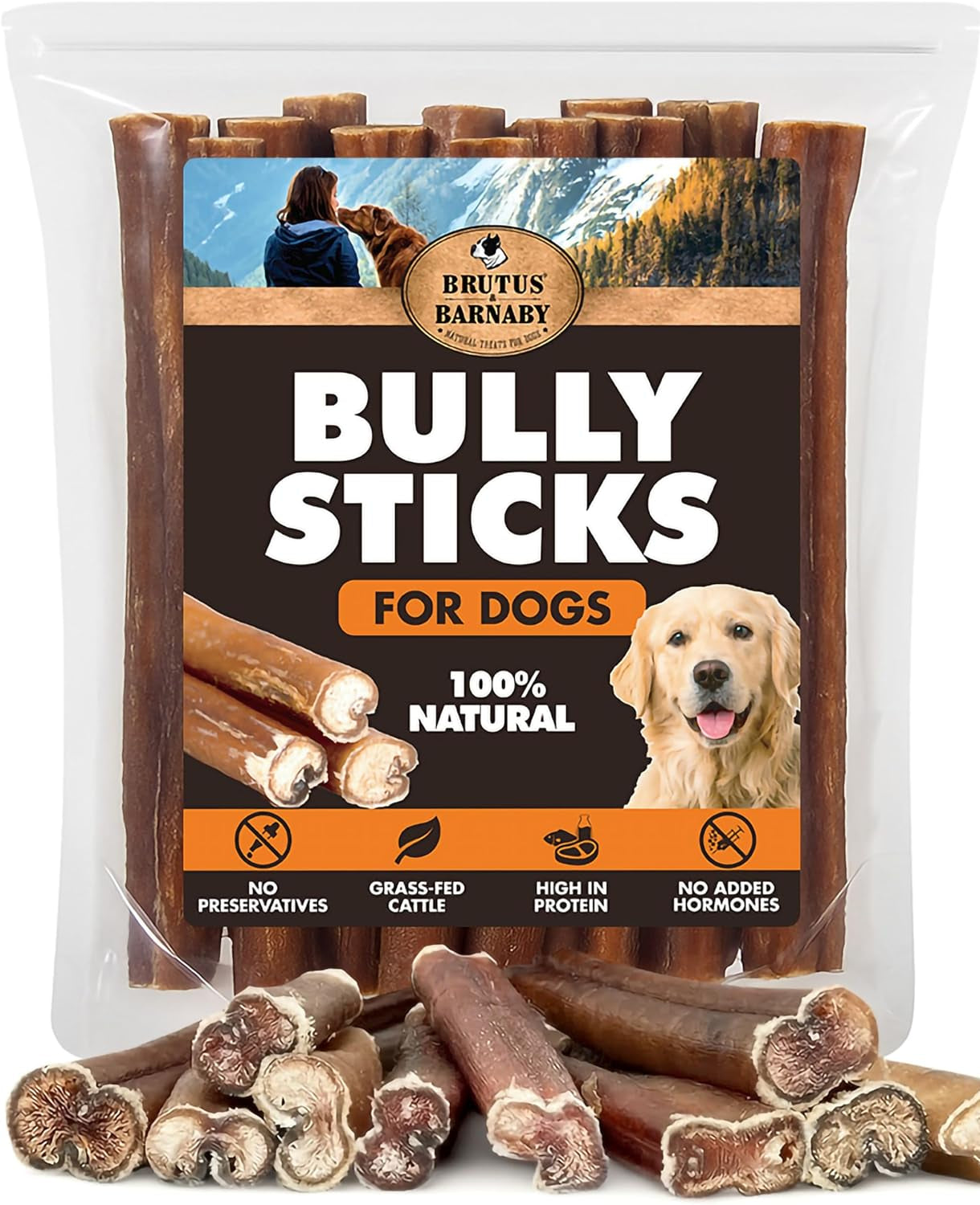
Natural Bully Sticks
A classic choice for picky dogs who prefer a more engaging chew and need something that holds their attention longer.
- Long chew time
- High-interest natural chew
- Great for confident chewers
- Best for supervised chew sessions
Common Worries: Cost, Safety & That Pile of Rejected Chews
Won't This Just Waste More Money?
One of the biggest hesitations dog owners have is the fear of spending money on chews their picky eater will reject. It is a valid concern. The difference is in the method. Instead of buying large quantities of new chews and hoping something sticks, start with smaller sizes or a few different textures that let you test without a big commitment.
Think of it as an investment in discovery rather than an expense. Once you understand what your dog loves, you will know exactly what to buy going forward. You will waste far less money in the long run because you have figured out their preferences. Our all treats and chews collection gives you different proteins, textures, and chew styles to compare.
What If My Dog Still Refuses New Chews?
If you have tried the patient introduction method and your pup still is not interested, it may be a matter of hardness, texture, smell, or size. Some picky eaters will not engage with chews that are too hard, while others find softer options boring.
This is where understanding chew characteristics becomes important. Learning about chew hardness and whether dog chews can crack teeth helps you match options to your dog’s comfort level. You can also review how to avoid choking hazards with animal ears and chews before introducing larger or longer-lasting treats.
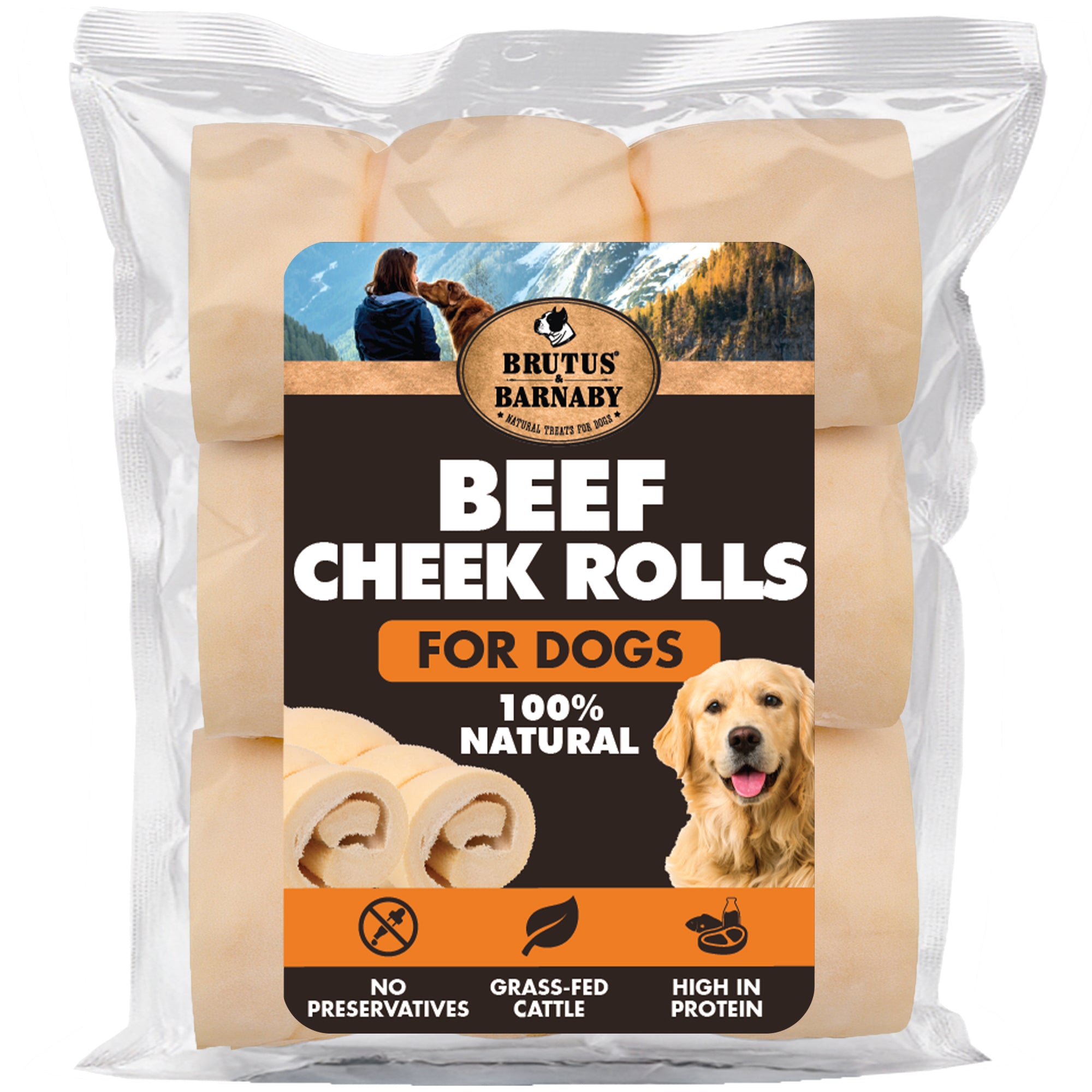
Beef Cheek Rolls
A more substantial option for picky dogs who ignore quick treats but love settling in with a longer chew.
- Long chew time
- Rawhide-free option
- Great for stronger chewers
- Best for supervised use
Quick Comparison: Which Chew Should You Try First?
Best first move: start with the easiest win, then work toward longer chews after your dog shows confidence.
Frequently Asked Questions
Final Takeaway
Picky eater dog chews are not about finding one magic product. They are about learning your dog’s preferences and introducing new options in a way that feels safe, calm, and rewarding.
Start with small wins like Training Treats or Chicken Jerky, then test chewier options like Sweet Potato Slices, Natural Bully Sticks, or Beef Cheek Rolls once you know your dog is interested.
Ready to End Chew Rejection?
Explore natural treats and chews that let you test different textures, proteins, and chew styles until your picky dog finds a true favorite.
Shop Best Sellers