



Can Dog Chews Crack Teeth?
Chewing is healthy and enriching, but overly hard chews can put too much force on your dog’s teeth.
Dog chews are great for mental stimulation, boredom relief, and satisfying your dog’s natural need to chew. But there is a point where “long-lasting” becomes too hard — and that can become risky.
Many dog owners do not realize that certain chews can contribute to cracked or broken teeth, especially when they are extremely hard, brittle, or do not give under pressure. Dental injuries can be painful, expensive to treat, and easy to miss until they become serious.
The goal is not to avoid chewing. The goal is to choose chews that are durable enough to satisfy your dog, but not so rock-hard that the force transfers directly into the tooth.
Can Dogs Break Their Teeth by Chewing?
Yes, dogs can break their teeth from chewing, especially if they bite down hard on something that does not flex, soften, or wear down gradually.
When a chew has no “give,” the chewing force transfers directly to the tooth. That can increase the risk of chips, cracks, slab fractures, gum irritation, or pain — especially in aggressive chewers who bite with full force instead of slowly gnawing.
Be Careful With
Look For Chews That
How Hard Is Too Hard for Dogs?
A simple rule: if a chew is harder than your dog’s teeth, it may be too hard. The chew should have some ability to soften, flex, dent, or gradually wear down as your dog works on it.
Many veterinarians and dental professionals recommend the “thumbnail test.” Press your thumbnail into the chew. If you cannot leave any mark at all, the chew may be too hard for many dogs, especially aggressive chewers, puppies, seniors, or dogs with dental history.
Simple test: if a chew feels rock-hard, cannot be dented, and makes your dog bite with full force, it may be too hard.
How Do I Know If a Chew Is Too Hard?
You do not need complicated tools. Watch how your dog uses the chew. A safer chew should encourage steady gnawing, not frustrated crushing.
A chew may be too hard if your dog tries to crush it instead of gnawing, makes loud cracking sounds while biting, seems frustrated, or repeatedly attacks it with excessive force.
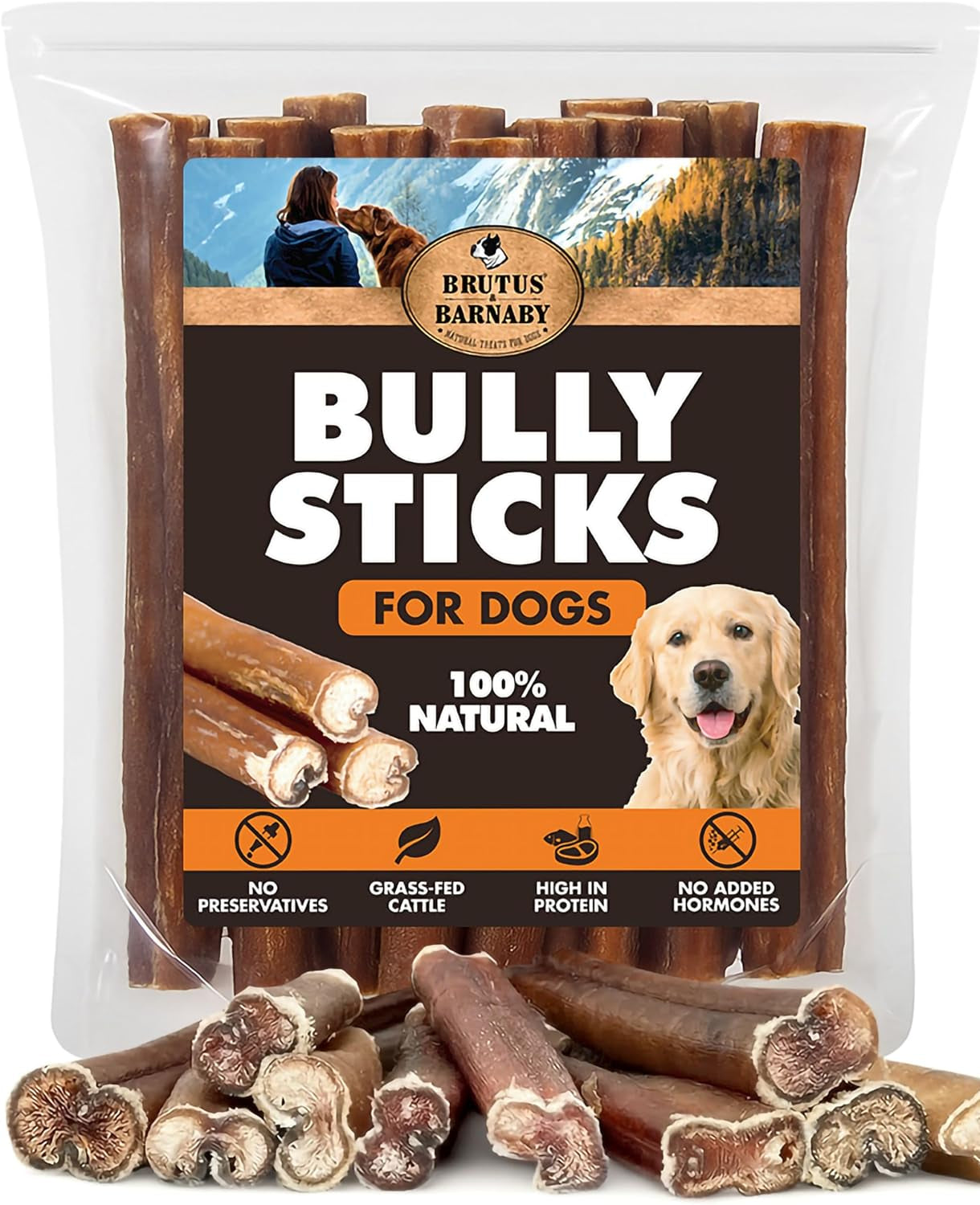
Natural Bully Sticks
A satisfying rawhide-free chew that softens as dogs chew and supports supervised enrichment.
Shop Bully Sticks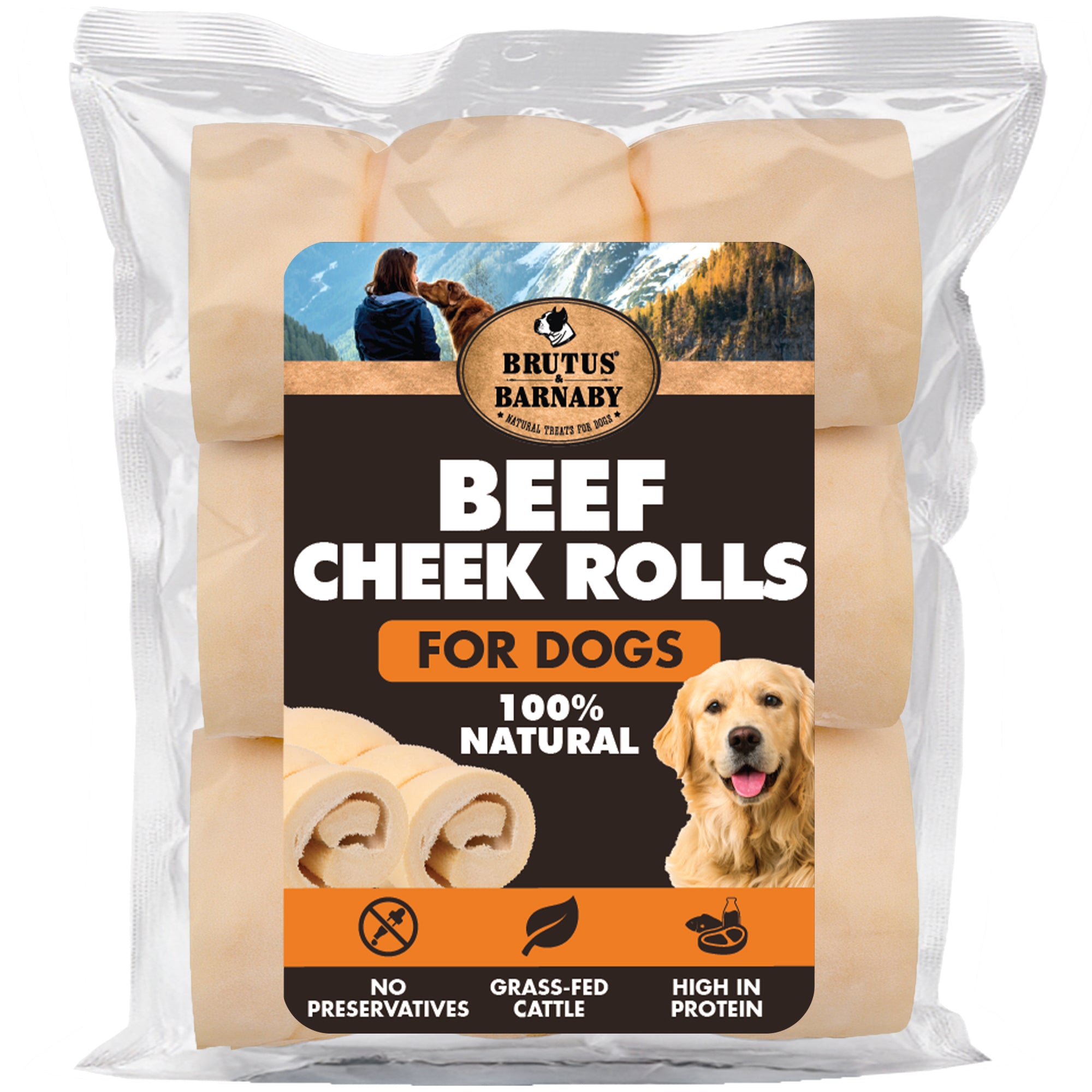
Beef Cheek Rolls
A dense, rawhide-free chew for supervised chew time and dogs who need a longer-lasting outlet.
Shop Beef Cheek RollsChew behavior rule: gnawing is better than crushing. If your dog is trying to crack the chew apart, remove it and choose a different texture.
Are Hard Chews Bad for Dogs’ Teeth?
Not all firm chews are automatically bad, but extremely hard chews can be risky. There is a difference between firm and long-lasting versus rock-hard and unyielding.
The goal is to choose chews that give slightly, soften with saliva, or wear down gradually. Chews that do not change at all under pressure are more likely to put force back into the teeth.
What Are the Risks of Hard Chews?
When a chew is too hard for your dog, the risks can go beyond a small chip. Dental injuries often go unnoticed until the dog starts avoiding food, chewing on one side, drooling, or showing pain.
Watch for pain: pawing at the mouth, refusing food, drooling, bad breath, bleeding, swelling, or chewing on one side should prompt a vet check.
What About Dental Chews?
Dental chews can be helpful, but not all are created equal. Some heavily processed or overly dense dental chews may be too hard for certain dogs, difficult to break down, or poorly matched to aggressive chewers.
Look for options that balance texture and digestibility instead of relying only on hardness. A chew does not need to be rock-solid to be satisfying.
Dental chew reminder: no treat replaces regular veterinary dental care, tooth checks, and a dental routine recommended by your veterinarian.
Choosing the Right Chew
The safest chews are matched to the dog. A gentle senior dog, a teething puppy, a moderate adult chewer, and a strong power chewer all need different textures and sizes.
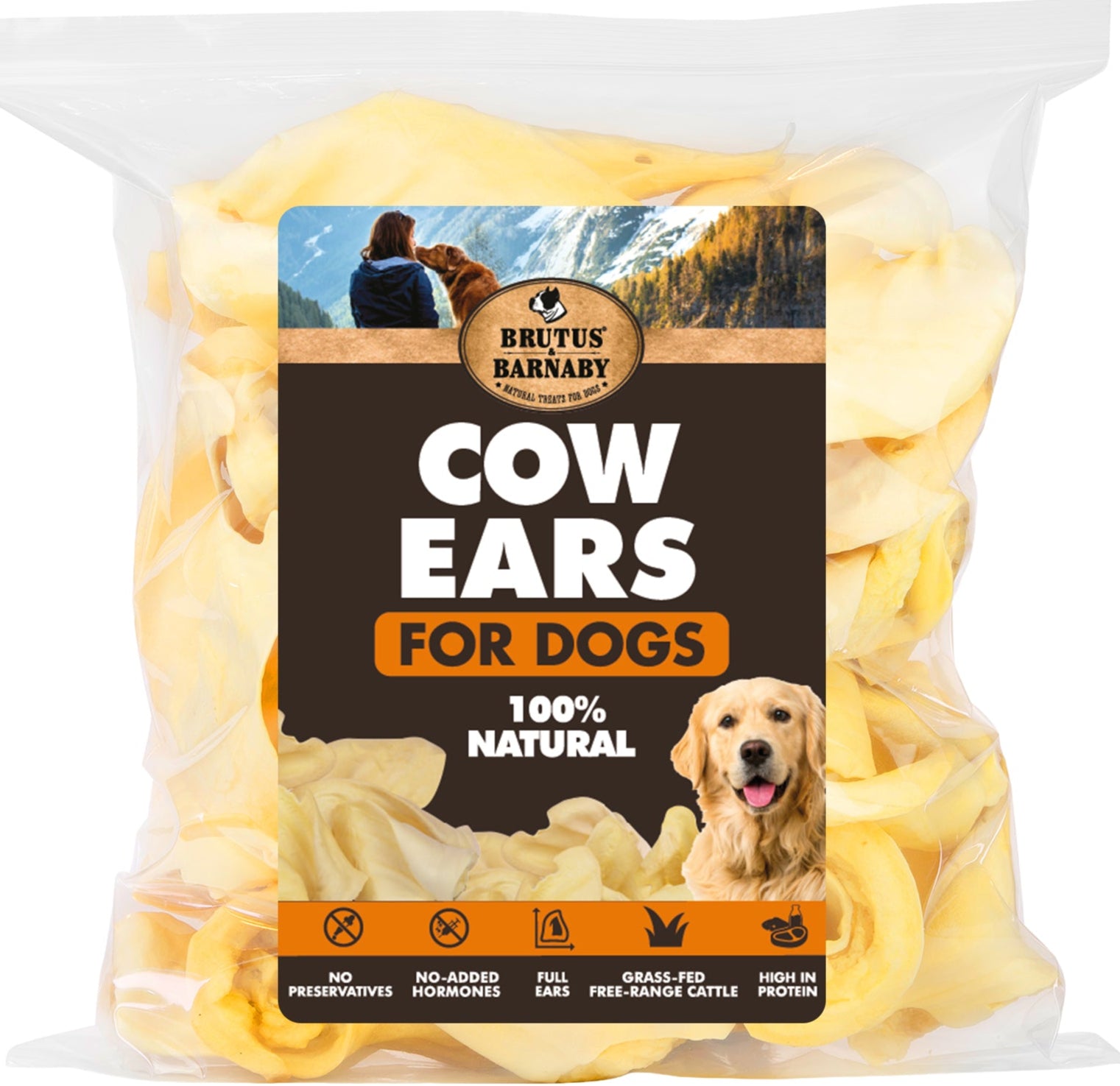
Cow Ears
A lighter natural chew for dogs who enjoy crunchy satisfaction without an ultra-dense chew.
- Lighter chew option
- Great for moderate chewers
- Supervised chew time
- Natural chew satisfaction
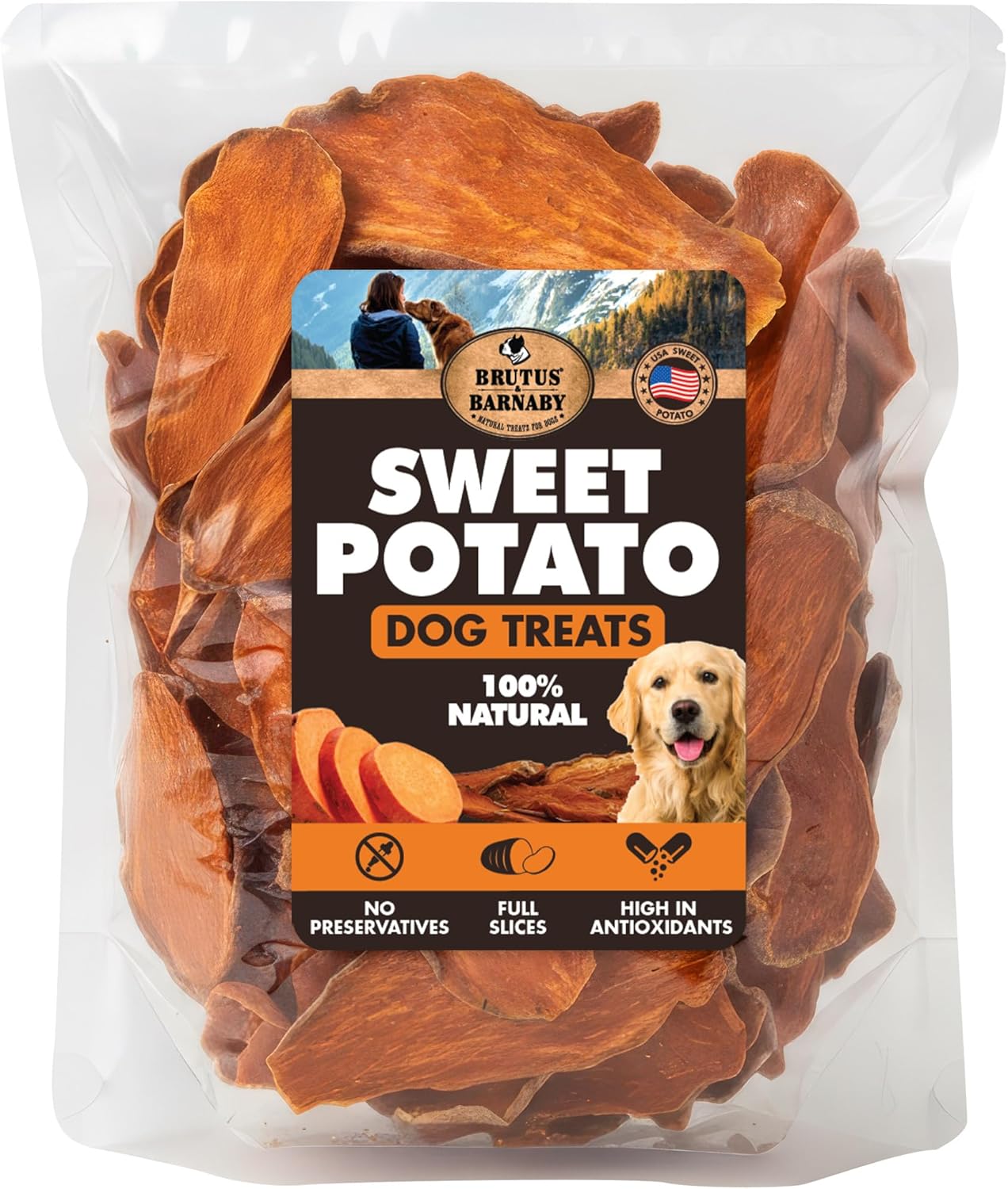
Sweet Potato Slices
A simple plant-based snack option for dogs who need a gentler reward instead of a dense chew.
- Gentle digestion
- Fiber-forward snack
- Simple sweet potato treat
- Easy to portion smaller
Frequently Asked Questions
The Bottom Line
Dog chews can crack teeth when they are too hard, too brittle, or poorly matched to your dog’s chewing style. The key is balance: choose chews that are durable, but not rock-solid.
A safer chew should keep your dog engaged while gradually softening, denting, or wearing down. Bully Sticks, Beef Cheek Rolls, Cow Ears, and Sweet Potato Slices can all fit different needs depending on your dog’s age, dental health, chewing style, and supervision.
Choose Chews with the Right Balance
Shop natural chews and treats that match your dog’s chewing style, routine, and dental needs.
Shop Dog Chews & Treats```