

How to Tell If Dog Treats Have Too Much Fat (Avoid Digestive Issues)

Posted by Doug Joyce on

DOG DIGESTION GUIDE

High-Fat Dog Treats: Digestive Issues to Watch

Rich treats can be rewarding, but too much fat or too many treats can quickly upset your dog’s stomach.

Digestive Health Low-Fat Treating 10% Treat Rule

Dog treats are meant to be rewarding, but when they contain too much fat — or are given too often — they can quickly lead to digestive problems.

The tricky part is that high-fat treats are not always obvious. Some look natural and healthy, but can still be rich enough to overwhelm your dog’s system if you give too much too soon.

This guide explains what happens when dogs eat too much fat, how to spot early digestive warning signs, and how to choose smarter treat options for everyday rewards.


What Happens If Dogs Eat Too Much Fat?

Too much fat can overwhelm your dog’s digestive system. In the short term, it may lead to loose stool, vomiting, gas, nausea, discomfort, or a sudden change in appetite.

In more serious cases, a very rich meal or repeated high-fat treats may contribute to pancreatitis risk in some dogs. Pancreatitis is painful and requires veterinary care, so sudden vomiting, abdominal pain, lethargy, or refusal to eat should never be ignored.

Mild Digestive Upset

Watch For

!Loose stool or diarrhea
!Gas or stomach gurgling
!Reduced appetite
!Acting uncomfortable after eating
Call Your Vet

More Concerning Signs

!Repeated vomiting
!Lethargy or weakness
!Abdominal pain or hunched posture
!Refusing food or water

Key point: fat content matters just as much as ingredient quality. A natural treat can still be too rich if the portion is too large.


Can Too Many Treats Upset a Dog’s Stomach?

Yes — and it happens more often than many owners realize. Even high-quality treats can cause issues if given in excess.

When treats make up too much of your dog’s daily intake, especially fatty ones, it can disrupt digestion, throw off nutrient balance, and reduce appetite for complete and balanced meals. It is not just what you give — it is how much and how often.

Treat Issue What It Can Cause Better Habit
Too many rich treats Loose stool, gas, nausea, vomiting. Use small portions and rotate lighter rewards.
Treats replacing meals Nutrient imbalance over time. Keep treats around 10% of daily calories.
New treats introduced too quickly Sudden digestive upset. Introduce one new treat at a time and monitor for 24 hours.

How to Tell If a Treat Is Too High in Fat

You do not always need lab analysis to spot a rich treat. Some practical clues can tell you when a treat may be better saved for occasional use instead of everyday rewards.

1
Greasy feel. The treat leaves oily residue on your hands, floor, mat, or dog’s paws.
2
Strong oily smell. Richer animal-based chews often smell stronger and may be heavier on digestion.
3
Very dense texture. Dense, rich treats may be better for occasional chew sessions than repeated rewards.

Natural chews like Pig Ears can be richer, so they are best used in moderation. Leaner or easier-to-portion options like Sweet Potato Slices and Chicken Jerky may be easier to fit into a daily routine for many dogs.
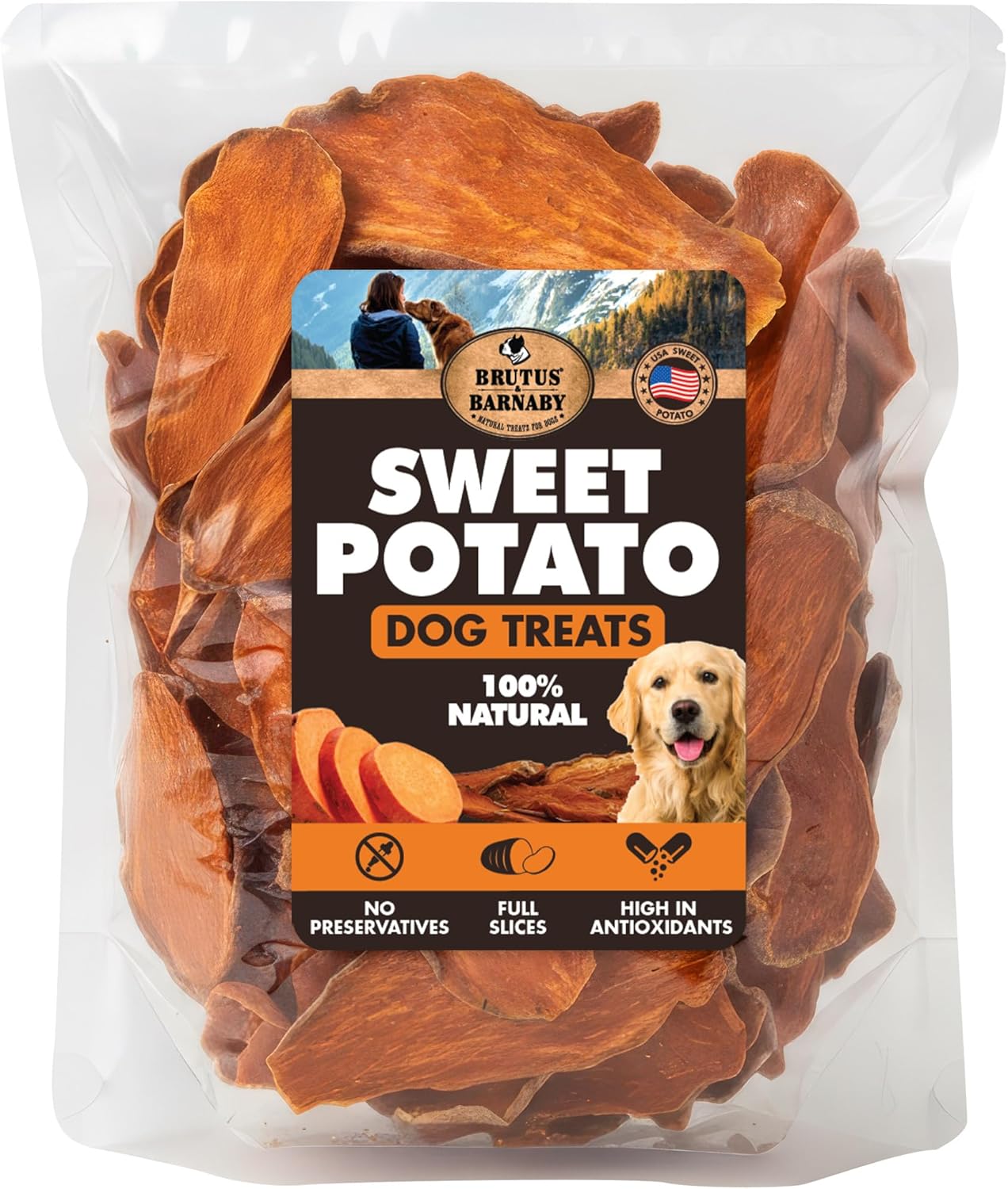
Brutus and Barnaby Sweet Potato Slices lower-fat dog treats
Lighter Snack Pick

Sweet Potato Slices

A simple plant-based reward for dogs who need a lighter snack routine.

Shop Sweet Potato Slices
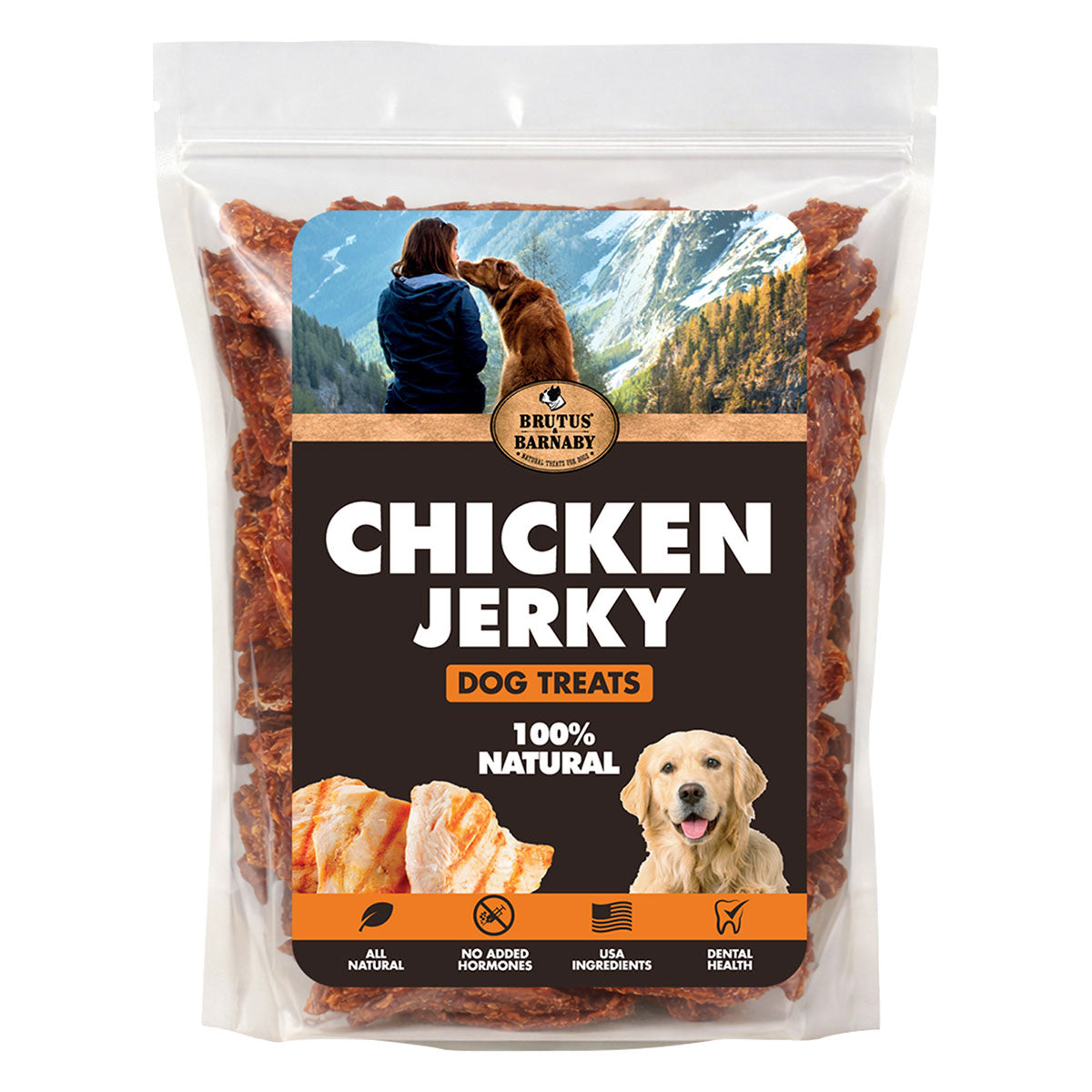
Brutus and Barnaby Chicken Jerky lean dog treats
Lean Protein Pick

Chicken Jerky

A breakable protein reward for training, high-value moments, and easier portion control.

Shop Chicken Jerky

Signs Your Dog Is Getting Too Much Fat

Your dog will often show early warning signs when a treat is too rich or too much for their system. These signs may appear after a new treat, a larger-than-normal portion, or repeated rich snacks over a few days.

Sign What It May Suggest What to Do
Loose stool or diarrhea Too much fat, too much volume, or sensitivity. Pause the treat and monitor. Call your vet if severe or ongoing.
Gas or bloating Treat may be too rich or introduced too quickly. Reduce portion size and introduce slower.
Vomiting Possible intolerance, overfeeding, or medical concern. Stop the treat and contact your veterinarian if repeated or concerning.
Lethargy after eating Dog may feel unwell or uncomfortable. Call your vet if unusual, severe, or paired with vomiting or pain.

Vet note: repeated vomiting, severe diarrhea, abdominal pain, weakness, or refusal to eat should be checked by a veterinarian.


Signs of Overfeeding — Not Just Fat

Sometimes the issue is not only fat. It is total treat volume. Even healthy treats can cause problems when they are overused or given on top of full meals without adjusting daily calories.

1
Weight gain over time. Treat calories add up quickly, especially for small dogs.
2
Frequent soft stools. Too many treats can disrupt digestion even if the treat itself is high quality.
3
Reduced appetite for meals. Treats should not replace complete and balanced dog food.

How Many Treats Per Day Is Safe?

A simple guideline is that treats should make up no more than about 10% of your dog’s daily calories. The other 90% should come from complete and balanced dog food.

For smaller dogs, the treat allowance is much lower because their daily calorie needs are lower. A treat that seems small to you may be a large calorie portion for a toy breed, senior dog, or dog on a weight-management plan.

10% rule: treats, chews, toppers, and table scraps all count toward the treat budget.


Choosing Lower-Fat, Easier-to-Manage Options

Not all treats need to be rich to be rewarding. For daily treating, look for options that are easy to portion, simple to understand, and not overly greasy.

Treat Direction Best For Good Product Fit
Small training rewards Daily training, repetition, and portion control. Training Treats.
Lean protein treats High-value rewards that can be broken smaller. Chicken Jerky.
Hearty but portionable snacks Dogs who need a satisfying reward without a large chew. Beef Meat Sticks.
Brutus and Barnaby Peanut Butter Banana Training Treats for dogs
Portion-Control Pick

Peanut Butter Banana Training Treats

Small, soft rewards for training, daily routines, and easier portion control.

Shop Training Treats
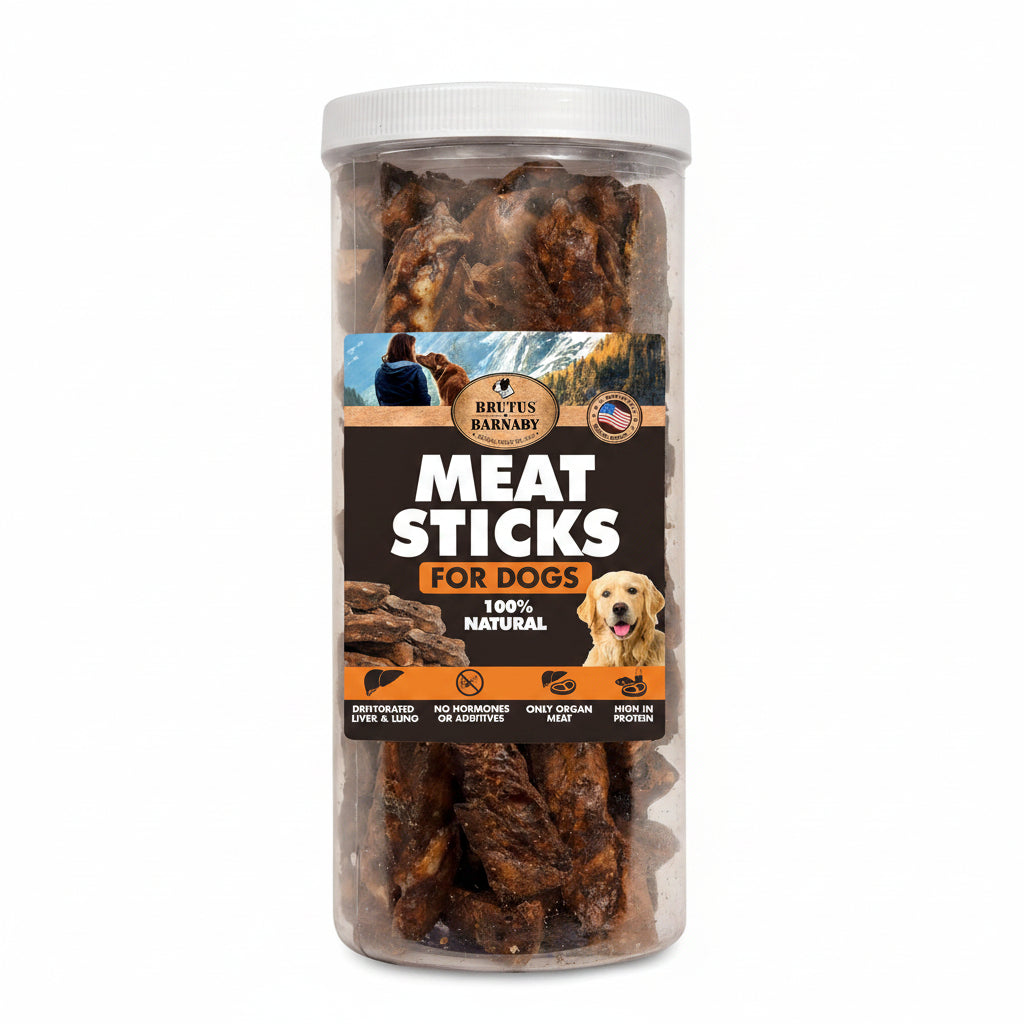
Brutus and Barnaby Beef Meat Sticks for dogs
Hearty Reward Pick

Beef Meat Sticks

A hearty beef-based reward that is easier to portion than a large chew.

Shop Beef Meat Sticks

Frequently Asked Questions

QWhat happens if dogs eat too much fat?
Too much fat can cause loose stool, diarrhea, vomiting, gas, nausea, or discomfort. In more serious cases, rich foods may contribute to pancreatitis risk in some dogs.
QCan too many treats upset a dog’s stomach?
Yes. Too many treats can upset digestion, especially if they are rich, fatty, new to your dog, or given on top of full meals.
QHow do I know if a dog treat is too high in fat?
Practical signs include a greasy feel, oily residue, strong oily smell, or very rich dense texture. Your dog may also show loose stool, gas, or vomiting after eating it.
QHow many treats per day is safe?
A common guideline is that treats should make up no more than about 10% of daily calories. Your veterinarian can help calculate the right amount for your dog.
QAre Pig Ears too fatty for dogs?
Pig Ears can be richer than many lighter treats, so they are best used in moderation and introduced slowly. Dogs with sensitive stomachs or a history of pancreatitis should follow veterinary guidance.

The Bottom Line

Too much fat in dog treats can quietly lead to digestive issues — and in some dogs, rich treats may contribute to more serious health concerns. The key is balance: avoid overly greasy treats as everyday rewards, use richer chews in moderation, and watch your dog’s response.

A good treat should reward your dog, not upset their system. Sweet Potato Slices, Chicken Jerky, Training Treats, and Beef Meat Sticks can all fit different routines when portions are managed and introduced thoughtfully.

Choose Treats That Fit Your Dog’s Stomach

Shop simple treats, portion-friendly rewards, and natural chews that fit your dog’s routine.

Shop Dog Treats & Chews
Important Notice
Disclaimer: The information in this article is for general educational purposes only and does not constitute veterinary, medical, nutritional, diagnostic, emergency, weight-management, or product safety advice. Digestive tolerance, fat tolerance, pancreatitis risk, stool quality, and treat suitability vary by dog based on age, size, breed, health status, allergies, digestion, diet history, activity level, and daily calorie needs. Treats and chews should be appropriately sized, introduced gradually, counted within daily calories, and offered under supervision. Always provide fresh water and contact a veterinarian if your dog shows repeated vomiting, diarrhea, lethargy, appetite changes, abdominal pain, bloating, weakness, fever, dehydration, choking, dental pain, excessive drooling, gulping, or suspected obstruction. Dogs with a history of pancreatitis, digestive disease, obesity, diabetes, or special dietary needs should follow veterinary guidance before eating rich or high-fat treats. Brutus & Barnaby products and educational content are not intended to diagnose, treat, cure, or prevent any medical condition. Ingredient sourcing and product formulations are subject to change — always refer to current product packaging for the most accurate information. Keep all treats out of reach of children.


```