



Beef Lung vs Beef Liver Dog Treats: Which Should You Choose?
These beef organs can both make appealing dog rewards, but the current Brutus & Barnaby products do different jobs. Beef lung comes as crunchy bites or breakable filets; beef liver comes as a powdered meal topper.
The most useful comparison is not “Which organ is healthier?” It is “What are you trying to accomplish?” Lung works best when you need a physical reward you can carry, break, and deliver. Liver topper works best when you want aroma and flavor distributed across a regular meal.
Use lung in your pocket; use liver over the bowl.
Choose Beef Lung Bites for ready-to-grab crunchy rewards, or Beef Lung Filets when you want larger pieces that can be broken to fit the dog and the training task. Choose Beef Liver Food Topper when the goal is to add a measured sprinkle of beef aroma and flavor to kibble or wet food. None is automatically healthier for every dog. Both proteins count as beef, all extras count toward daily calories, and liver deserves deliberate portion control rather than unlimited scooping.
Why This Article Does Not Duplicate Existing Brutus & Barnaby Content
The archive already contains a dedicated comparison of Beef Lung Bites and Beef Lung Filets, plus broader articles about high-protein treats and picky eaters. Those pages explain lung formats or general treat selection. This guide answers a different decision: should an owner use a crunchy beef-lung reward or a powdered beef-liver meal topper?
Training Intent
Small, quickly delivered rewards are useful when timing matters. Lung Bites reduce preparation; Filets allow custom breaking before a session.
Mealtime Intent
A powdered liver topper is designed to coat or season food rather than function like a treat held in the hand.
Portion Intent
Lung pieces are counted or broken. Liver topper is measured by the amount sprinkled, making spoon and calorie awareness especially important.
Beef Lung vs Beef Liver Comparison
| Feature | Beef Lung Bites / Filets | Beef Liver Food Topper |
|---|---|---|
| Current product form | Dry, crunchy pieces: small Bites or larger breakable Filets | Powdered meal topper |
| Ingredient listing | 100% beef lung | 100% North American beef liver |
| Best practical use | Training, quick rewards, snacks, scent games, and portioned enrichment | Measured sprinkle over kibble or wet food |
| Texture | Light, dry, airy, and crunchy; Filets are larger and breakable | Fine or crumb-like topper intended to spread across food |
| Portability | Better suited to a treat pouch, although pieces can crumble | Less convenient for pockets; powder can spill and coat other items |
| Current sizes | Bites: 6, 12, 32 oz; Filets: 8, 12, 16, 32 oz | 8 and 16 oz |
| Current calorie listing | Bites: 119.1 kcal/oz; Filet page does not currently display a calories-per-ounce value | 116.2 kcal/oz |
| Main owner concern | Piece size, crumbs, fast swallowing, and how many rewards add up during training | Measuring the amount, avoiding excessive extras, and not using topper to conceal persistent appetite loss |
| Better product? | Neither universally—the better choice is the format that fits the purpose, dog, diet, and portion plan. | |
What Is the Difference Between Beef Lung and Beef Liver?
Beef Lung
Lung is a lightweight organ tissue that becomes airy and crunchy when dried. That physical structure makes it useful in pieces that can be grabbed or broken for rewards.
- Current Bites and Filets pages list 100% beef lung
- Bites provide smaller ready-to-use pieces
- Filets provide larger pieces for custom breaking
- Both are intended as treats, not complete meals
Beef Liver
Liver is a nutrient-dense organ with a strong food aroma. The current Brutus & Barnaby version is ground into a topper so a small amount can be spread across the meal.
- Current page lists 100% North American beef liver
- Powdered format is designed for meal enhancement
- 8- and 16-ounce bags are currently offered
- Measured use matters because liver is concentrated food
Both products contain beef. A dog with a confirmed beef allergy, a veterinary elimination diet excluding beef, or a prescription diet should not be switched from lung to liver—or from liver to lung—without veterinary approval.
Is Beef Lung or Beef Liver Healthier?
There is no responsible universal answer. “Healthier” depends on the dog’s complete diet, health conditions, total calories, tolerance, and the amount offered. A complete and balanced food should already supply the nutrients the dog needs. Treats and toppers are extras, not a way to independently correct suspected nutritional deficiencies.
Both Can Be Simple
The current lung and liver products each list one recognizable beef ingredient, which makes the label straightforward to understand.
Neither Completes the Diet
Single-ingredient treats and toppers are not complete and balanced dog foods. They should supplement—not displace—the regular diet.
Amount Changes the Answer
A tiny lung reward or light liver sprinkle may fit the daily plan. Repeated handfuls or unmeasured scoops can quickly change calorie and nutrient intake.
Why Liver Requires Deliberate Portion Control
Liver naturally contains preformed vitamin A and other nutrients. Vitamin A is essential, but feeding very large amounts of liver or vitamin-A-rich supplements repeatedly can create excessive intake. This does not mean an appropriately portioned commercial liver topper is inherently dangerous. It means “nutrient-dense” should never be interpreted as “unlimited.”
Which Is Better for Dog Training?
For most conventional reward-based training, beef lung is the more practical format because it can be delivered as a discrete piece immediately after the behavior. Liver topper can still support training indirectly—for example, by making part of a meal more appealing or coating another approved reward—but powder is less clean and precise in a pouch.
| Training Situation | Better Starting Choice | Why | Preparation Tip |
|---|---|---|---|
| Fast indoor repetitions | Beef Lung Bites | Smaller pieces are ready to grab and deliver | Break any oversized pieces before the session starts |
| Walks and recall practice | Beef Lung Bites | Dry pieces are easier to carry than loose powder | Use a washable pouch because crumbs can accumulate |
| Different reward sizes in one session | Beef Lung Filets | Larger filets can be broken into planned sizes | Prepare the full session allowance in advance |
| Puzzle toys or scent searches | Either lung format | Pieces can be adapted to the activity | Ensure pieces cannot become lodged in the toy and supervise as directed |
| Making dinner more motivating after training | Beef Liver Topper | A measured sprinkle can add aroma across the meal | Use a planned amount rather than repeatedly adding more when the dog pauses |
| Direct reward delivery outdoors | Lung—not loose liver powder | A physical piece supports cleaner timing | Keep rewards small enough to swallow promptly but large enough to handle safely |
Beef Lung Bites vs Filets Within the Training Plan
Bites for Speed
Choose Bites when the priority is opening the bag and rewarding with minimal preparation. They currently come in 6-, 12-, and 32-ounce sizes.
Filets for Customization
Choose Filets when you want to decide the final piece size yourself. They currently come in 8-, 12-, 16-, and 32-ounce sizes.
When Is Beef Liver Topper the Better Choice?
When Aroma Needs to Cover the Bowl
Powder can spread across many pieces of kibble instead of sitting as one treat on top, making the meal smell different throughout.
When the Dog Needs a Meal Routine
A fixed measured amount can become part of a consistent mealtime cue without creating a separate stream of handheld treats.
When You Want It to Adhere
The current product page suggests adding water to help the powder coat kibble. Use only an appropriate amount and discard moistened food that is not safely stored.
Do Not Use Topper to Mask Persistent Appetite Loss
A healthy dog may occasionally prefer more aroma or novelty. However, sudden refusal to eat, repeated meal skipping, weight loss, vomiting, diarrhea, mouth pain, excessive drooling, lethargy, or a major change in drinking or behavior should not be managed by endlessly increasing topper.
Reasonable Topper Use
- Measure a planned amount
- Keep the underlying diet complete and balanced
- Use clean, dry utensils
- Track the calories with all other extras
- Store the bag sealed and dry
- Ask a veterinarian about chronic picky eating
Warning Patterns
- Adding more topper every time the dog hesitates
- Replacing most of the balanced food with liver
- Ignoring dental pain or nausea signs
- Using topper against prescription-diet instructions
- Leaving moistened topped food out for long periods
- Assuming “picky” when the behavior is suddenly new
How Texture Changes the Owner Experience
| Handling Question | Beef Lung | Beef Liver Topper |
|---|---|---|
| Can I carry it in a treat pouch? | Yes; Bites are easiest, while prepared Filet pieces also work | Possible in a sealed small container, but loose powder is less convenient |
| Does it crumble? | It can; airy lung may leave crumbs or break unevenly | It is already a powder or fine crumble by design |
| Can I customize the portion? | Count Bites or break Filets into smaller pieces | Measure a defined spoon or weighed amount |
| How quickly does the dog consume it? | Usually a quick crunchy reward, depending on piece size and dog | Consumed with the meal rather than as a separate chew |
| Where is cleanup needed? | Treat pouch, floor, puzzle toy, and crumb areas | Spoon, bowl, food-storage area, and any powder spill |
| Biggest handling mistake | Continuously reaching into the bag without tracking total rewards | Free-pouring an unknown amount onto every meal |
Aroma and Palatability: Which Do Dogs Prefer?
Many dogs find both beef lung and beef liver appealing, but preference is individual. The liver topper’s powder distributes aroma across food, while lung provides a crunchy sensory reward as a discrete piece. A stronger smell does not make a product universally better, and a dog’s enthusiasm should not determine portion size.
Lung Preference Signals
The dog takes the piece promptly, chews comfortably, stays engaged in training, and returns for the next cue without struggling with the size.
Liver Topper Preference Signals
The dog eats the balanced meal more consistently with a small measured sprinkle rather than demanding progressively larger additions.
Use Lung in Your Pocket; Use Liver Over the Bowl
These current products support three distinct reward jobs. Check the latest packaging before feeding because ingredients, analysis, sizes, and availability can change.
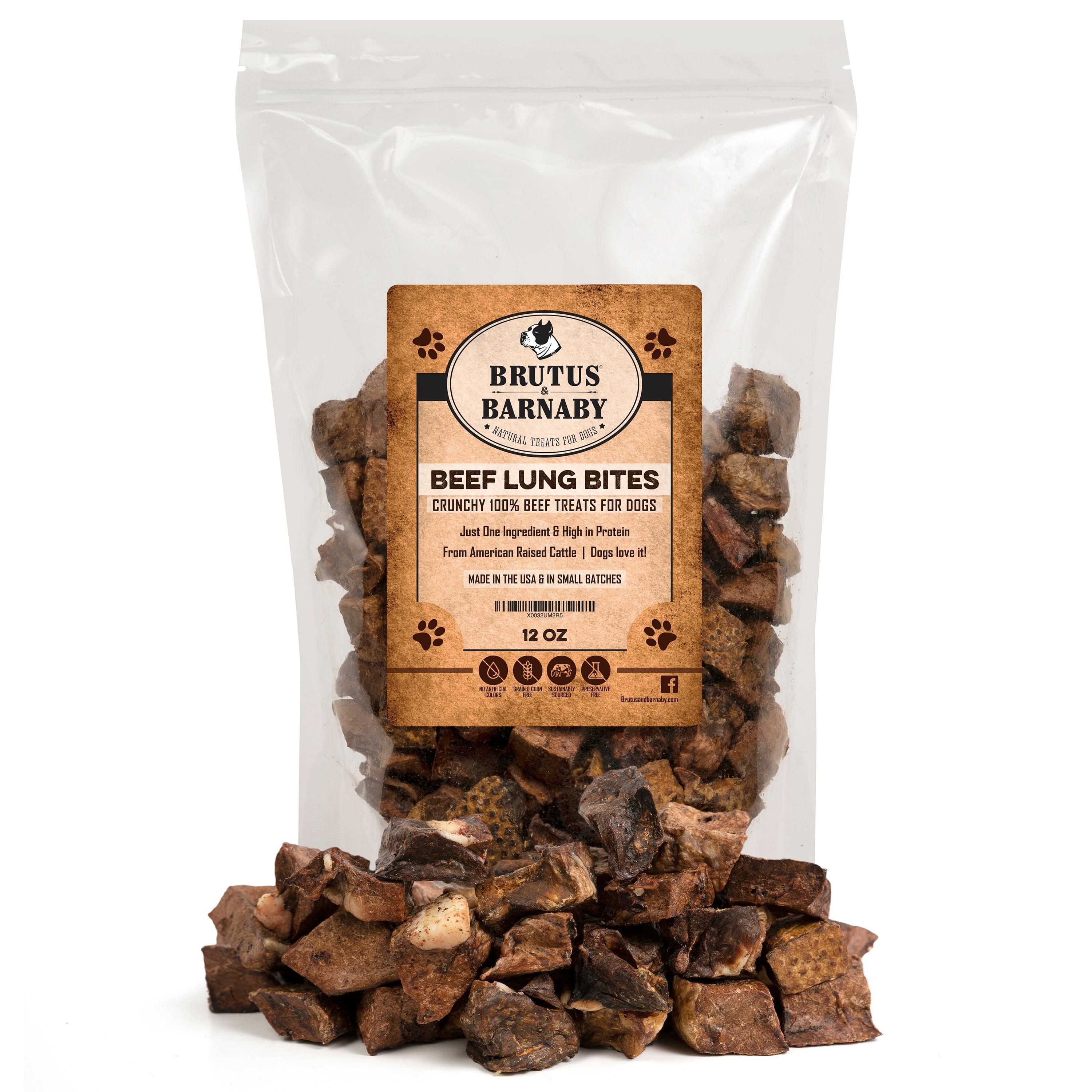
Beef Lung Bites
Smaller crunchy pieces for quick rewards, walks, short training sessions, and everyday treating.
- 100% USA beef lung
- 6-, 12-, and 32-ounce sizes
- 66.0% minimum crude protein
- 119.1 calories per ounce

Beef Liver Food Topper
A powdered single-ingredient liver product designed to be measured and sprinkled over regular food.
- 100% North American beef liver
- 8- and 16-ounce sizes
- 63.5% protein on the current product page
- 116.2 calories per ounce
Which One Should You Choose for Your Dog?
| Your Main Goal | Best Starting Option | Why | Watch For |
|---|---|---|---|
| Frequent quick training rewards | Beef Lung Bites | Less preparation and discrete pieces | Large pieces, crumbs, and total session calories |
| Custom reward sizes | Beef Lung Filets | Breakable larger starting pieces | Uneven fragments and preparing too much at once |
| Aroma across a bowl of kibble | Beef Liver Topper | Powder distributes through the meal | Unmeasured scoops and escalating topper dependence |
| Portable rewards on a walk | Beef Lung Bites | Cleaner and easier to deliver than powder | Pouch crumbs and pieces too large for rapid reinforcement |
| Enrichment or puzzle pieces | Beef Lung Filets | Can be broken to suit different openings | Pieces becoming stuck or creating a choking risk |
| Dog with a diagnosed beef allergy | Neither | Both products are beef | Hidden beef ingredients elsewhere in the diet |
| Dog on a prescription or elimination diet | Veterinarian-approved option only | Even single ingredients can interfere with the diet’s purpose | Adding extras without the veterinary team’s knowledge |
| Dog with sudden appetite loss | Veterinary assessment—not simply more topper | Appetite change may reflect pain or illness | Vomiting, weight loss, lethargy, mouth pain, or other symptoms |
How to Keep Lung and Liver Within the Daily Treat Budget
AAHA recommends keeping total treats and extras at no more than about 10% of daily calories so they do not dilute the nutritional balance of the dog’s primary food. “Extras” includes lung pieces, liver topper, chews, training rewards, table food, food used for medication, and enrichment ingredients.
Know the dog’s daily calorie target
Use the amount recommended by the veterinarian or the feeding plan for the dog’s body condition, activity, age, and health—not a generic online number alone.
Set one combined budget for all extras
Do not create a separate 10% allowance for lung and another 10% for liver. Everything outside the complete and balanced food belongs in the same small allowance.
Prepare training pieces before the session
Place only the planned quantity of Bites or broken Filets in the pouch. Leave the full bag closed so repeated rewards do not become invisible calories.
Measure liver topper consistently
Use the same clean spoon or a gram scale when precision matters. Avoid shaking directly from the bag because the amount is difficult to see.
Reduce elsewhere when rewards increase
A training-heavy day may require fewer other treats. Adjust the complete diet only with appropriate guidance so nutritional balance is preserved.
Review stool, appetite, and body weight
Introduce new products gradually. Persistent diarrhea, vomiting, discomfort, appetite change, or weight gain means the plan needs reassessment.
Can You Use Beef Lung and Beef Liver in the Same Routine?
Yes, when the dog tolerates beef and the combined amount remains appropriate. The two formats can have separate jobs rather than competing for the same moment.
Breakfast
Use a small measured liver sprinkle only when it fits the meal plan and helps maintain a consistent feeding routine.
Walk or Training
Use a pre-counted quantity of lung pieces for reinforcement, breaking them smaller when appropriate.
End of Day
Count the topper and all lung rewards together with every other extra rather than judging each product in isolation.
When Should You Ask a Veterinarian First?
Individual guidance matters more than the simplicity of the ingredient list when a dog has medical or dietary restrictions. Ask before adding lung or liver when the dog has:
- A confirmed or suspected beef allergy
- A veterinary elimination diet or prescription diet
- Kidney disease, liver disease, pancreatitis, or chronic gastrointestinal disease
- Obesity or a tightly controlled weight-loss plan
- A history of recurrent vomiting or diarrhea after rich treats
- Difficulty chewing or swallowing, missing teeth, or oral pain
- A nutritional disorder or existing vitamin/mineral supplementation
- Persistent appetite loss, weight loss, lethargy, or another unexplained change
Stop feeding the new product and contact the veterinary team if the dog develops persistent vomiting, diarrhea, abdominal discomfort, facial swelling, hives, breathing difficulty, severe itching, marked lethargy, or appetite changes. Breathing difficulty, collapse, blue or pale gums, or severe distress requires emergency care.
Continue Building the Right Reward Routine
Veterinary Nutrition and Treat Guidance
These resources support the article’s guidance on complete diets, treat calories, liver and vitamin-A awareness, and safe storage.
Beef Lung vs Beef Liver FAQ
Is beef lung or beef liver better for dogs?
Neither is universally better. Beef lung is more practical as a crunchy handheld reward. The current beef liver product is a powdered meal topper. Choose according to the job, dog’s tolerance, complete diet, and portion plan.
Which is better for training: beef lung or beef liver?
Beef lung is usually more convenient for direct reward delivery. Bites are ready to grab, while Filets can be broken into planned sizes. Loose liver topper is less practical in a treat pouch and is designed for meals.
Can I give my dog beef liver topper every day?
Daily suitability depends on the measured amount, the dog’s complete diet, calories, health, and every other extra. Follow current package directions and ask a veterinarian before routine use for dogs with medical or dietary restrictions.
Can too much beef liver be harmful?
Repeatedly feeding very large amounts of liver can create excessive vitamin A and unbalance the diet. An appropriately measured topper is different from feeding liver as a major part of every meal, but more is not automatically better.
Are beef lung treats low calorie?
“Light” texture does not mean calorie-free. The current Beef Lung Bites page lists 119.1 calories per ounce. The important figure is how much the dog consumes across the whole day, including every reward and topper.
Are Beef Lung Bites or Filets better for small dogs?
Either can work when broken to a manageable reward size. Bites offer convenience, while Filets offer more control over the final piece. Watch for rapid swallowing and adjust to the individual dog.
Can dogs with beef allergies have beef lung or beef liver?
No assumption should be made that one beef organ is safe because the dog reacted to another beef product. Both are beef. Follow the veterinarian’s allergy or elimination-diet plan.
Can I mix beef liver topper with beef lung treats?
Yes, for a dog that tolerates beef, provided the combined amount fits one total daily treat allowance. Use liver at the bowl and pre-counted lung pieces for training rather than offering unlimited amounts of both.
Choose the Format by the Job, Not by an Organ-Meat Ranking
Beef Lung Bites are built for quick rewards. Beef Lung Filets are built for breakable flexibility. Beef Liver Food Topper is built to spread flavor and aroma across a meal. All three can fit a thoughtful routine, but none should replace complete food or escape portion control.
Choose Lung Bites
Pre-count smaller crunchy pieces for walks, recall, and short training sessions.
Choose Lung Filets
Break larger filets before the activity to fit the dog and reward difficulty.
Choose Liver Topper
Measure a small amount and use it to enhance—not replace—the balanced meal.
Keep Lung Ready for Training and Liver Measured for Mealtime
Choose ready-to-grab Beef Lung Bites, customizable Beef Lung Filets, or Beef Liver Food Topper based on the real job you need the product to perform.
Shop Natural Dog Treats