



Why Does My Dog Chew Treats on the Carpet? Understanding Food-Related Habits
Does your dog carry a favorite treat from the kitchen to the living room rug? Learn why dogs choose carpet for chewing, what this behavior might mean, and how to encourage a cleaner, more comfortable treat routine.
Quick Answer: Dogs often chew treats on the carpet because the surface provides traction, feels familiar, or offers a comfortable place to settle down. Some dogs also prefer carrying valuable food away from busy feeding areas. This behavior is usually harmless when your dog remains relaxed, eats normally, and shows no signs of guarding or distress. A designated washable mat can help redirect the habit.
Why Does My Dog Chew Treats on the Carpet Instead of the Floor?
Picture this: you hand your dog a perfectly good chew in the kitchen. Instead of enjoying it there, they walk straight to the living room and settle onto your favorite rug. This familiar behavior can have several explanations, including comfort, grip, routine, and a preference for eating somewhere quieter.
The American Kennel Club discusses this habit in its guide to dogs carrying food to carpeted areas. If your dog also chews household objects, our article on why dogs chew everything explains common chewing behaviors and appropriate outlets.
Simple rule: if your dog comfortably carries a treat to the carpet, chews calmly, and willingly leaves the area afterward, the behavior is often a location preference rather than a problem. Focus on providing a suitable chewing surface instead of punishing the habit.
Five Common Reasons Dogs Take Treats to the Carpet
Your dog's body language and the surrounding environment offer useful clues. These are common possibilities, not guaranteed explanations for every dog.
A dog choosing a soft surface is not automatically displaying anxiety or resource guarding. Watch for patterns: does the behavior occur with long-lasting chews, small training treats, or every type of food? The answer can help you understand whether texture, location, or the surrounding environment matters most.
Choosing Treats for Your Dog's Favorite Chewing Spot
The right treat depends on your dog's size, chewing style, and ability to manage the texture. These natural chew options can fit into a supervised routine on an easy-to-clean surface.
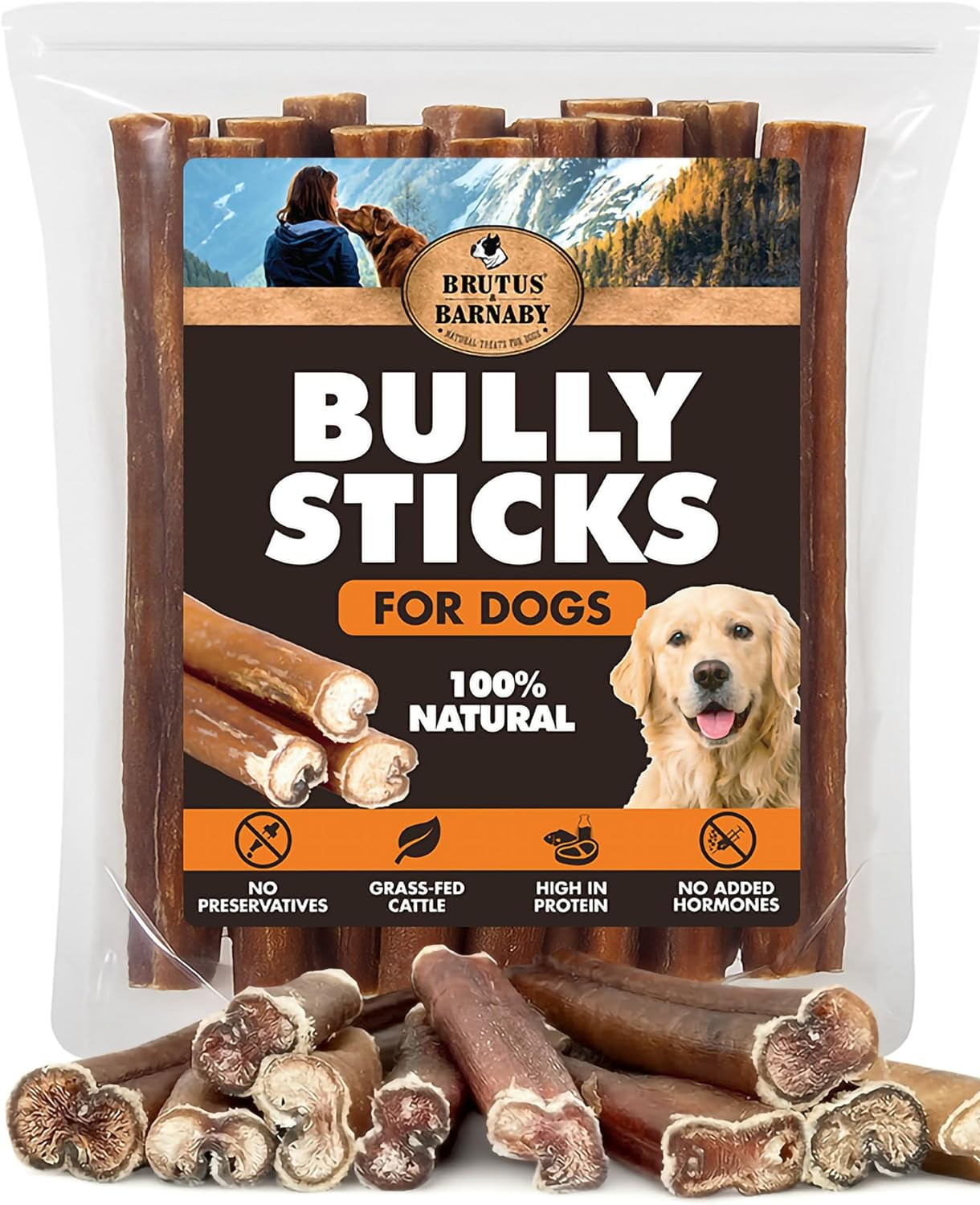
6 Inch Bully Sticks
These single-ingredient beef chews provide a satisfying activity for dogs who enjoy holding and working on a treat in a comfortable, designated chewing spot.
- Natural beef chew with firm texture
- Suitable for appropriately matched, supervised chew sessions
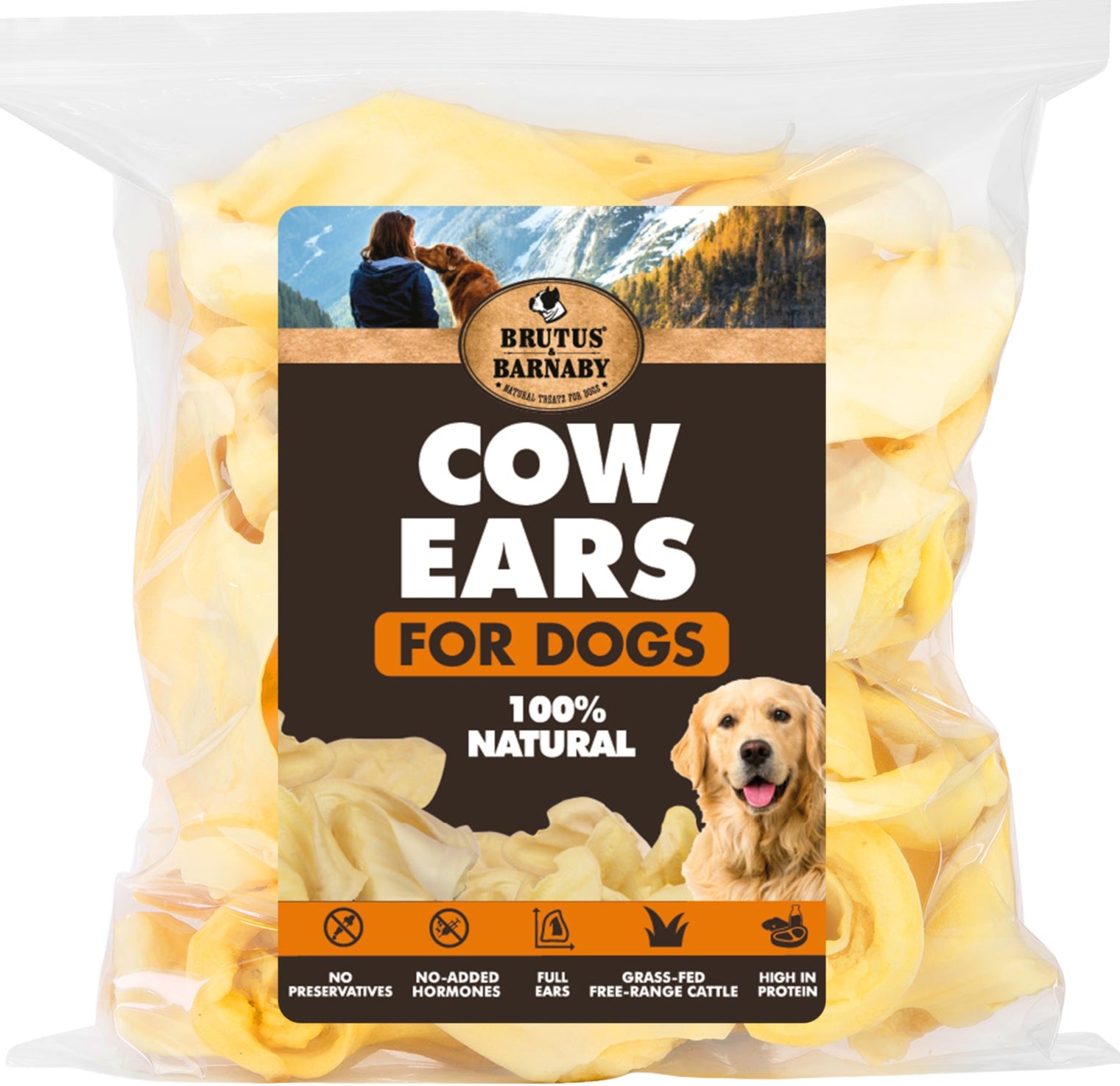
Cow Ears
Cow ears offer a different shape and chewing experience from stick-shaped treats, providing variety for dogs who enjoy settling down with an edible chew.
- Natural beef chew with a broad shape
- Useful for varying supervised chew activities
Why Some Dogs Prefer a Quiet Place to Enjoy Chews
A valuable chew may encourage your dog to move away from household activity and settle in a familiar corner. Offering a quiet, washable chewing area allows you to respect that preference while protecting your carpet from crumbs, moisture, and food residue.
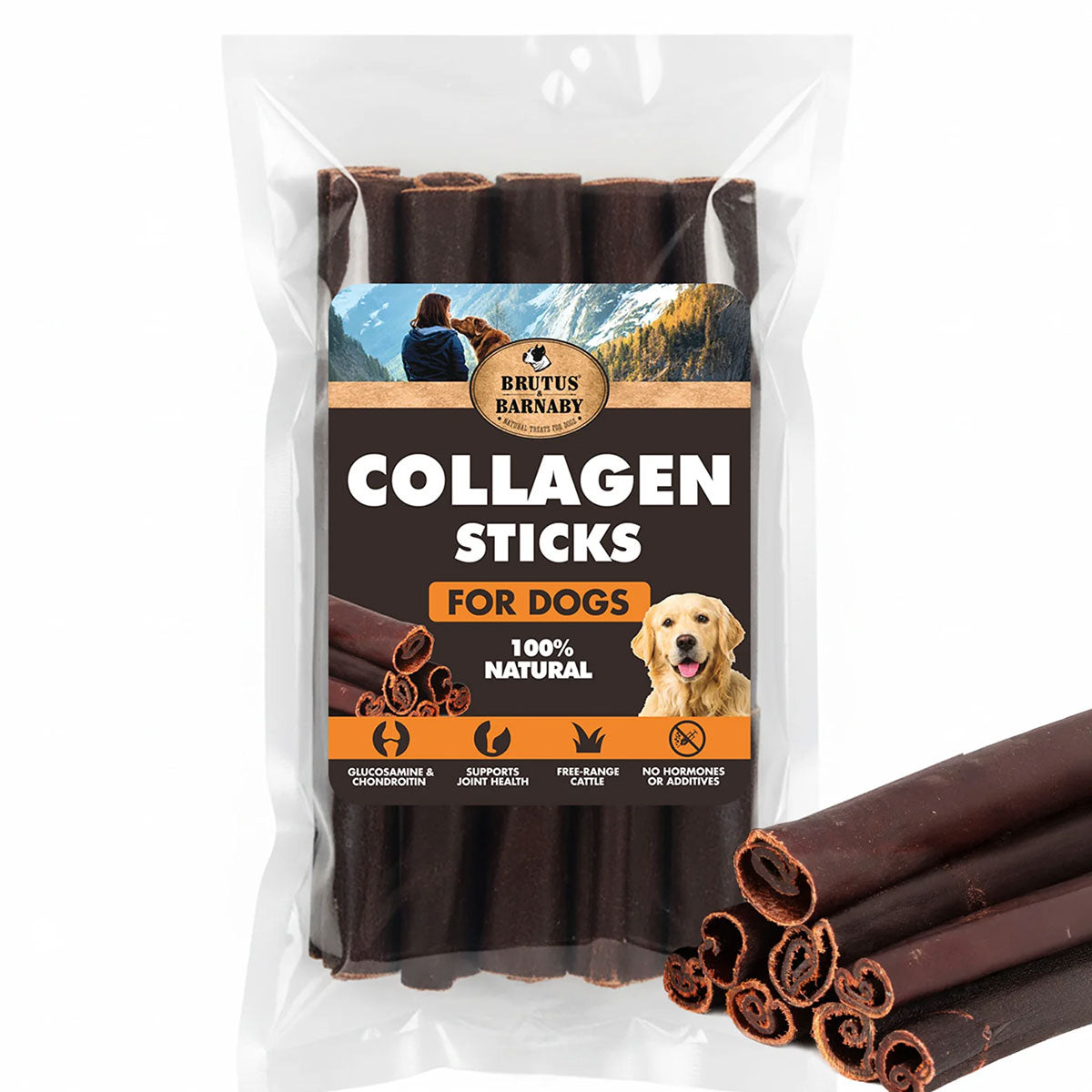
Beef Collagen Sticks
These firm beef collagen chews offer another texture for dogs who enjoy taking their time with a treat in a quiet, supervised chewing area.
- Firm rawhide-free chew option
- Adds variety to a supervised chew rotation
Signs of Comfortable Chewing
- Your dog settles with relaxed body language.
- Chewing remains controlled and unhurried.
- Your dog can comfortably leave the area afterward.
Signs That Need Attention
- Freezing or growling when someone approaches.
- Repeatedly gulping large pieces of food.
- Sudden changes in eating or chewing behavior.
Is Chewing Treats on the Carpet a Sign of Resource Guarding?
Not necessarily. Carrying food away is not enough to identify resource guarding. More concerning signals include stiff posture, freezing, intense staring, growling, or attempting to prevent people or pets from approaching a valued treat. These behaviors deserve careful attention rather than punishment.
If your dog displays these signals, avoid reaching for the chew or testing their reaction. Provide space, separate pets during chewing, and consult a qualified behavior professional. VCA Animal Hospitals explains these warning signs in its guide to food-related aggression and resource guarding. A sudden change in behavior may also warrant a veterinary checkup, particularly when paired with discomfort or appetite changes.
For most relaxed dogs, the more useful question is whether their chewing environment is comfortable and practical. A rug may simply feel better than slippery flooring. You can preserve the comfort of their favorite spot without allowing every chew to leave a mess on your carpet.
How to Keep Your Dog From Chewing Treats on the Carpet
Instead of repeatedly carrying your dog back to the kitchen, make an alternative spot appealing. A little consistency can help your dog learn where treats are meant to be enjoyed without creating unnecessary frustration.
Choose a mat that stays flat, is easy to clean, and cannot be easily torn apart or swallowed. If your dog repeatedly leaves the area, reassess the location instead of forcing them to stay. For more information about different chewing textures, read our guide to choosing dog treat textures.
Safety note: Always supervise edible chews. Match the chew's size and firmness to your dog's needs, remove small pieces that could be swallowed, and watch for carpet fibers or mat fragments being chewed. Keep treats within your dog's appropriate daily calorie allowance.
Frequently Asked Questions
Make Your Dog's Chew Time More Comfortable
A comfortable chewing spot and an appropriately selected treat can make everyday enrichment simpler. Explore Brutus & Barnaby's natural bully sticks for supervised chewing sessions that fit your dog's individual preferences and routine.
Shop Natural Bully Sticks